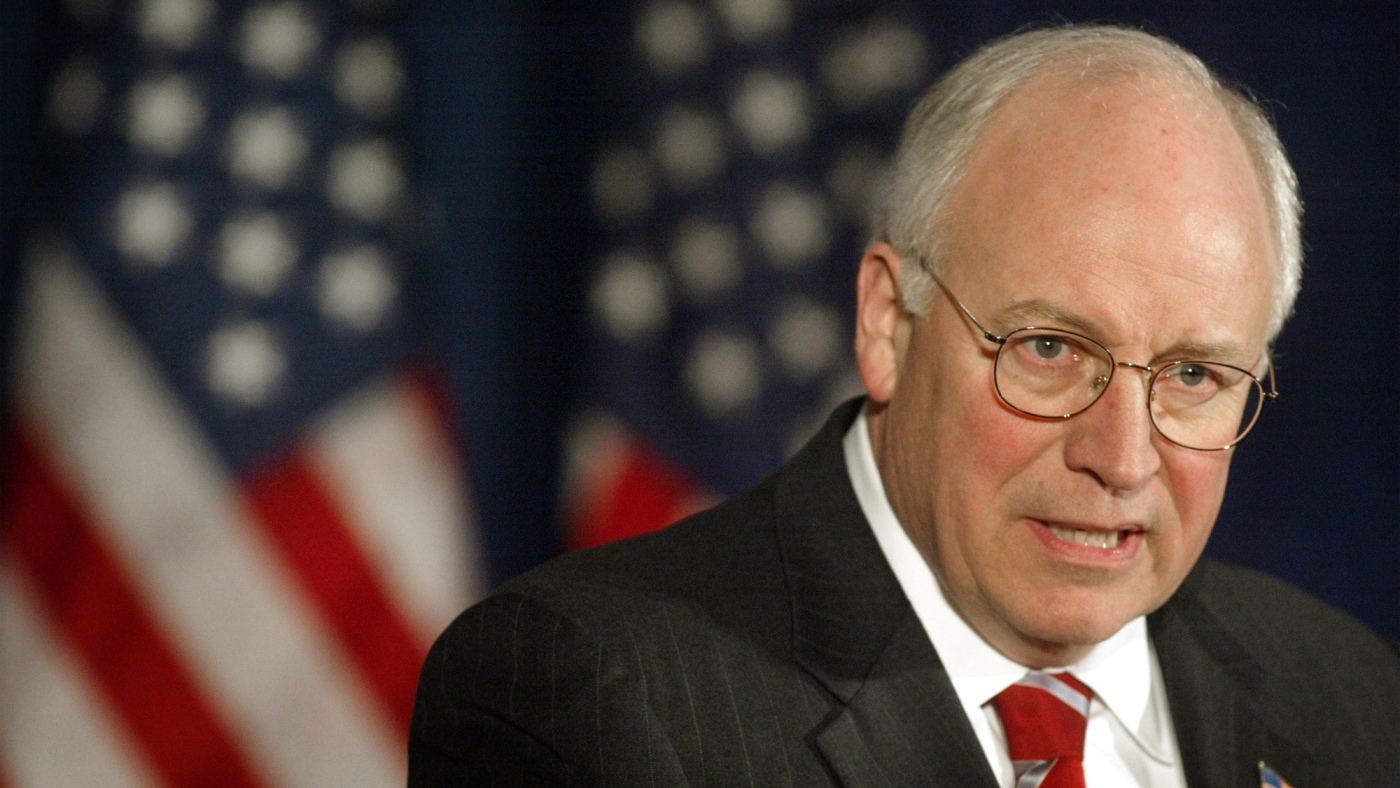
Former Vice President Dick Cheney, a powerful and influential figure in American politics known for his role in shaping U.S. foreign policy and the presidency, died at 84 due to complications from pneumonia and heart disease, leaving a significant legacy in government and foreign policy.
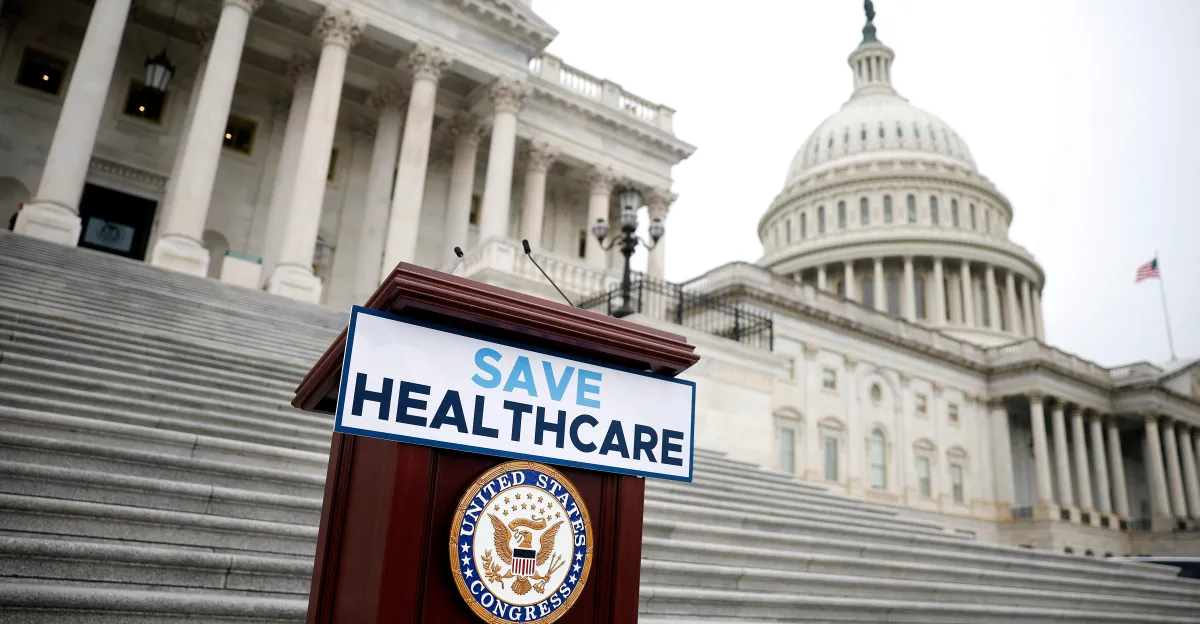
The recent government shutdown was driven by broader political conflicts rather than just health care policy, with Democrats and Republicans using procedural tactics amidst larger issues like Trump's influence on governance and partisan disputes, rather than immediate budget concerns.
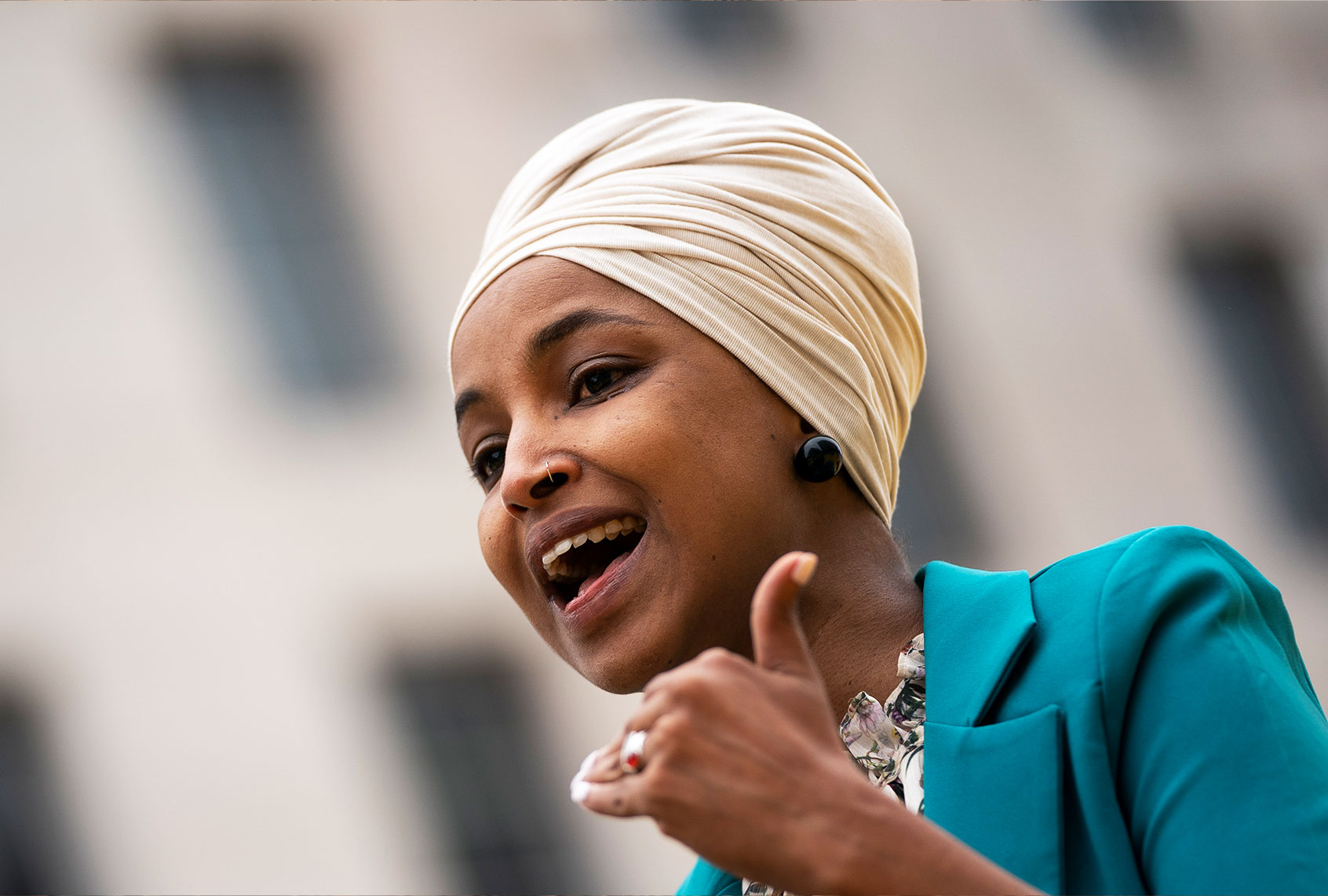
Rep. Ilhan Omar responded to Donald Trump's attacks, criticizing the country’s leadership as being 'led by idiots' and condemning the calls for her impeachment, which she views as a reflection of uneducated politicians and a poor image for America.
The article discusses a recent political shooting involving Charlie Kirk, highlighting the complex and non-traditional political motivations of the shooter, who was not aligned with any party and was influenced by internet culture rather than clear ideological lines, reflecting a broader trend of political violence that defies simple categorization.
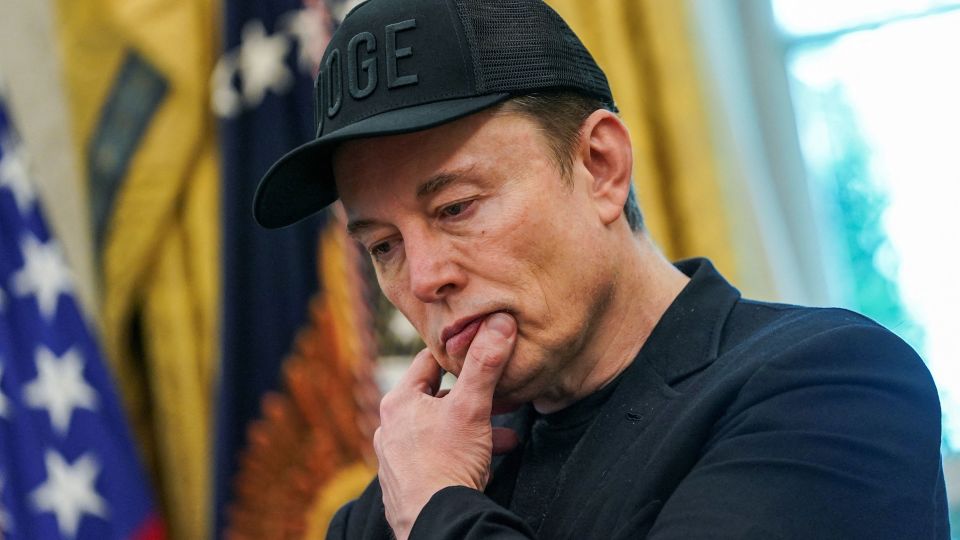
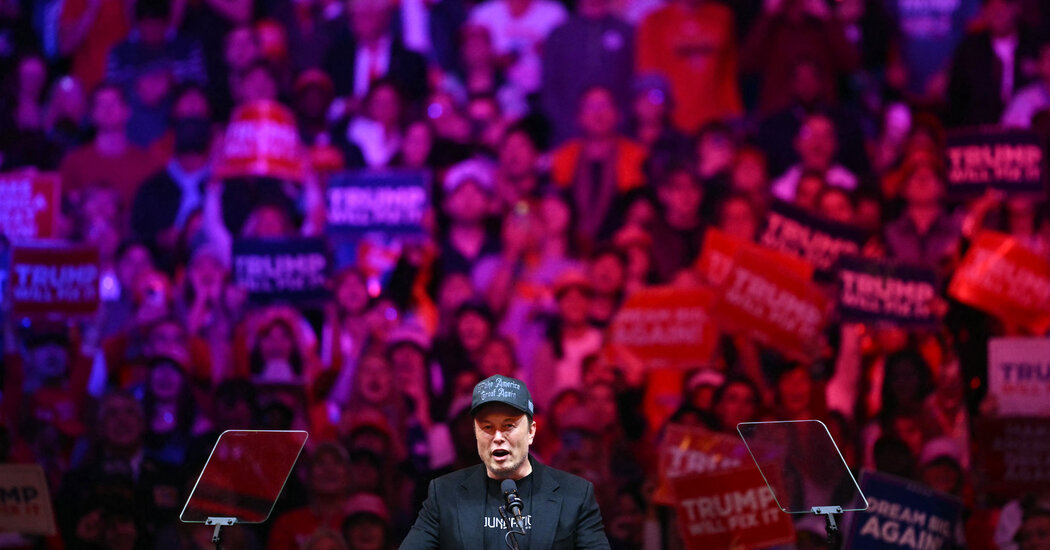
Elon Musk's plan to create an 'America Party' signals potential fractures within Trump's Republican coalition, driven by dissatisfaction with both parties and historical precedents of insurgent parties. Experts suggest Musk's top-down approach and focus on issues like national debt could influence key races, but the longevity of such a party remains uncertain, especially if it fails to develop lasting ideas that resonate with voters.
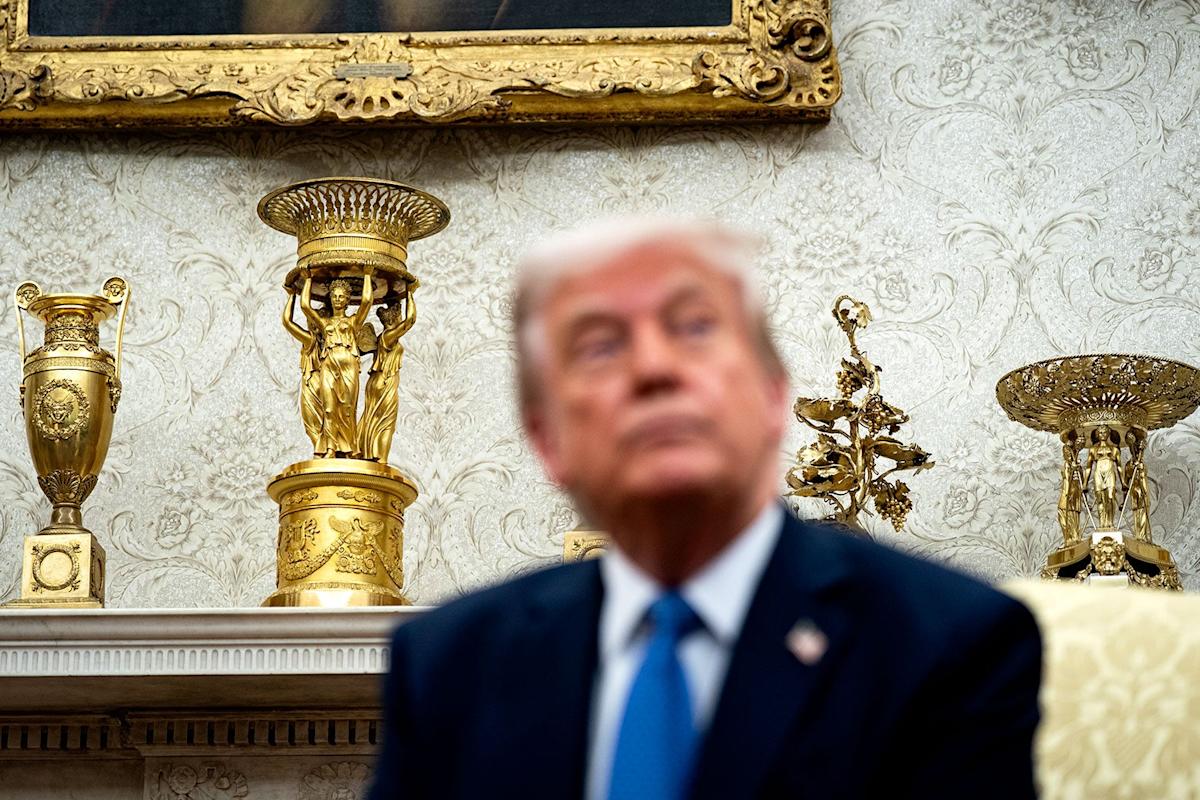
The article discusses Donald Trump's obsession with Versailles-style decor in his residences, comparing his approach to Louis XIV's absolutist rule, and critiques his governance style as lacking the enlightened qualities of the Sun King, ultimately suggesting his admiration for monarchy could influence the future of American democracy.
The revival of 'Duck Dynasty' on A&E, announced shortly after President Trump's inauguration, reflects how the show's celebrity culture and its cultural implications are being reconsidered in a changed America, highlighting the intersection of entertainment and politics.
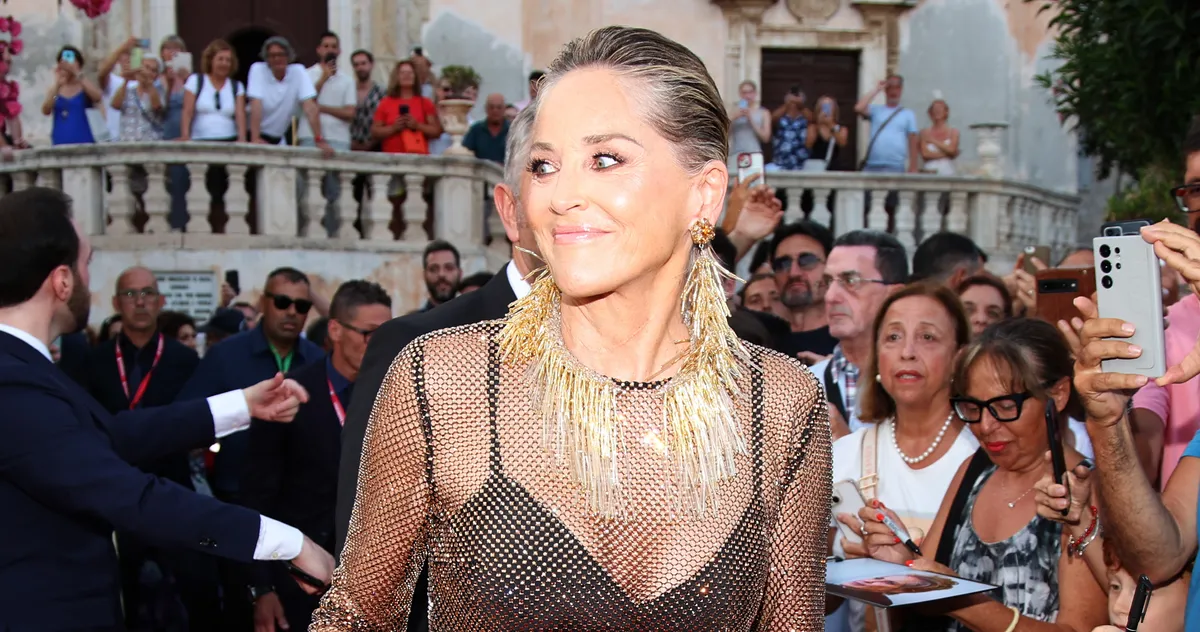
Sharon Stone criticized Americans who voted for Donald Trump, labeling them as "uneducated" and "ignorant" during a press conference at the Torino Film Festival in Italy. She expressed her frustration with the political situation in the U.S., comparing it to the country's adolescence and highlighting the lack of travel experience among Americans. Stone had previously stated her intention to move to Italy if Trump was re-elected.
Denzel Washington, in an interview with The Sunday Times, expressed concerns about the manipulative tactics used by both political parties in the U.S., emphasizing that people are "slaves to information" in the current age. He highlighted the importance of recognizing this manipulation regardless of political affiliation. Washington also reflected on his acting career, discussing both successes and failures, and the different phases of his life in terms of learning, earning, and giving back.
Elon Musk has made a significant entry into American politics, leveraging his influence on social media platforms like Twitter to impact political discourse and decisions.
Donald Trump's victory in the 2024 U.S. presidential election is portrayed as a triumph for America's ultra-wealthy elites, who are described as "boring psychos" by the article. The piece argues that Trump's win reflects the enduring power and influence of these elites, who are characterized as wealthy, overeducated, and morally vacant. Despite Trump's controversial past and divisive rhetoric, the elites have rallied behind him, highlighting their shared interests and class solidarity. The article criticizes the elites for their joyless and depraved nature, suggesting that Trump's campaign antics are emblematic of their broader cultural influence.
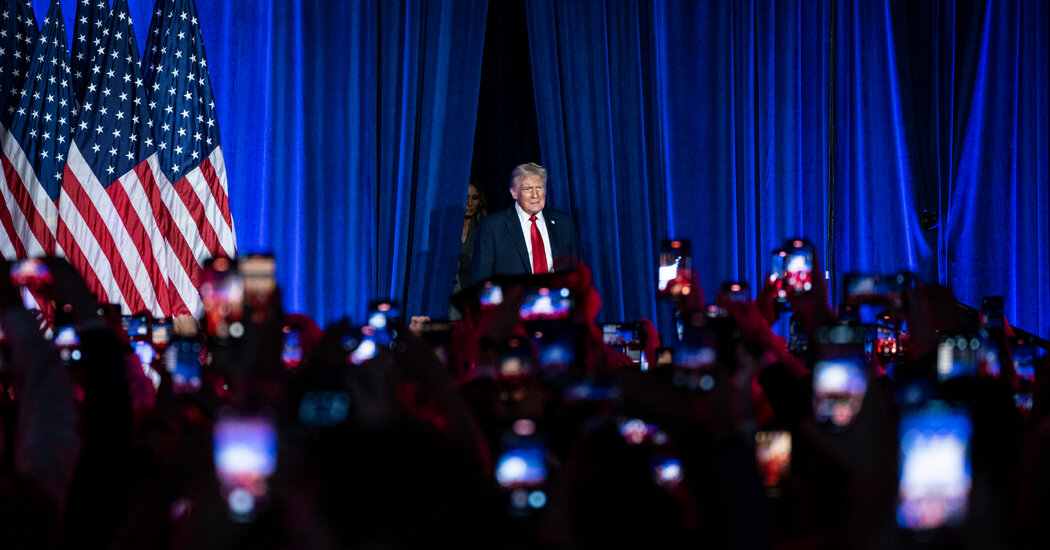
The article explores how former President Donald Trump managed to connect with a significant portion of the American populace, focusing on his communication style, populist rhetoric, and ability to tap into the concerns and frustrations of many voters.
The article draws parallels between Donald Trump's political trajectory and that of Andrew Jackson, highlighting how both reshaped their respective parties and wielded significant power. Unlike Richard Nixon, who resigned amid scandal, Trump has survived numerous investigations and controversies, solidifying his influence over the Republican Party. Trump's potential return to the presidency could further entrench his political ideology, although modern institutional checks may limit his ability to fully implement his agenda.
Vice President Kamala Harris is projected to lose the 2024 presidential election to Donald Trump, despite a historic campaign as the first woman of color to be a major party nominee. Harris, who entered the race after President Biden's withdrawal, focused on themes of freedom and unity, but failed to build a sufficient coalition against Trump's established Republican support. Her campaign, marked by record-breaking fundraising and endorsements from some Republicans, highlighted issues like reproductive rights and political division, but ultimately did not sway enough voters.