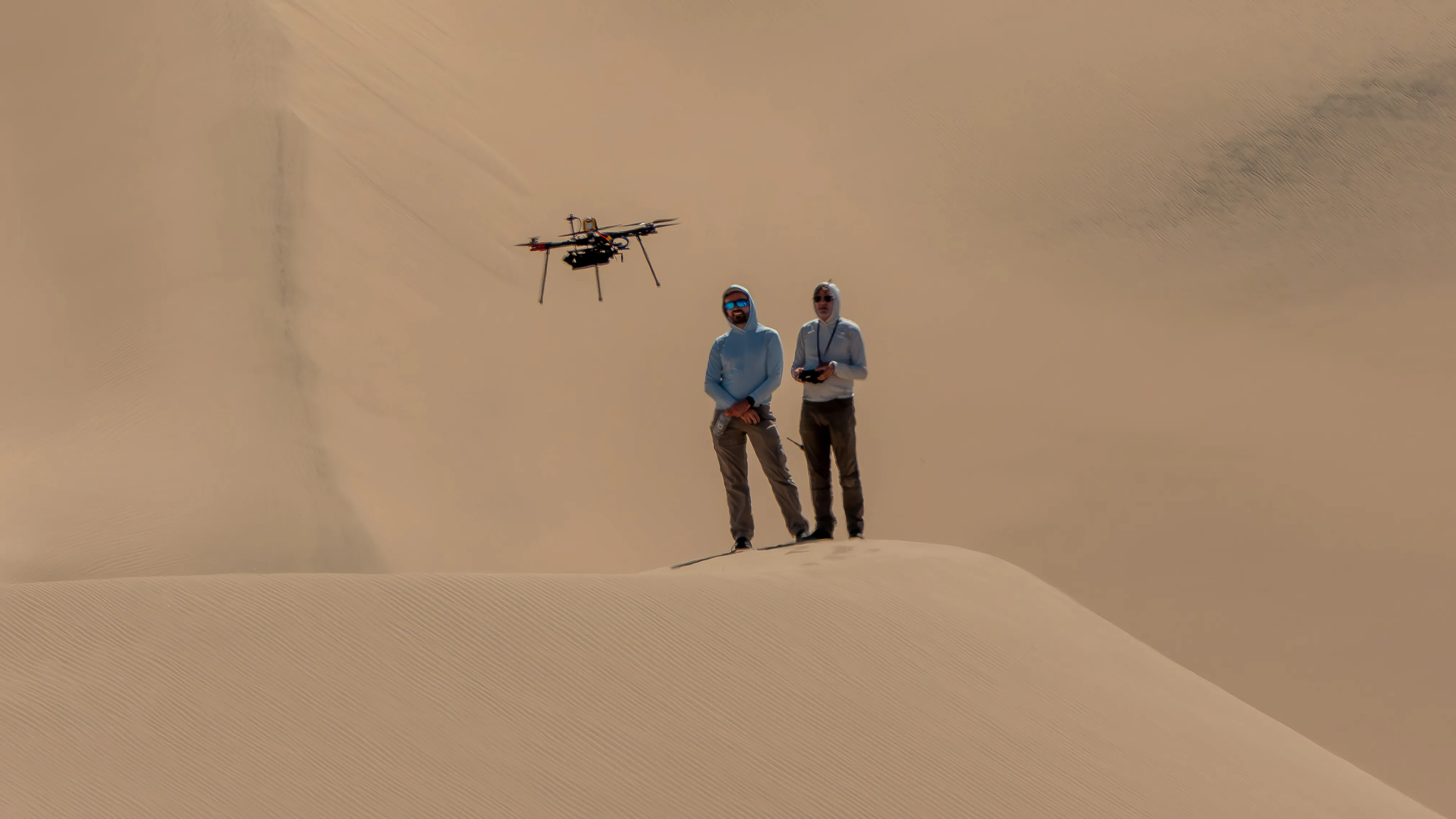
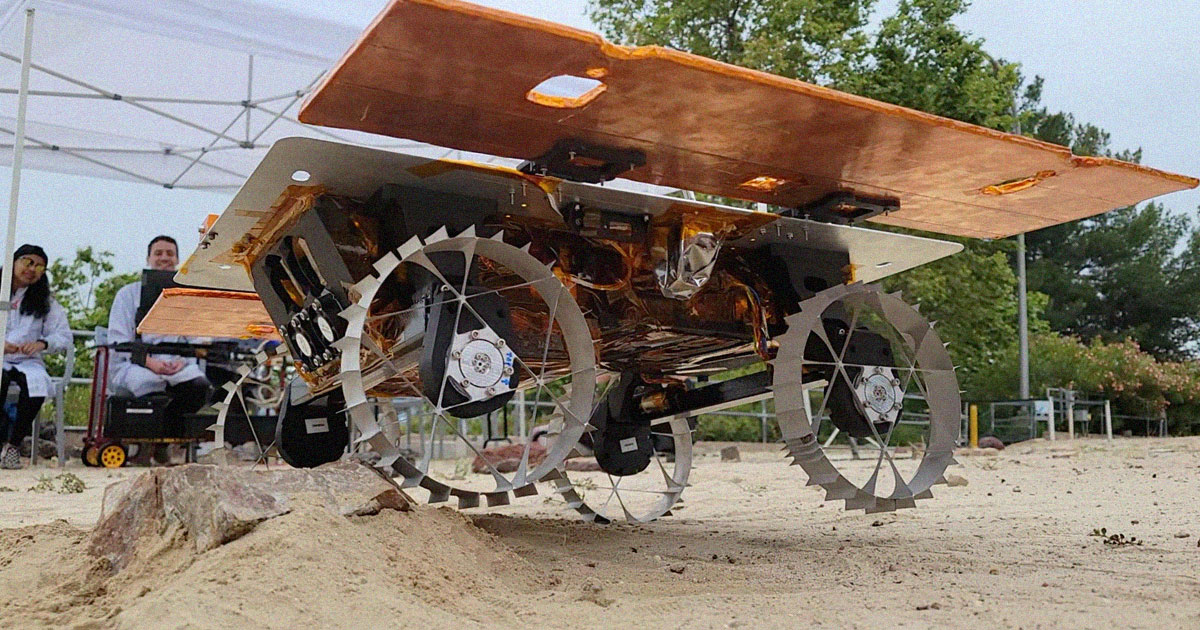
NASA is testing advanced drone and robotic technologies in Death Valley and other desert sites to simulate Mars conditions, aiming to improve navigation, exploration, and mobility for future Mars missions, including software, autonomous robots, and flying vehicles.
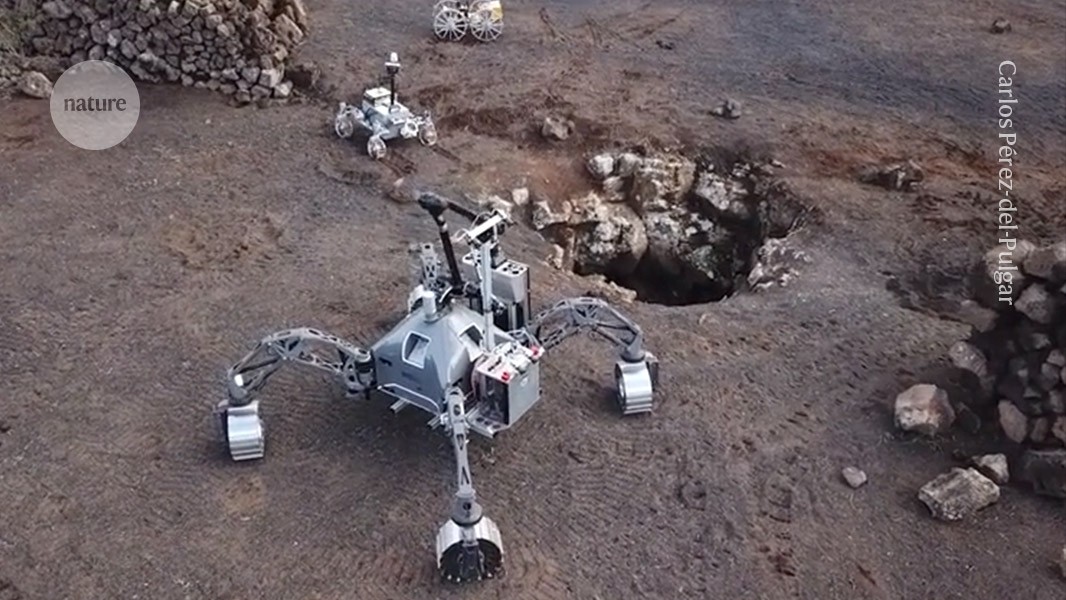
Researchers demonstrated a team of three autonomous robots exploring a lava tube in Lanzarote, simulating potential future missions to lunar or Martian caves for shelter and scientific research, marking a significant step toward extraterrestrial underground exploration.
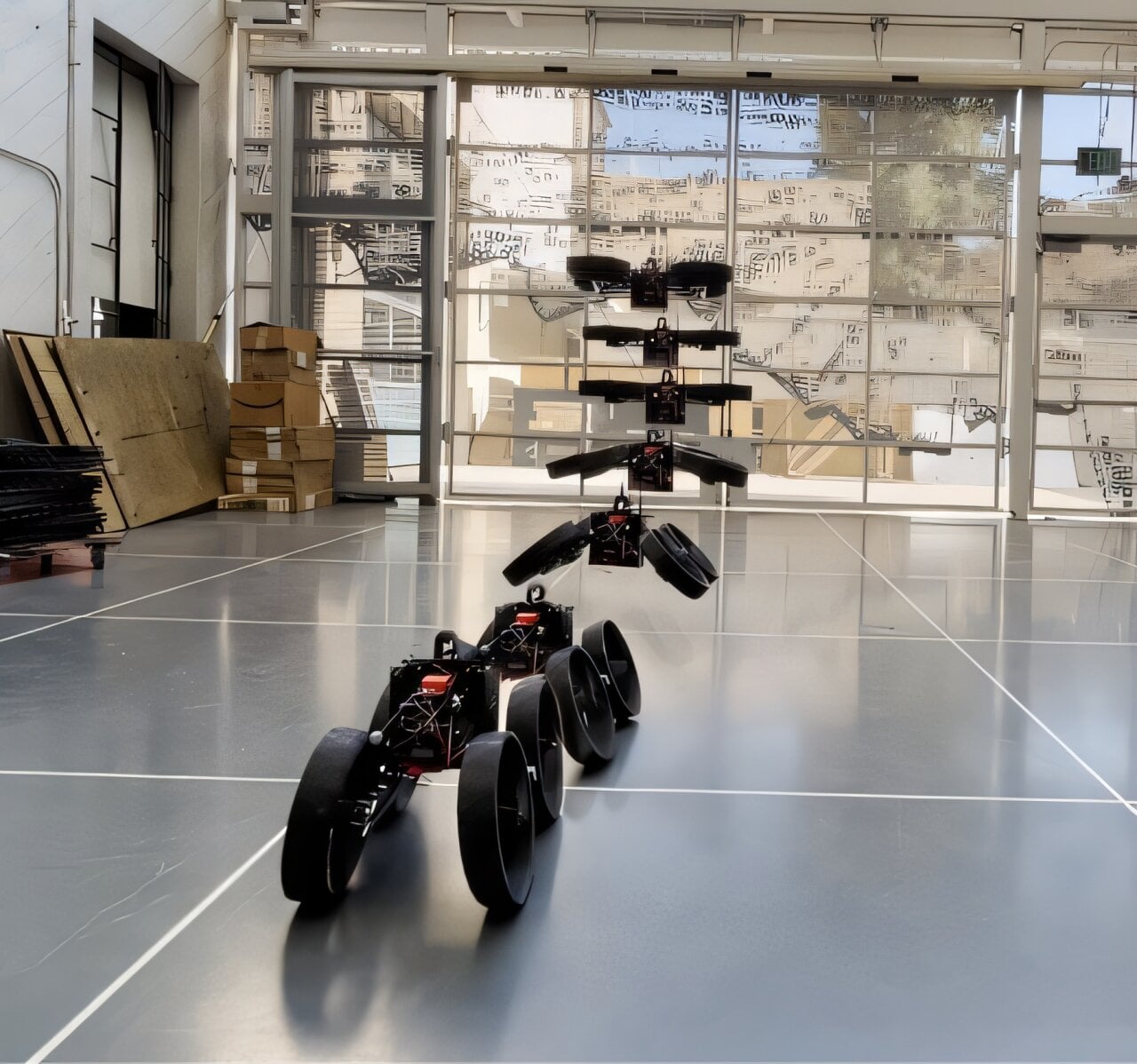
Caltech engineers have developed ATMO, a robot that can morph midair from flying to rolling on terrain, enhancing its agility and robustness for applications like delivery and exploration. The robot uses a single motor to transform its thrusters into wheels, with a sophisticated control system managing complex aerodynamic forces during the transition, inspired by animal locomotion.
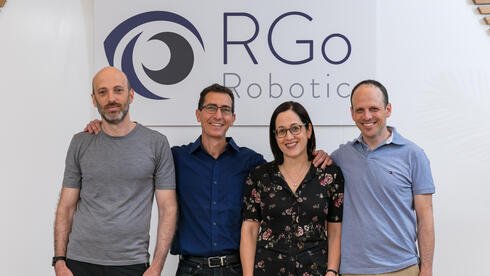
Nvidia has partnered with Israeli startup RGo Robotics to enhance mobile robots with GenAI-powered autonomy. By integrating RGo’s perception engine with Nvidia’s compute and algorithms, the collaboration aims to improve robots' ability to perceive, understand, and interact with their environment, enabling them to perform complex tasks safely and productively. This partnership was announced by Nvidia CEO Jensen Huang at COMPUTEX in Taiwan, showcasing the deployment of the technology in real-world settings.
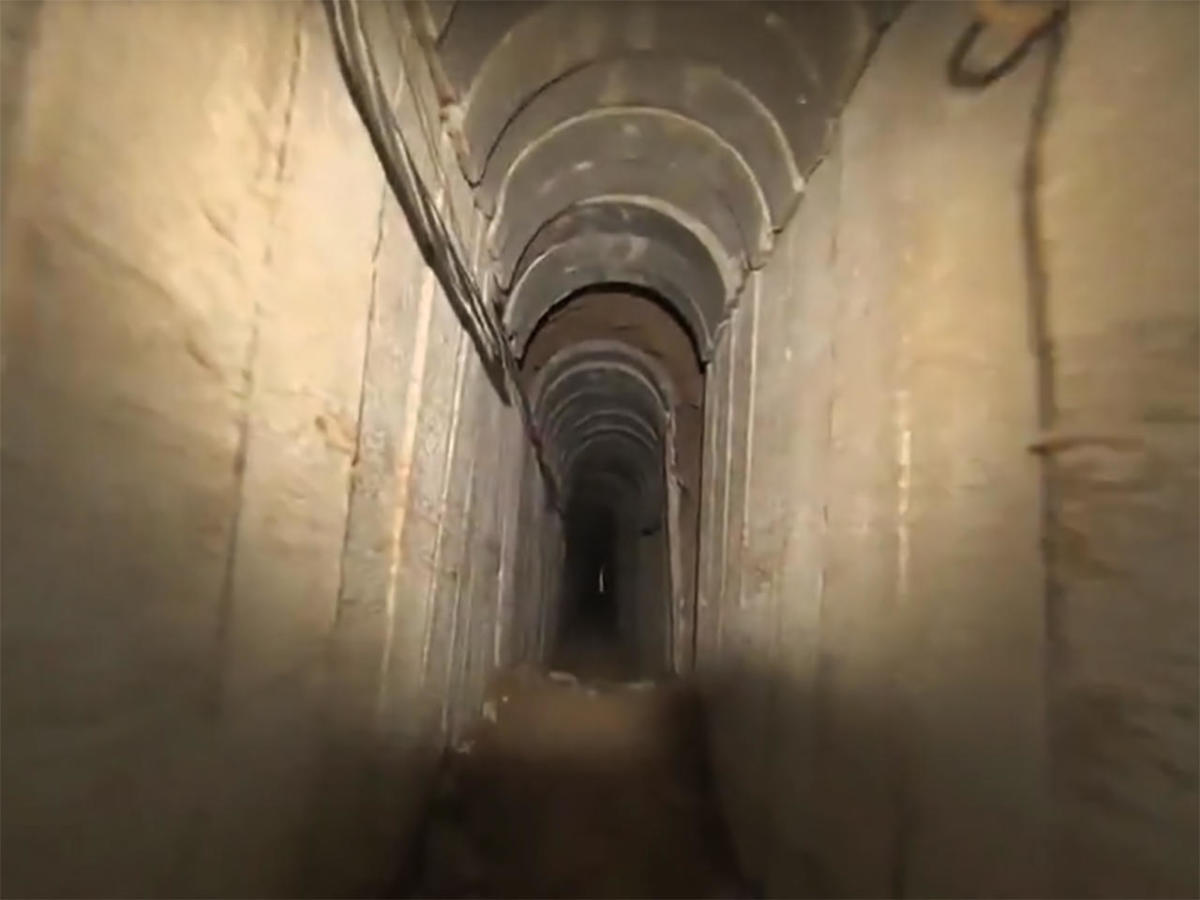
Israel's military offensive against Hamas in the Gaza Strip is being complicated by the vast network of concrete-reinforced tunnels built by Hamas. These tunnels, extending an estimated 300 miles beneath the surface, provide Hamas fighters with a hidden battleground and a means to ride out bombings and launch ambushes. Israel's challenge lies in navigating and neutralizing these tunnels, which are difficult to detect and access. To address this, autonomous robots are being deployed to scout the terrain and map the tunnels, but they are vulnerable to attacks. The presence of hostages in the tunnels further complicates Israel's approach, as sealing them off is no longer a viable option.
Researchers have developed a "brainless" soft robot that can autonomously navigate complex environments using physical intelligence. The robot, made of ribbon-like liquid crystal elastomers, can turn on its own due to its asymmetrical design, allowing it to move in arcs and navigate mazes without getting stuck. The robot's movement is driven by its structural design and material, eliminating the need for computer or human guidance. This advancement in soft robot design opens up possibilities for applications where robots can harvest heat energy from their environment.
NASA's Jet Propulsion Lab has developed lightweight Moon rovers as part of the Cooperative Autonomous Distributed Robotic Exploration (CADRE) set, with plans to send a trio of them to the Moon next year. These autonomous robots are capable of determining their own path and maneuvering around hazards, requiring only high-level goals from mission controllers. To prevent overheating, the rovers will undergo 30-minute wake-sleep cycles, cooling off and recharging their batteries. They will also share their health status with each other via mesh radio networking and elect a leader based on fitness for the task at hand. The CADRE robots represent a new era of robotic cooperation and off-planet off-roading.
MIT researchers have developed an AI-based method to improve safety and stability in autonomous robots, successfully addressing the ‘stabilize-avoid’ problem. Using a two-step approach involving deep reinforcement learning and mathematical optimization, the method was effectively tested on a simulated jet aircraft. This could have future applications in dynamic robots requiring safety and stability, like autonomous delivery drones.
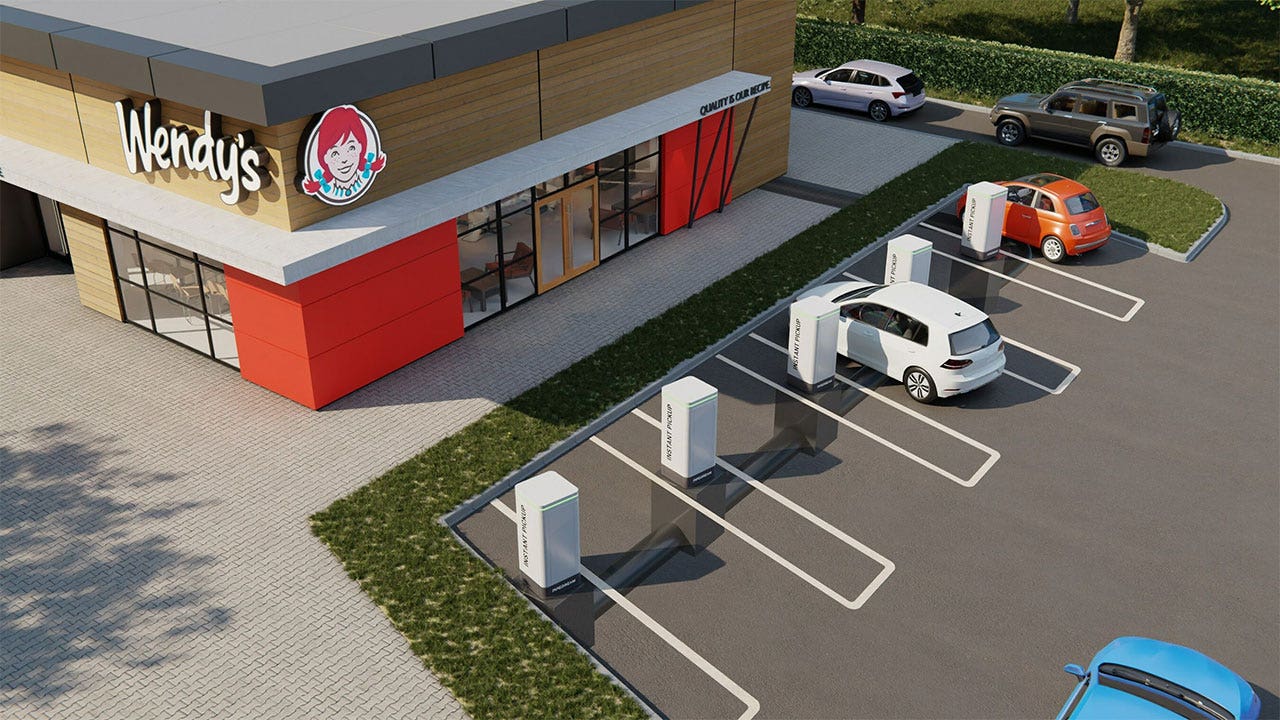
Wendy's has partnered with Pipedream to pilot an underground autonomous robot system that will deliver digital food orders from the kitchen to designated parking spots in seconds, for faster and more convenient pick-up experiences. The technology will allow the restaurants to increase efficiencies with crew members by streamlining digital orders. Wendy's plans to integrate the underground delivery system into an existing restaurant later this year.
Wendy's is partnering with autonomous logistics company Pipedream to pilot a robot-powered "underground delivery system" for online order pickups. The system will use temperature-controlled delivery technology to transport food orders from Wendy's kitchens to Instant Pickup portals beside parking spaces. Customers can confirm their order through the portal's speaker and an autonomous robot will deliver the food to their parking space. Wendy's plans to test the system at an existing restaurant later this year.