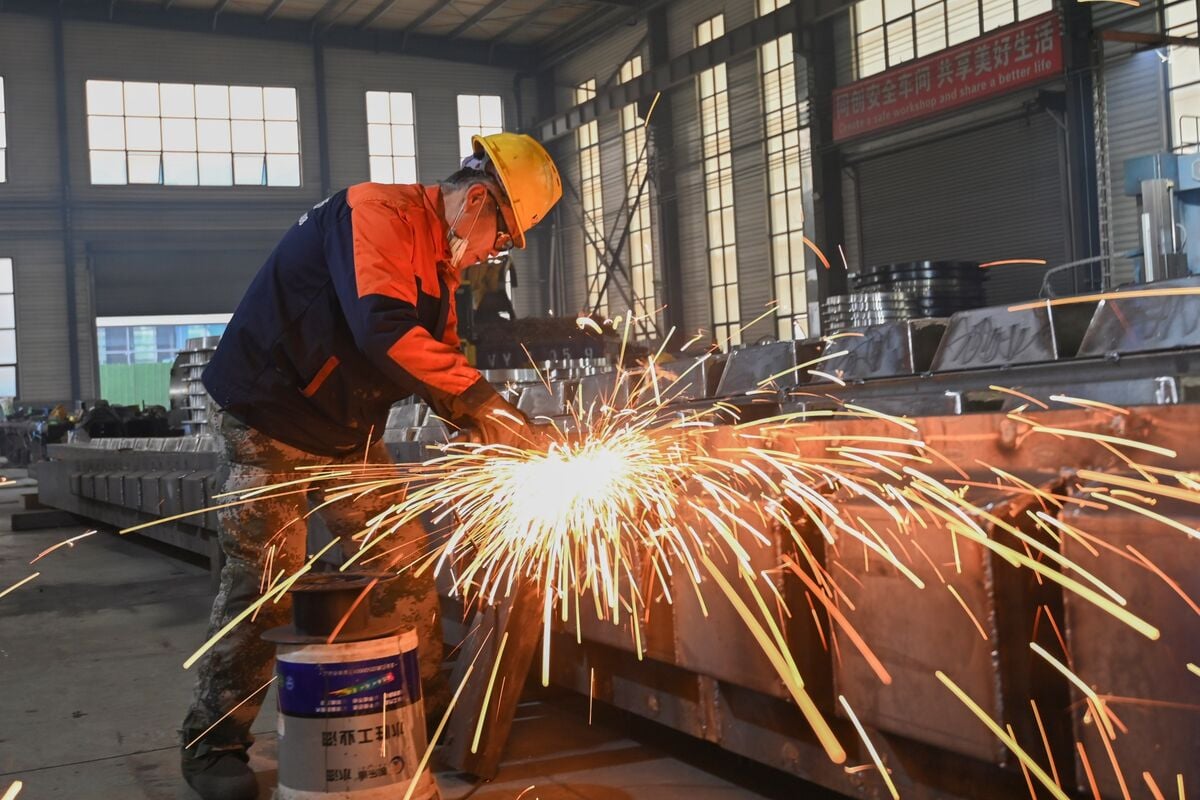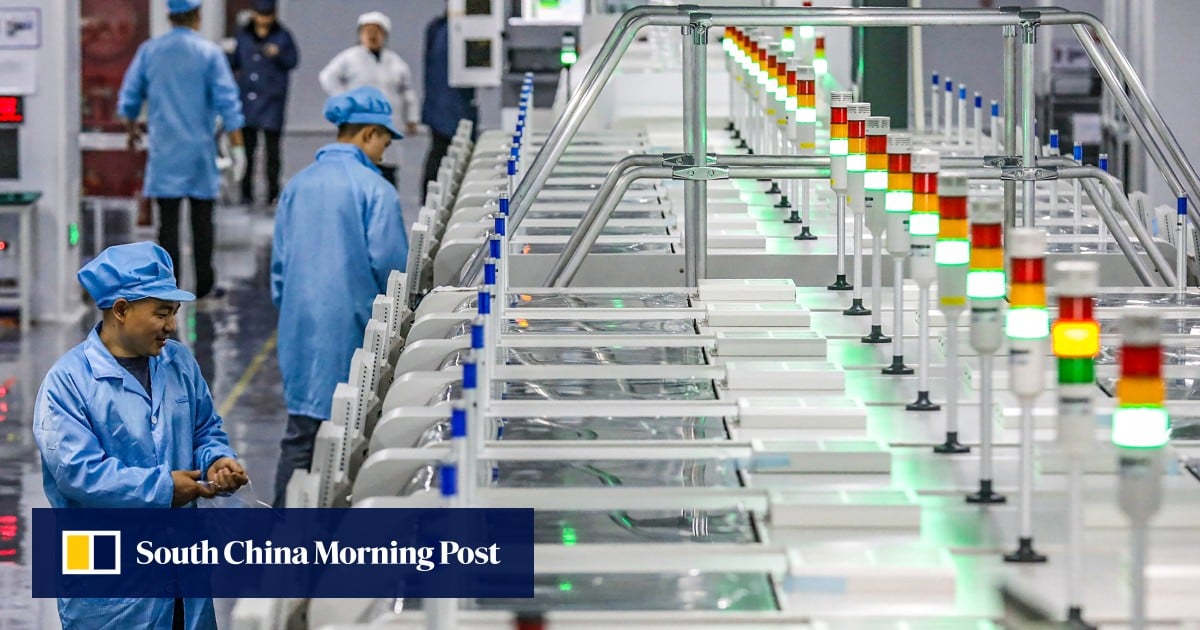
China's factory activity grew in December for the first time in nine months, signaling a potential recovery and helping the country meet its 2025 economic targets of about 5% growth, despite ongoing challenges and a cautious policy approach.
The August 2025 ISM Manufacturing PMI report shows the U.S. manufacturing sector contracting for the sixth consecutive month with a PMI of 48.7%, indicating a slower decline. Key indicators such as new orders and employment remain in contraction, though some sectors like food and petroleum are expanding. Raw material prices continue to rise, and supply chain disruptions persist, largely due to tariffs and trade uncertainties. Overall, the manufacturing economy is experiencing a mild slowdown amid ongoing challenges.
The U.S. manufacturing sector contracted in May for the third consecutive month with a PMI of 48.5%, indicating ongoing economic slowdown, driven by declining new orders, production, employment, and exports, alongside supply chain delays and rising prices influenced by tariffs.
Indian stocks surged to record highs, leading gains in Asian markets, as exit polls projected Prime Minister Narendra Modi's BJP-led alliance to win a third consecutive term. The Nifty 50 and S&P BSE Sensex indices both rose by 3%. Meanwhile, a private survey showed China's manufacturing activity expanded at its fastest pace in nearly two years, with the Caixin PMI rising to 51.7 in May. Other Asian markets also saw gains, with notable increases in Hong Kong, Japan, Australia, and South Korea.
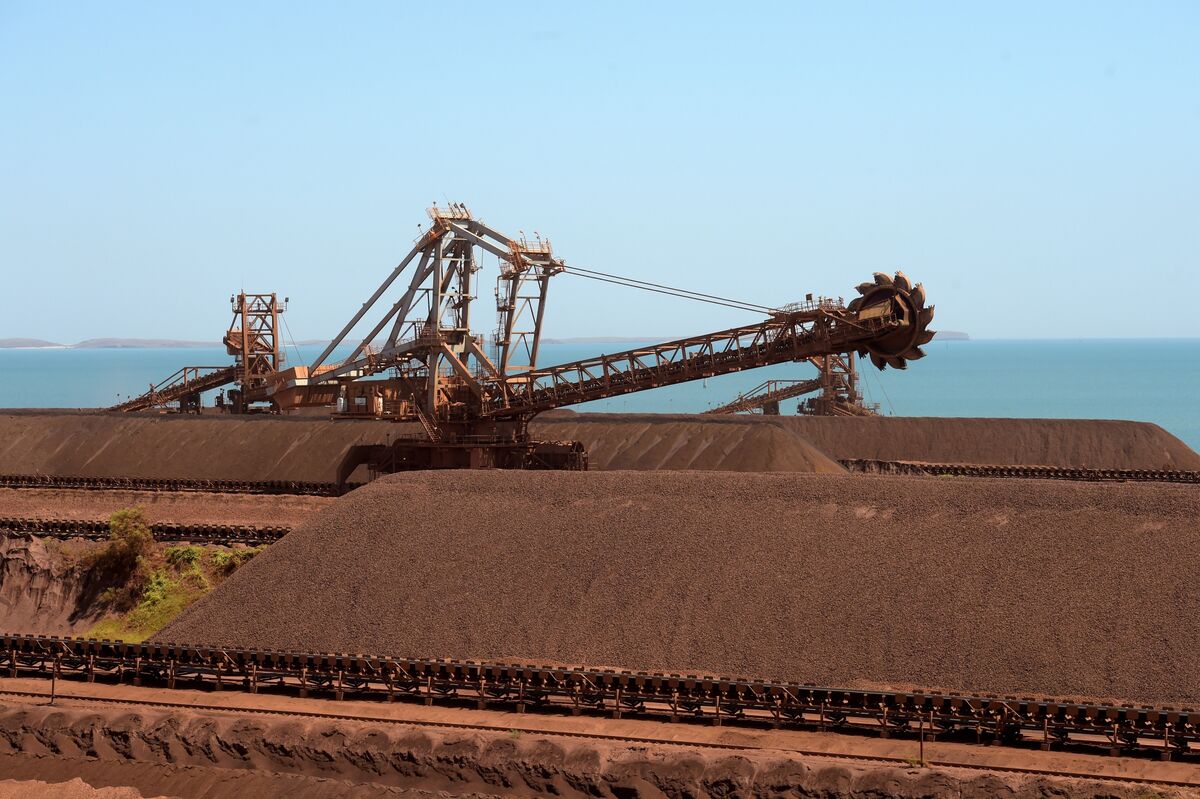
Iron ore prices hit a 10-month low due to concerns over China's property crisis, but rebounded as optimism about the country's economic recovery outweighed steel market weakness, with futures in Singapore rising 2% to above $102 a ton. Government data showed manufacturing PMI in March rose to the highest in a year, snapping a five-month contraction and beating market expectations.
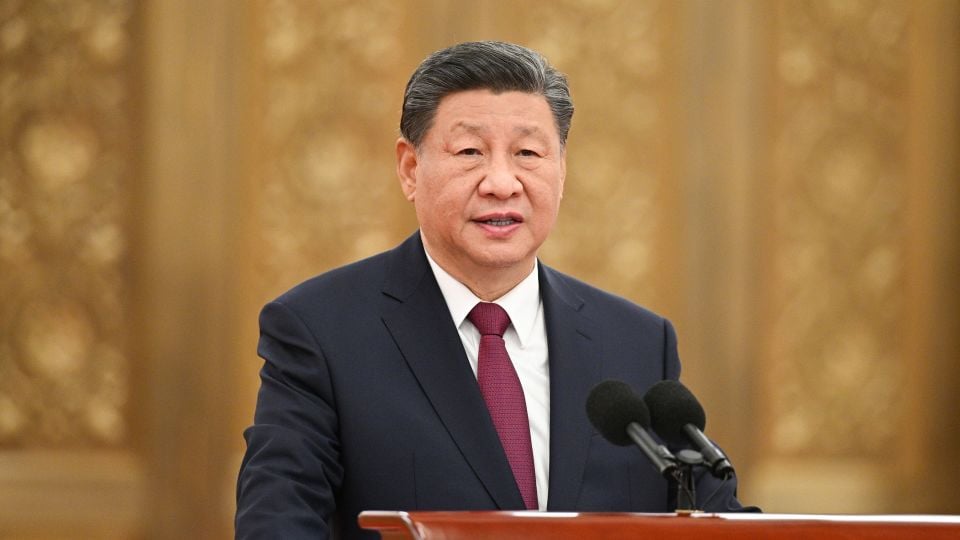
China's factory activity reached a one-year high in March, with the official manufacturing purchasing managers’ index (PMI) rising to 50.8 from 49.1 in February, indicating expanding activity. This is seen as a sign of the country's economic recovery gaining momentum, despite concerns over structural weaknesses. Chinese President Xi Jinping has reassured both domestic and overseas audiences about the soundness and sustainability of the economy, as Beijing aims to revive confidence. The non-manufacturing PMI also rose, reflecting optimism in the service and construction sectors.
European stocks closed slightly lower on Tuesday, with the Stoxx 600 index down 0.2% after reaching a 23-month high earlier in the session. Oil and gas stocks saw gains amidst Red Sea tensions, while technology stocks declined. Maersk shares rose 6% after the company suspended Red Sea shipping due to threats of Houthi attacks. Eurozone manufacturing activity continued to decline in December, suggesting a recession in Q3 of last year. In contrast, Asia-Pacific markets were mixed, with China's manufacturing PMI indicating further contraction and the need for policy support.
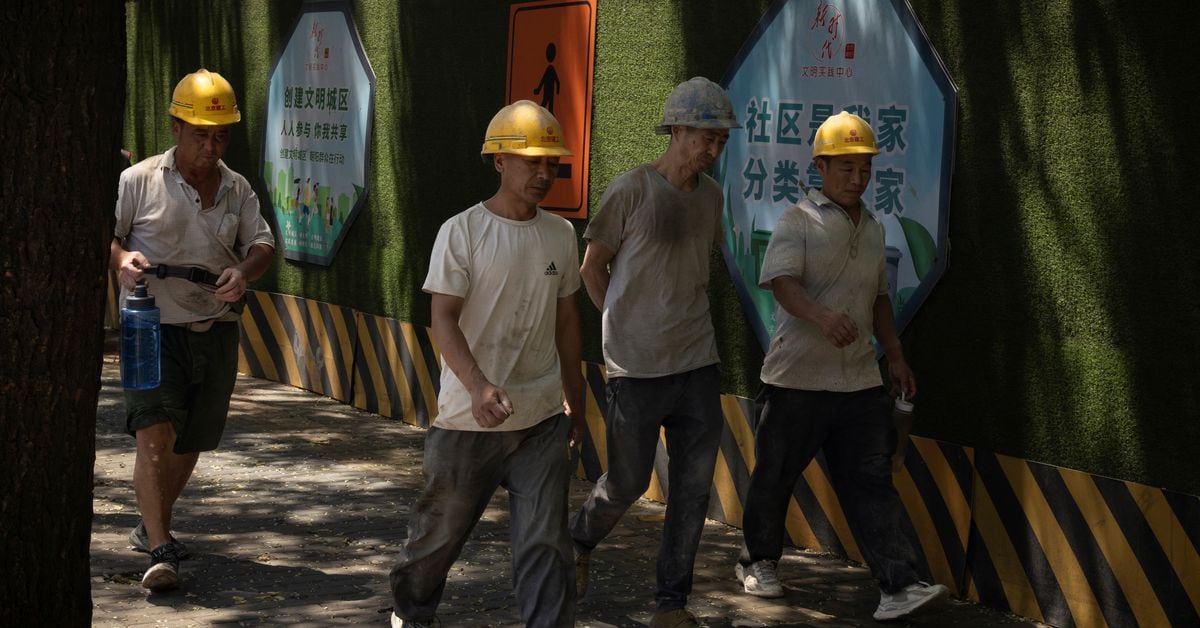
In a rare admission, Chinese President Xi Jinping acknowledged economic difficulties in his New Year's Eve speech, citing challenges faced by businesses and job seekers. This marks the first time Xi has discussed such issues in his annual address since 2013. The National Bureau of Statistics reported a decline in factory activity, with the manufacturing PMI at its lowest in six months. Amidst a broader economic slowdown, Beijing has introduced measures to stimulate growth and employment, while also taking a more statist approach to the economy. Additionally, Xi reiterated China's stance on Taiwan, emphasizing reunification ahead of Taiwan's presidential elections, and highlighted the removal of Jack Ma's control over Alipay as part of a broader crackdown on Big Tech.
Global factory activity contracted in July, with the euro zone, Japan, South Korea, and other Asian countries experiencing a decline in manufacturing activity. The downturn is attributed to slowing growth and weakness in China, which is impacting the world economy. The euro zone saw the fastest contraction in manufacturing activity since the onset of COVID-19, with notable weakness in Germany, France, and Italy. China's private PMI fell for the first time since April, while Japan, South Korea, Taiwan, and Vietnam also experienced a contraction. The challenges faced by policymakers include balancing aggressive tightening cycles to control inflation while preventing potential recessions.
Global factory activity remained in a slump in July, with private surveys showing a contraction in manufacturing activity in various regions. The slowdown in growth and weakness in China were identified as key factors impacting the world economy. The euro zone, including Germany, France, and Italy, experienced significant manufacturing contractions, while the UK also saw a decline in factory output. Asian countries such as Japan, South Korea, Taiwan, and Vietnam also faced manufacturing contractions due to sluggish Chinese demand. However, the Americas, including the US, Canada, Brazil, and Mexico, showed relative stability in factory activity, with Mexico even experiencing expansion to a seven-year high.
Oil prices rose after a US debt ceiling deal averted a default, and attention turned to the OPEC meeting. The Federal Reserve's potential pause in rate hikes also supported oil prices by weighing on the US dollar. The OPEC+ meeting is expected to discuss further output cuts, but signals have been varied. Manufacturing PMI data from the US and China indicated a contraction in activity.
Gold prices edged up after the preliminary manufacturing and service-sector sentiment data were released for May. While the US manufacturing PMI fell to 48.5, the service sector expanded with the PMI reading rising to 55.1. The US economy continued to expand in May, led by the service sector, but the manufacturing sector is struggling with over-filled warehouses and a dearth of new orders. The service sector is hiking prices, which puts upward pressure on problematic inflation.