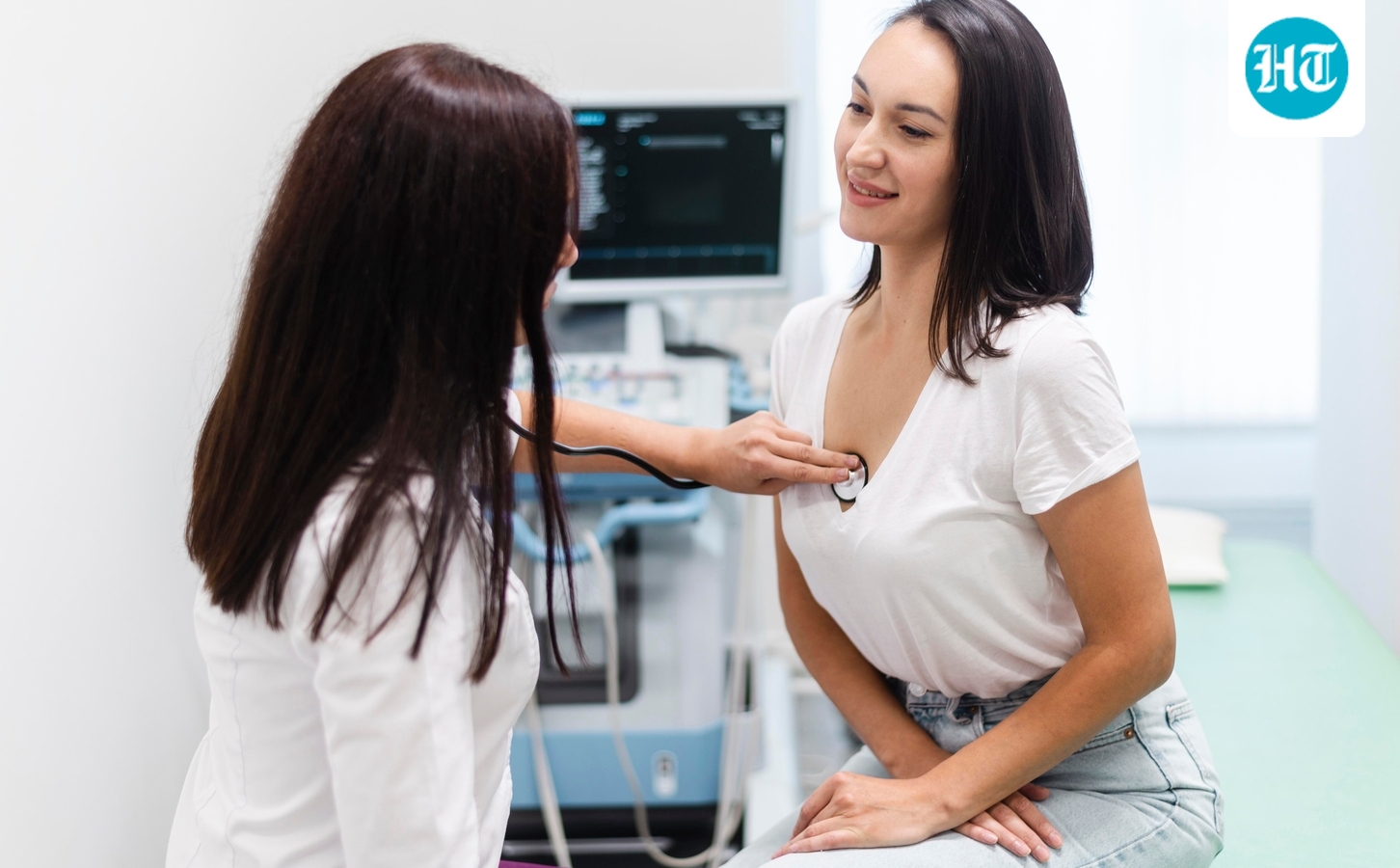
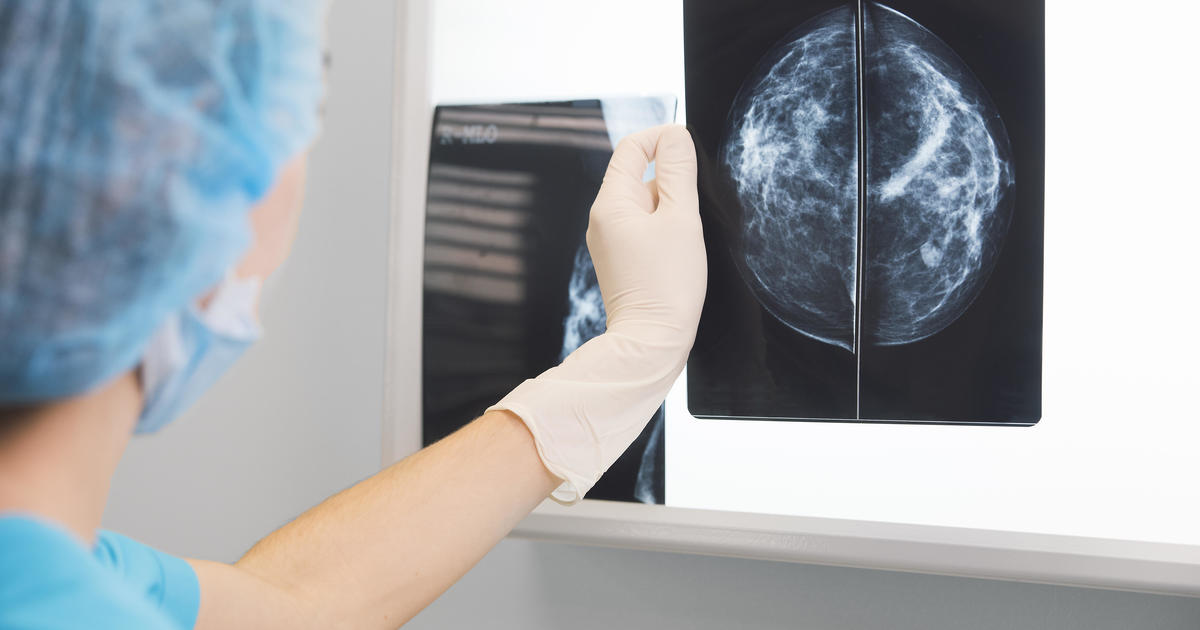
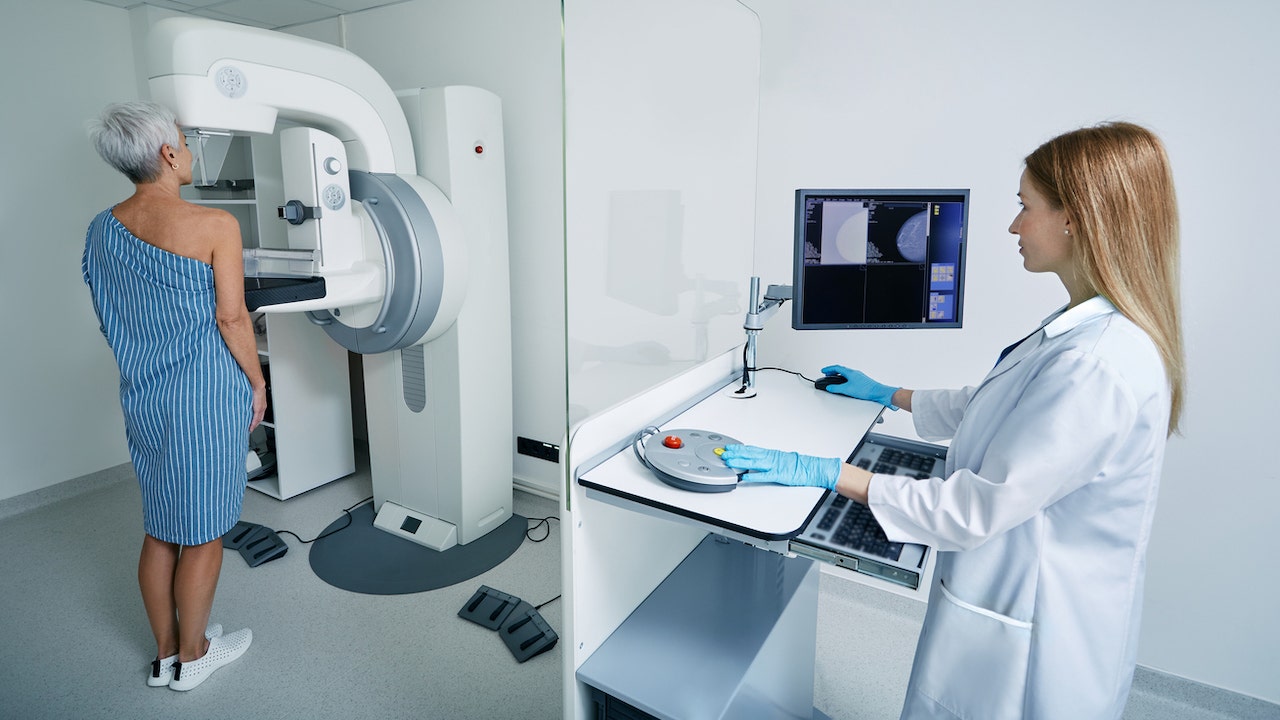
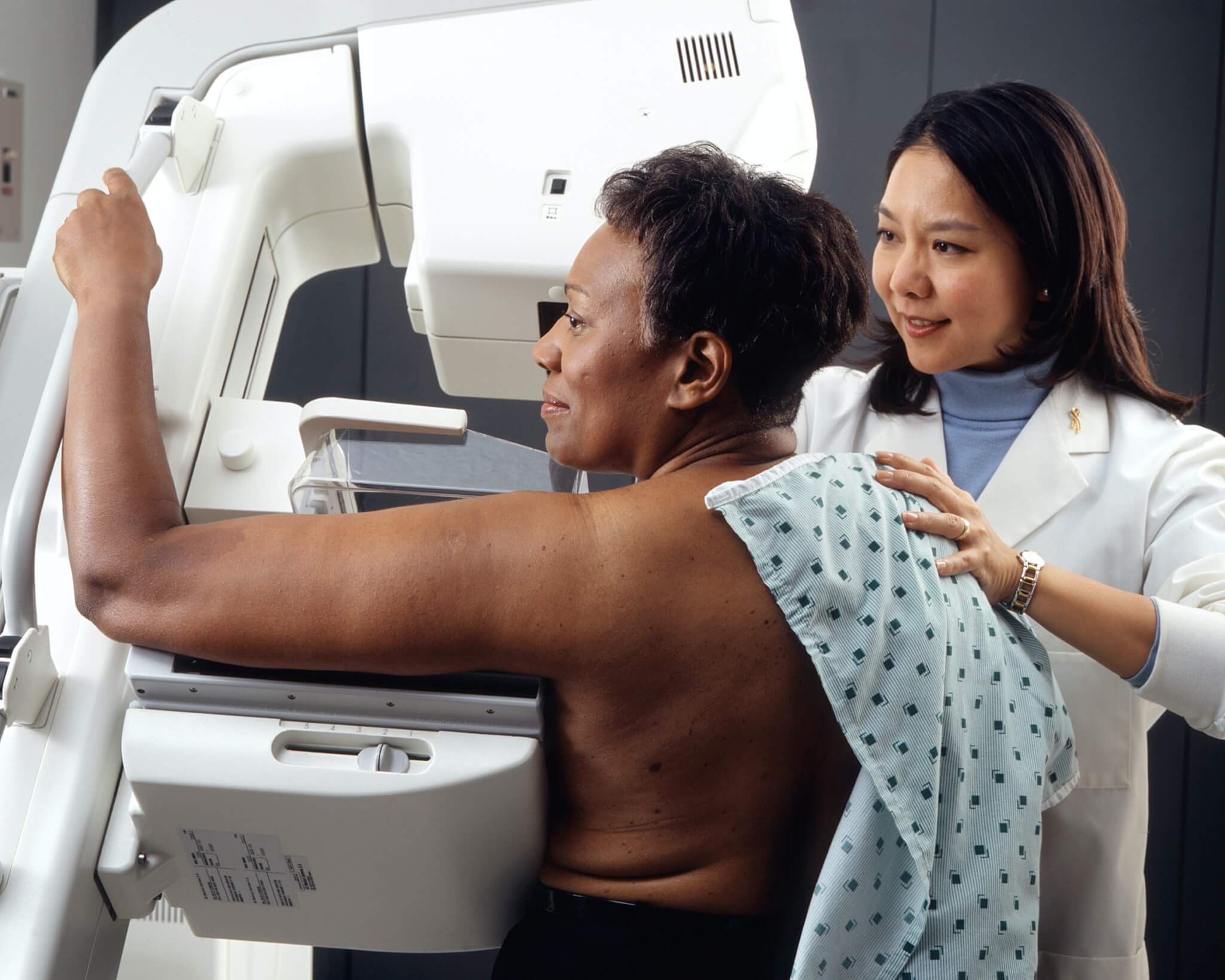
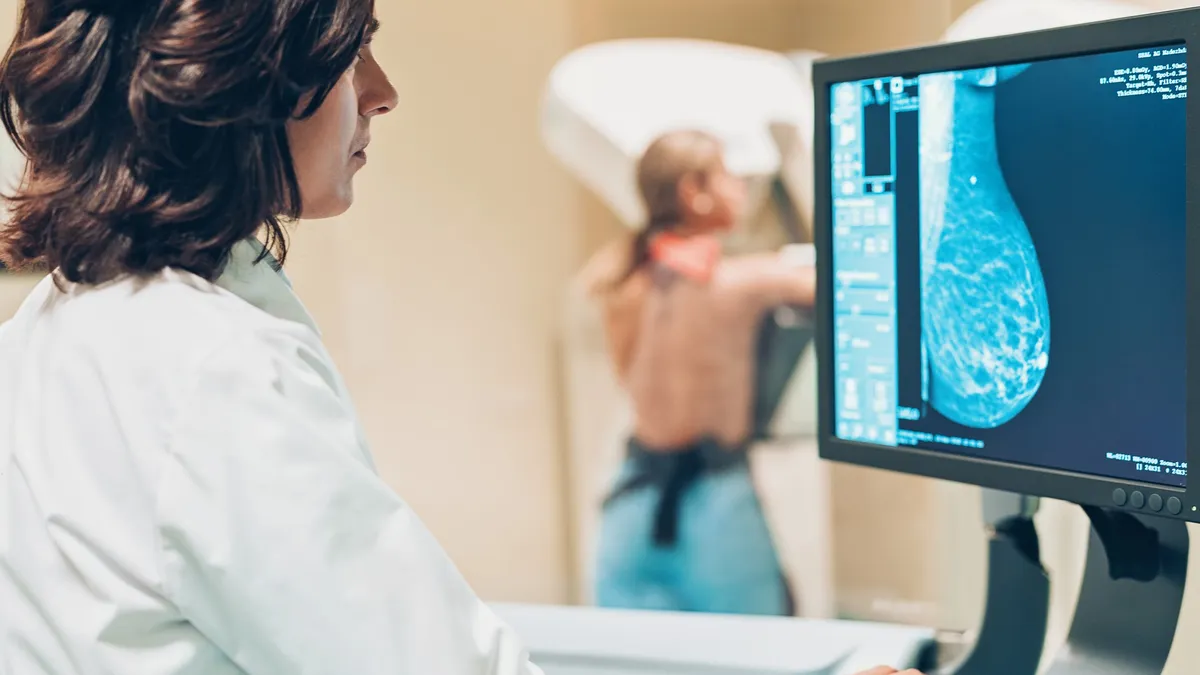
Dr. Sharma emphasizes the importance of four key cancer screening tests—mammography, Pap smear, stool test, and chest CT scan—for early detection at stage zero, which can significantly increase the chances of eradicating cancer before it spreads.
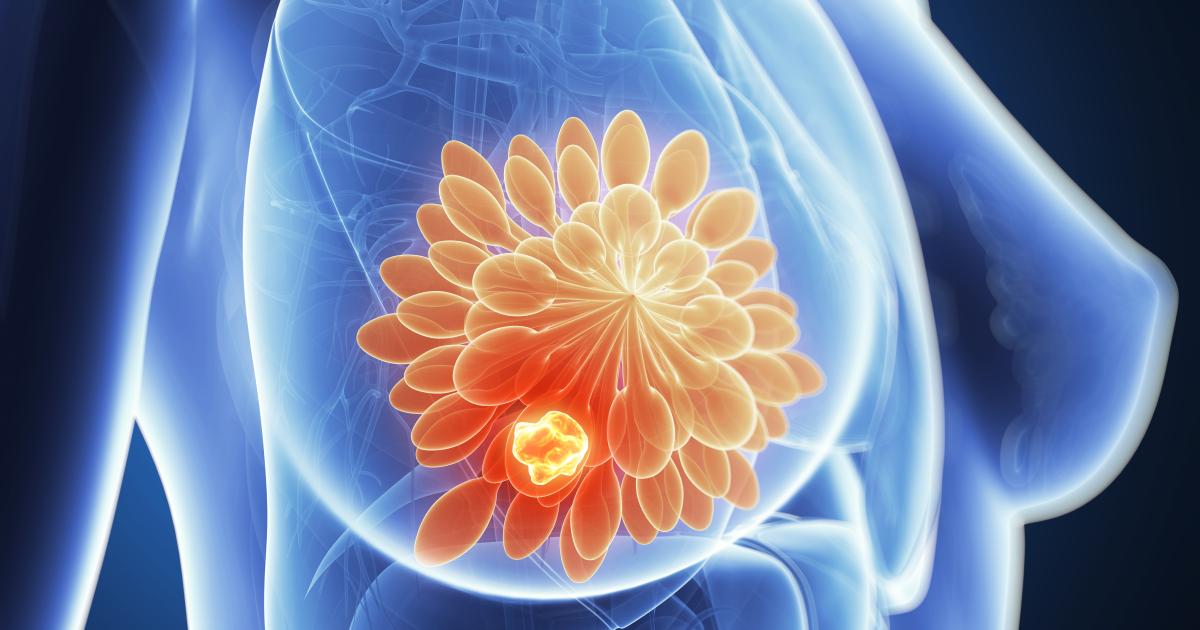
For women with dense breast tissue, 3-D mammography is the preferred screening method as it is more effective at detecting cancer than traditional mammograms. Additional screening options like ultrasounds may be considered for those at intermediate risk, while MRIs are reserved for high-risk individuals. Risk assessment tools can help determine the most appropriate screening strategy, and women should discuss their personal risk factors with their healthcare providers.
Nearly 40% of women in their 40s would delay mammography screening after learning about its potential downsides, according to a new survey. The study found that after being informed of the risks, such as overdiagnosis and false positives, more women preferred to start screening at an older age. The survey highlights the importance of understanding both the benefits and harms of mammography.
Some radiology clinics are offering patients the option to pay for artificial intelligence (AI) analysis of their mammograms, which is not covered by insurance. While AI software has the potential to improve the detection of suspicious breast masses and lead to earlier diagnoses of breast cancer, there is ambiguity regarding its individual benefit. The FDA has authorized AI products to help detect and diagnose cancer from mammograms, but there are currently no billing codes for radiologists to charge health plans for the use of AI. The cost of AI analysis raises concerns about equity and affordability, with some experts questioning the need for additional charges for a service that could be beneficial for all women.
A study published in the journal Radiology has found that artificial intelligence (AI) can predict one-third of breast cancer cases up to two years before diagnosis. The study analyzed imaging data and screening information from BreastScreen Norway exams and assigned AI risk scores to women who were later diagnosed with breast cancer. The results showed that more than 38% of screening-detected and interval cancers scored a 10 for AI risk preceding a breast cancer diagnosis. While the study is considered a significant advancement in early detection, experts caution that AI should complement, rather than replace, the expertise of medical professionals.
Doctors no longer recommend breast self-exams as a preventive measure against breast cancer deaths, as studies have shown no reduction in mortality rates and evidence of harm, such as unnecessary invasive biopsies. However, it is still important for individuals to familiarize themselves with their breasts and be aware of any changes. Regular screening mammography starting at age 40 is recommended, as it has been shown to reduce mortality. For those under 40, identifying and screening those at higher risk is an ongoing area of research. Risk factors that can be changed include quitting smoking, being physically active, and reducing alcohol consumption. It is important to discuss individual risk factors with a healthcare provider to determine if earlier evaluation is necessary.
A study conducted by Swedish researchers suggests that radiologists assisted by artificial intelligence (AI) are more effective at detecting breast cancer than two radiologists working together. The study compared the performance of radiologists working with AI to that of human radiologists in screening mammograms from over 55,000 women. The addition of AI to the screening process resulted in a four percent increase in breast cancer detection and reduced false positives, potentially improving accuracy and reducing unnecessary imaging and biopsies. The researchers believe that AI has the potential to take over the majority of screening mammography assessments in the future.
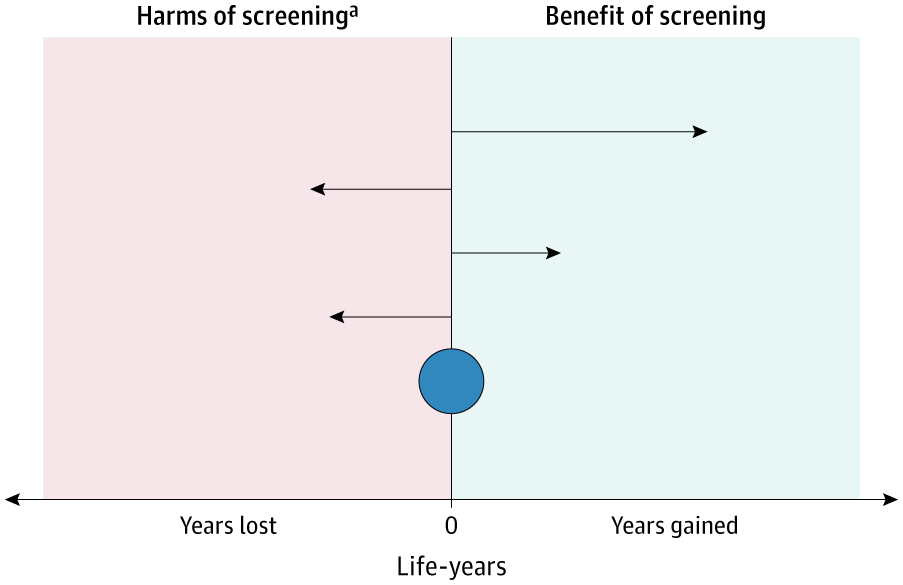
Breast imaging experts have criticized a recent study published in JAMA Internal Medicine, calling it "invalid" and "specious." The study evaluated the impact of various cancer screening tests on life-days gained and reported that mammography led to zero days gained, while CT lung cancer screening led to 107 days gained on average. Experts pointed out flaws in the study's design, including the failure to assess the impact of screening participation and the use of all-cause mortality as an inappropriate study approach. They emphasized the importance of developing better ways to detect breast cancer and reducing breast cancer-related deaths through screening programs.
A meta-analysis of 18 long-term randomized clinical trials involving 2.1 million individuals found that colorectal cancer screening with sigmoidoscopy may extend life by approximately 3 months. However, fecal testing, mammography screening, and prostate-specific antigen testing did not significantly prolong life. Lung cancer screening using computed tomography showed a potential extension of 107 days, but estimates were uncertain. Overall, the findings suggest that the lifetime gain from commonly used cancer screening tests, except for colorectal cancer screening with sigmoidoscopy, is unlikely or uncertain.
The world's largest trial of its kind has found that the use of artificial intelligence (AI) in breast cancer screening is safe and can significantly reduce the workload of radiologists. The study compared AI-supported screening with standard care and found that AI screening was as effective as two radiologists working together, did not increase false positives, and reduced the workload of radiologists by almost half. The interim analysis concluded that AI-supported mammography screening is safe and could help address the shortage of radiologists. However, further research is needed to assess the impact on patient outcomes and cost-effectiveness. The final trial results are expected in the coming years.
Two women's tragic mental health problems take a surprising turn after doctors discovered an underlying autoimmune disease causing their psychiatric symptoms. Treatment helped both emerge from psychosis, and the story explores how new discoveries around inflammation and autoimmune conditions are changing how psychiatry diagnoses and treats mental illness. Additionally, new advice for women's health includes updated mammography screening recommendations, the potential benefits of removing tubes during gynecological surgery, and the increased cancer risks associated with ultra-processed foods.
Blind and partially-sighted women in India are conducting breast cancer screenings with incredible accuracy using their amplified sense of touch. Only 1% of women in India undergo mammography due to the high cost and limited number of radiologists. These women, trained in tactile breast examinations, can catch lumps as small as 6-8mm, less than the 10-20mm lumps that many physicians without a visual impairment can find during examinations.
Researchers at the Larner College of Medicine at The University of Vermont have discovered that the loosened breast cancer screening guidelines have led to a decline in mammography screening rates for every age group of women, including those aged 50-74 who are at the highest risk of developing breast cancer. The unintended consequences of the revised guidelines were termed a "spillover effect" by the researchers. Vermont had the second steepest decline in screenings of any state for all three age groups of women.
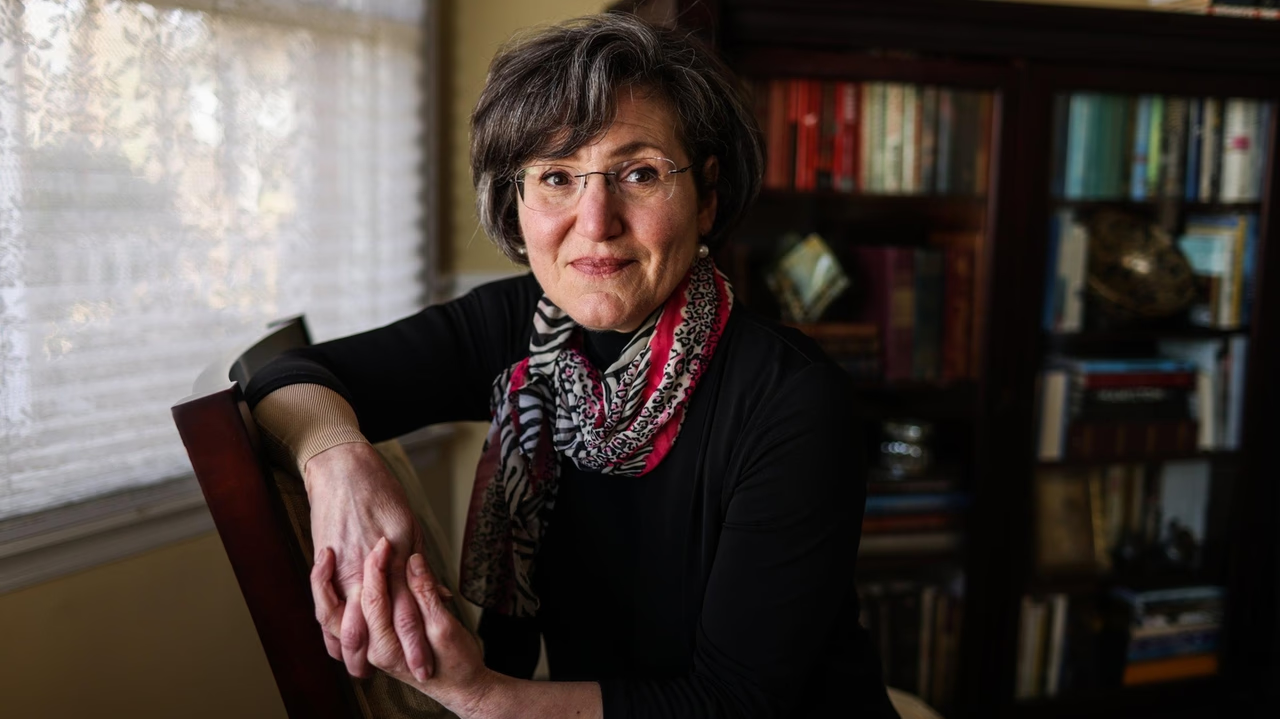
Breast cancer survivor JoAnn Pushkin successfully lobbied for regulations at the state and federal level that inform women if they have dense breasts and recommend they speak with their doctors about next steps. The U.S. Food and Drug Administration updated its mammography regulations, requiring facilities to notify patients about the density of their breasts. Pushkin said this change could help women all over the U.S. get additional breast cancer screenings that will help detect tumors not picked up by mammograms. Pushkin's next goal is a federal law that would require health insurance plans to cover screening and diagnostic breast imaging with no out-of-pocket costs for women with dense breasts or at higher risk of breast cancer.