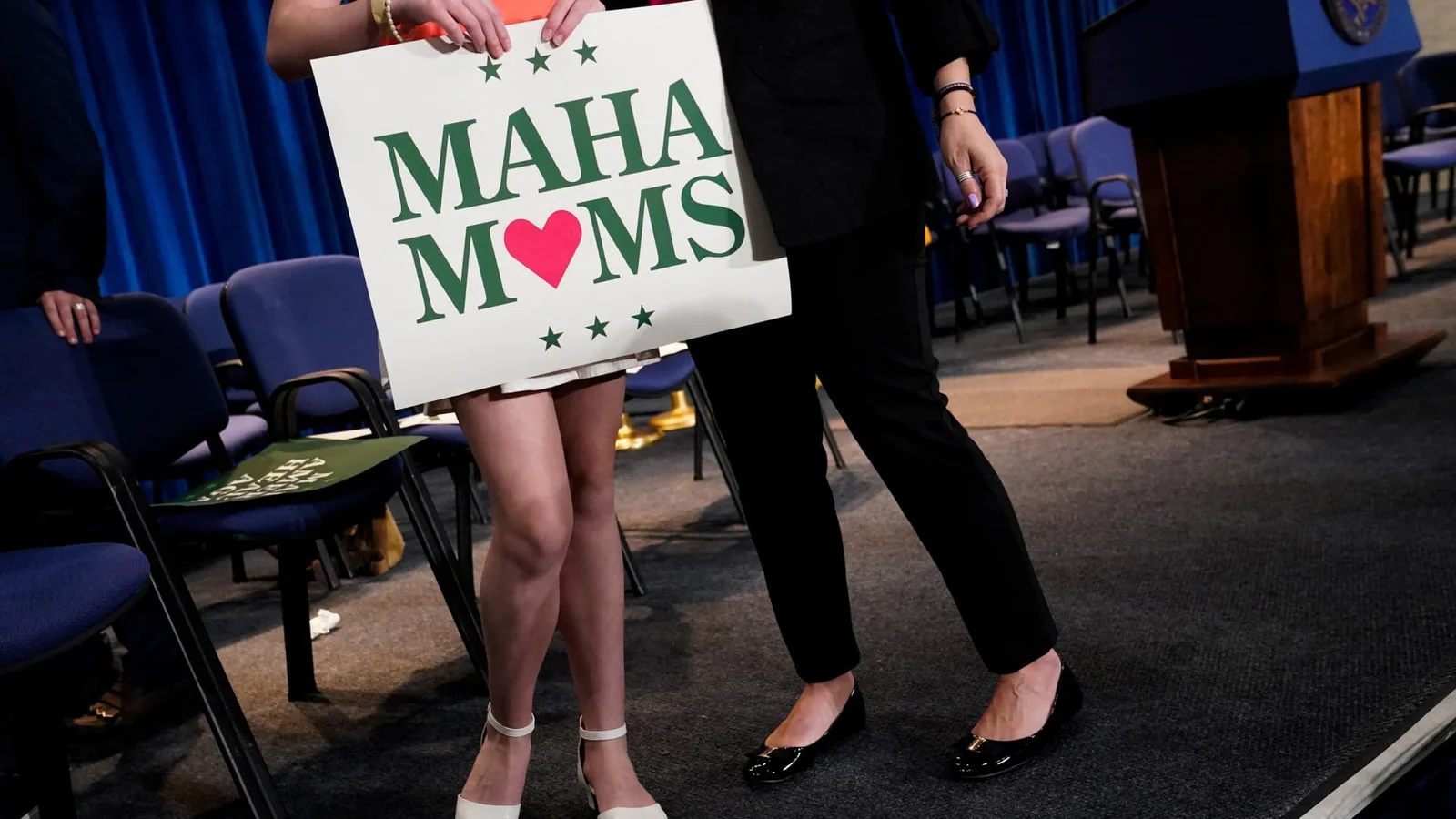
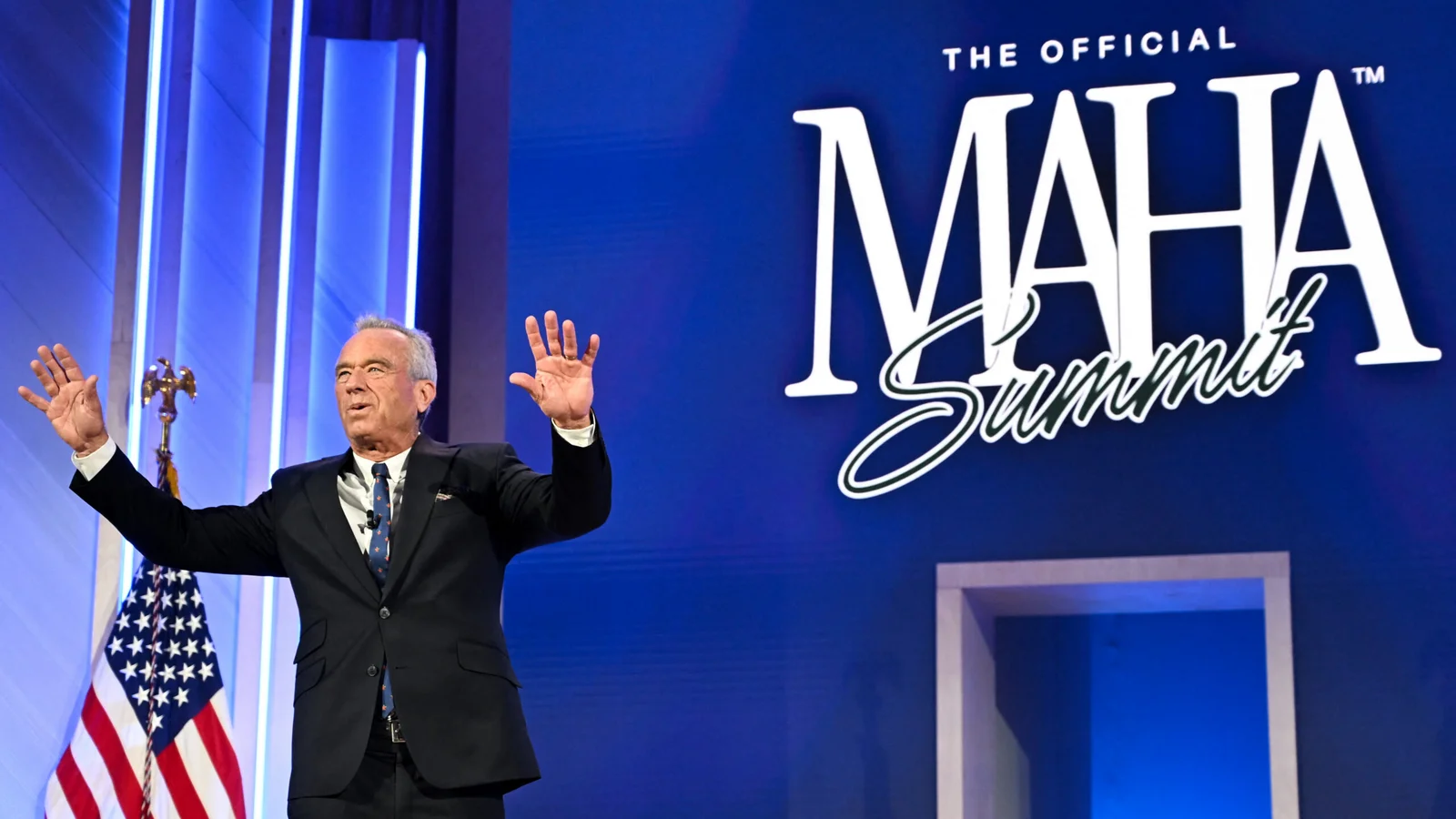
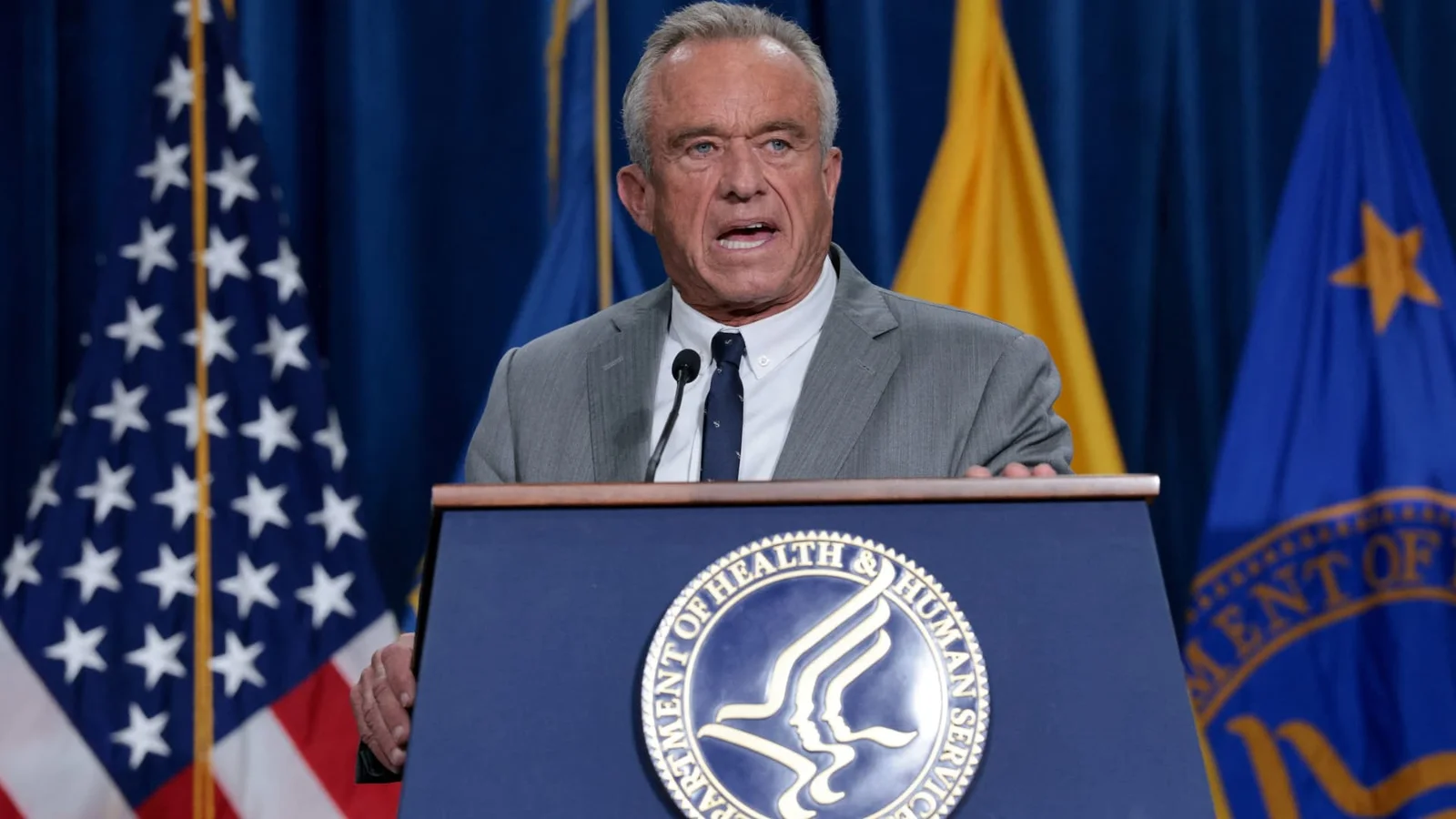
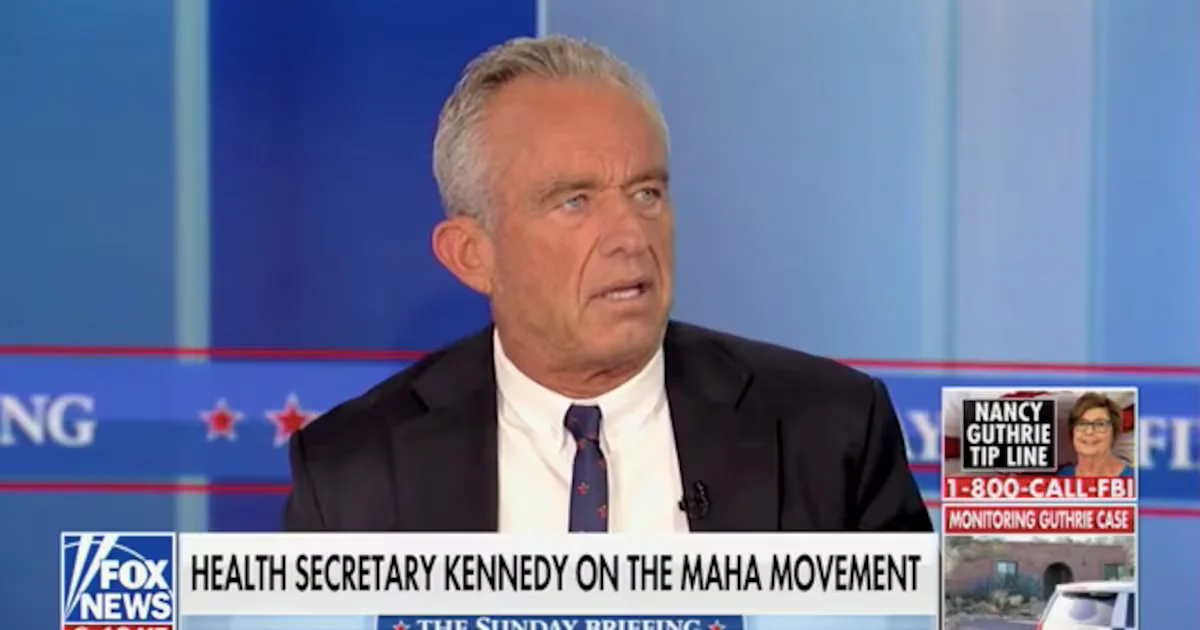
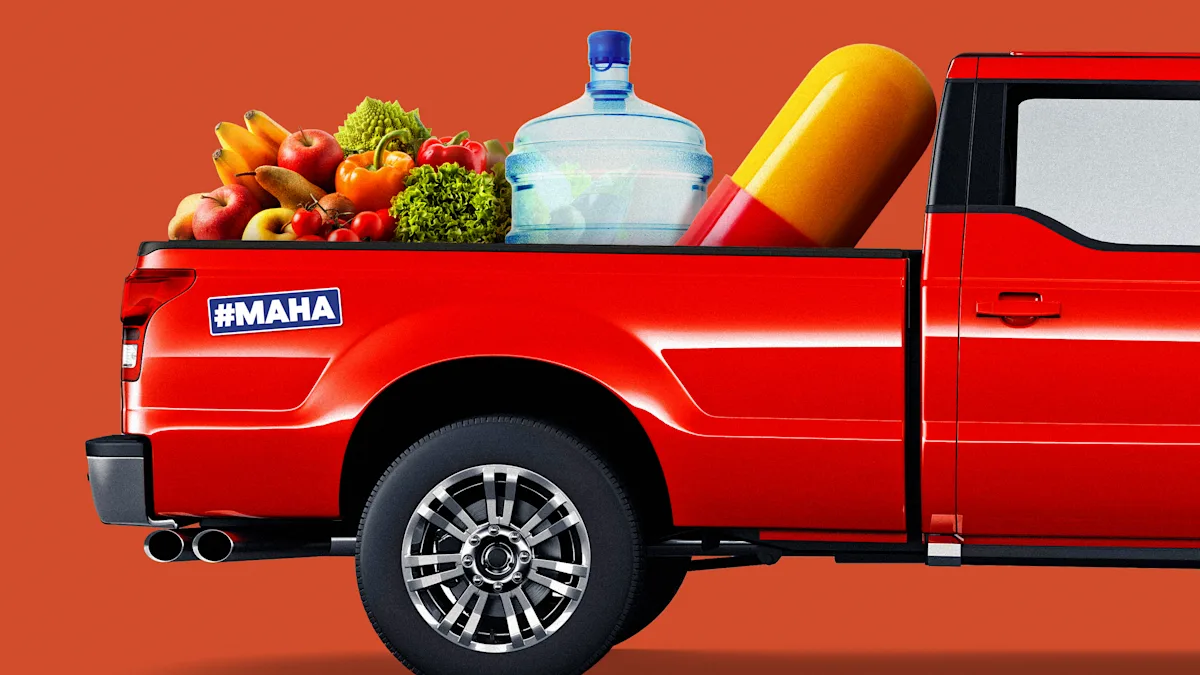
President Trump’s executive order to boost domestic glyphosate production triggers backlash from the Make America Healthy Again movement, risking erosion of his base and giving Democrats a talking-point on health and chemical issues ahead of midterm elections, as Kennedy’s role and broader pesticide debates complicate MAHA’s influence.
U.S. anxiety medication use has climbed to about 38 million adults by 2024, with SSRIs like Lexapro, Prozac, and Zoloft considered frontline treatments. The increase coincides with MAHA’s push to critique medications and promote diet, exercise, and therapy, fueling a broader debate about safety and access. Medical professionals emphasize the benefits and manageable side effects for many patients, noting telehealth and social pressures help drive uptake—especially among young adults, women, and LGBTQ+ individuals—while cautioning against long-term benzodiazepine use and acknowledging concerns about non-prescribed access.
Health Secretary RFK Jr. endorsed a Trump-backed executive order to ramp up domestic production of glyphosate-based herbicides and related phosphorus supplies, arguing it would secure food production and reduce dependence on adversarial nations, even as he has long warned about cancer risks from these chemicals. The stance provoked anger among MAHA supporters who fear he’s compromising his principles, while Bayer and others press for liability shields amid ongoing Roundup litigation.
Two years into RFK Jr.’s tenure as health secretary, the White House is dialing back his anti-vaccine and anti-chemical push in favor of nutrition guidance and drug-pricing deals, while leaning on farm and pharmaceutical interests—illustrated by a glyphosate production order and leadership reshuffles—as it recalibrates ahead of the midterms.
RFK Jr., now US health secretary, publicly backs Trump’s order to boost domestic glyphosate production under the Defense Production Act, a move that provokes a swift revolt within the MAHA movement which has long opposed glyphosate. Critics accuse Kennedy of breaking a core pledge to put health over corporate power, triggering resignations and warnings of electoral consequences as activists and allies question the movement’s credibility and leadership.
Make America Healthy Again activists (MAHA) furious over Trump’s executive order to boost glyphosate production, a move seen as siding with pesticide-makers and threatening health-focused momentum ahead of the midterms. Republicans and allies face poll-driven pressure as White House argues the order is about domestic food security and national security, while critics say it prioritizes industry profits. The controversy unfolds amid legal and regulatory complexities around glyphosate and industry settlements, complicating the political landscape for candidates tied to the MAHA agenda.
Health and Human Services Secretary Robert F. Kennedy Jr. defended President Trump’s Defense Production Act order to boost domestic glyphosate production, while the Make America Healthy Again coalition that helped Trump’s 2024 win grapples with the move as midterm pressures mount; the policy argues glyphosate and elemental phosphorus are vital for agriculture and national security, even as critics warn it undermines MAHA’s pledges against the chemical.
RFK Jr., sworn in as Trump’s health secretary, launched the Make America Healthy Again commission to tackle children’s health and nutrition, but faces fierce pushback from farmers, Republicans, and industry groups. The May report singled out ultraprocessed foods and pesticides like glyphosate, triggering lobbying pressure and tense meetings with lawmakers; subsequent reports largely avoided pesticides to mollify allies. Kennedy’s vaccine-policy moves—reducing recommended vaccines and reshaping FDA oversight—have sparked lawsuits, partisan based pushback, and leadership upheaval within HHS and FDA, signaling that much of his agenda may be rolled back by future administrations or Congress. The result is a precarious balance: impactful but reversible policy wins amid a deep partisan rift over public health, industry influence, and regulatory reform.
RFK Jr., a proponent of a carnivore diet and MAHA’s health push, revealed his Super Bowl snack would be yogurt instead of wings, prompting social-media roasts calling him “medieval” and out of touch, while the piece notes his effort to steer Americans toward his diet and his inability to sway Trump from fast food.
Robert F. Kennedy Jr.'s Make America Healthy Again movement is shaping health policy and personal habits among Republicans in Washington, with Heritage Foundation launching RAW initiatives and staffers embracing wellness tech and diet changes—reflecting a broader shift toward non-pharma approaches even as vaccination debates continue.
RFK Jr.’s anti‑corporate stance on food, chemicals, and vaccines is upending traditional GOP industry loyalties and forging an unlikely alliance with consumer plaintiffs’ lawyers who see new mass‑tort opportunities in his MAHA agenda; his vaccine policy moves and push to reassess vaccine liability could energize lawsuits against pharma and agribusiness while industry groups warn this risks higher costs and broader consequences for public health, as seen in high‑profile Roundup litigation and related court activity.
The article discusses the challenges and potential impacts of Kennedy's MAHA initiative in 2026, focusing on issues like drug pricing for GLP-1 medications, dietary guideline reforms, and rural health programs, highlighting both opportunities and concerns for public health improvements.
The article explores the MAHA movement among men, emphasizing self-care, physicality, and a return to traditional masculinity, while highlighting the movement's blend of nostalgia, skepticism of modern medicine, and interest in biohacking and technology. It discusses how MAHA appeals to men's desire for control and physical strength, and the potential risks and benefits of their health practices.
RFK Jr. has integrated animal welfare into his Make America Healthy Again plan, advocating for the development of high-tech, non-animal testing methods to better understand and treat chronic diseases, with support from the NIH and political figures across the spectrum, despite some scientific and conservative opposition.
Ben Carson, former HUD secretary, has been appointed as the USDA's chief spokesperson on nutrition, rural health care, and housing to support the Trump administration's Make America Healthy Again (MAHA) agenda, focusing on improving diets and updating dietary guidelines.