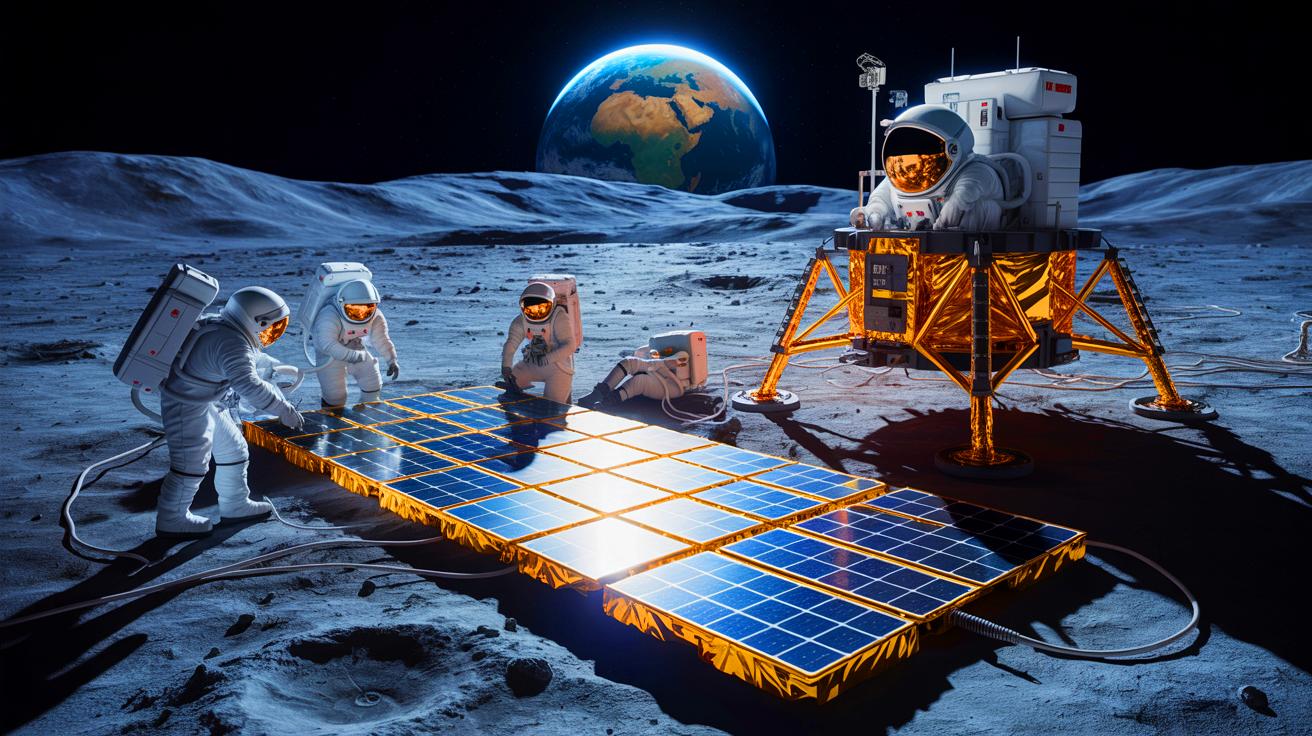
German scientists have developed a solar cell using lunar dust, called moonglass, which could enable self-sustaining lunar colonies by producing electricity directly on the Moon, reducing reliance on Earth resources and revolutionizing space exploration.
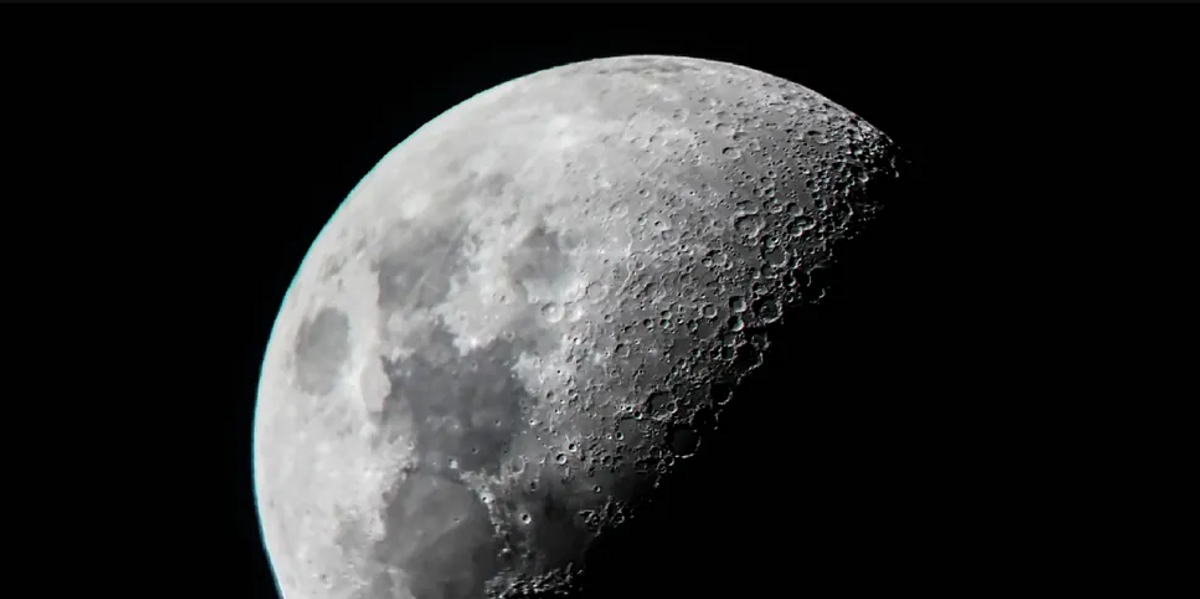
The moon is slowly shrinking due to its cooling interior and Earth's gravitational influence, causing significant lunar tremors known as "moonquakes" that could pose a seismic hazard to future human colonists, particularly near the lunar south pole. These moonquakes are a result of the moon's gradual decrease in size, and could potentially cause strong ground shaking and landslides, posing a threat to lunar settlements. Future lunar bases may need to be strategically located or designed to withstand such events, similar to earthquake-resistant structures on Earth. While the severity of the threat posed by moonquakes is still debated, preparing for potential lunar seismic activity is crucial for the safety of astronauts and infrastructure during future missions, such as NASA's Artemis mission.
The European Space Agency has released a simulation depicting a potential lunar settlement at the Shackleton crater near the moon's south pole, featuring four-storey pods, indoor plants, and astronauts conducting experiments. India recently became the first country to land near the lunar south pole, while a private US company's attempt to land on the moon ended in failure. Despite these setbacks, the vision of a village on the moon may still be a possibility in the future.
NASA plans to establish a lunar outpost and explore Mars, requiring the inclusion of animals in space ecosystems to perform vital tasks. While there's little consensus on which animals should colonize space, simpler animals like insects, crustaceans, fish, and possibly mice are considered more robust for space settlements. Insects and crustaceans could provide important services and serve as efficient food sources, while fish are seen as a high-protein, low-waste food source. Tardigrades, known for their ability to endure extreme conditions, are being considered for lunar colonization and could provide insights into withstanding radiation in space. However, the altered gravity on Mars and the moon poses a major challenge for animal development, and space colonization remains a distant goal with numerous engineering challenges.