Recent discoveries of 41 new landslides on the moon, primarily caused by moonquakes, challenge the belief that the moon is geologically inactive, with significant implications for future lunar exploration and safety planning.
NASA scientists are developing methods to estimate moonquake frequency and magnitude by analyzing surface features and faults on the Moon, using data from the Lunar Reconnaissance Orbiter and Apollo samples, to better understand seismic risks for upcoming lunar missions, especially in the south polar region.
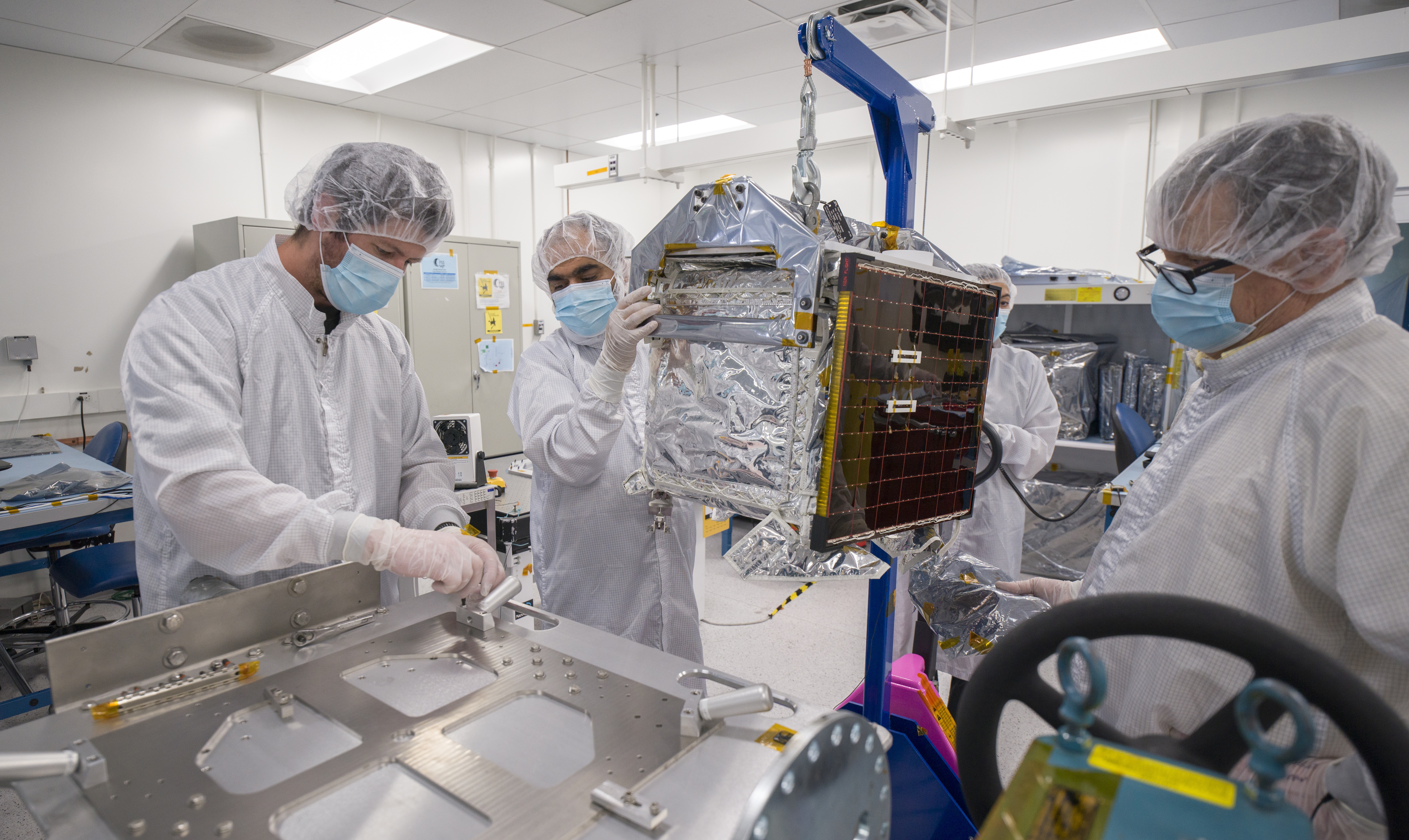
NASA is set to deploy the Farside Seismic Suite (FSS), featuring two advanced seismometers adapted from the InSight Mars mission, to the Moon's far side in 2026. This mission aims to provide the first seismic data from the Moon's far side and enhance understanding of lunar and planetary formation. The FSS will be delivered by a lunar lander under NASA's CLPS initiative and will operate for at least 4½ months, offering insights into the Moon's internal activity and structure.
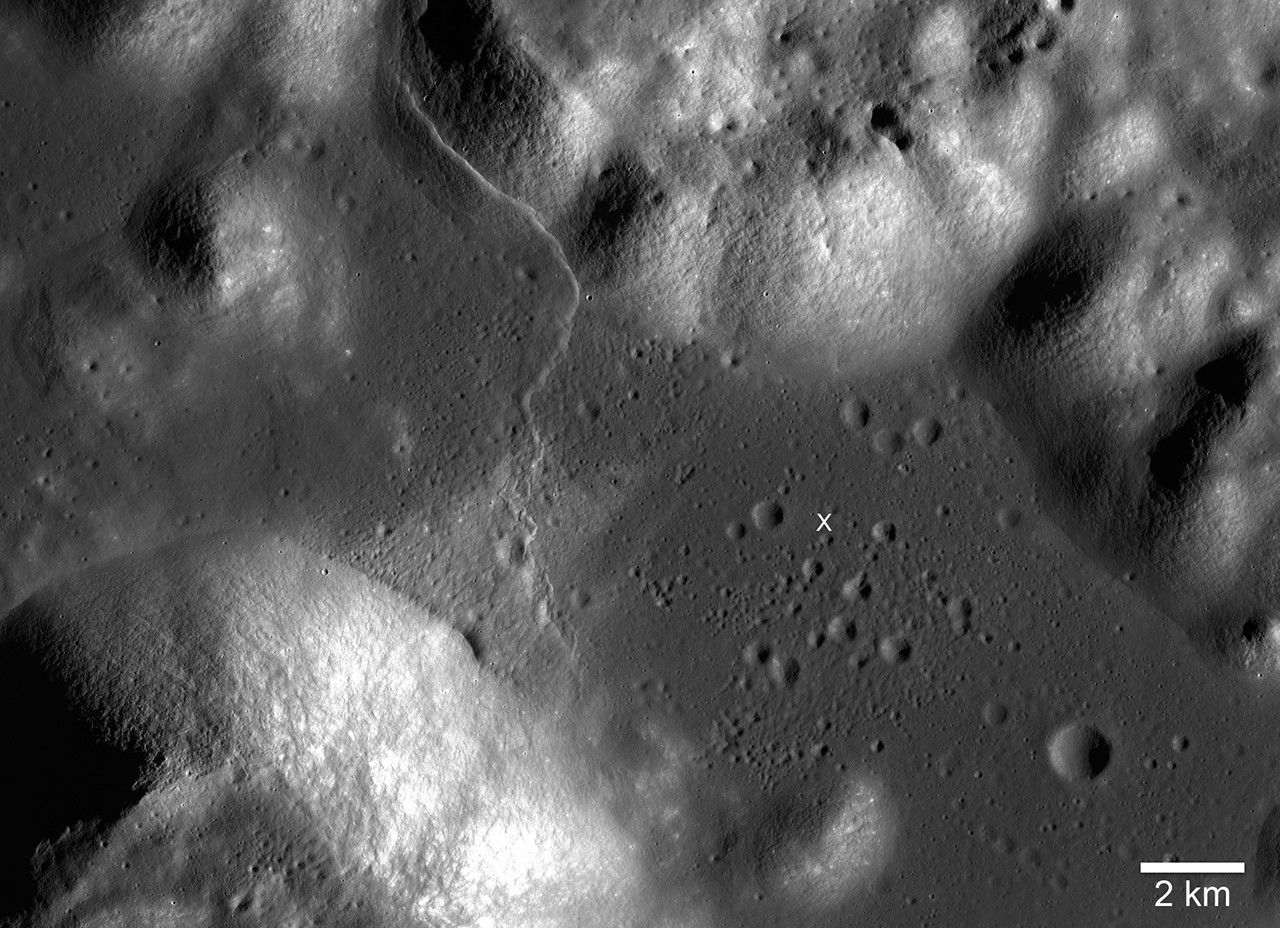
The Moon is slowly shrinking, leading to potential landslides and quakes near the lunar South Pole, a concern for future NASA missions. A recent study suggests that shallow moonquakes could result from slip events on existing faults or the formation of new thrust faults, emphasizing the need to consider the stability of future lunar outposts. The research, focusing on tectonic activity near the Moon's South Pole, analyzed imagery from the Lunar Reconnaissance Orbiter and Apollo mission seismometer recordings, providing valuable insights for planning future Moon landings and lunar bases.
The moon is slowly shrinking due to its cooling interior and Earth's gravitational influence, causing significant lunar tremors known as "moonquakes" that could pose a seismic hazard to future human colonists, particularly near the lunar south pole. These moonquakes are a result of the moon's gradual decrease in size, and could potentially cause strong ground shaking and landslides, posing a threat to lunar settlements. Future lunar bases may need to be strategically located or designed to withstand such events, similar to earthquake-resistant structures on Earth. While the severity of the threat posed by moonquakes is still debated, preparing for potential lunar seismic activity is crucial for the safety of astronauts and infrastructure during future missions, such as NASA's Artemis mission.
New Nasa-funded research reveals that the moon is shrinking, leading to the formation of thrust faults and causing hours-long moonquakes and landslides, particularly in the lunar south pole region. This poses potential risks for future human and robotic exploration, especially as Nasa plans its Artemis III crewed moon mission for 2026. The study emphasizes the need to consider the moon's changing surface when planning permanent outposts and warns that the moon is not as benign as it may seem.
The Moon's shrinking size is causing significant seismic activity near the lunar south pole, jeopardizing potential landing sites for future manned missions and outposts. The area, targeted for its water deposits, has experienced strong moonquakes, posing threats to personnel and settlements. The Moon's contraction, driven by its hot, molten core and tidal forces from Earth, leads to the formation of thrust faults and moonquakes. This tectonic activity raises concerns for the stability of future lunar outposts and the safety of human presence on the Moon.
Research shows that the moon is shrinking, with the south polar region experiencing the effects of this phenomenon, potentially impacting lunar missions. Moonquakes and faults in this area could pose challenges for future manned missions, despite the potential for frozen water in the craters that could aid future missions. While the shrinking moon may not have an immediate impact on Earth, it could affect long-term plans for human presence on the moon, although the slow pace of the shrinkage means it is unlikely to be noticeable in our lifetime.
A research team believes it has found Amelia Earhart’s twin-engine plane deep beneath the Pacific Ocean using sonar imaging, potentially adding a new chapter to her mysterious disappearance. Meanwhile, the moon is experiencing shrinking and moonquakes, making the lunar south pole a risky place for astronauts, and new drone footage may have revealed the first newborn great white shark in the wild. Additionally, complete tree fossils resembling palms were discovered in Canada, and the James Webb Space Telescope captured stunning images of 19 galaxies, providing new insights into star formation and galactic evolution.
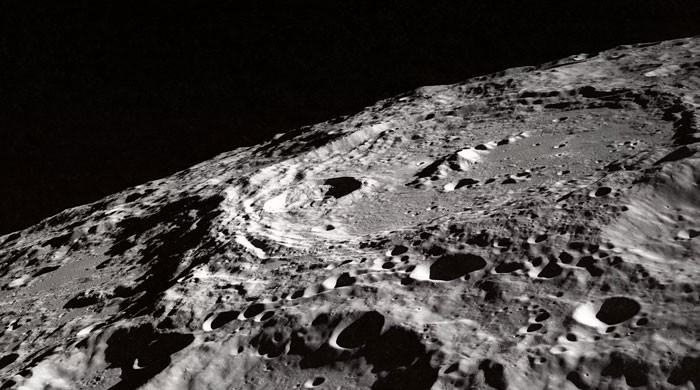
New research reveals that the Moon is gradually shrinking due to its cooling interior, causing the surface to wrinkle and form cliffs known as thrust faults, indicating ongoing tectonic activity and potential seismic hazards. This discovery challenges the previous notion of the Moon as geologically dormant and has implications for future lunar missions, requiring careful planning and risk assessment. Understanding the Moon's tectonic features and moonquakes is crucial for ensuring the safety of astronauts and lunar bases, while also providing unique scientific opportunities to study the Moon's interior structure and thermal evolution.
A new study reveals that moonquakes in the moon's south pole, where NASA's Artemis III mission plans to land astronauts, could pose a risk from landslides, potentially threatening future lunar settlements. As the moon continues to shrink, creating new thrust faults, scientists warn that planning the location and stability of permanent outposts on the moon should consider this seismic activity. NASA's mission timelines have already been affected, with the Artemis II mission pushed back to September 2025, and the agency's aspirations for a permanent base at the moon's south pole facing potential delays due to recent setbacks.
New research funded by NASA suggests that the moon's core cooling and shrinking is causing its surface to develop creases, leading to "moonquakes" and landslides, potentially posing a threat to future human settlers and equipment in the lunar south pole region. Despite the moon's appearance as a geologically dead object, it is still seismically active due to its hot interior, with faults and landslides being detected. While the findings will not affect the Artemis III mission, they could impact long-term human presence on the moon, prompting the need for more data and consideration of geographic characteristics. Moonquakes, though potentially problematic for future manned missions, are seen as an opportunity to study the moon's interior structure and present-day activity.
New research funded by NASA suggests that the moon's core cooling and shrinking is causing its surface to develop creases, leading to "moonquakes" and landslides, potentially posing a threat to future human settlers and equipment in the lunar south pole region. Despite the moon's appearance as a geologically dead object, it is still seismically active due to its hot interior, with faults and landslides being detected. While the findings will not affect the Artemis III landing region selection process, they could impact long-term human presence on the moon, prompting the need for more data and consideration of geographic characteristics. Moonquakes are seen as an opportunity for scientific study, providing insight into the moon's interior structure and present-day activity.
A study suggests that the moon's shrinking and seismic activity could lead to increased landslides, posing risks to future astronauts near fault zones. The moon's surface, composed of loose sediment from asteroid and comet collisions, is susceptible to shaking and landslides. NASA plans to launch its first crewed flight to the moon in over five decades as part of the Artemis mission in late 2024, prompting researchers to identify dangerous locations for future human exploration.
New research funded by NASA has found that the moon's core cooling and shrinking is causing its surface to develop creases and moonquakes, potentially posing a threat to future human settlers and equipment in the lunar south pole region. Despite the moon's appearance, it remains seismically active due to its hot interior, with the strongest recorded moonquake equivalent to a magnitude 5.0 on Earth. While these findings won't affect the Artemis III landing region selection process, they highlight the need for more data and caution for future manned missions to the moon.