Intel's upcoming Lunar Lake processor, set for release by the end of 2024, promises significant improvements over its predecessor, Meteor Lake. Built on TSMC's 3nm node, it offers 14% faster CPU performance, 50% better graphics, and up to 60% improved battery life. Key changes include integrated LPDDR5X RAM, a new core configuration with "Lion Cove" P cores and "Skymont" E cores, and enhanced AI capabilities. The processor supports advanced connectivity options like PCI-Express 5, Thunderbolt 4, and Wi-Fi 7.
Intel's next-generation Lunar Lake CPUs, including the Core Ultra 7 268V, were showcased at Computex 2024. The final silicon features 8 cores, 8 Xe2 GPUs, and an NPU4, with clock speeds nearing 5 GHz. Engineering samples with lower specs were also seen. Additionally, Intel's AI DevKit based on the Lunar Lake platform was introduced, designed to support future CPUs like Panther Lake and Nova Lake. The Lunar Lake CPUs are set to launch in Q3 2024.
Intel has unveiled its new Lunar Lake chips at Computex, designed to enhance AI capabilities for Microsoft's Copilot+ PCs and to compete with AMD in the data center market. These chips promise improved power efficiency, faster GPU performance, and better memory access, aiming to power thin and light laptops by the 2024 holiday season. Intel also introduced new server and AI chips, including the Gaudi 3, which are priced competitively to challenge both AMD and Nvidia.
Intel has unveiled its upcoming Lunar Lake SoC, featuring new Lion Cove P-cores, Skymont E-cores, Xe2-LPG graphics, and the NPU 4 for enhanced AI performance. Built by TSMC using N3E and N6 processes, Lunar Lake aims to optimize power efficiency and performance, leveraging Intel's Thread Director and advanced power management systems. The SoC includes up to 32 GB of LPDDR5X memory and is set for a Q3 2024 launch, targeting the mobile market with a focus on AI and power efficiency.
Intel has unveiled details about its upcoming Lunar Lake CPUs, set to compete with AMD, Qualcomm, and Apple. These processors will feature a neural processing unit (NPU) to meet Microsoft's Copilot+ PC requirements, upgraded P-cores and E-cores, a next-gen GPU architecture, and integrated RAM for improved efficiency. Lunar Lake simplifies some of the complex design elements of its predecessor, Meteor Lake, and is expected to be available in Q3 2024.
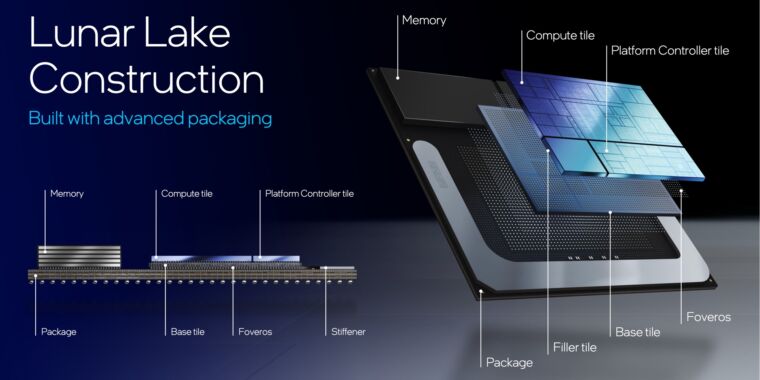
Intel's new Lunar Lake SOC, featuring Lion Cove P-Cores and Skymont E-Cores, promises significant performance and efficiency improvements. The architecture includes advanced packaging technologies, on-package memory, and a new Xe2 GPU. The Lion Cove P-Cores offer a 14% IPC gain, while the Skymont E-Cores provide up to 68% better floating-point performance. The SOC also integrates Intel's NPU 4 for enhanced AI capabilities and supports Wi-Fi 7 and Thunderbolt 4. The Lunar Lake chips are expected to launch in Q3 2024, with wider availability in Q4.
A leaked Intel Lunar Lake CPU sample reveals an early 8-core, 8-thread configuration with more L2 cache than L3, featuring a base clock of 1.80 GHz and a boost clock of 2.80 GHz. The CPU is expected to be part of Intel's Core Ultra platform for thin and light notebooks, with a release later this year. The Lunar Lake CPUs will be powered by two major core architectures, Lion Cove P-Cores and Skymont E-Cores, and are anticipated to offer significant performance gains in both CPU and GPU capabilities.
Intel's upcoming Lunar Lake processors are rumored to integrate Samsung's LPDDR5X DRAM chips, potentially improving performance, reducing space requirements, and enhancing battery life in laptops. This move could position Intel to compete more effectively with Apple and Qualcomm, but it also means that memory cannot be upgraded later. Samsung stands to benefit significantly from this reported deal, although it remains uncertain if they will be the sole supplier of LPDDR5X DRAM chips to Intel. Intel's 7nm Meteor Lake processors have already shown improved power efficiency, and the upcoming Lunar Lake chips, expected to launch by the end of 2024, are anticipated to offer even higher power efficiency gains with onboard DRAM made using Intel's 2nm process.
Intel's upcoming low-power Arrow Lake-U CPUs are set to provide a more affordable alternative to the Lunar Lake chips, targeting thin and light designs. Expected to be released in 2025, the Arrow Lake lineup will utilize Intel's 3 process node, offering a 10% performance/watt improvement compared to the Meteor Lake-U. Positioned as a cheaper option for mainstream and high-end CPU segments, the Arrow Lake CPUs will compete with AMD's Zen 5 "Strix Point", Qualcomm's Snapdragon X Elite, and Apple's next-gen SOCs upon release.
Early benchmarks of Intel's upcoming Lunar Lake and Arrow Lake iGPUs have been leaked, showing the Battlemage "Xe2" iGPU for Lunar Lake to be almost 2x faster than the Alchemist iGPUs in Meteor Lake and Lunar Lake chips, and outclassing the Arc A310 graphics card. The Lunar Lake iGPU also ends up 26% faster than the Meteor Lake iGPU, and it is ahead of the Arc A310 graphics card with a 25% lead. These chips are expected to be delivered in the second half of 2024, with the Lunar Lake CPUs designed for thin and light laptops and the Arrow Lake CPUs potentially targeting high-end gaming designs.
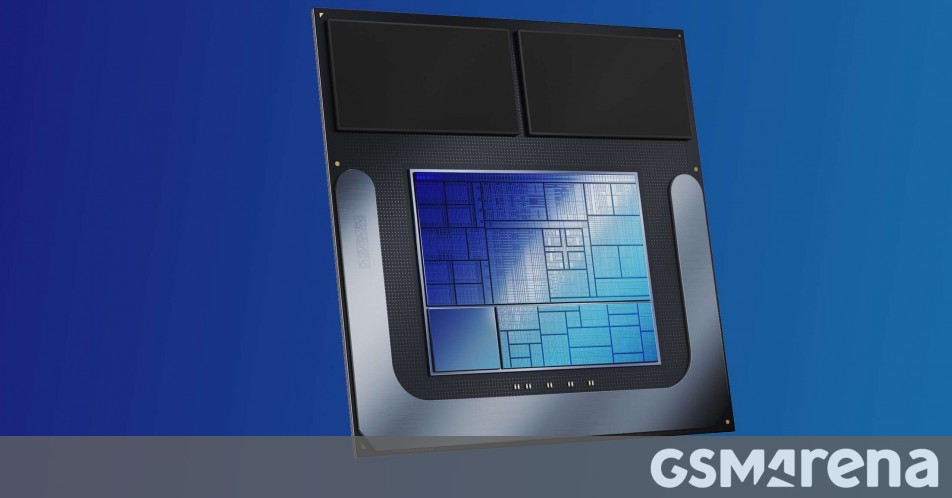
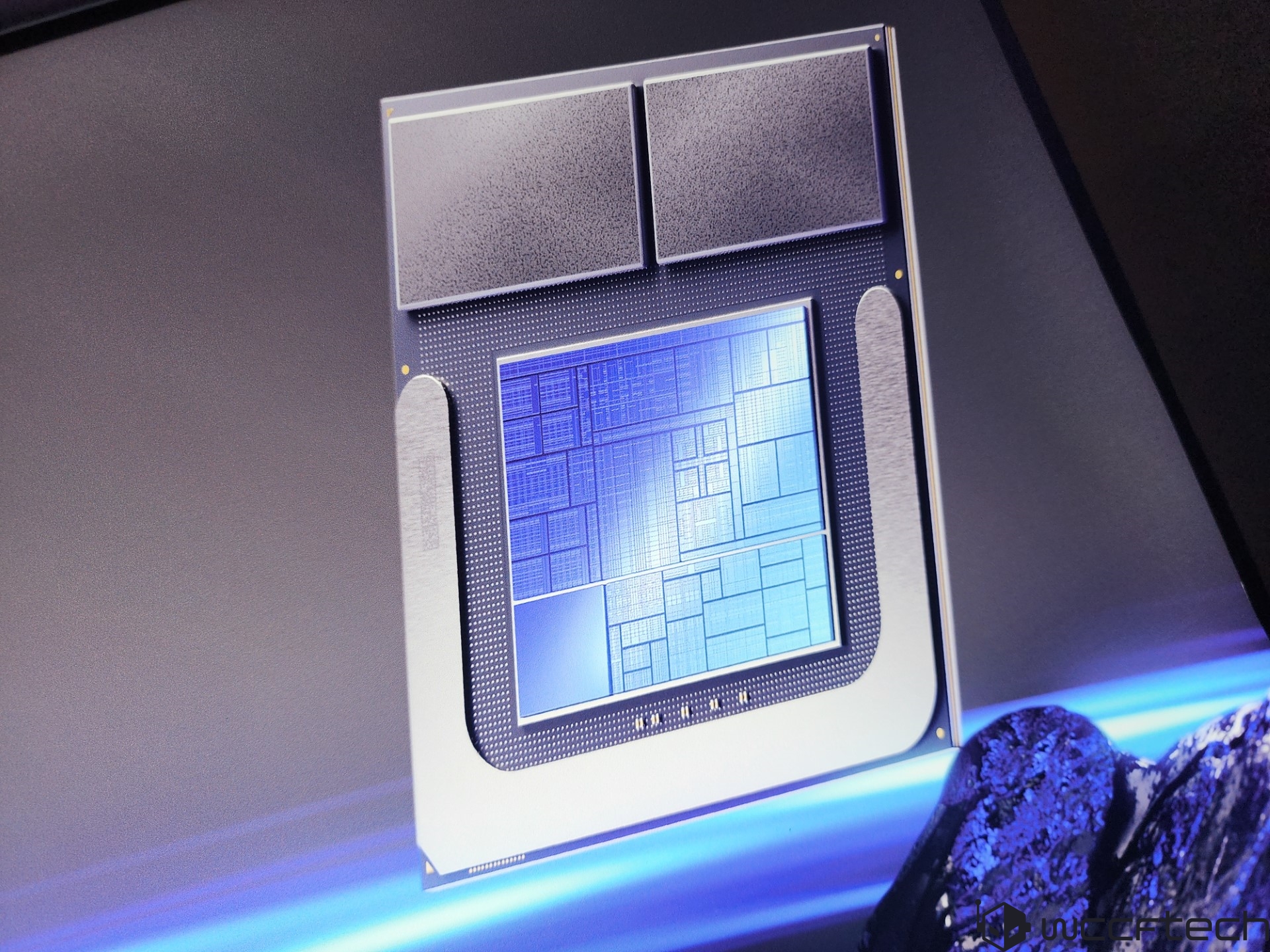
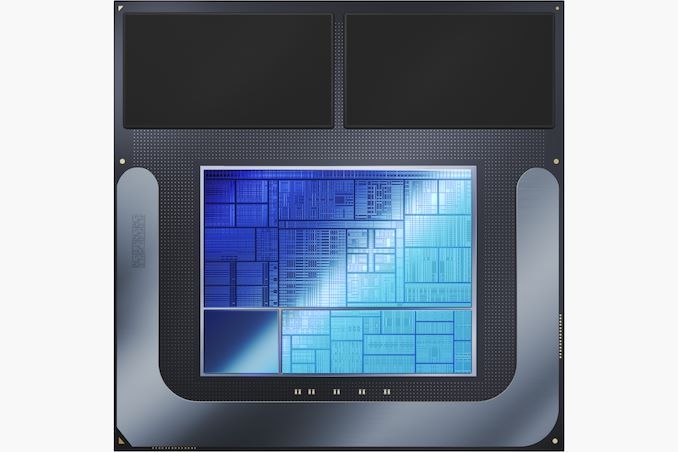
During Intel's CES keynote, EVP Michelle Johnston Holthaus briefly showcased a finished Lunar Lake chip, hinting at the upcoming next-gen mobile CPU's use of on-package memory, a first for Intel's Core chips. The chip features two DRAM packages, promising significant IPC improvements for the CPU core and three-times the AI performance for the GPU and NPU. While specific details on Lunar Lake remain scarce, Intel aims to launch it in 2024, demonstrating ongoing progress and innovation in the realm of mobile computing.
Intel is set to release its next-gen Arrow Lake gaming CPUs with AI accelerators later this fall, following up with the Lunar Lake CPUs in 2024, which promise significant IPC and NPU improvements. The Arrow Lake CPUs will target the gaming segment and feature AI accelerators, while the Lunar Lake CPUs will offer a new CPU core architecture and over 3X faster NPU performance. These chips will cater to high-end and mainstream platforms, replacing existing Raptor Lake and Meteor Lake CPUs, and will be deployed in desktops and notebooks.
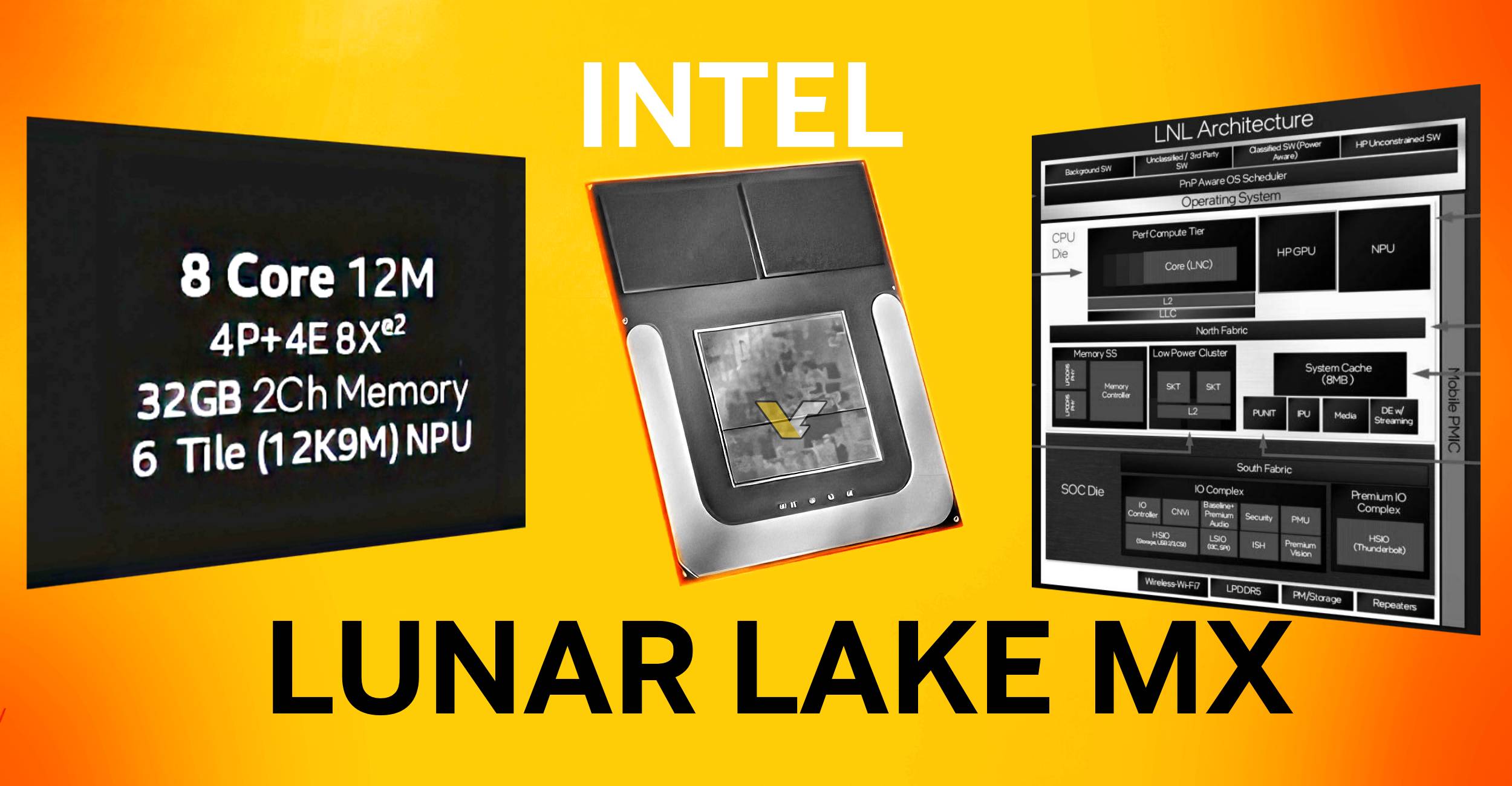
Intel's upcoming low-power architecture, Lunar Lake, has been leaked, revealing details about the CPU and GPU cores. The Lunar Lake MX series will feature 4P-Cores and 4 E-Cores, along with 8 Xe2 "Battlemage" GPU cores. The architecture will support a next-gen integrated NPU 4.0 and Xe2-LPG graphics. The CPU tile will be manufactured using TSMC N3B process technology. The Lunar Lake MX series is expected to debut in 2024.