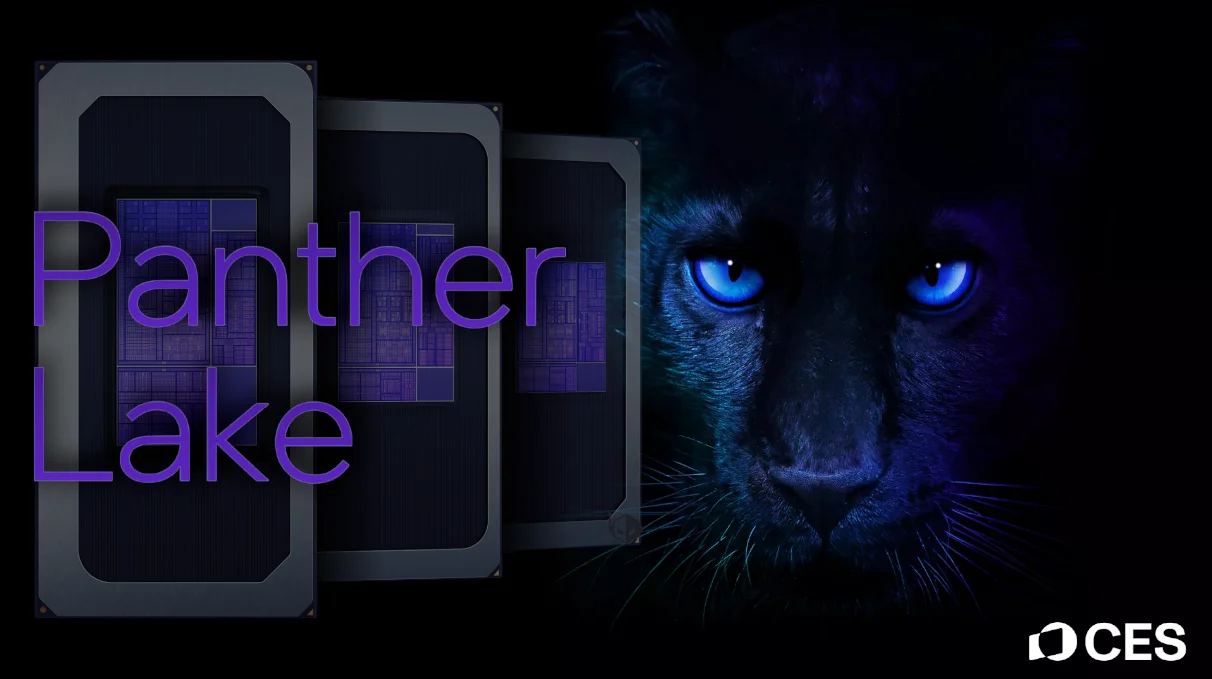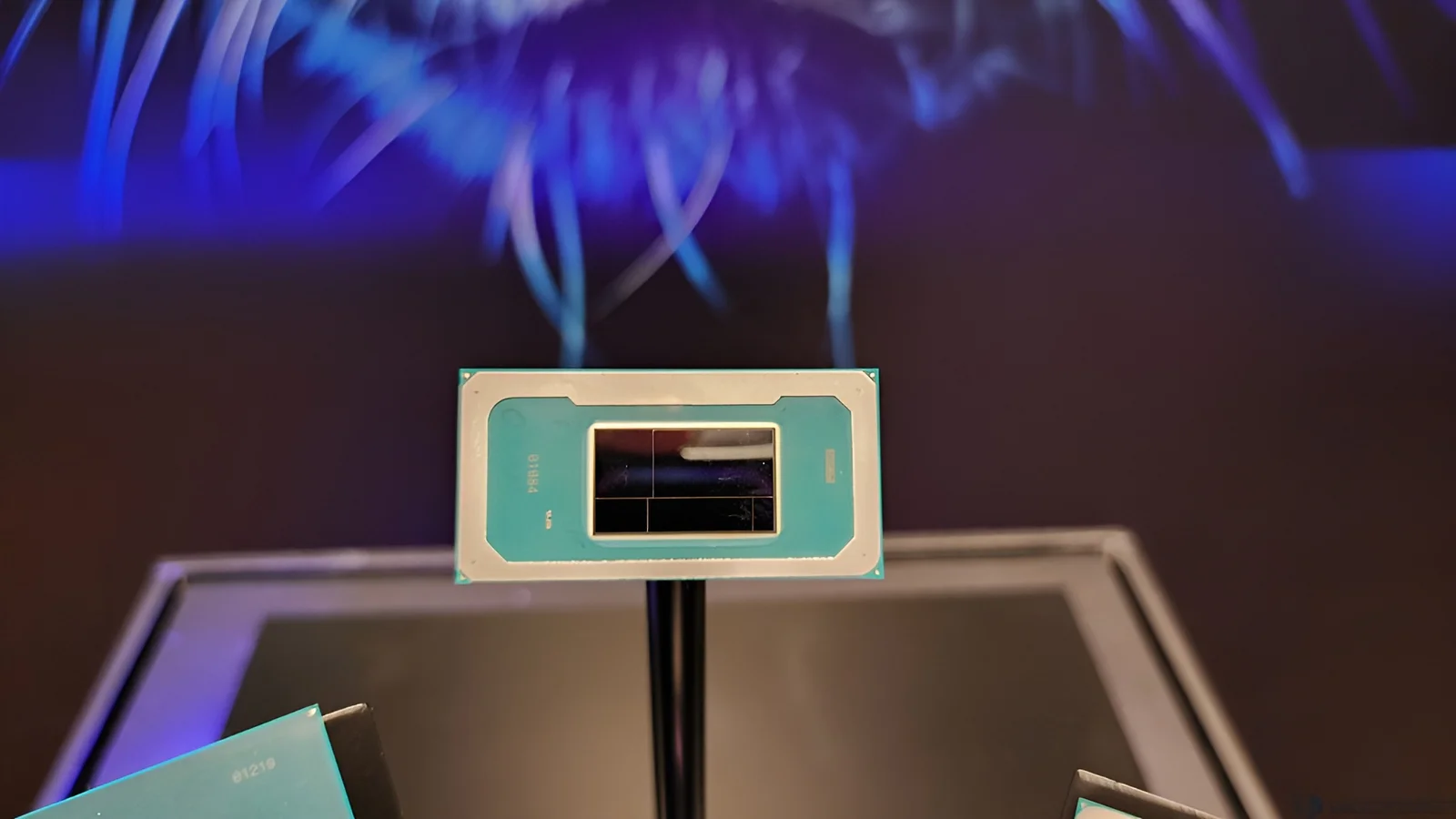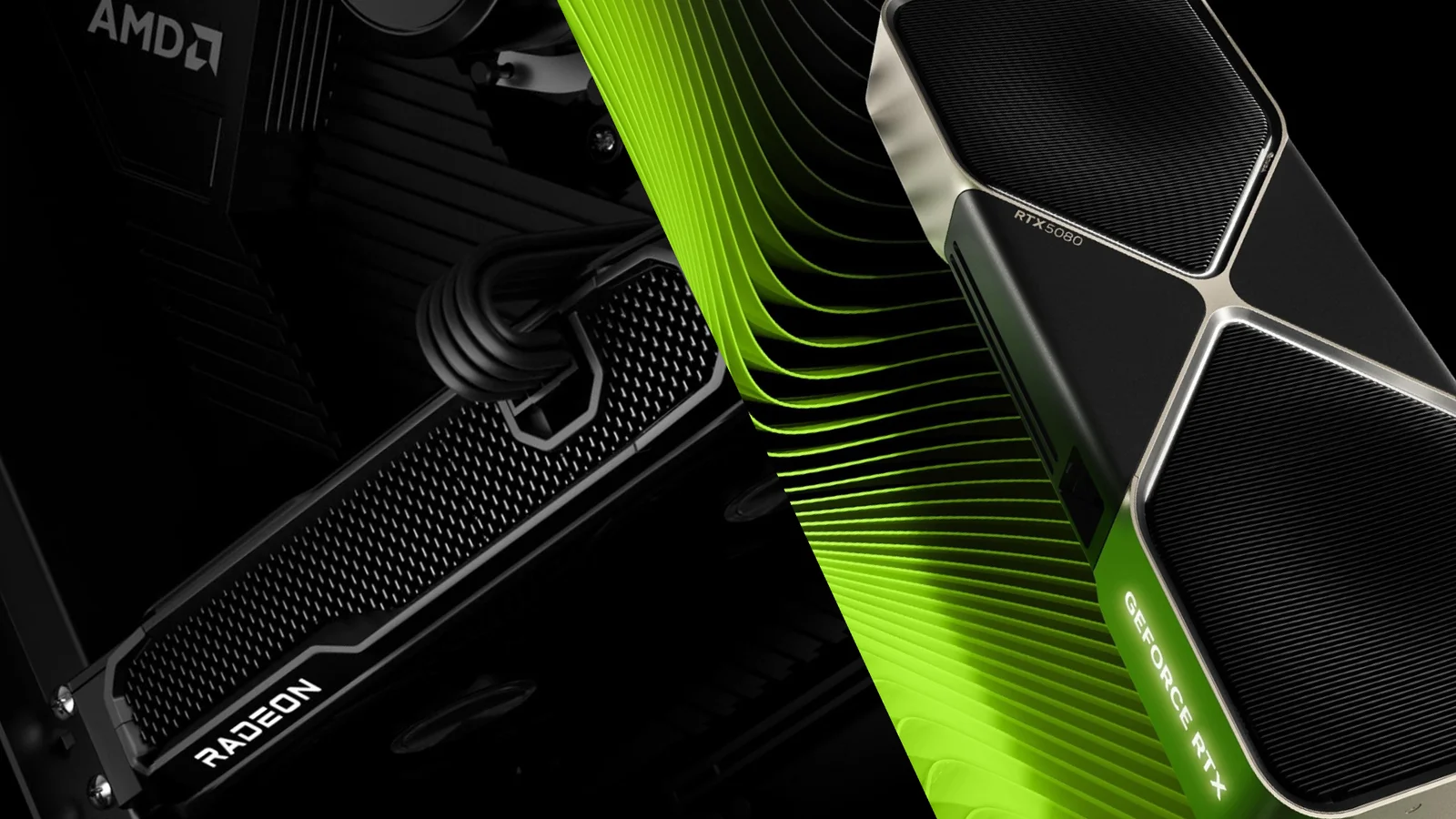
Intel is launching its next-generation Panther Lake Core Ultra Series 3 CPUs at CES 2026, marking a significant milestone with the debut of its new 18A process technology, alongside refreshed Arrow Lake CPUs, AI innovations, and new GPU previews. The event will be streamed live on January 5, 2026, and will showcase upcoming Intel-powered devices and technologies.
AMD is developing new 'Max' CPUs, such as the Ryzen AI Max+ series, which could challenge low-end GPUs by offering integrated graphics capable of high-performance gaming, potentially replacing or supplementing traditional GPUs in budget-friendly gaming devices and handheld PCs.
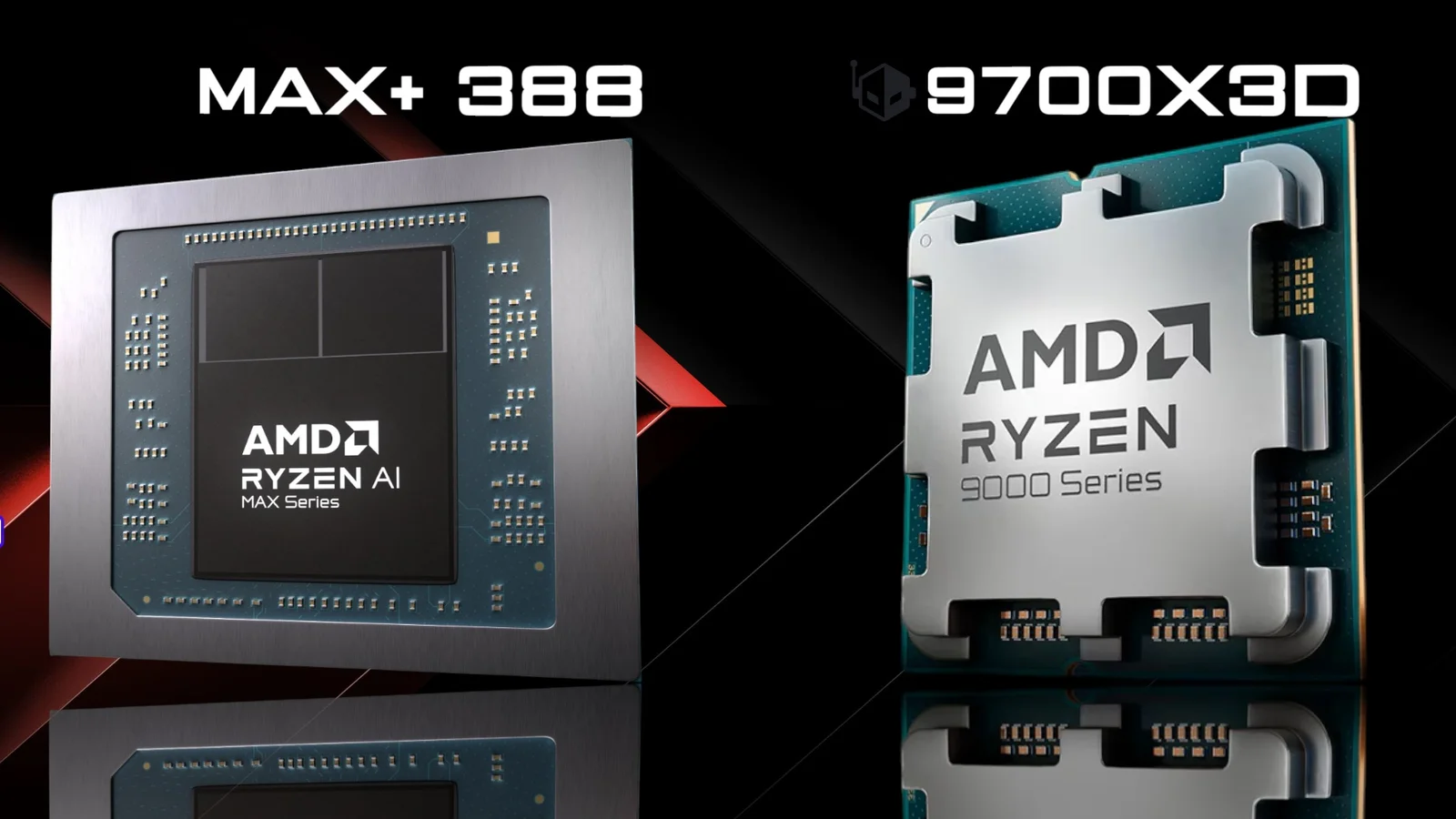
Two unreleased AMD CPUs, the Ryzen AI MAX+ 388 and Ryzen 7 9700X3D, have been spotted in PassMark, featuring 8 cores and integrated Radeon 8060S graphics, with the former likely targeting value gaming and the latter possibly a new Zen 6-based refresh, though details remain unofficial.
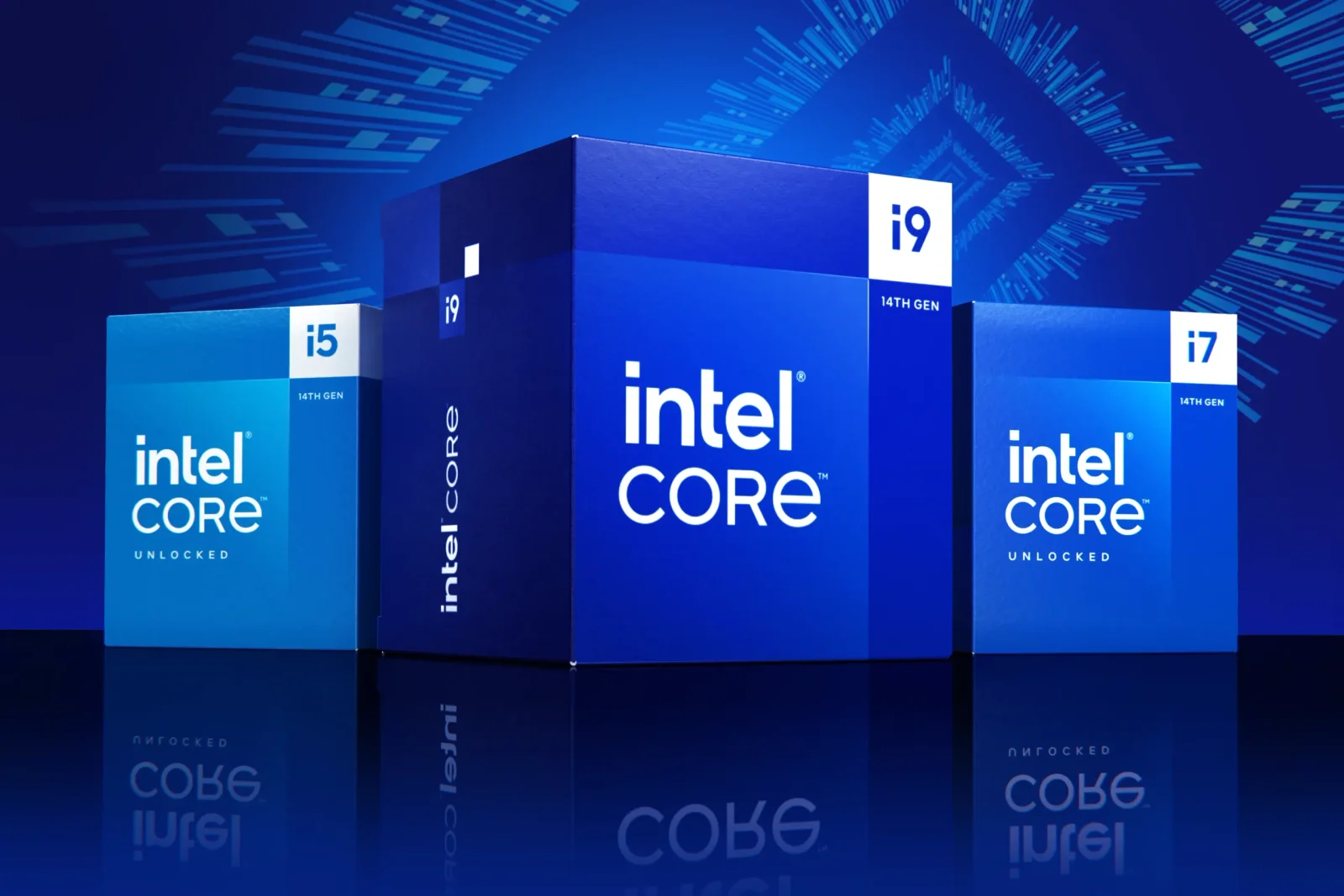
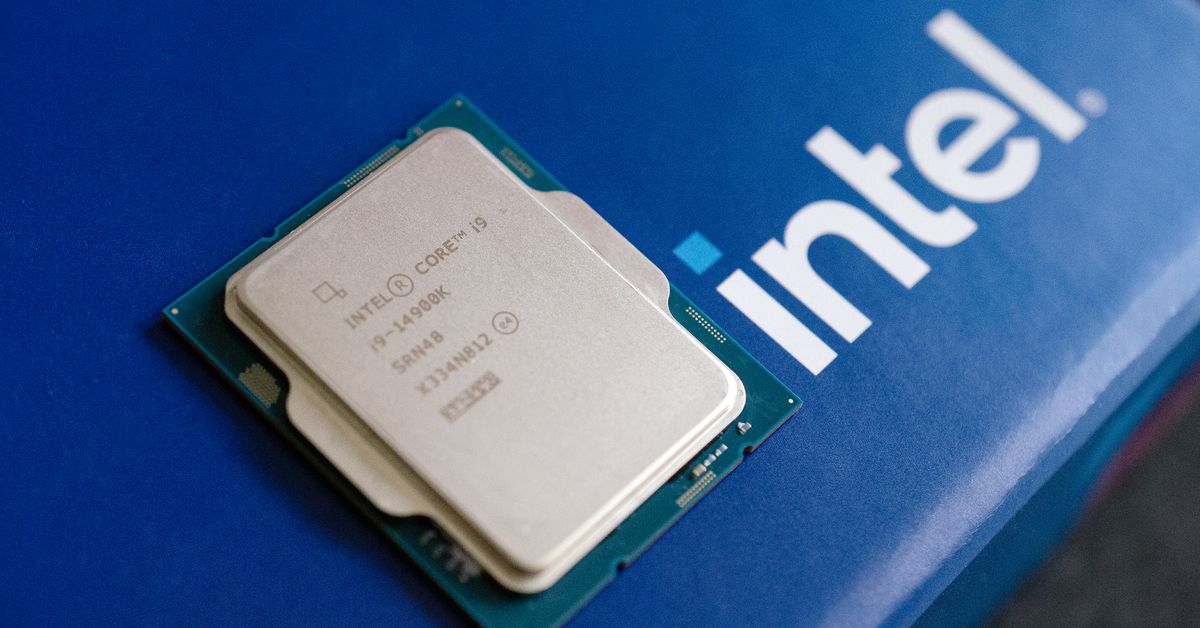
Intel's 12th, 13th, and 14th-generation processors are experiencing significant price increases in South Korea, especially in the budget segment, with some SKUs like the Core i3 14100F rising by 15% and the Core i9 12900K by nearly 30%, mirroring recent trends in Japan, while prices in North America remain stable.
Intel's upcoming Panther Lake mobile CPUs, expected in Q4 2025, will feature the 18A process technology, new architecture with Xe3 graphics, and AI enhancements, marking a significant step for Intel's manufacturing and product strategy amid technical and political implications.
The Trump administration is considering implementing tariffs on consumer CPUs and GPUs based on the value of their foreign chip content, which could significantly increase prices if enacted, aiming to promote domestic chip manufacturing but potentially raising costs for products like AMD Ryzen and NVIDIA GPUs.
NVIDIA and Intel announced a collaboration to develop custom data center and personal computing products, integrating NVIDIA's AI and accelerated computing with Intel's CPU technologies, with NVIDIA investing $5 billion in Intel's stock to support this partnership.
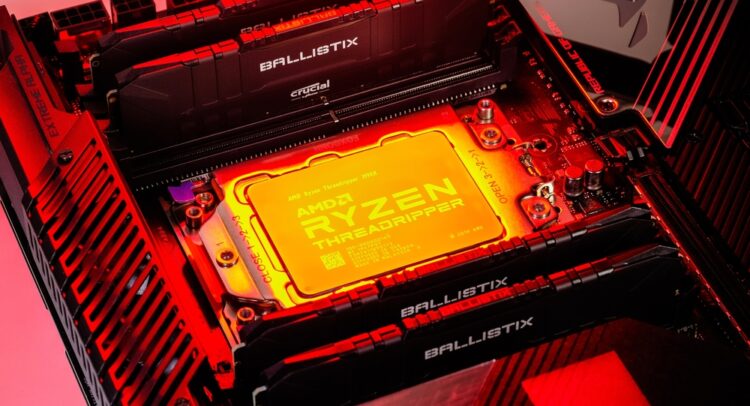
AMD has announced the launch date and prices for its Ryzen Threadripper 9000 series HEDT CPUs, available from July 31st, with the flagship 64-core model priced at $4999, offering high performance for enthusiasts and professionals.
AMD's stock declined after announcing the high-priced Threadripper Pro 9000 WX-Series CPUs, aimed at professionals with prices ranging from $1,649 to $11,699, set for release on July 23. Despite the price hike, AMD remains popular among investors, with analysts maintaining a moderate buy rating and an average price target of $141.87, though some see a potential downside. The company is also expected to release more affordable non-Pro Threadripper processors in the future.
AMD is set to launch its high-end Ryzen 9 9950X3D and Ryzen 9 9900X3D CPUs with 3D V-Cache technology in late January 2025, following their debut at CES 2025. These new Zen 5-based processors, featuring 16 and 12 cores respectively, aim to build on the success of the Ryzen 7 9800X3D by offering enhanced gaming efficiency and overclocking capabilities. While specific clock speeds and TDPs are yet to be confirmed, the chips are expected to maintain a high level of performance and efficiency.
Alderon Games is replacing its Intel 13th and 14th Gen-based servers with AMD due to significant instability issues, including thousands of crashes and potential SSD and memory corruption. Despite Intel's earlier claims that improper overclocking settings were to blame, the problems persist even on conservatively set server hardware. While some developers report improvements with recent BIOS updates, the root cause of the instability remains unresolved.
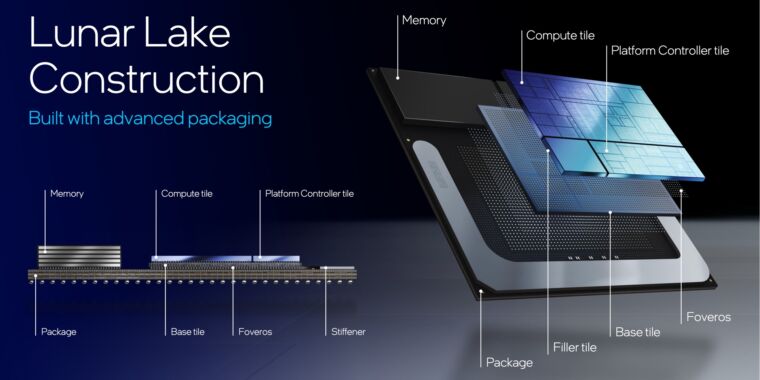
Intel has unveiled details about its upcoming Lunar Lake CPUs, set to compete with AMD, Qualcomm, and Apple. These processors will feature a neural processing unit (NPU) to meet Microsoft's Copilot+ PC requirements, upgraded P-cores and E-cores, a next-gen GPU architecture, and integrated RAM for improved efficiency. Lunar Lake simplifies some of the complex design elements of its predecessor, Meteor Lake, and is expected to be available in Q3 2024.
Nvidia's CEO Jensen Huang explained "CEO Math" at Computex in Taiwan, emphasizing that investing in both GPUs and CPUs can drastically reduce AI task times and increase performance, making it a cost-effective strategy for companies. He highlighted that combining these processors can turn data centers into AI factories, significantly boosting efficiency at a relatively low additional cost. Nvidia's recent advancements, including the powerful Blackwell B200 GPU, underscore its pivotal role in the AI industry.
Arm has unveiled its new line of CPUs and GPUs, including the Cortex-X925 and Immortalis-G925, set to power flagship Android phones in 2025. The Cortex-X925 offers a significant 36% boost in single-core performance and improved efficiency, while the Immortalis-G925 GPU promises up to 72% better performance in certain games. MediaTek and Samsung are expected to adopt these new components in their upcoming processors, while Qualcomm will use its custom Oryon CPU for its Snapdragon 8 Gen 4. Arm's advancements also lay the groundwork for future Windows laptops and enhanced AI processing capabilities.
Microsoft has announced the minimum system requirements and supported CPUs for Windows 11 LTSC 2024, including a mandatory SSD. The requirements are categorized into Preferred and Optional, with specific details for Intel, AMD, Qualcomm, and NXP processors. The same requirements will apply to Windows Server 2025.