OpenAI and Broadcom are partnering to deploy 10 gigawatts of custom AI accelerators and networking systems from 2026 to 2029, aiming to enhance AI capabilities and meet global demand, with OpenAI designing the chips and Broadcom providing the hardware and connectivity solutions.
OpenAI and Broadcom have announced a multi-year partnership to develop and deploy 10 gigawatts of custom AI accelerators and network systems, aiming to enhance AI capabilities and meet global demand, with deployment starting in 2026 and completing by 2029.
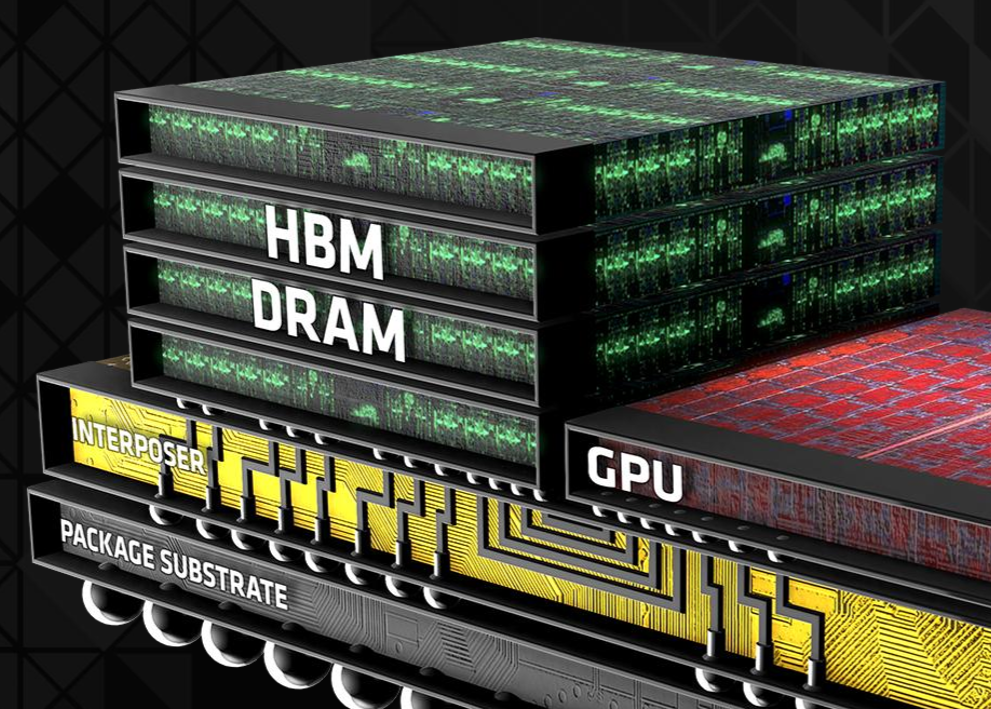
High Bandwidth Memory (HBM) is crucial for AI performance, powering the fastest GPUs and accelerators. Industry leaders like Micron, Samsung, and SK hynix are advancing HBM technology with HBM4 and HBM4E, which promise higher capacities and speeds to support next-generation AI models. HBM4 is expected to arrive around 2026, with HBM4E following in 2027, enabling even more powerful AI hardware.
AMD is set to challenge NVIDIA's dominance in AI hardware with its upcoming Instinct MI500 accelerators and EPYC Verano CPUs, focusing on rack-scale AI solutions and aiming for performance parity, signaling a significant shift in the AI hardware market.
AMD announced advancements in AI data center systems, highlighting its competitive edge over Nvidia with new full-rack systems and chips like the Instinct MI350 series, targeting a rapidly growing market expected to reach over $500 billion by 2028. Despite stock slipping slightly, AMD aims to capture significant market share with innovative infrastructure and strategic acquisitions, emphasizing open standards and next-generation products like the Helios rack system.
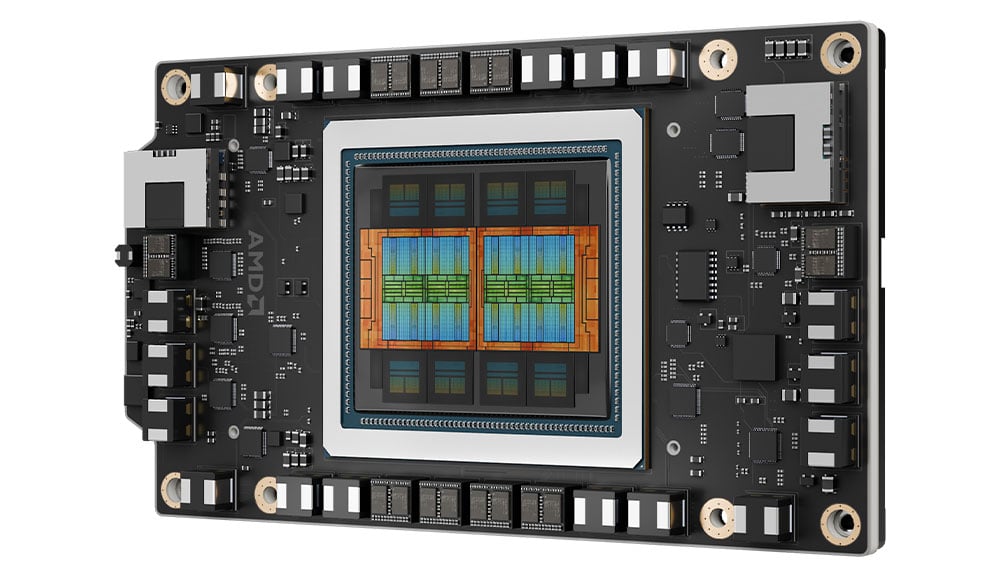
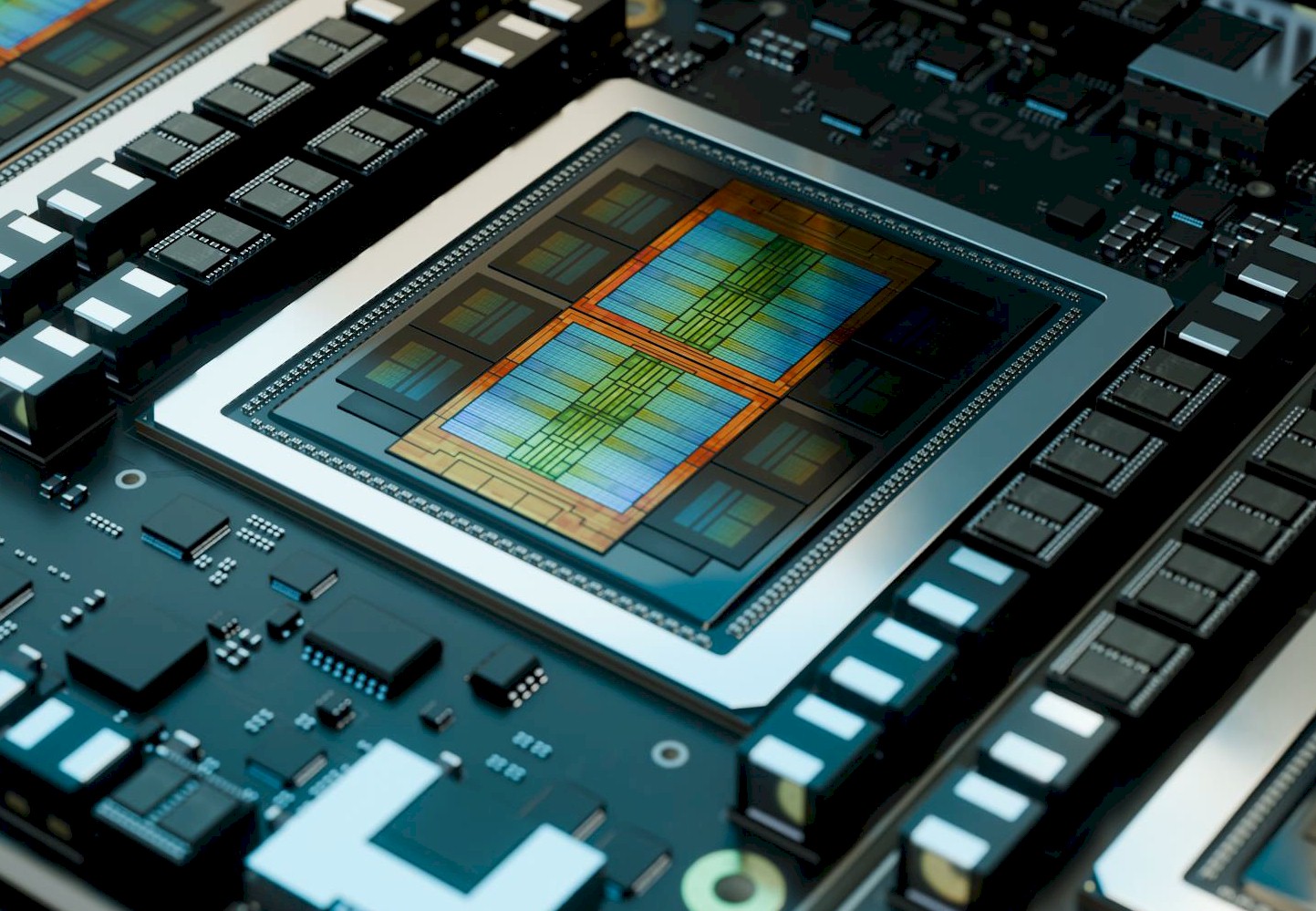
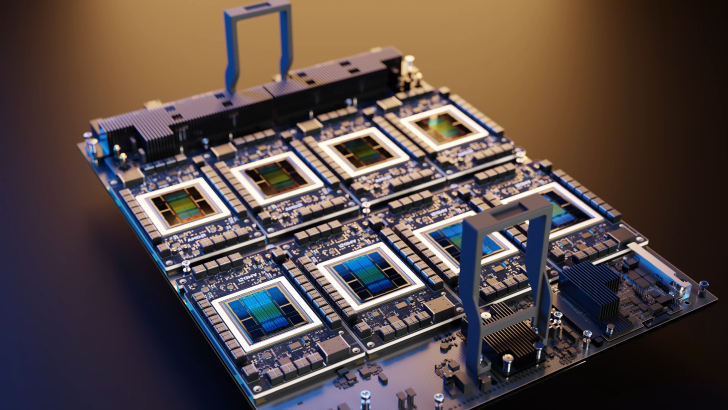
AMD has unveiled its latest GPU accelerators, the Antares+ MI350X and MI355X, along with a detailed roadmap extending to 2027, positioning itself to compete with Nvidia in AI and HPC markets. The new GPUs feature advanced chiplet designs, high bandwidth memory, and optimized architectures for AI workloads, with future plans including the MI400 series and the Helios rack system. AMD's roadmap emphasizes scaling up AI compute capacity and memory bandwidth, aiming to match or surpass Nvidia's offerings by 2027.
Nvidia dominates the global AI chip market with a share estimated between 70% and 90%, driven by its high-powered graphics processors and strategic software. Despite rising competition from rivals like Intel and AMD, as well as hyperscalers developing their own ASICs, Nvidia's technology remains ahead. As the AI space continues to grow, Nvidia's revenue is expected to increase, even if its market share takes a hit.
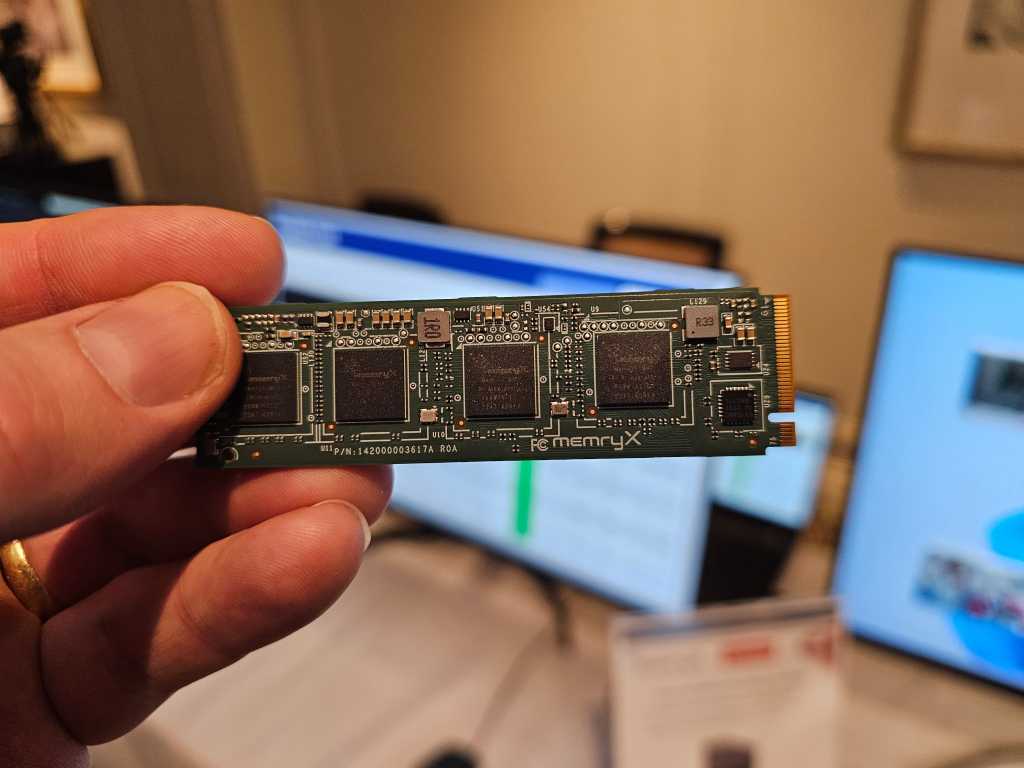
At CES 2024, Lenovo showcased the ThinkCentre Neo Ultra, a content-creation desktop potentially featuring AI cards from MemryX and Kinara. These AI accelerators, such as MemryX's MX3 Edge AI Accelerator, offer power-efficient AI capabilities and are positioned for image recognition tasks. With Intel's Arrow Lake NPU still in development, discrete AI accelerators are expected to remain relevant for desktop PCs. The future of AI in PCs may see a new wave of accelerator cards challenging established players in the content-creation and gaming industry.
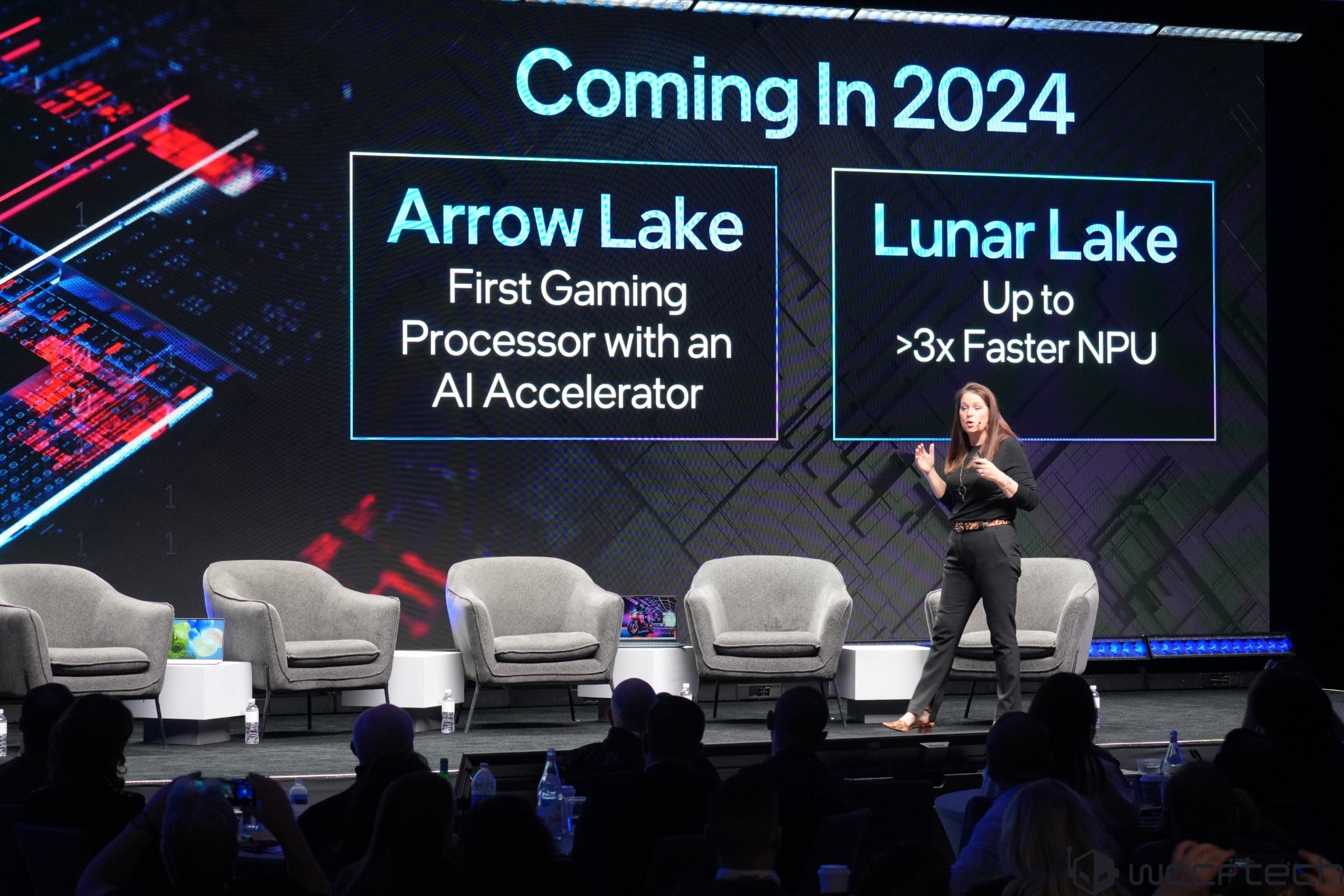
Intel is set to release its next-gen Arrow Lake gaming CPUs with AI accelerators later this fall, following up with the Lunar Lake CPUs in 2024, which promise significant IPC and NPU improvements. The Arrow Lake CPUs will target the gaming segment and feature AI accelerators, while the Lunar Lake CPUs will offer a new CPU core architecture and over 3X faster NPU performance. These chips will cater to high-end and mainstream platforms, replacing existing Raptor Lake and Meteor Lake CPUs, and will be deployed in desktops and notebooks.
Advanced Micro Devices (AMD) received high praise from analysts for its recent artificial intelligence (AI) advancements, including the launch of its MI300X AI/graphics-processing-unit accelerator and its software platform ROCm. Analysts believe that AMD's innovations position the company as an important AI innovator, although Nvidia is expected to remain the dominant player in the field. The positive reception has led to a 6% increase in AMD's stock. Analysts also anticipate share gains and continued acceleration in AI-related revenue for AMD, with potential high-volume deployments and strong customer support from companies like Microsoft, Meta Platforms, and Oracle.
French supercomputer Adastra, located at CINES, Montpellier, has been powered by AMD's Instinct MI300A APUs ahead of the MI300 AI accelerator launch event. The supercomputer, equipped with HPE Cray EX4000 cabinet and 14 HPE Cray EX255a Blades, features the latest AMD Instinct MI300A APUs and achieved a peak performance of 46.1 petaflops. AMD is expected to ship 300K-400K units of its Instinct MI300 accelerators in 2024 and Microsoft Azure will be the first cloud service to feature the MI300X AI Accelerators. The MI300A offers TCO-optimized memory capacities and Zen 4 cores, fulfilling the promise of an Exascale-class APU.