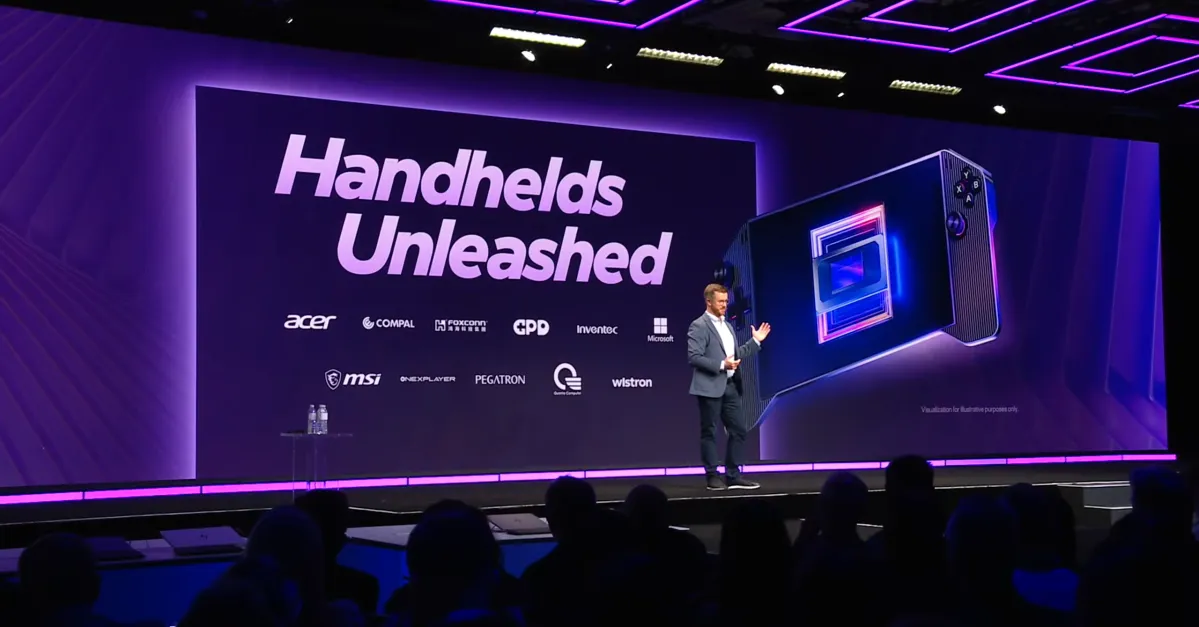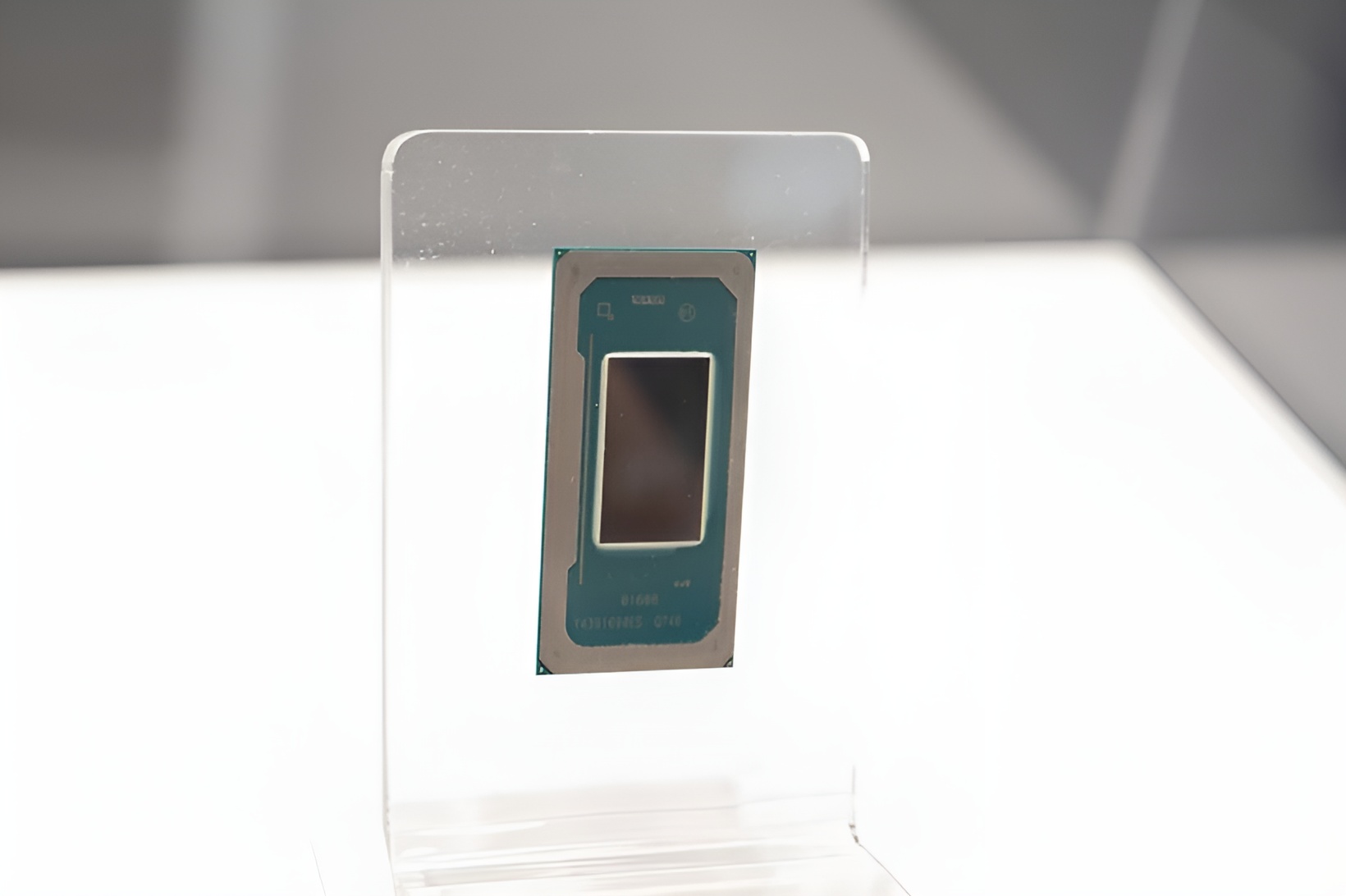
Intel is developing a custom version of its new Panther Lake CPUs specifically for handheld gaming devices, aiming to improve performance and competitiveness in the gaming handheld market amid rising competition from Qualcomm and AMD.
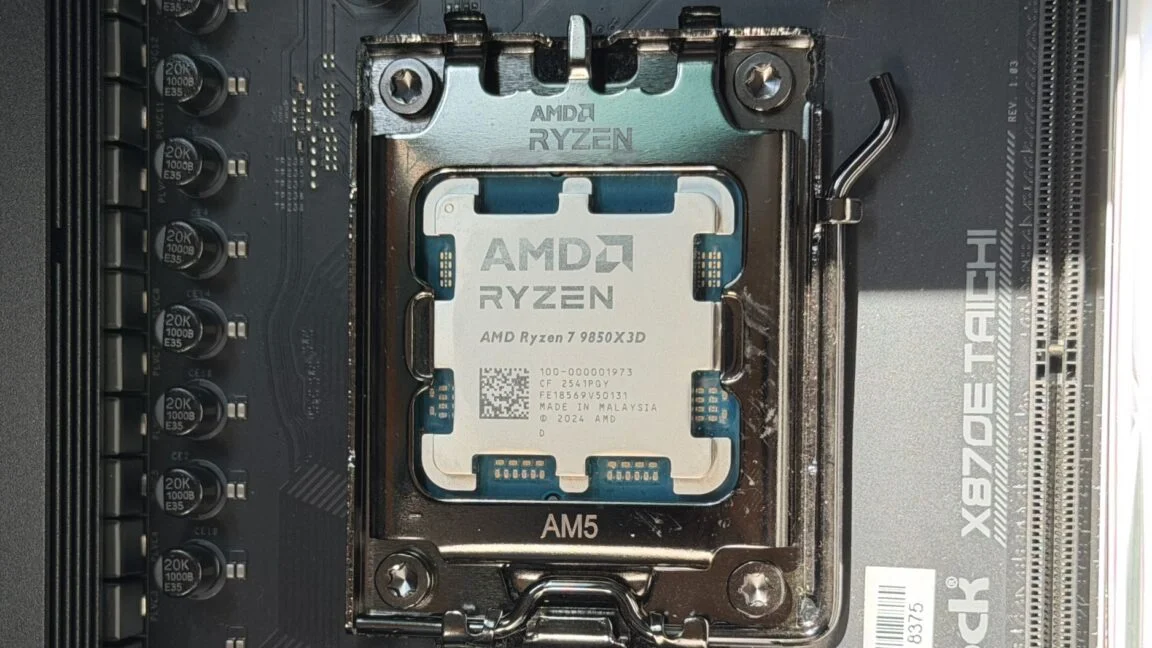
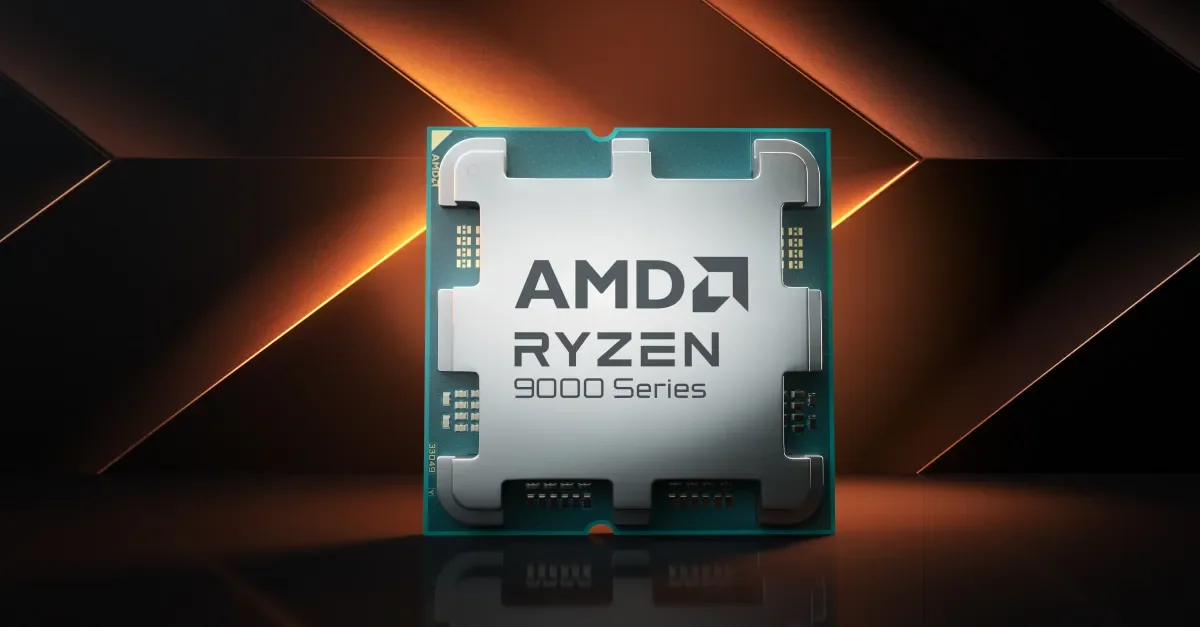
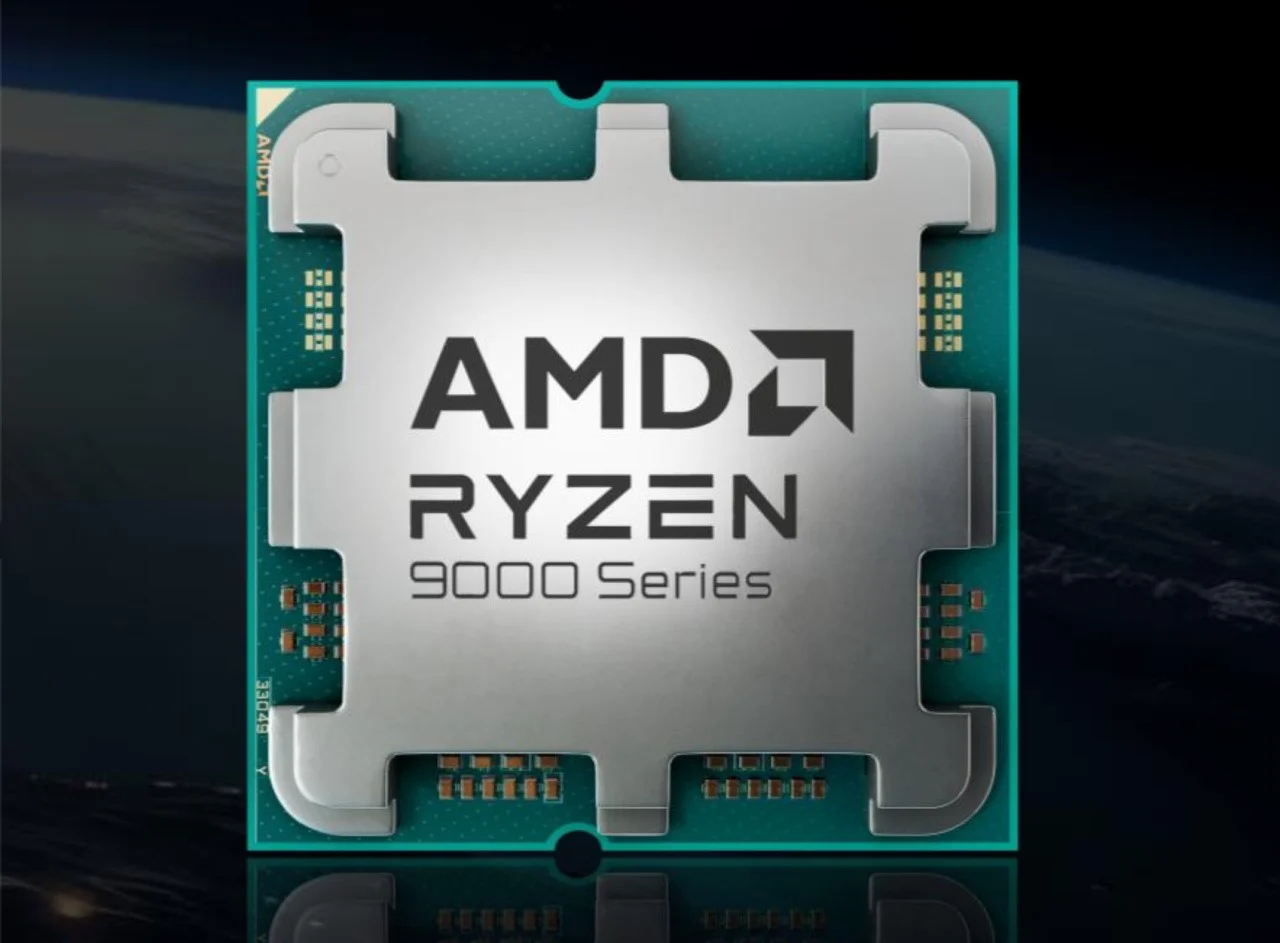
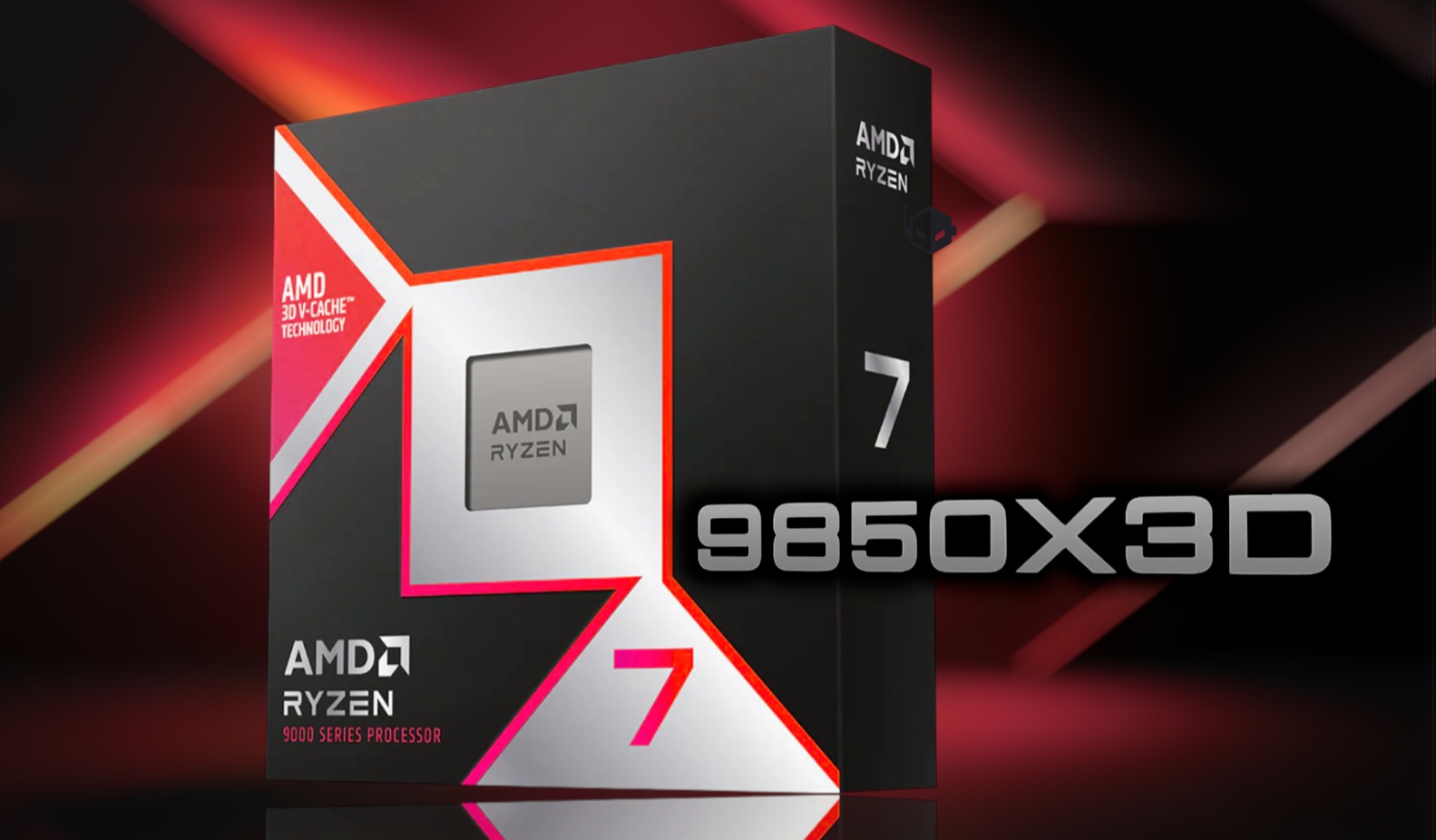
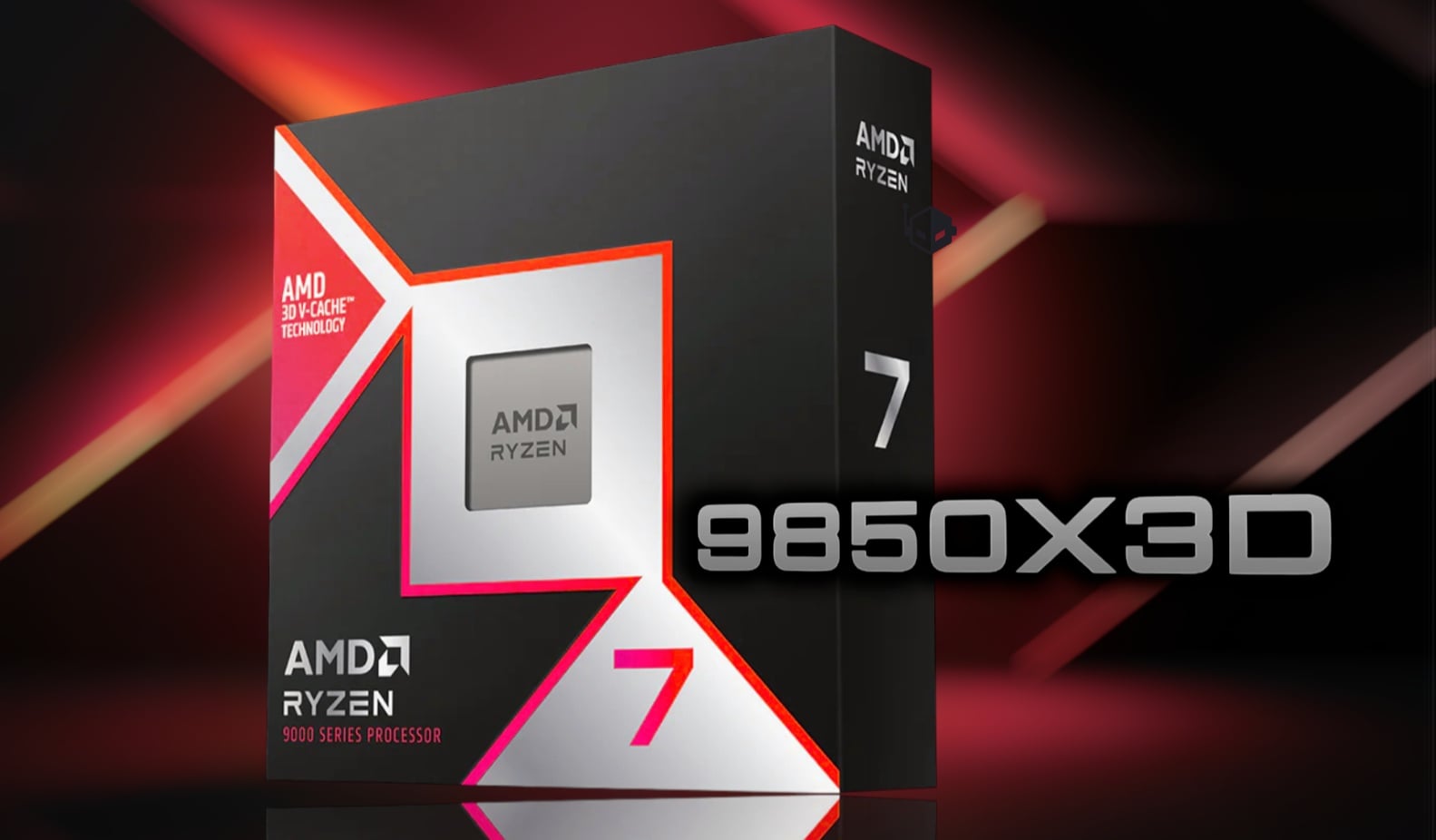
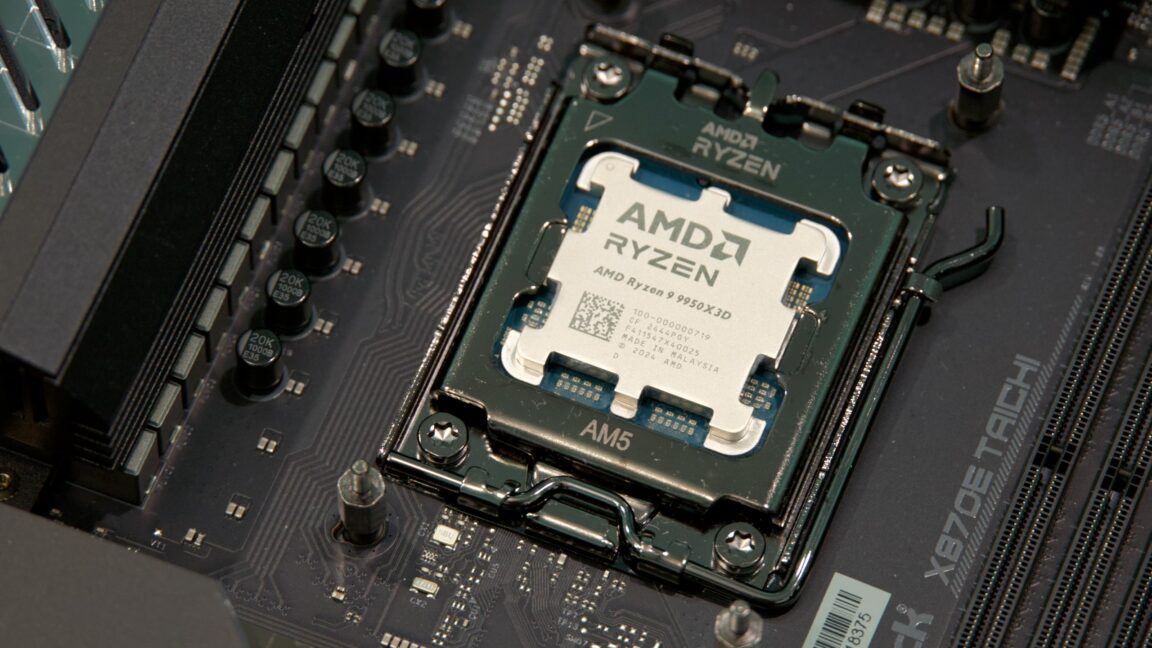
AMD announced the Ryzen 7 9850X3D at CES 2026, offering a modest 2-3% performance boost over the 9800X3D with a higher boost clock of 5.6GHz, while focusing heavily on AI capabilities and new Ryzen AI APUs for laptops and desktops. No major new GPU announcements were made.
AMD's stock price surged following a leak revealing the pricing details of their Ryzen CPUs, which has generated significant market interest and speculation.
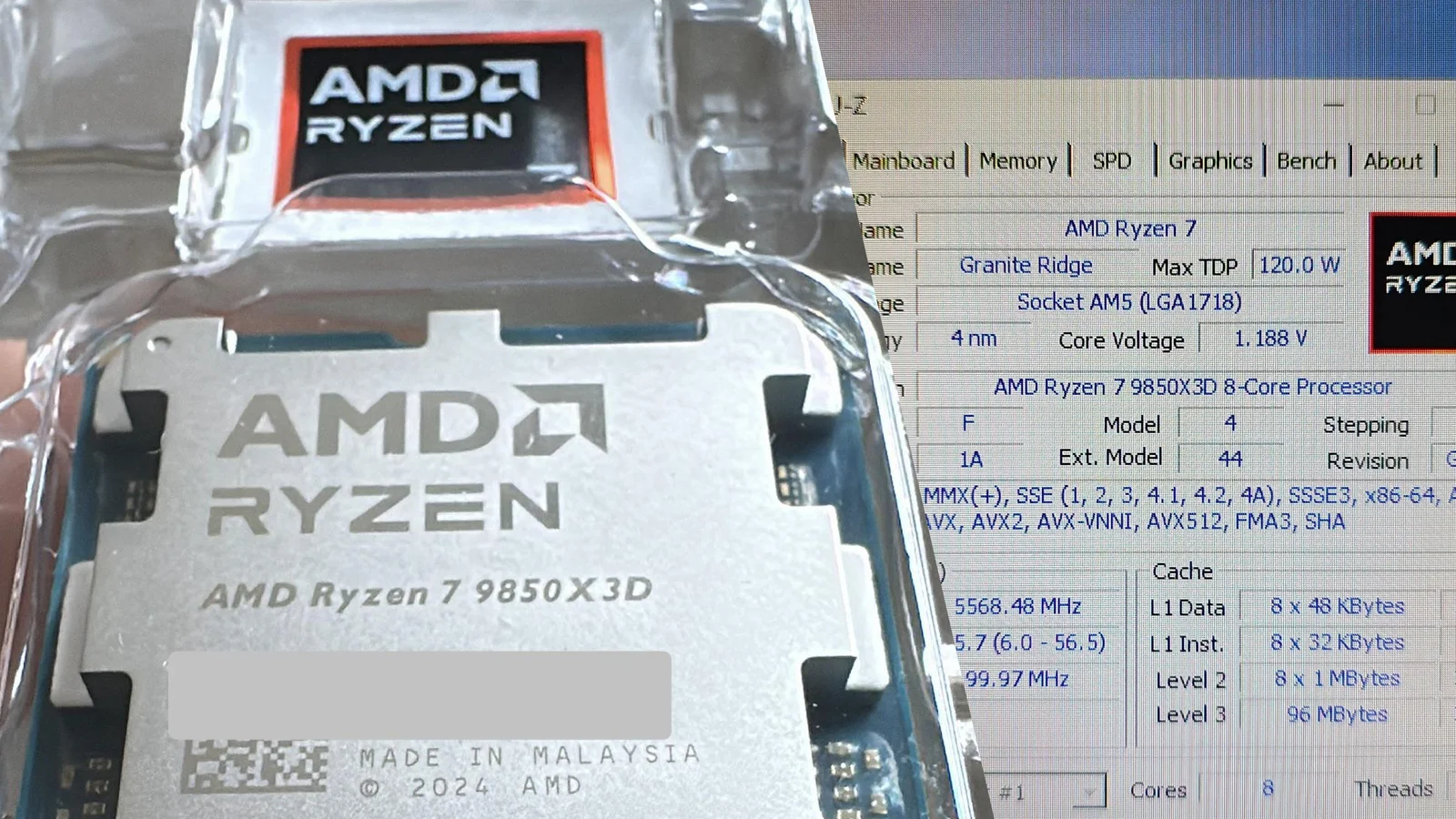
The upcoming AMD Ryzen 7 9850X3D is expected to be priced around $500 based on recent listings, with a boost clock of 5.6 GHz and 96 MB of L3 cache, making it a slightly more expensive refresh of the Ryzen 7 9800X3D. The official price will be announced at CES 2026, but current leaks suggest minimal price increase.
AMD's upcoming Zen 6 processors are expected to feature significantly larger 3D V-Cache capacities, with up to 288 MB in dual-CCD configurations, and will utilize advanced manufacturing nodes and instruction extensions to boost performance, positioning them as strong competitors to Intel's upcoming processors.
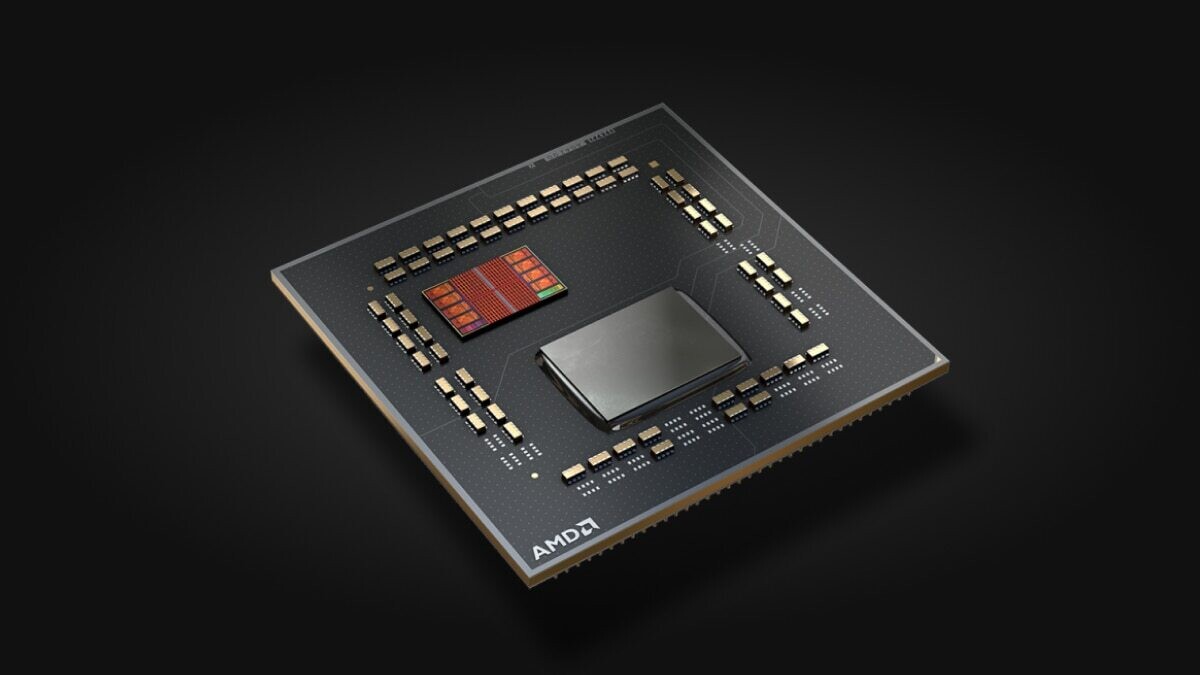
AMD has confirmed the upcoming Ryzen 7 9850X3D, an 8-core, 16-thread CPU with faster 5.6 GHz clocks and 96 MB of L3 cache, utilizing its 2nd Gen V-Cache technology, promising improved gaming performance and a major upgrade over previous models.
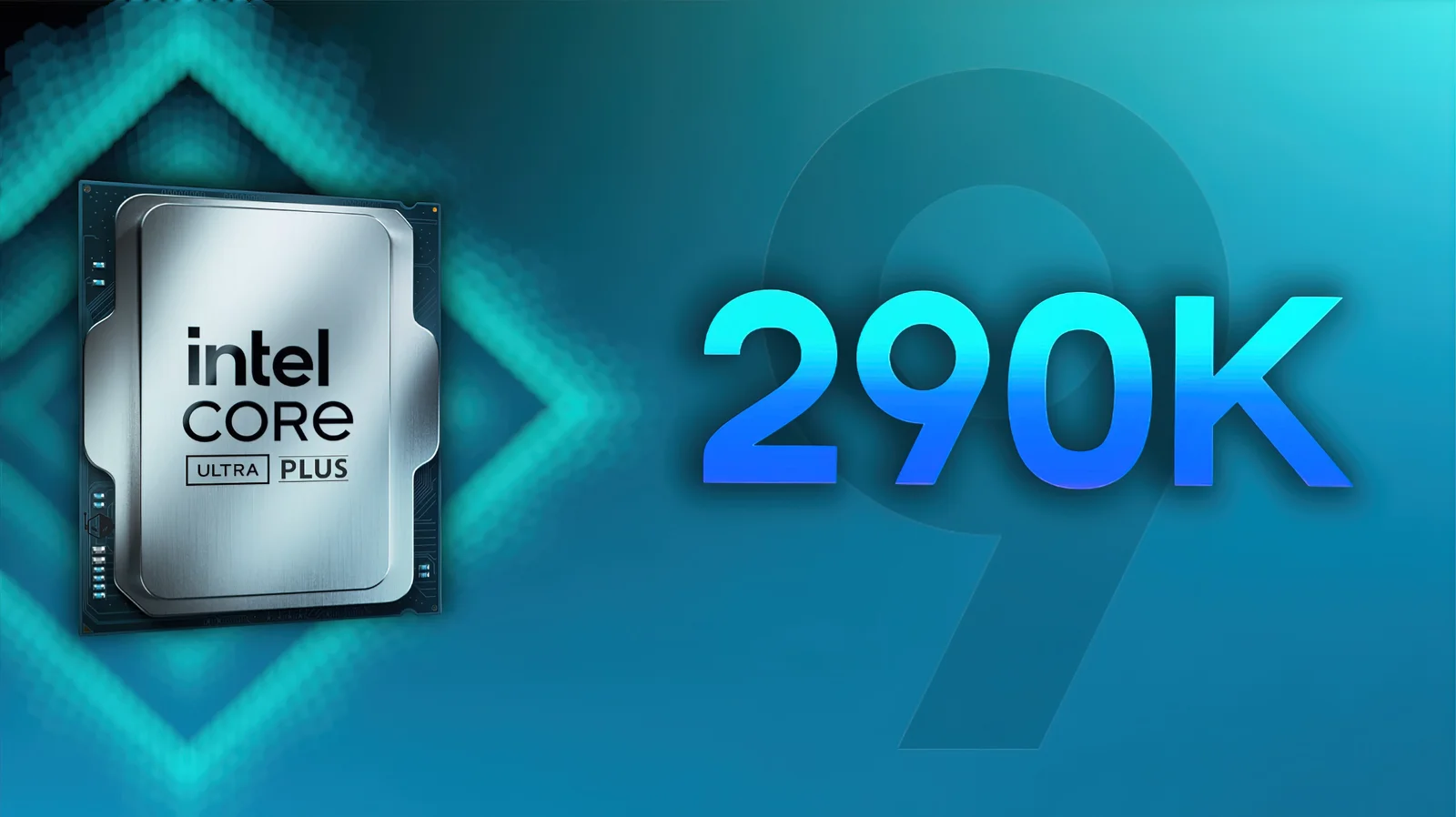
A leak reveals that Intel's upcoming Panther Lake lineup will include up to 12 SKUs, featuring a mix of Core Ultra X, regular Core Ultra, and U-series processors, with varying GPU core configurations and model naming conventions, though details are not yet official.
Early benchmarks of the Snapdragon X2 Elite Extreme show it outperforming top Intel and AMD CPUs in both single-core and multi-core tests, with significant improvements in CPU, GPU, and AI performance, indicating a major leap forward for Qualcomm's chip technology.
AMD blames motherboard makers for CPU failures, similar to Intel's past issues, emphasizing the importance of updating BIOS and understanding system configurations due to the wide range of compatible hardware and potential for misconfiguration affecting CPU stability.
Qualcomm has announced the Snapdragon 7s Gen 4, a mid-range processor with modest performance improvements over its predecessor, including a 7% speed boost and support for ultra-wide displays up to 2900×1300 at 144Hz, primarily targeting OEMs and consumers seeking budget-friendly options. The chip maintains a 4nm process and similar architecture, with slight upgrades in CPU and GPU performance, but no major leaps in AI capabilities or core design.
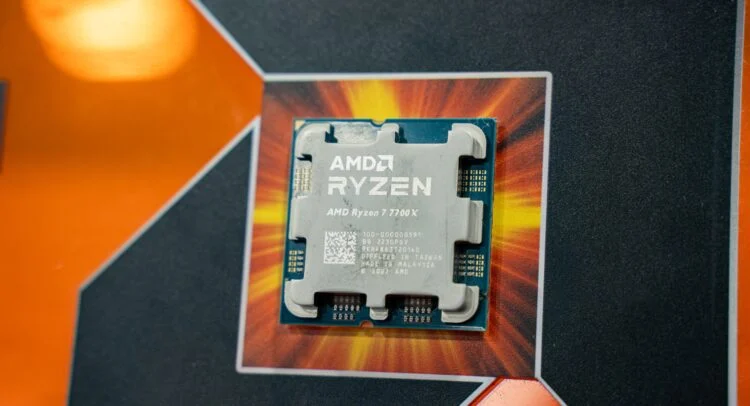
The article suggests that high gaming performance doesn't require expensive CPUs like Ryzen 9800X3D, highlighting three affordable options—AMD Ryzen 5 9600X, AMD Ryzen 5 7600X3D, and Intel Core i5 14600K—that offer excellent gaming performance and value for money, especially when paired with suitable cooling solutions and balanced GPU choices.
Intel's CEO Lip-Bu Tan announced that the company plans to launch Nova Lake CPUs in late 2026 to bridge the high-end desktop CPU gap with AMD, with a focus on reintroducing SMT support in P-Cores on the server side through Coral Rapids, and emphasizes a strategic shift towards consolidating x86 CPUs and Xe GPUs, despite financial and market challenges.
AMD's new Zen 5-based Ryzen Threadripper Pro 9000 WX-Series CPUs, including a 96-core model priced at $11,699, are set for release on July 23rd, targeting professional workstations and AI applications, with various models offering different core counts and prices.
The AMD Ryzen Threadripper 9980X, based on Zen 5 architecture, has been benchmarked showing up to 11% better single-core and 16% better multi-core performance than its predecessor, the 7980X, with higher clock speeds and similar power consumption, making it a top choice for demanding professional workloads.
AMD plans to rely primarily on TSMC's 2nm N2P process for most of its upcoming Zen 6 CPUs, including high-end and server products, with lower-end mobile SKUs likely using the N3P process for better power efficiency, signaling a significant architectural and process node leap in AMD's next-generation offerings.