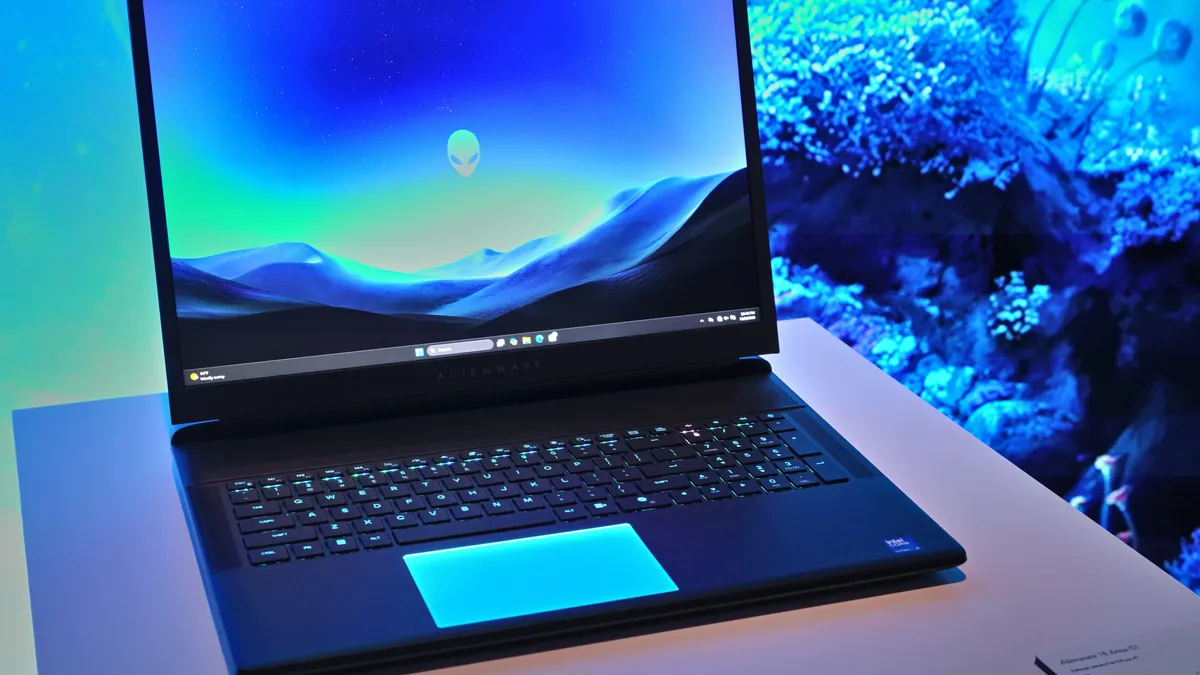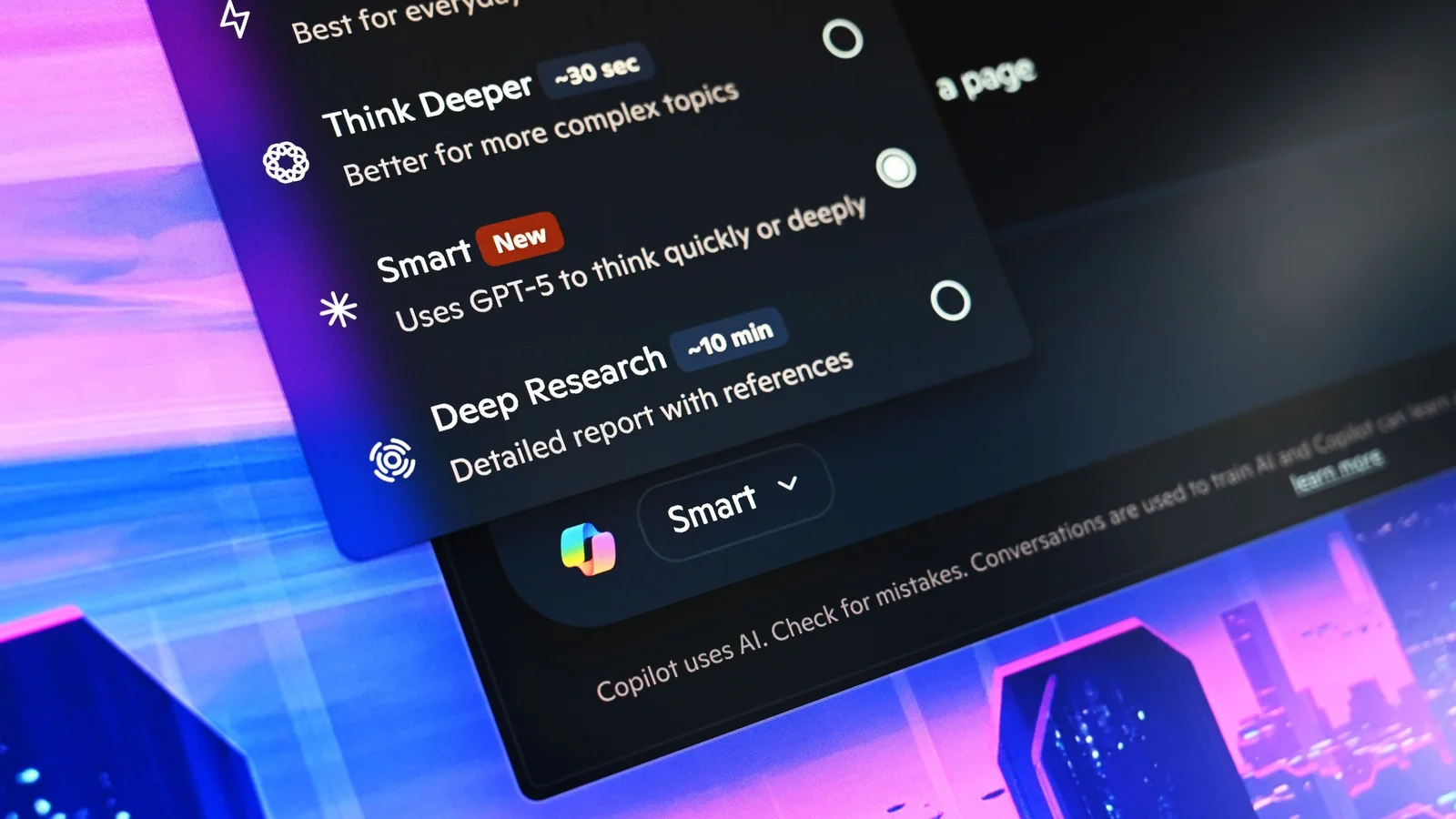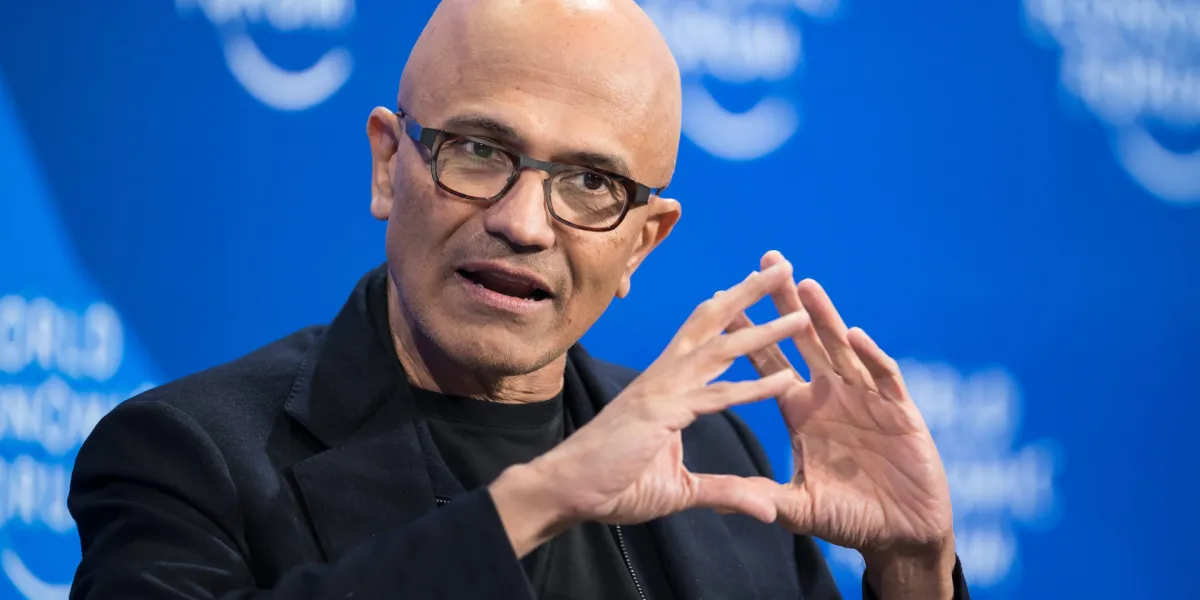
Dell executives at CES 2026 expressed disappointment with the consumer demand for AI PCs, noting that AI features are confusing rather than compelling. Microsoft’s CEO is actively involved in improving Copilot, but the product still lags behind competitors and faces skepticism from consumers. Despite the hype, the market is not yet ready to embrace AI PCs, and traditional sales methods remain necessary until AI tools like Copilot are more mature.
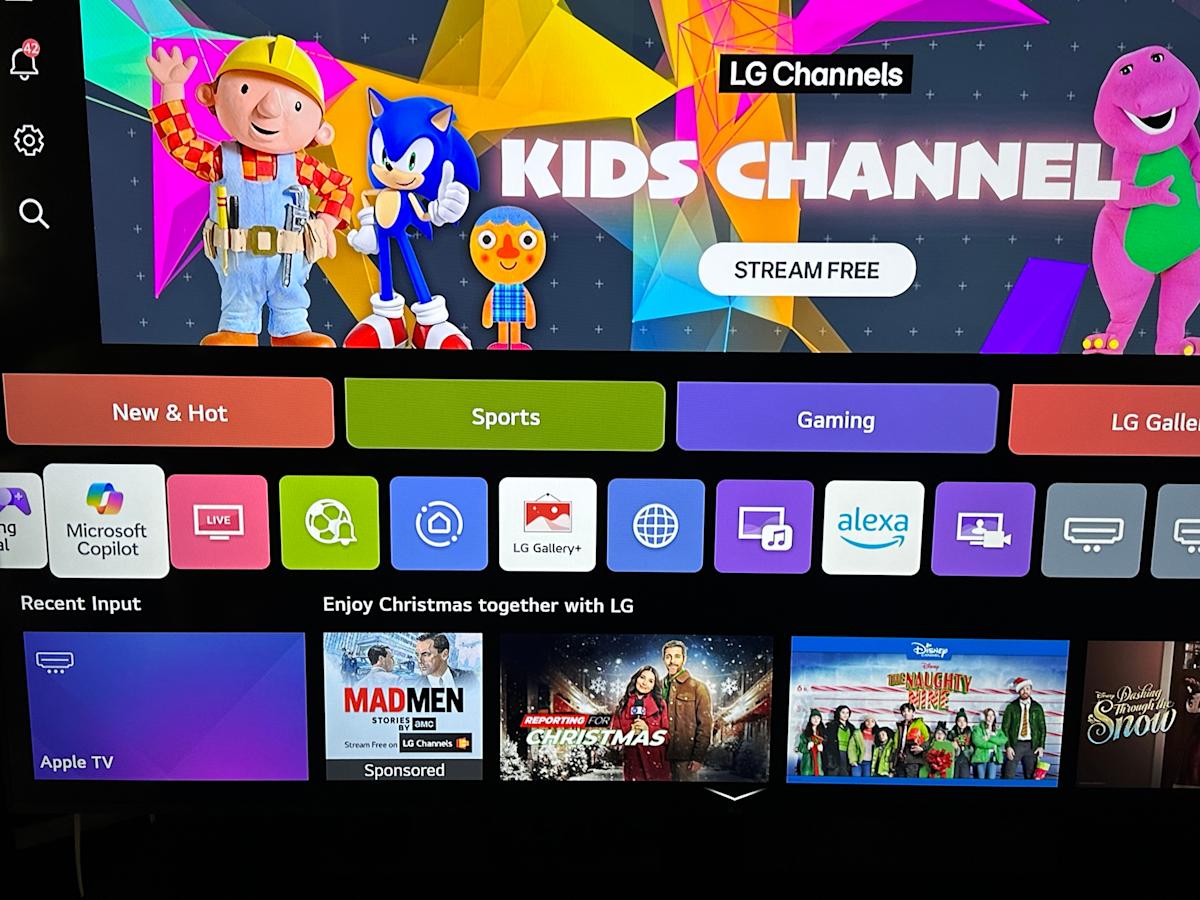
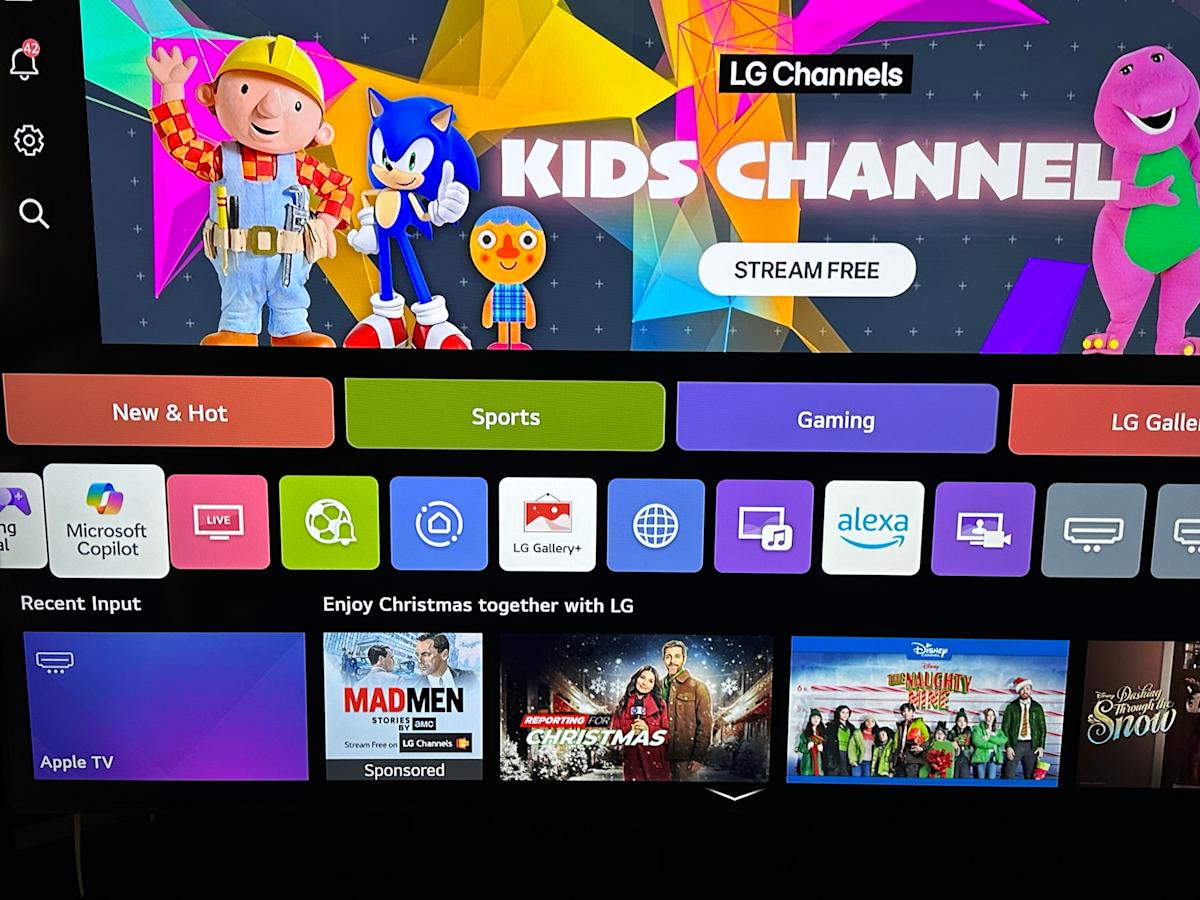
LG will enable users to delete the Microsoft Copilot shortcut on its smart TVs after customers were surprised to find it pre-installed; the shortcut is for launching an AI chatbot via the web browser, not an embedded app, amid concerns over privacy and unsolicited features.
LG will allow TV owners to delete Microsoft Copilot from their televisions following a consumer backlash over privacy concerns and unwanted AI prompts, with a software update to webOS enabling users to remove the shortcut and control microphone access with explicit consent.
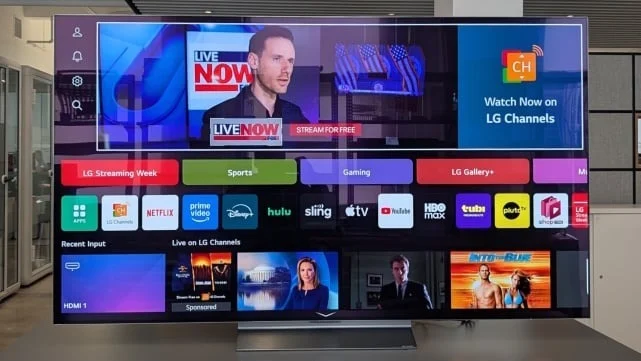
LG has quietly added a non-removable Microsoft Copilot app to some of its smart TVs, which users cannot uninstall, raising privacy and user control concerns amid limited popularity of AI assistants like Copilot.
LG smart TVs now come with an unremovable Microsoft Copilot app following a recent webOS update, reflecting a broader trend of pre-installed AI features in TVs, which users cannot delete, raising concerns about user control and privacy.
LG has quietly installed Microsoft Copilot on its smart TVs via a recent update, making it non-removable unless the TV is disconnected from the internet, raising concerns about consumer choice and privacy. The app, which acts as a web shortcut rather than a native feature, was announced by LG and Samsung earlier this year but is now appearing on LG TVs without official confirmation or user control options.
LG's recent TV software update secretly installs Microsoft Copilot, an AI assistant, onto its smart TVs without user ability to uninstall, sparking privacy concerns, user backlash, and debates over data collection and control in connected devices.
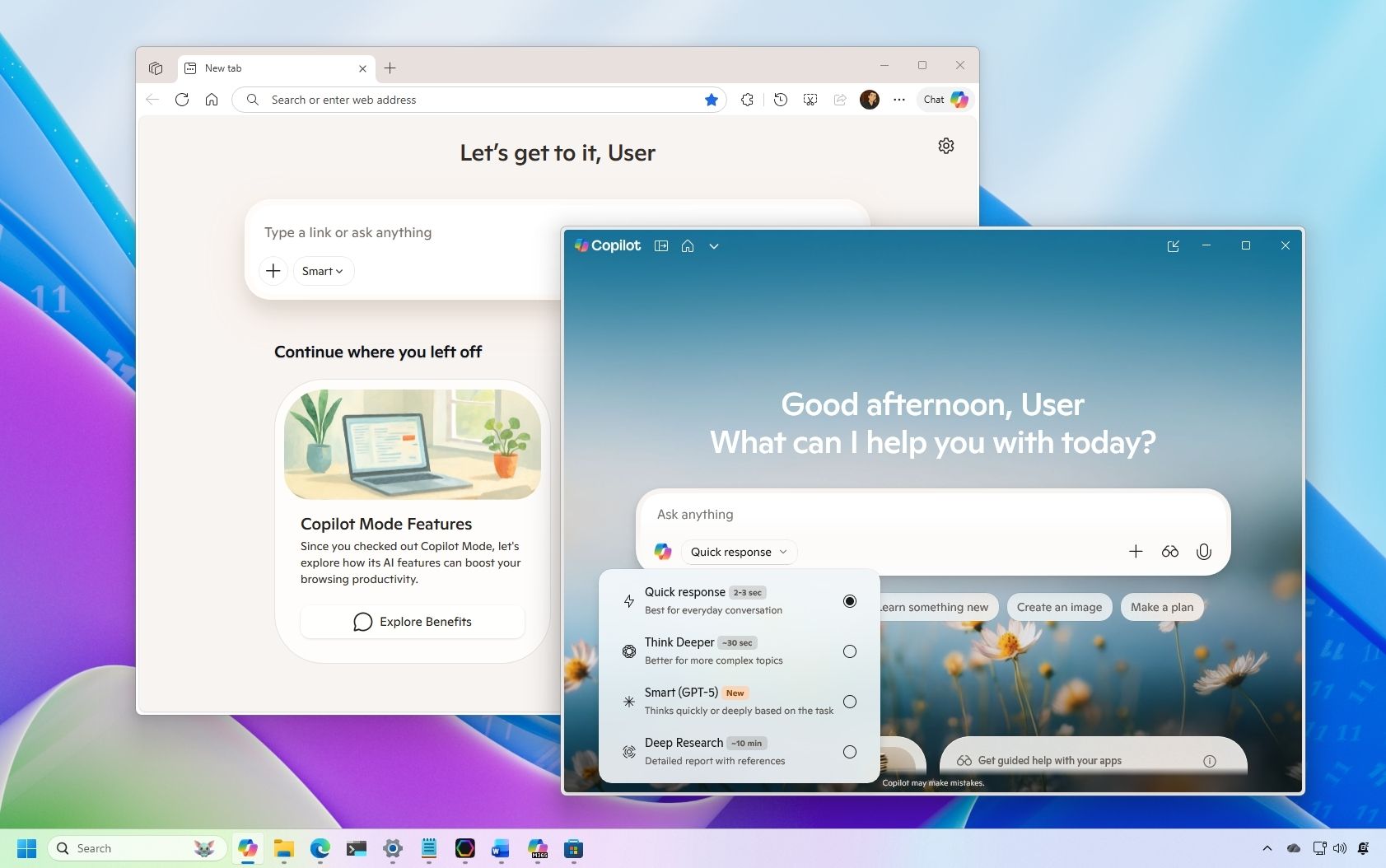
This article provides a comprehensive beginner's guide to using Microsoft Copilot on Windows 11, covering how to set up, customize, and interact with the AI assistant across various apps and services, including privacy and management tips.
Microsoft has rolled out a Windows 11 update for Copilot, introducing Connectors for linking various personal and third-party accounts like Google Drive and Gmail, and enabling content creation and export into multiple formats, enhancing productivity and integration across services.
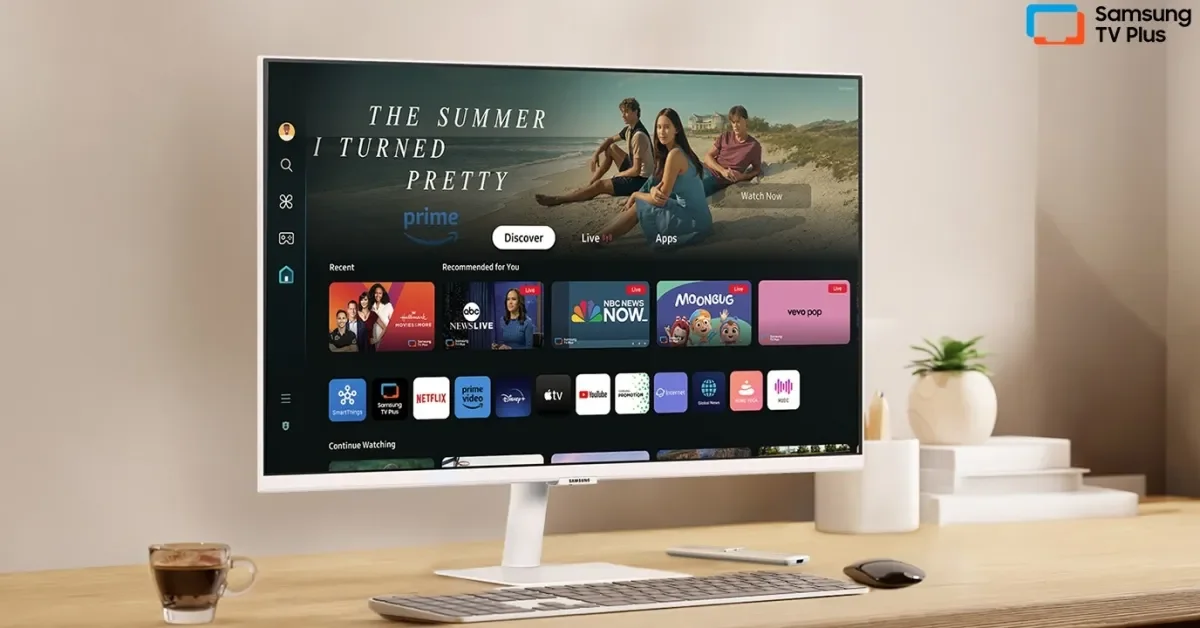
Samsung has officially integrated Microsoft Copilot into its 2025 TVs and monitors as part of the Samsung Vision AI experience, replacing Google Assistant and offering users a tailored content search and conversational AI features through voice or remote commands, with regional availability varying.
Microsoft Lens, a popular mobile app for scanning documents and converting them into digital files, is being discontinued in favor of the Microsoft 365 Copilot AI app, which lacks many of Lens's features. The app will be available until December 2025, after which no new scans can be made, though existing scans will remain accessible. Despite its age, Lens has been widely used, with over 92 million downloads since 2017.
Microsoft researchers found that AI chatbots are most likely to automate jobs involving communication and information sharing, such as translators and writers, but are less impactful on physical labor jobs. The study analyzed 200,000 conversations to determine which careers might be affected by AI, emphasizing that AI supports rather than replaces many tasks, and highlighting the need for ongoing research into its societal and economic effects.
AI agents are increasingly integrated into business workflows, performing tasks like managing data, customer support, and automation across industries, with leading examples from Google, IBM, Microsoft, and others, signaling a shift towards AI-driven operational layers in companies by 2025.
Microsoft 365 Copilot, an AI tool integrated into Office applications, was found to have a critical security flaw called EchoLeak that allows zero-click attacks, potentially exposing sensitive data. Microsoft has fixed the issue, but the vulnerability highlights broader risks in AI agent design, prompting calls for fundamental system redesigns to improve security. Experts warn that similar vulnerabilities could affect other AI platforms, raising industry-wide concerns about deploying AI agents safely.
The Wall Street Journal's Joanna Stern took AI chatbots, including Microsoft Copilot, Meta AI, ChatGPT, and Google's Gemini, on a 24-hour excursion in the woods to test their capabilities. While the chatbots provided similar responses to tasks like fire-starting and recipe suggestions, Microsoft's Copilot was noted for being overly friendly and annoying, akin to "an annoying kid in class." The experiment highlighted the chatbots' limitations in replicating human touch and emotions, despite their increasing human-like interactions. Microsoft's Copilot update has faced criticism for trying too hard to be a friend rather than a tool.