Mesa 26.0 introduces a dedicated transfer-only queue support in the RADV Vulkan driver using the SDMA engine, benefiting resource streaming and memory management on GFX9 and newer AMD GPUs, with activation via an environment variable, expected to improve Vulkan app performance.
Nvidia announced at CES 2026 that it will accelerate Siemens' electronic design automation (EDA) software using its GPUs to speed up chip design processes and create digital twins for testing chips and systems before manufacturing.
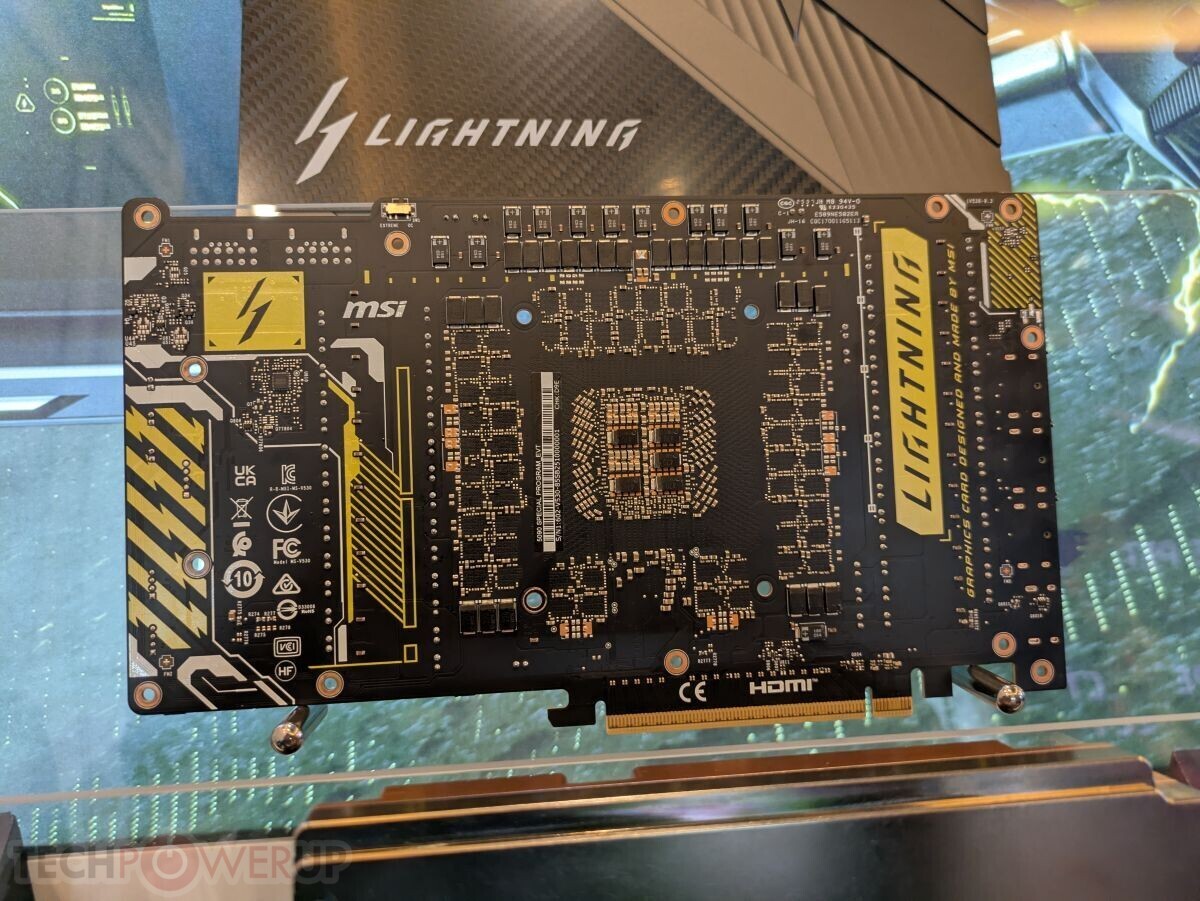
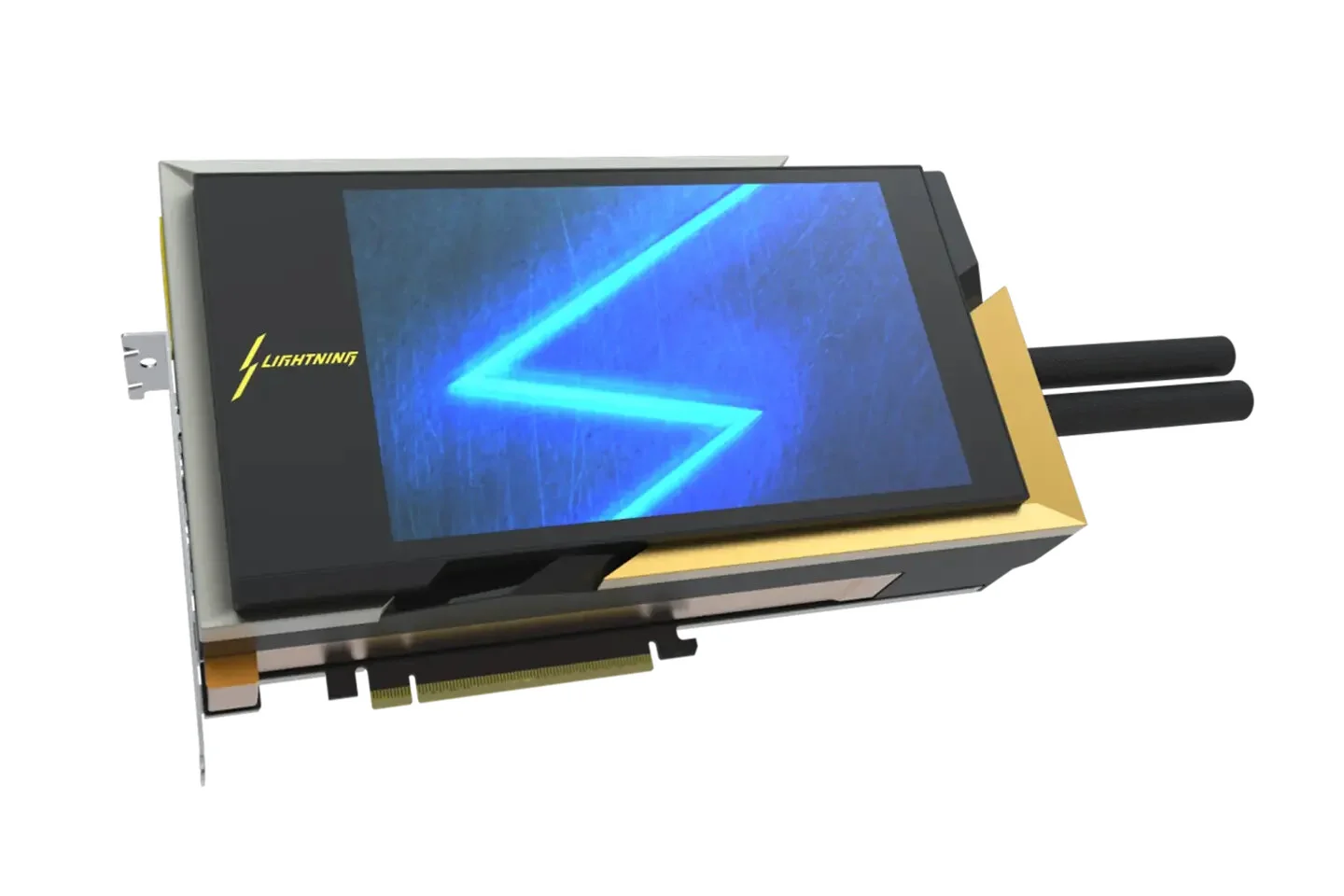
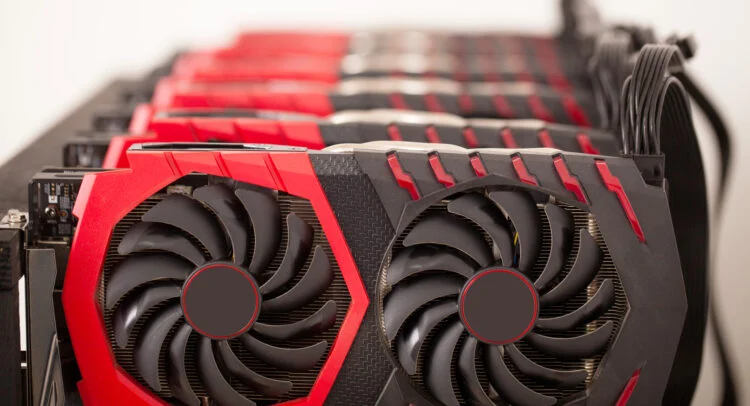
MSI unveiled its most powerful GPU to date, the GeForce RTX 5090 Lightning Z, featuring a 40-phase VRM, up to 3,742 MHz overclocked speed, and advanced cooling with a full-copper cold plate and 360 mm radiator, designed for extreme overclocking with a limited production run of 1,300 units.
MSI has unveiled the GeForce RTX 5090 Lightning Z at CES 2026, featuring a liquid-cooled system, a large front display, reinforced PCB, and high power delivery capabilities up to 2,500 W for extreme overclocking, with benchmarks showing record-high clock speeds of 3,742 MHz.
The article explores the significance of ASML's $400 million EUV lithography machine, essential for GPU manufacturing and AI development, highlighting its complex technology, geopolitical implications, and the inevitable progression towards more advanced and expensive machines, reflecting on the fleeting nature of technological dominance.
Nvidia made a $20 billion acquisition of AI inferencing startup Groq to strengthen its position in the growing AI inferencing market, which could help it maintain its leadership in AI technology and continue its explosive growth.
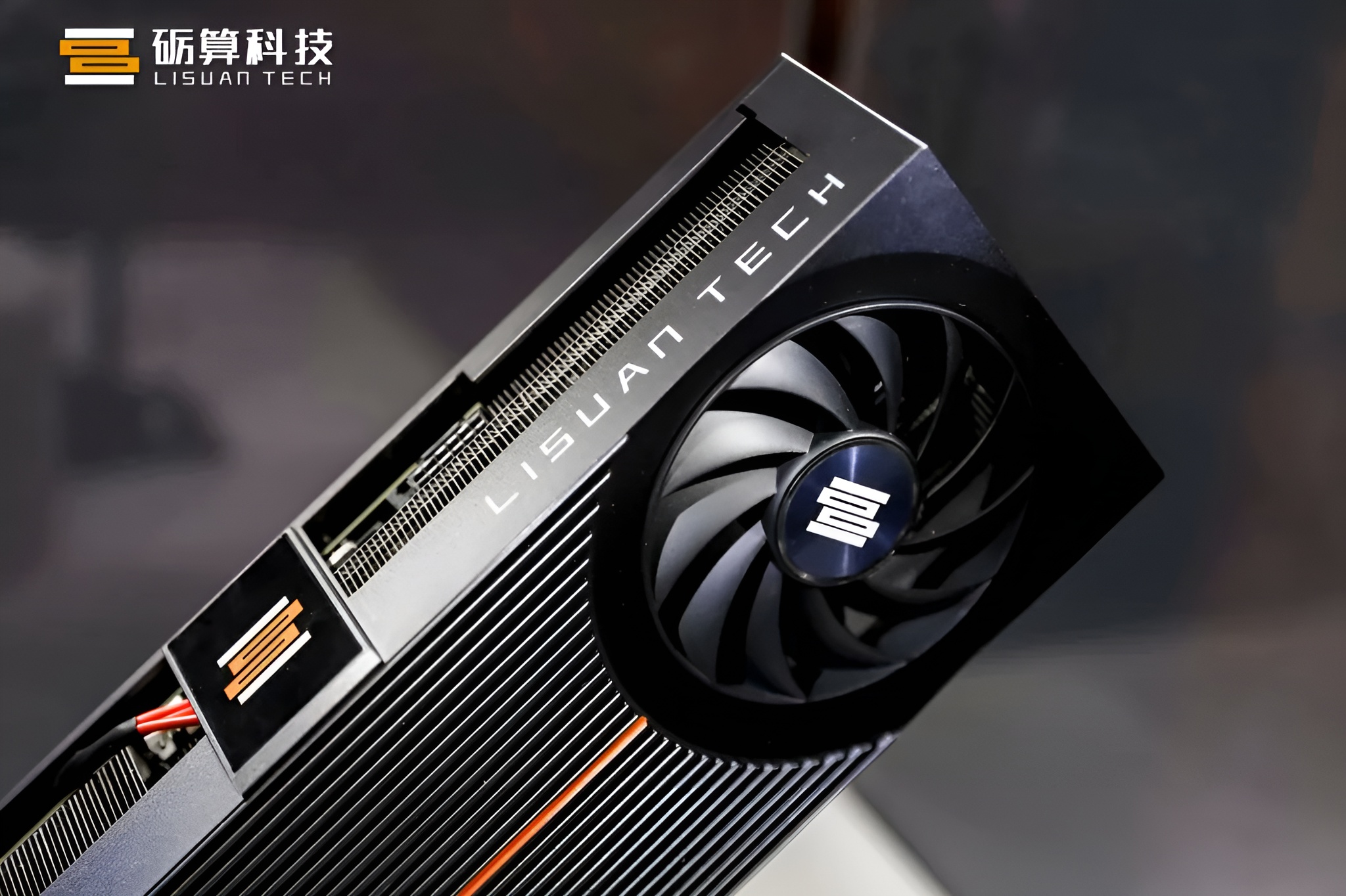
China's Lisuan G100 GPUs have begun shipping, initially targeting professional workloads, with plans to enter the retail market by Q1 2026. The GPUs feature advanced architecture, support for Windows on ARM, and aim to compete with NVIDIA and AMD, especially in the Chinese market.
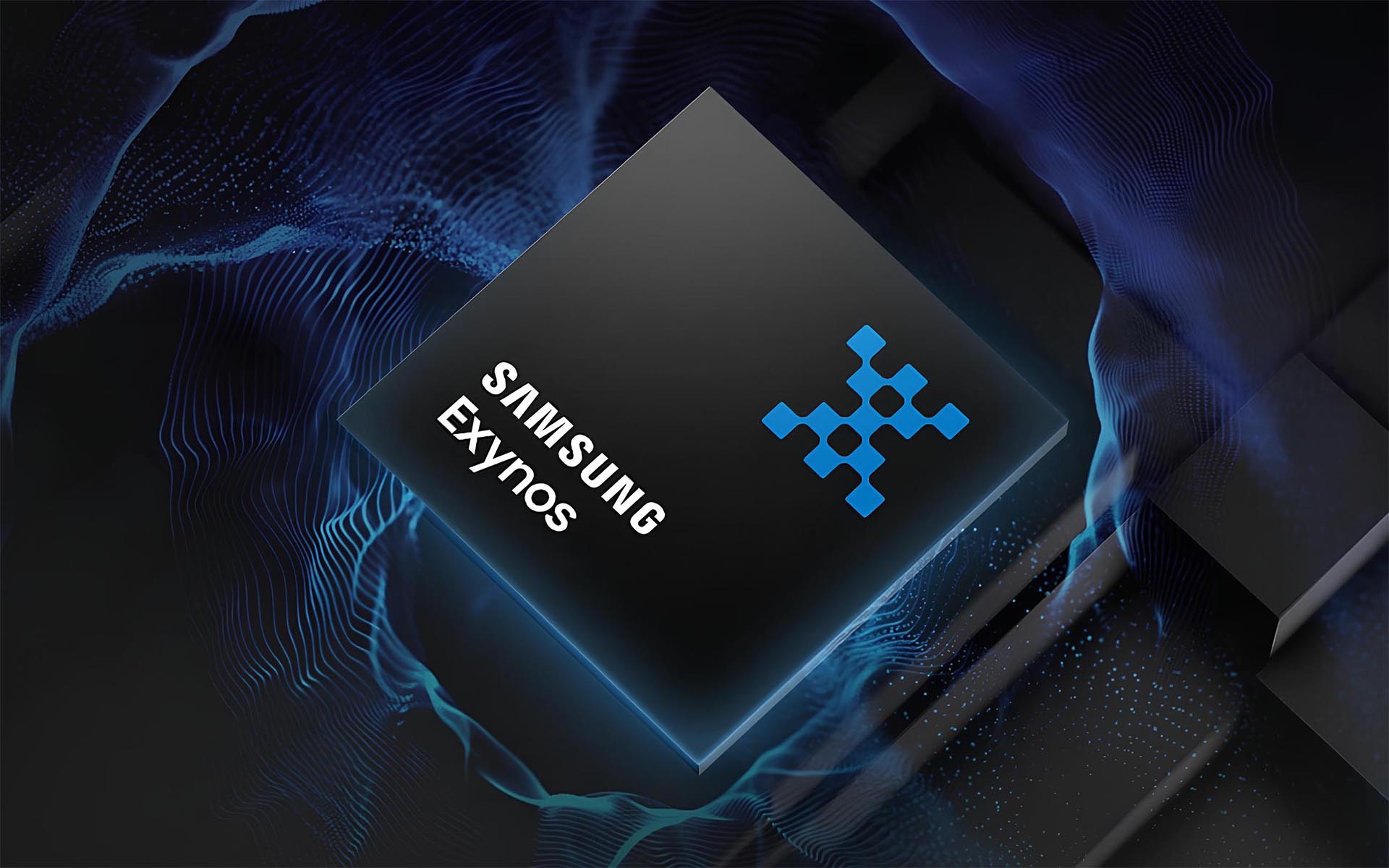
Samsung is developing its own proprietary GPU architecture for future Exynos processors, potentially starting with the Exynos 2800 in 2027, aiming to improve AI functions and software optimization, and possibly extending this technology to other devices beyond smartphones.
The article explains how AI works by breaking down the process into steps involving energy generation, data center infrastructure, hardware like GPUs, and software, illustrating that AI's 'magic' relies on a complex stack of energy, hardware, and software working together to produce outputs like images or text.
Samsung is developing the Exynos 2800, scheduled for launch in 2027, which may feature the company's first in-house GPU, expanding its application beyond smartphones to areas like autonomous vehicles and robotics. The company is investing heavily in its semiconductor division, recruiting top talent and advancing its manufacturing processes, aiming to create a unified ecosystem with its custom silicon.
AMD may benefit from a potential deal with Alibaba to supply GPUs in China, which could significantly boost revenue, but regulatory approval remains uncertain. Despite geopolitical and regulatory challenges, AMD's strong recent stock performance and consistent revenue growth make it an attractive investment option for 2026.
Nvidia's stock is projected to reach around $221 by the end of 2026, driven by strong growth in AI data center demand and a conservative 30% revenue growth estimate, making it a promising investment despite recent market pullbacks.
The University of Texas at Austin is doubling its AI computing capacity at the Center for Generative AI to over 1,000 GPUs, enhancing research in biosciences, healthcare, and NLP, supported by a $20 million state investment, and making it a leading hub for open-source AI development.
Amazon is offering the Asus GeForce RTX 5070 at a record low price of $584, providing high-end gaming performance with 12GB GDDR7 memory, Ada Lovelace architecture, and DLSS 3.5, making it an excellent upgrade for gamers seeking 4K gaming and future-proof features.