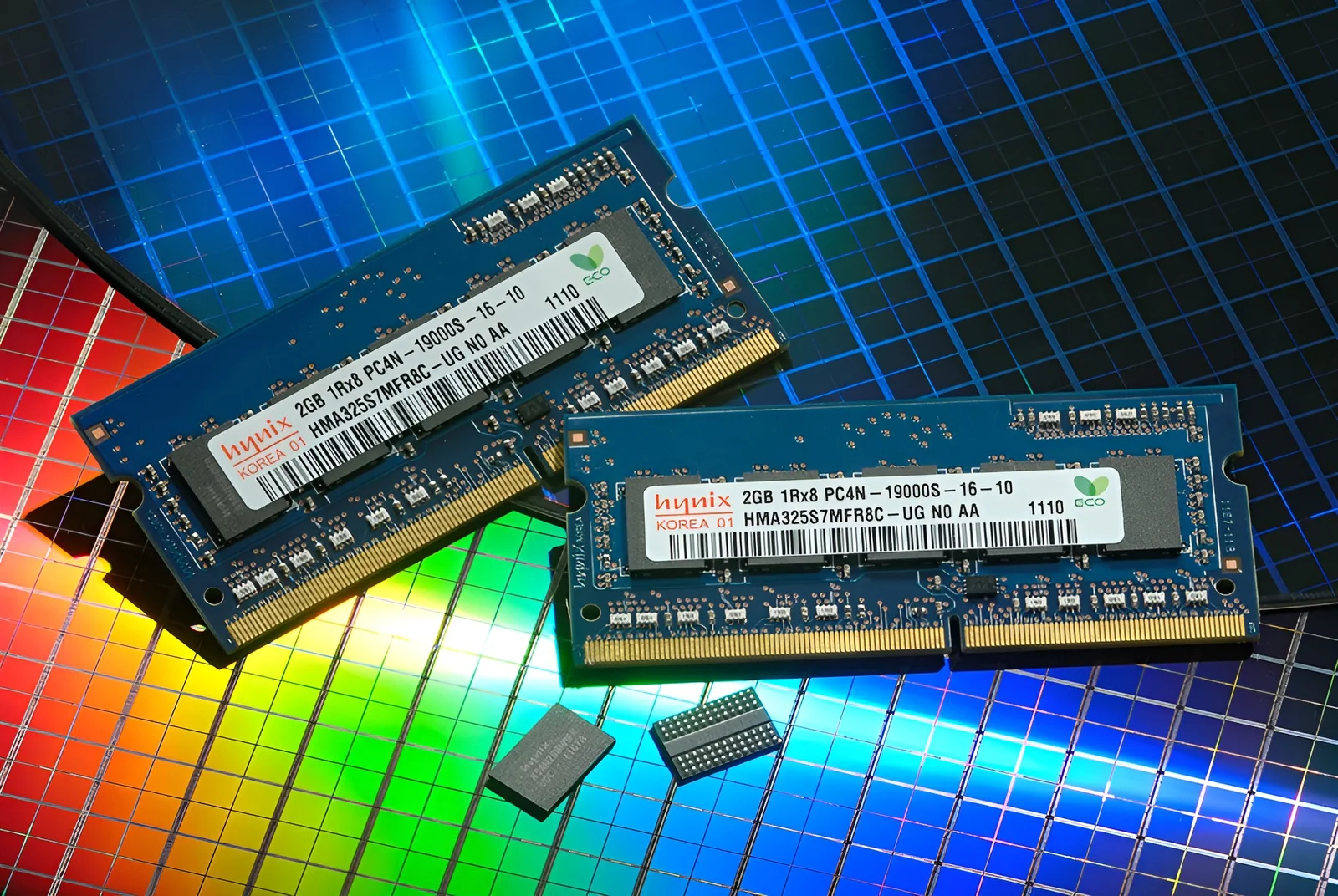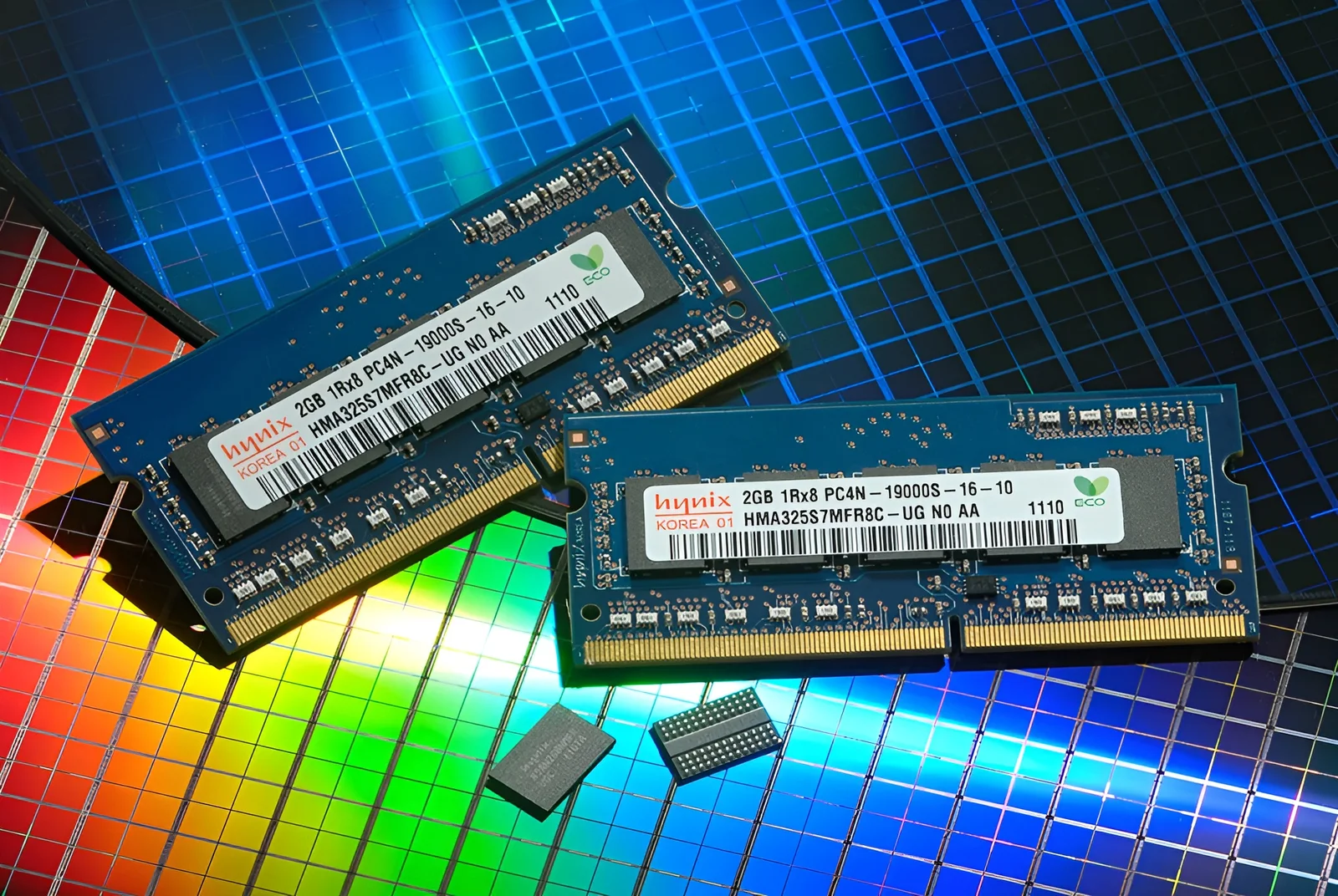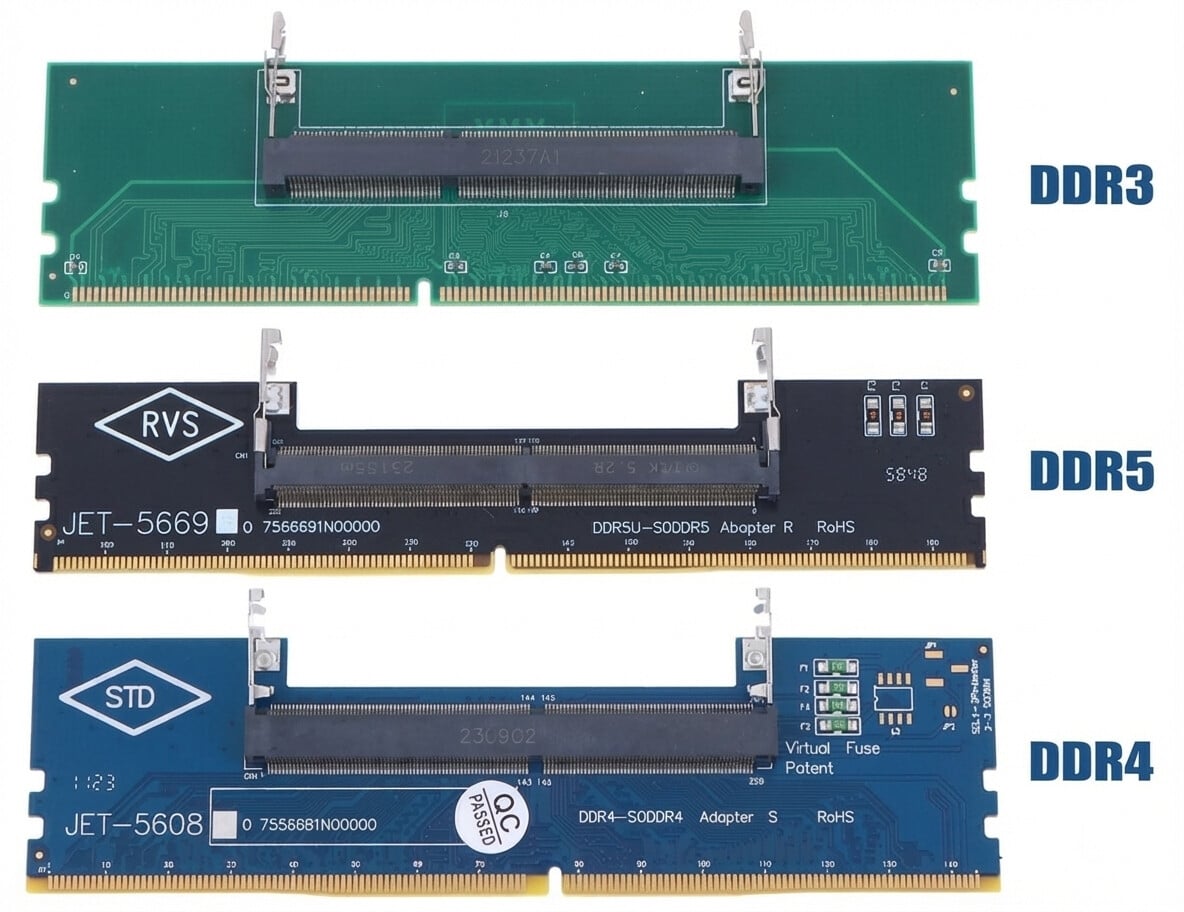
With rising DRAM costs, gamers are increasingly using SODIMM-to-DIMM adapters to repurpose affordable laptop memory for desktop builds, offering a cost-effective but performance-limited solution.
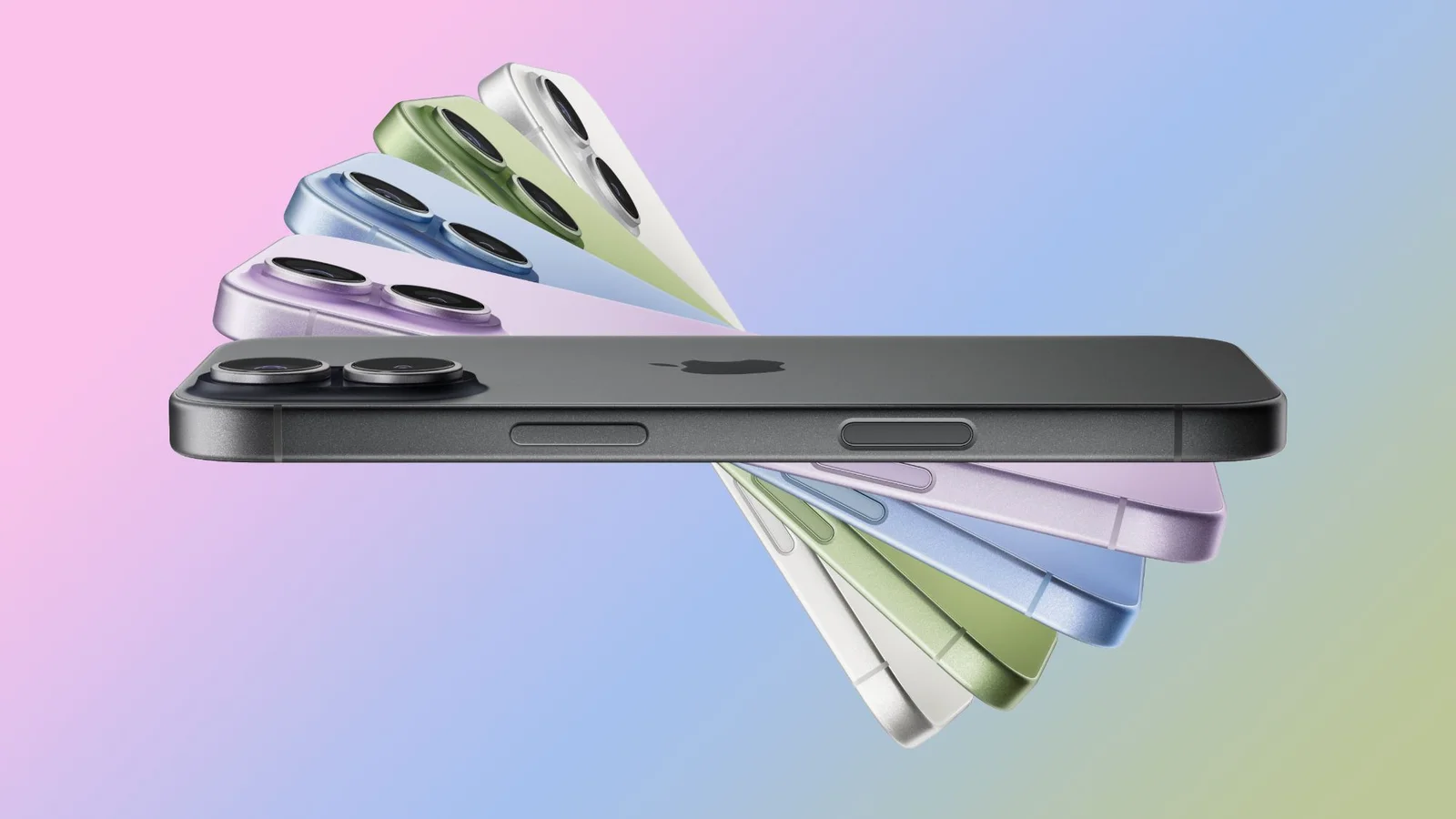
Apple is well positioned to withstand the upcoming surge in DRAM prices, according to Counterpoint, due to its strategic market position and supply chain management.
AMD has developed a new patent that doubles memory bandwidth by using a high-bandwidth DIMM (HB-DIMM) approach, which integrates additional chips to multiplex and re-time data streams, rather than improving DRAM silicon itself. This technique is especially beneficial for AI and bandwidth-intensive workloads, though it may increase power consumption and cooling needs.
Micron has stopped providing quotes for NAND and DRAM memory chips following a price increase by SanDisk, with expectations of even sharper price rises in the near future.
Micron and the Trump Administration announced a $200 billion plan to expand U.S. semiconductor manufacturing and R&D, including building new fabs in Idaho and New York, modernizing Virginia facilities, and advancing high bandwidth memory capabilities to meet AI-driven demand, creating approximately 90,000 jobs and reinforcing America's leadership in memory technology.
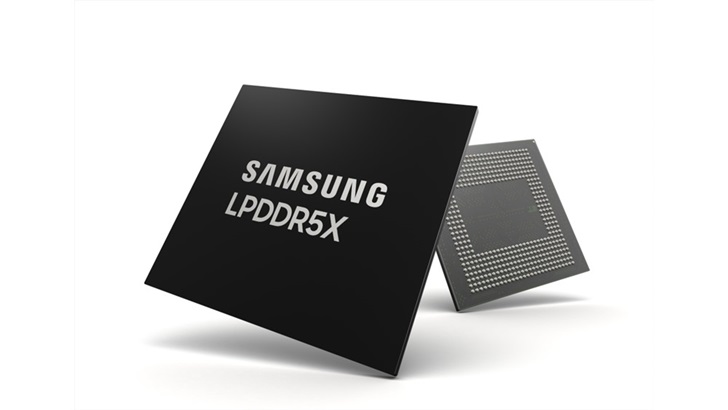
Samsung has developed the industry's fastest LPDDR5X DRAM, offering 10.7Gbps performance, 30% more capacity, and 25% higher power efficiency. This innovation is optimized for AI applications and is expected to expand into various sectors including PCs, accelerators, servers, and automobiles. The LPDDR5X is designed to meet the increasing demand for low-power, high-performance memory in the on-device AI era, with mass production scheduled to begin in the second half of the year.
Chris Danely, Citi's head of US Semiconductor Research, believes that the AI sector still has room for growth despite concerns of a potential bubble forming. He is bullish on semiconductors and sees memory, specifically DRAM, as the next catalyst for the AI market. Danely's top pick within the sector is Micron. He compares the current AI trend to the expansion of the semiconductor market during the advent of the internet, and while he acknowledges the cyclical nature of semiconductors, he does not see an end in sight for the current AI boom.
Intel's upcoming Lunar Lake processors are rumored to integrate Samsung's LPDDR5X DRAM chips, potentially improving performance, reducing space requirements, and enhancing battery life in laptops. This move could position Intel to compete more effectively with Apple and Qualcomm, but it also means that memory cannot be upgraded later. Samsung stands to benefit significantly from this reported deal, although it remains uncertain if they will be the sole supplier of LPDDR5X DRAM chips to Intel. Intel's 7nm Meteor Lake processors have already shown improved power efficiency, and the upcoming Lunar Lake chips, expected to launch by the end of 2024, are anticipated to offer even higher power efficiency gains with onboard DRAM made using Intel's 2nm process.
Micron has published its updated DRAM roadmap, revealing plans for high-capacity DDR5 memory devices, GDDR7 chips for graphics cards, and HBMNext for AI and high-performance computing applications. Micron aims to release 32 Gb DDR5 memory dies in the first half of 2024, enabling the production of 32 GB DDR5 modules with lower costs. The company also plans to introduce 128GB DDR5 modules in 2024, with further capacity expansions in 2025. Additionally, Micron is preparing for the launch of GDDR7 memory in the first half of 2024, offering increased bandwidth for next-generation graphics processors. In the HBM space, Micron is developing HBMNext with capacities of 36 GB and 64 GB, boasting high bandwidth per stack for AI and HPC applications.
Apple's upcoming Vision Pro headset will utilize a custom-designed low latency DRAM chip supplied by SK Hynix to support its R1 input processing chip. The R1 chip processes information from the headset's cameras, sensors, and microphones, streaming images to the displays with minimal lag. The 1-gigabit DRAM chip features an increased number of input and output pins and utilizes Fan-Out Wafer Level Packaging for improved processing speed. Apple's $3,500 headset is expected to be released early next year, with production potentially limited to under 400,000 units in 2024 due to supply issues.
The Apple M2 Ultra SoC has been delidded, revealing a massive chip with a rectangular layer of thermal grease in the middle where the two M2 Ultra chiplets are located, along with 12 DRAM dies scattered in groups of four on each side. The package size is bigger than Intel's Sapphire Rapids Xeon CPUs due to the DRAM being featured on the same PCB. While featuring this chip on a mobile form factor such as a Mac Pro Laptop may not be ideal due to the required cooling, it could be a possibility in the future as chiplets get smaller and DRAM gets denser.
Samsung has announced "meaningful" production cuts for NAND and DRAM due to the ongoing slump in demand that has impacted the entire memory industry over the last several months. The cuts come as Samsung Electronics has experienced a substantial drop in revenue and profits, with Q1 sales dropping 19% and operating profits plummeting 95%. Despite these cuts, Samsung intends to continue their long-term investment plans in new fabs. The reduction in memory fab utilization rate will decelerate the drop in commodity memory prices, but the oversupply issue is expected to persist until the third quarter.