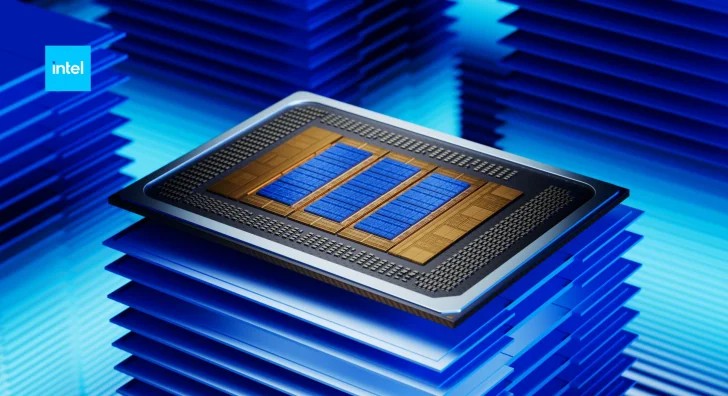
Intel's upcoming Clearwater Forest Xeon 6+ CPUs feature up to 288 Darkmont E-Cores, advanced 18A process technology with RibbonFET, PowerVia, and Foveros Direct3D packaging, promising significant performance and efficiency improvements for high-density servers, with launch expected in 2H 2026.
Originally Published 4 months ago — by Hacker News
The article discusses why x86 architecture hasn't caught up with Apple M series chips, highlighting factors like architectural inefficiencies, hardware-software integration, power management, and Apple's dedicated R&D, which have led to superior performance and battery life in Apple Silicon compared to traditional x86 CPUs from AMD and Intel.
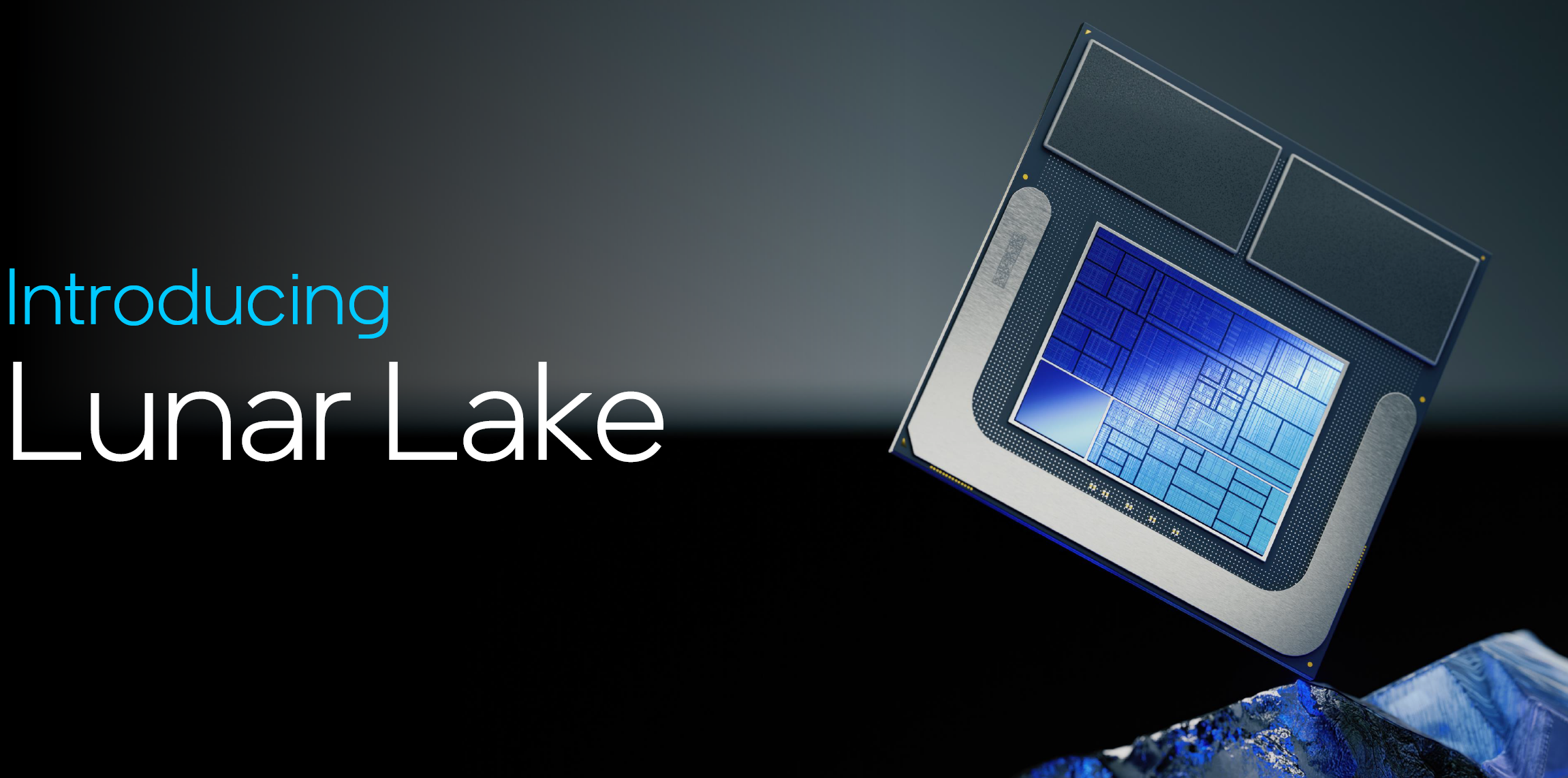
Intel's new Lunar Lake SOC, featuring Lion Cove P-Cores and Skymont E-Cores, promises significant performance and efficiency improvements. The architecture includes advanced packaging technologies, on-package memory, and a new Xe2 GPU. The Lion Cove P-Cores offer a 14% IPC gain, while the Skymont E-Cores provide up to 68% better floating-point performance. The SOC also integrates Intel's NPU 4 for enhanced AI capabilities and supports Wi-Fi 7 and Thunderbolt 4. The Lunar Lake chips are expected to launch in Q3 2024, with wider availability in Q4.
Arm CEO Rene Haas aims for a 50% market share in Windows PCs within five years, driven by Qualcomm's new Snapdragon X Elite CPUs. However, analysts are skeptical, noting that current Arm-based PC shipments are low and dominated by Apple Silicon. Achieving this goal would require significant market shifts and overcoming the entrenched x86 architecture from Intel and AMD.
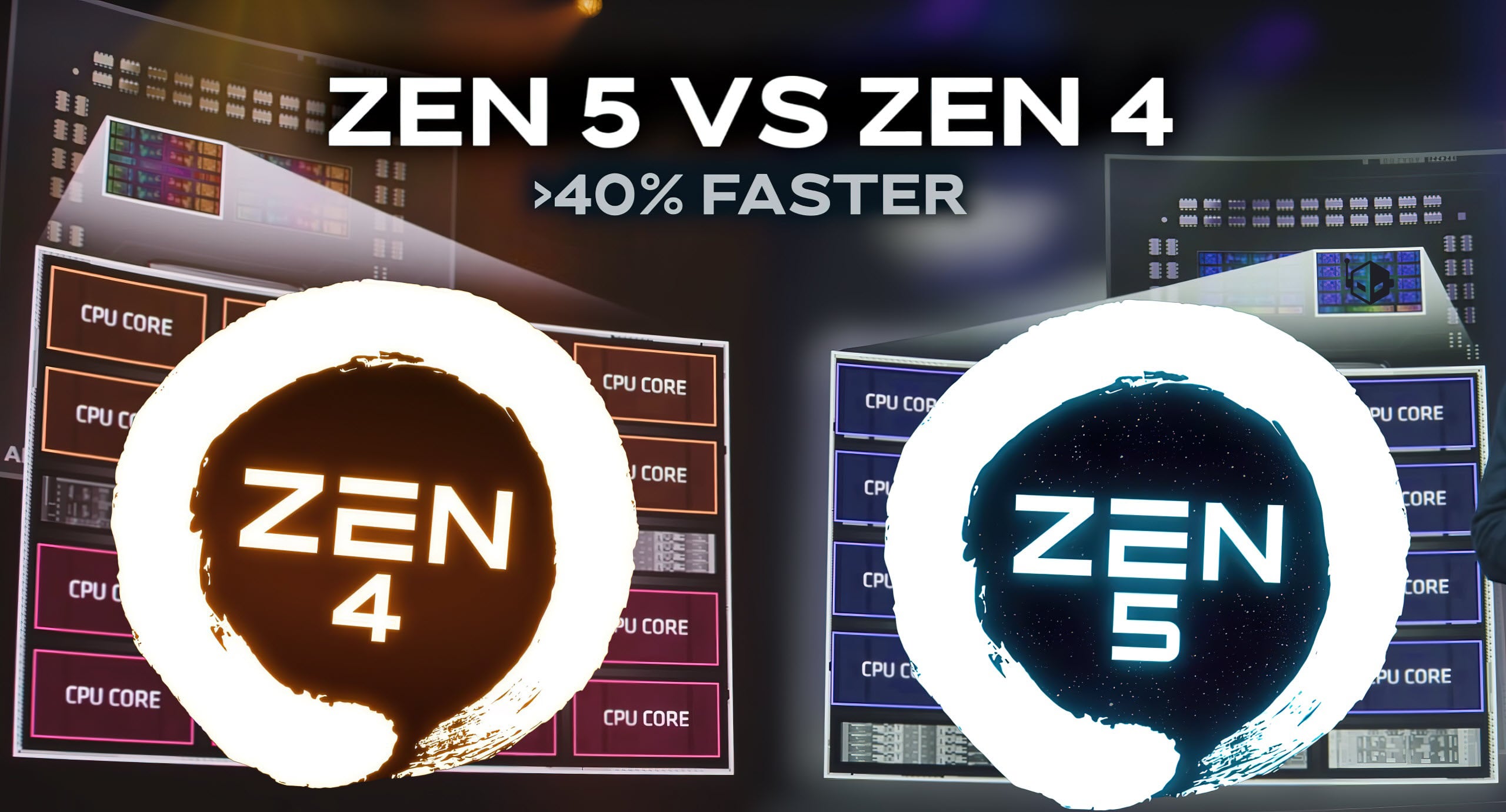
According to a hardware insider, AMD's upcoming Zen 5 CPU core architecture is rumored to be more than 40% faster than the existing Zen 4 core, with expected launch in the second half of 2024. The new architecture is anticipated to offer enhanced performance and efficiency, a re-pipelined front-end, wide issue, and integrated AI and Machine Learning optimizations. AMD is expected to introduce Zen 5 in desktop, mobility, and server CPU families, with potential for significant improvements in 3D V-Cache, Threadripper, and faster variants as the architecture matures.
Intel CEO Pat Gelsinger confirmed during the Q4’23 earnings call that the upcoming Arrow Lake and Lunar Lake offerings will provide a significant threefold increase in AI acceleration compared to the first AI-enabled product, Meteor Lake. Panther Lake, scheduled for a 2025 release, is projected to deliver twice the AI performance of these products, marking a sixfold increase compared to the initial release. The CPU architecture is expected to incorporate Cougar Cove P-Cores and Darkmont E-Cores, and will be a top-to-bottom client product with desktop and mobile variants.
Intel has confirmed that Meteor Lake CPUs will be released for desktop PCs in 2024, dispelling rumors of cancellation. The confirmation came from an interview with Intel's EVP of Client Computing Group. The Meteor Lake CPUs will be a part of Intel's next-gen CPU platform and will feature new architectures and graphics capabilities. The release of Meteor Lake CPUs for desktops is expected to coincide with the launch of mobile platforms in December 2023.
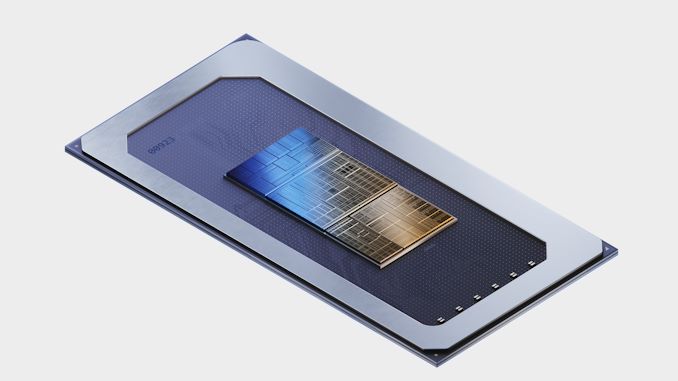
Intel has unveiled its upcoming Meteor Lake client platform, which marks a significant shift in the architecture of its consumer chips. Meteor Lake utilizes a tiled, disaggregated chiplet architecture, breaking up the functions of a CPU into four individual tiles. It introduces new cores, including a low-power island, and incorporates a Neural Processing Unit for on-chip AI capabilities. The architecture is built on Intel's Foveros 3D packaging technology and aims to enhance performance, energy efficiency, and power management. Intel sees Meteor Lake as a crucial step in its strategy to drive PC innovation for the next decade and compete in the mobile market.