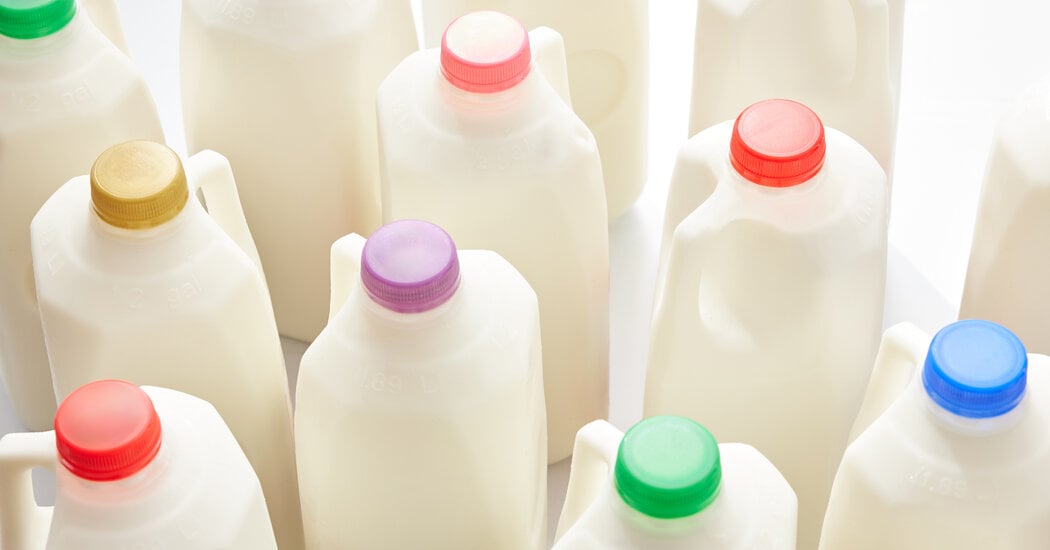
The article discusses the debate over whether whole milk or low-fat milk is better for health, highlighting that traditional guidelines recommend low-fat dairy due to concerns about saturated fat and heart disease, but recent science may offer a different perspective.
Recent research suggests that the long-held advice to favor low-fat dairy over full-fat options may be outdated, as evidence indicates that full-fat dairy like cheese and whole milk could have neutral or even beneficial effects on heart health, challenging traditional dietary guidelines.
In the 1990s, SnackWell's low-fat cookies became a popular guilt-free treat, but their high sugar and refined carbs revealed the flaws of the low-fat diet craze. Despite initial success, changing dietary trends and consumer criticism led to their decline, yet their legacy influences modern diet products today.
A large, decades-long study found that the quality of food consumed is as important as whether one follows a low-carb or low-fat diet, with high-quality foods like whole grains, fruits, and vegetables reducing heart disease risk, while processed and animal-based foods increase it.
The debate between full-fat and low-fat milk continues, with recent trends showing a shift back to full-fat milk. Studies have found that full-fat dairy may not negatively impact blood pressure, cholesterol, or the risk of type 2 diabetes, and may even decrease the risk of heart disease and mortality. However, individuals with lactose intolerance should opt for naturally lower lactose dairy products or lactose-free alternatives.
Consuming protein-rich meals and snacks is essential for health, and incorporating lean protein sources like skinless chicken breast, Greek yogurt, lentils, tofu, and seafood can help boost protein intake while keeping fat and calorie levels low. While lean proteins are beneficial for those needing to control certain health conditions or cut back on calorie intake, it's important to choose protein sources based on their overall nutritional value rather than just their fat and calorie content.
The debate between full-fat and low-fat dairy continues, with recent research challenging the perception that low-fat options are healthier. While governments and health bodies advocate for dairy as a vital part of a balanced diet, a study suggests that children consuming full-fat dairy may have better health outcomes. Emerging evidence also suggests that certain fatty acids in dairy fats could reduce the risk of heart disease and type 2 diabetes. Fermented dairy products like unsweetened full-fat yogurt and specific cheeses are linked to potential health benefits. The myth associating low-fat milk and cheese with weight gain is debunked, and the fat content in dairy may not be a significant concern for those incorporating these products into their diet.
The debate over whether low-fat dairy products are healthier than full-fat options continues. While the U.S. dietary guidelines recommend choosing fat-free or low-fat versions to reduce the risk of heart disease, recent studies have found that the level of fat may not be as important as the type of dairy product consumed. Research suggests that both reduced-fat and full-fat dairy products can have health benefits, such as lower risks of high blood pressure, cardiovascular disease, and Type 2 diabetes. Short-term trials have also shown that consuming dairy products, including full-fat options, does not harm heart health. However, long-term clinical trials are needed to confirm these findings. It is recommended to aim for three servings of dairy per day, with one or two servings of yogurt and cheese, preferably unsweetened versions. The evidence on saturated fat consumption and cardiovascular disease risk is currently being reviewed, which may lead to changes in dairy food recommendations.
Recent research has questioned the long-standing belief that low-fat dairy products are healthier than full-fat options. Studies have found associations between dairy consumption and lower risks of conditions like high blood pressure, cardiovascular disease, and Type 2 diabetes, regardless of the level of fat in the dairy product. While full-fat dairy products are higher in calories, they do not necessarily lead to weight gain. Certain types of dairy, such as yogurt and cheese, appear to be more beneficial due to their fermentation process and the presence of good bacteria. Experts suggest aiming for three servings of dairy per day, with one or two servings of whole-fat milk, yogurt, or cheese, while avoiding excessive calorie intake. The evidence is not yet strong enough to make a definitive dietary recommendation for full-fat dairy products.
Cottage cheese is not only a nutritious ingredient but also adds lightness, fluffiness, and richness to recipes. When mixed into scrambled eggs, it creates an extra-creamy dish. Opt for full-fat cottage cheese, stir it into whisked eggs, and add seasonings before cooking. Cook until the water evaporates if the skillet becomes too moist. For a smoother texture, blend the cottage cheese before using it and add shredded cheese towards the end of cooking.
A new study finds middle-aged adults who avoid foods high in fat are more likely to live longer than those who choose a diet low in carbohydrates. The study involved over 500,000 older people in the United States. Results show people who followed a low-carbohydrate diet (LCD) with unhealthy foods had a higher chance of dying prematurely. Meanwhile, those who followed a low-fat diet (LFD) with healthy foods had a lower chance of dying. Swapping out some unhealthy nutrients, like low-quality carbs or saturated fats, with healthier options like plant protein or high-quality carbs, lowered the risk of dying from all causes, heart-related issues, and cancer.