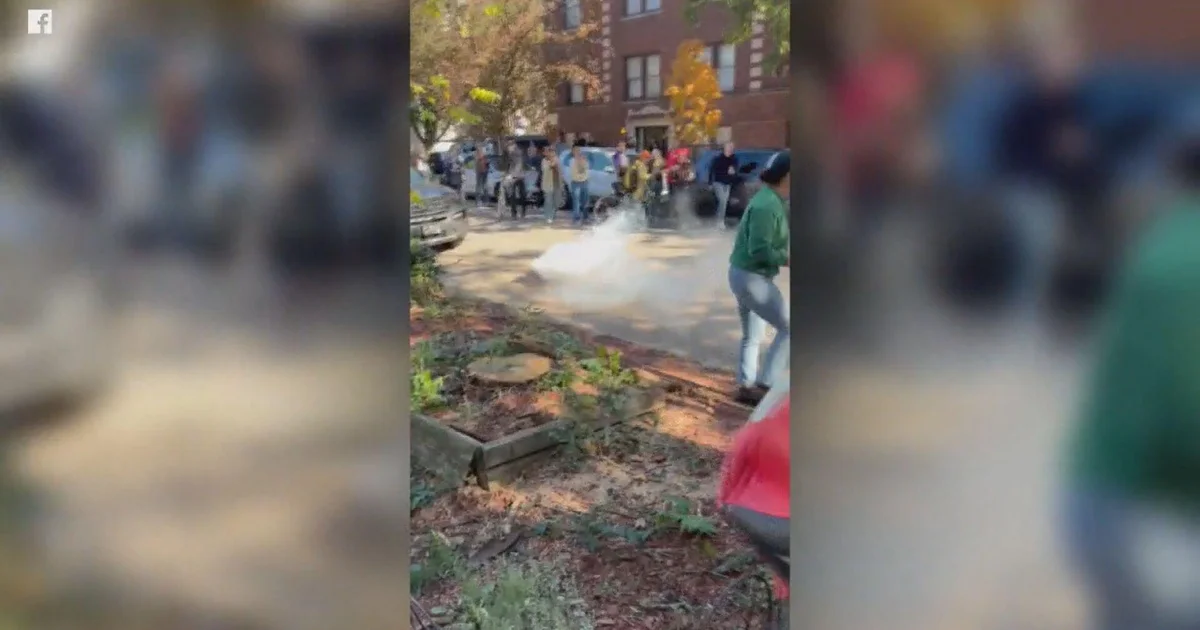
Federal agents in Chicago's North and Northwest Sides conducted operations that led to soft school lockdowns, tear gas use, and arrests, including detaining individuals outside clinics and in residential areas, causing community concern and protests.
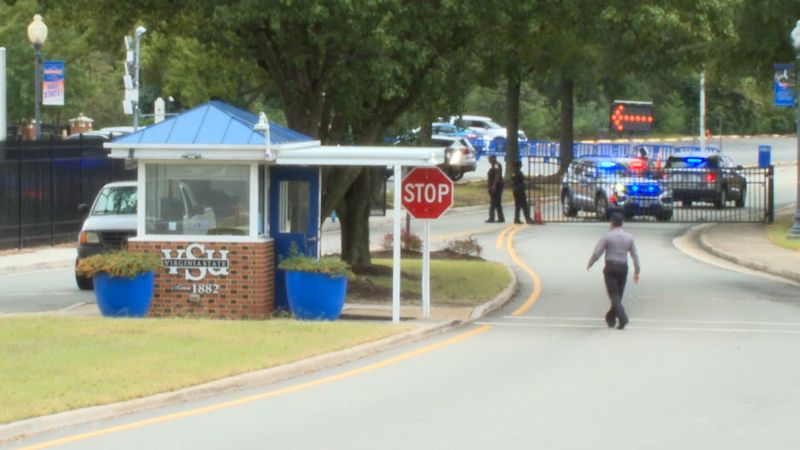
Several historically Black colleges and universities in the U.S. canceled classes and events after receiving false threats, leading to lockdowns and heightened anxiety, though the FBI confirmed the threats were hoaxes.
Multiple HBCUs across the U.S. experienced lockdowns and cancellations due to potentially terroristic threats, prompting investigations by law enforcement agencies amid concerns over racial motives and safety of students.
Several historically Black colleges and universities in the South experienced lockdowns or class cancellations due to unspecified threats, amid a recent surge in campus safety concerns and hoaxes across the country.
Research indicates that COVID-19 lockdowns have impacted the brain structures of adolescents, potentially affecting their mental health and development.
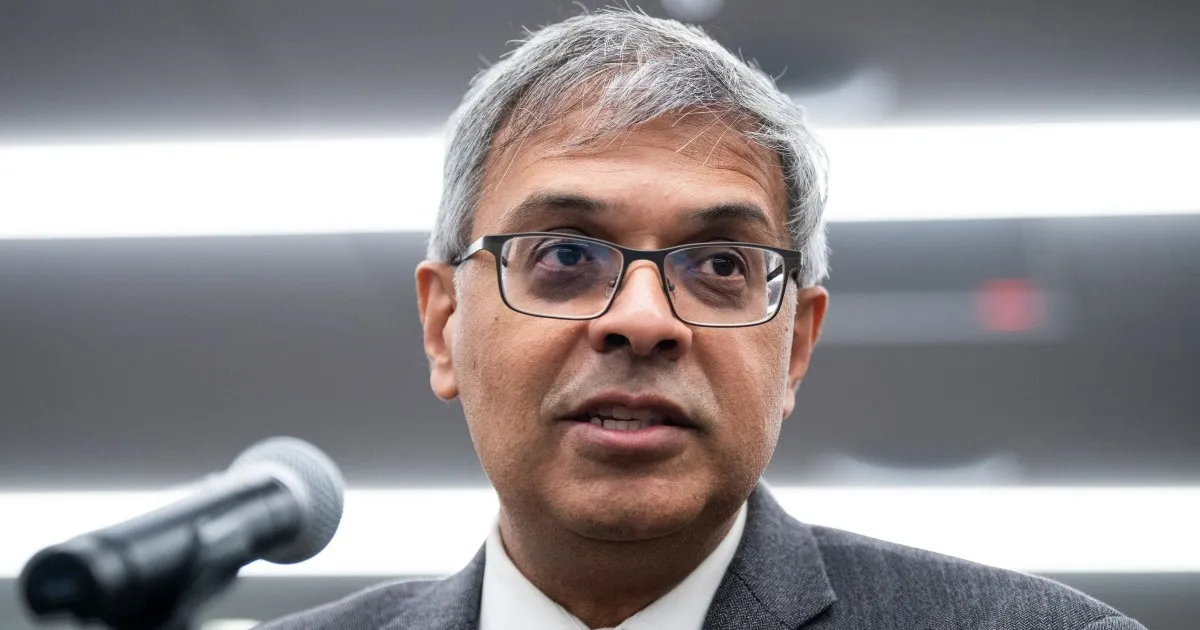
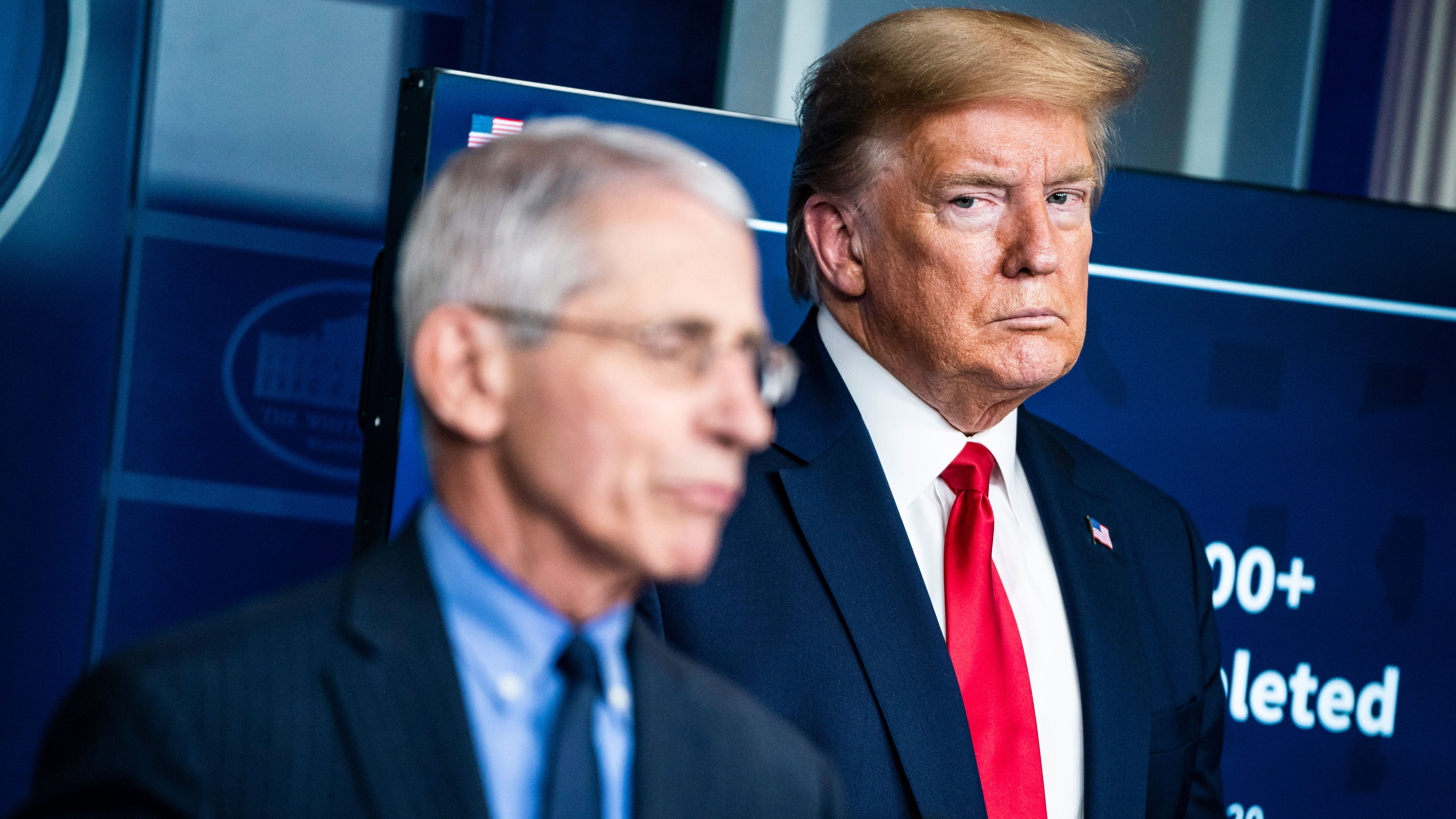
President-elect Donald Trump has nominated Dr. Jay Bhattacharya, a Stanford professor known for opposing COVID-19 lockdowns, to lead the National Institutes of Health (NIH). Bhattacharya co-authored the Great Barrington Declaration, advocating for 'Focused Protection' over widespread lockdowns, which he argued had negative health impacts. His nomination, alongside Robert F. Kennedy Jr. for the Department of Health and Human Services, reflects Trump's intent to reshape U.S. health policy. Bhattacharya's stance on lockdowns remains controversial, though some former critics have reconsidered their views.
A new report from the Committee to Unleash Prosperity criticizes the government's COVID-19 response, labeling lockdowns, school closures, and vaccine mandates as "catastrophic errors" that eroded public trust in health institutions. The report offers ten lessons to avoid repeating these mistakes, including limiting the powers of health agencies and halting binding agreements with the World Health Organization. It argues that lockdowns did not substantially reduce deaths and caused negative health impacts, while school closures and mask mandates also had little value. The report also criticizes the media, Big Tech, and public health community for stifling debate and recommends defining "public health emergency" with strict limitations on executive powers.
Researchers from Nagoya University have used AI and mathematical modeling to uncover the impact of human behavior, such as lockdowns and isolation measures, on the evolution of COVID-19. Their study reveals that these human responses affect the virus's evolution, making it more transmissible earlier in its lifecycle. The research highlights the intricate relationship between human behavior and disease-causing agents, providing new insights into virus evolution and the need to consider the impact of human behavior on public health strategies.
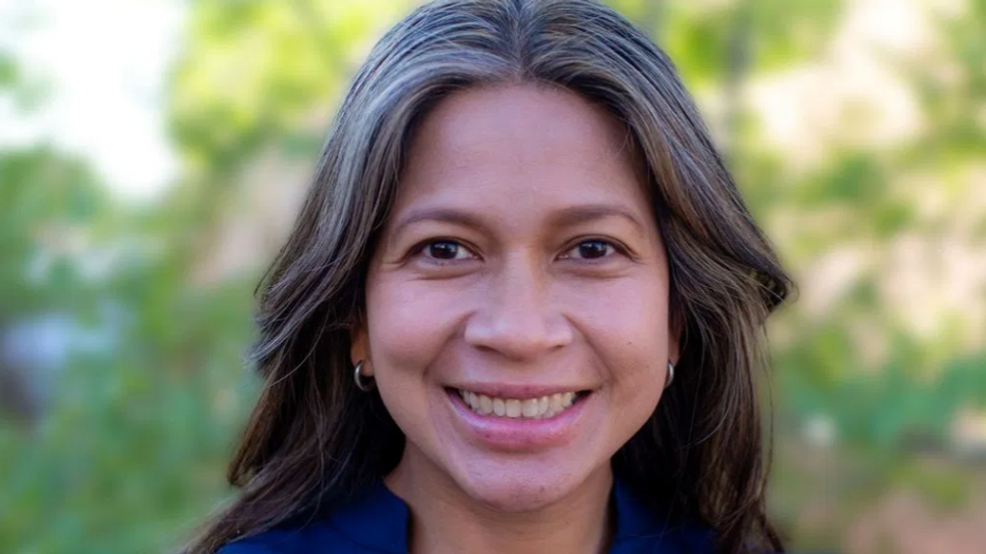
The new director of the Maine CDC, Dr. Puthiery Va, has stated that she is not currently considering implementing COVID-19 mandates or lockdowns in the state. Dr. Va received her medical degree from UNE.
This opinion piece discusses the impact of Covid-19 lockdowns on cancer patients, highlighting concerns about delayed diagnoses, treatment disruptions, and increased mortality rates. The author argues that while lockdowns were necessary to control the spread of the virus, they have inadvertently led to unintended consequences for cancer patients, emphasizing the need for a balanced approach that considers both public health and the well-being of those with other serious medical conditions.
China's economic rebound after lifting Covid-19 lockdowns has hit a wall, with recent data showing signs of a slowdown. Despite expectations of a rapid recovery, the dismantling of precautions has not led to the expected revival of the economy, raising concerns about the country's next chapter.
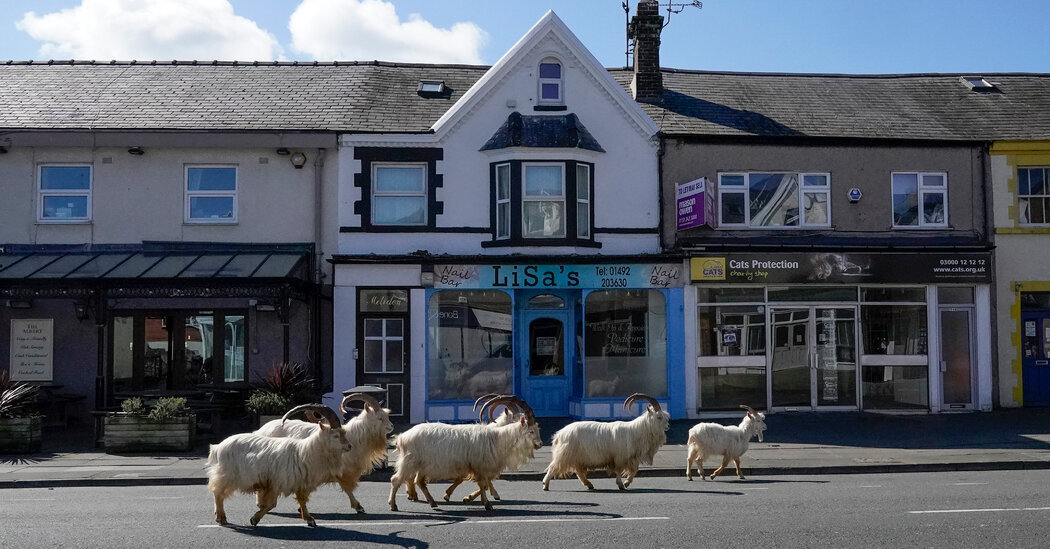
A global study published in Science found that wild mammals roamed more freely during pandemic-related shutdowns in early 2020, based on data collected by location-tracking tags affixed to 2,300 animals from 43 species. In places with the strictest lockdowns, the animals’ long-distance movements over a 10-day period increased by 73 percent, suggesting that the animals were ranging more widely and expanding their habitats. The study reinforces previous findings that many wild animals change their behavior when cars disappear, and suggests that temporary limits on traffic could have benefits for animals.
COVID-19 lockdowns have caused people to lose track of time and affected their memory, according to a study published in the journal PLOS One. Scottish researchers found that people made errors when trying to remember events from 2021, findings that are consistent with memory lapses experienced by people who have served jail time. The inability to accurately recall a timeline of events correlated with reports of depression, anxiety, and stressful physical and mental demands. The researchers believe that "anchoring" life events is vital for accurate recollection of timelines, and these were in short supply after pandemic lockdowns began in 2020.
A study conducted in the UK found that lockdowns during the Covid-19 pandemic may have had a similar impact on people's memories as serving jail time. The study asked 227 people to name the year in which important news events happened and found that the volunteers remembered events from 2021 about as poorly as those from four years earlier. The scientists said this was similar to what happens to people in prison, who lose the ability to track time because of the absence of 'reference events' like birthday parties and vacations. People had worse memories if they struggled with more anxiety and depression during the lockdowns.
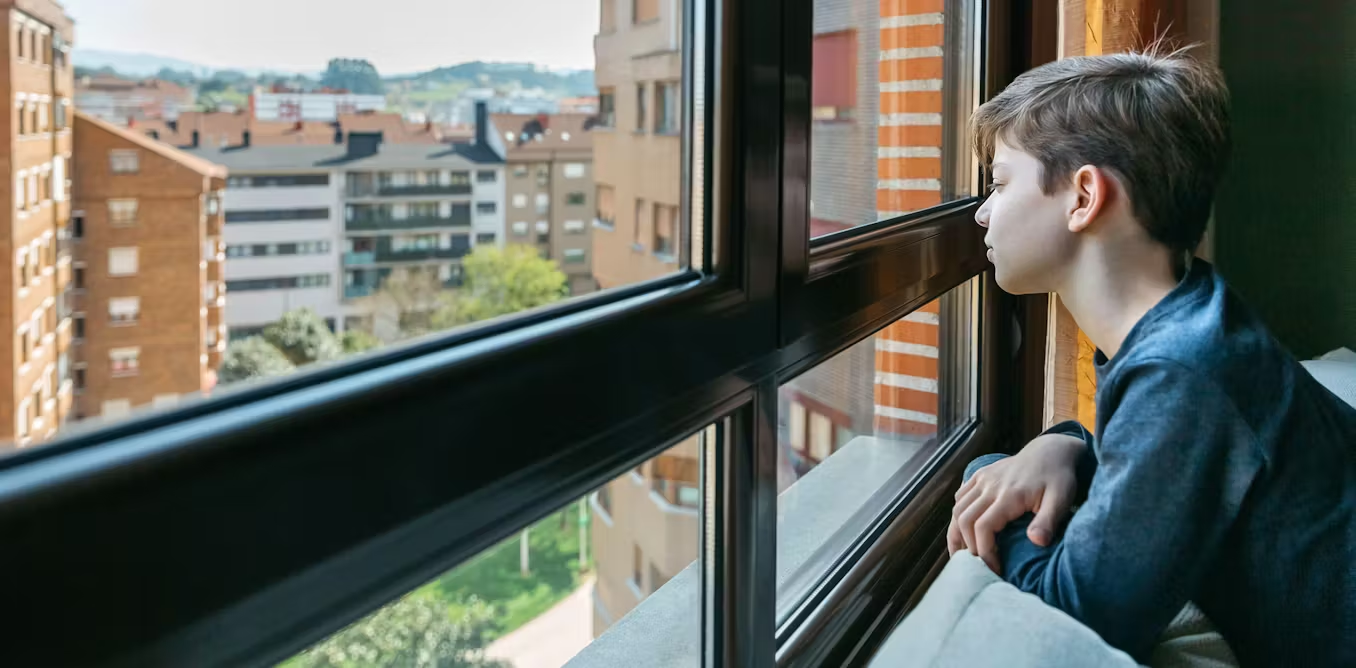
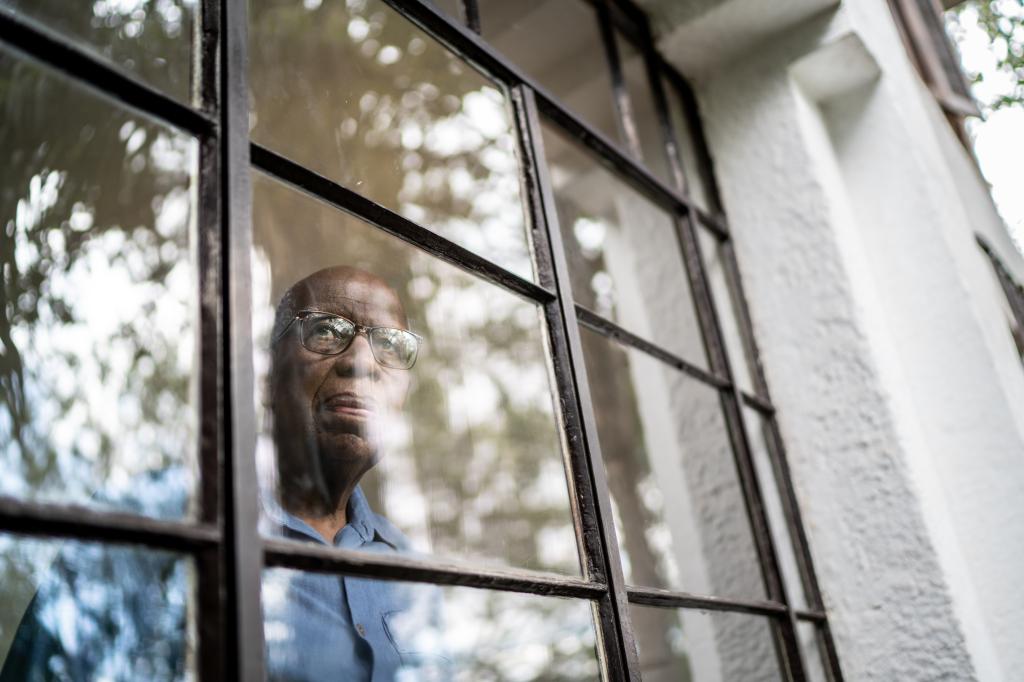
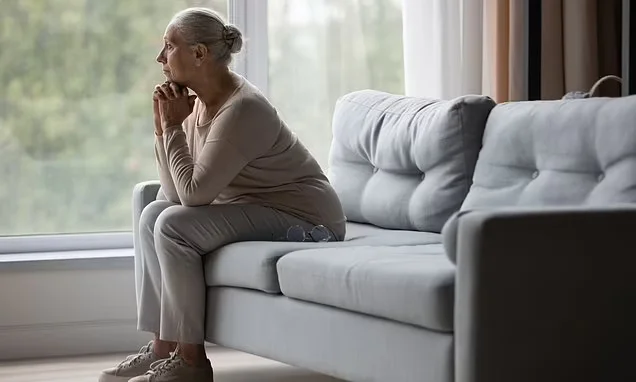
A study conducted in Spain during the COVID-19 lockdowns found that women, students, and those with problems at home had a higher risk of anxiety, while those with a poorer quality of view from their home had a higher risk of depression. The study suggests that having access to outdoor spaces or windows with views of nature can help combat anxiety and depression during lockdowns. However, the study has limitations and does not allow for cause-and-effect conclusions to be made.