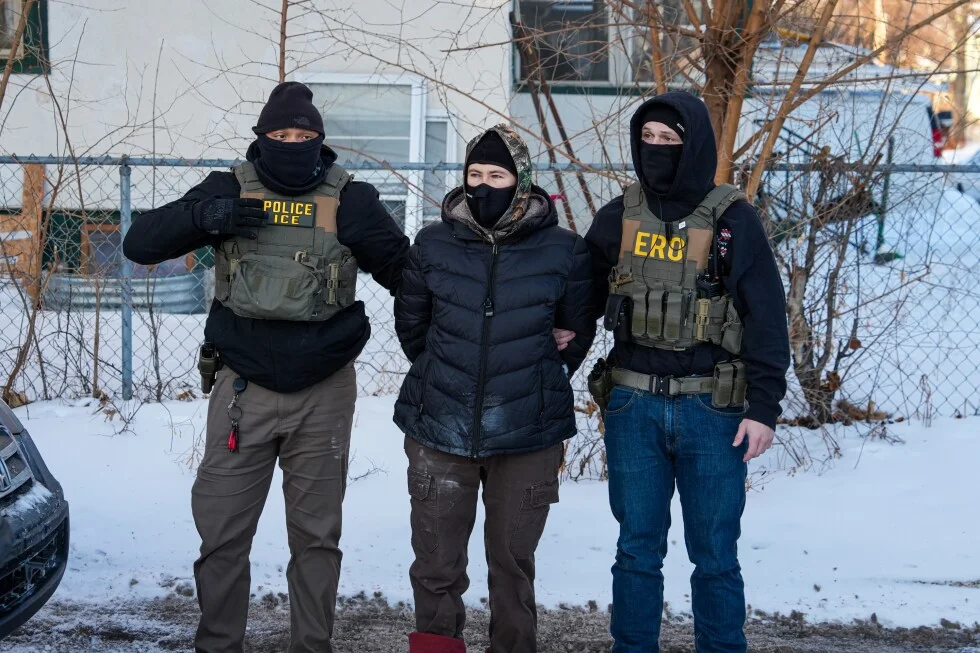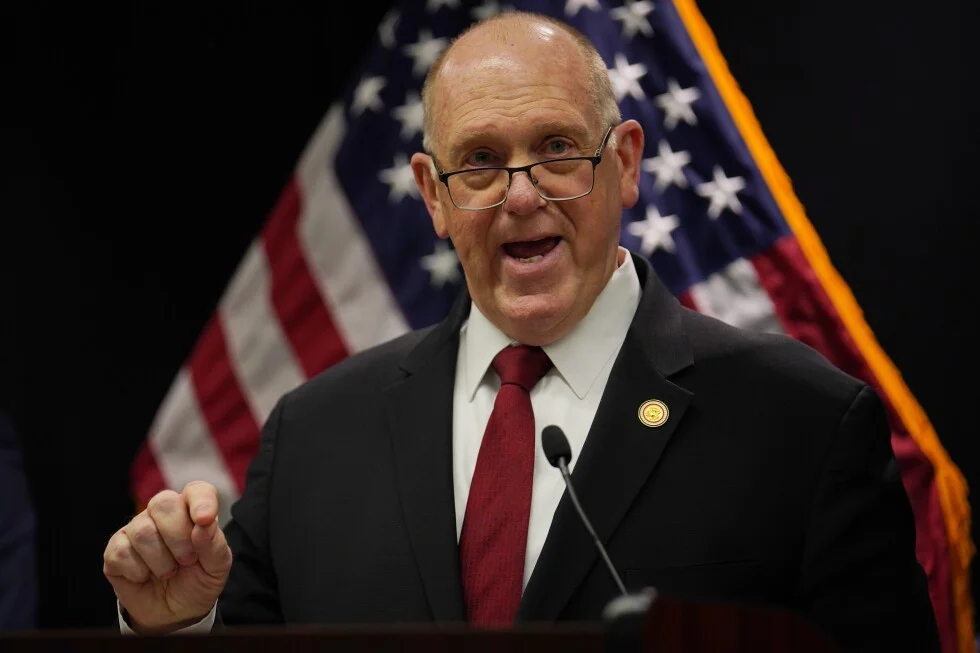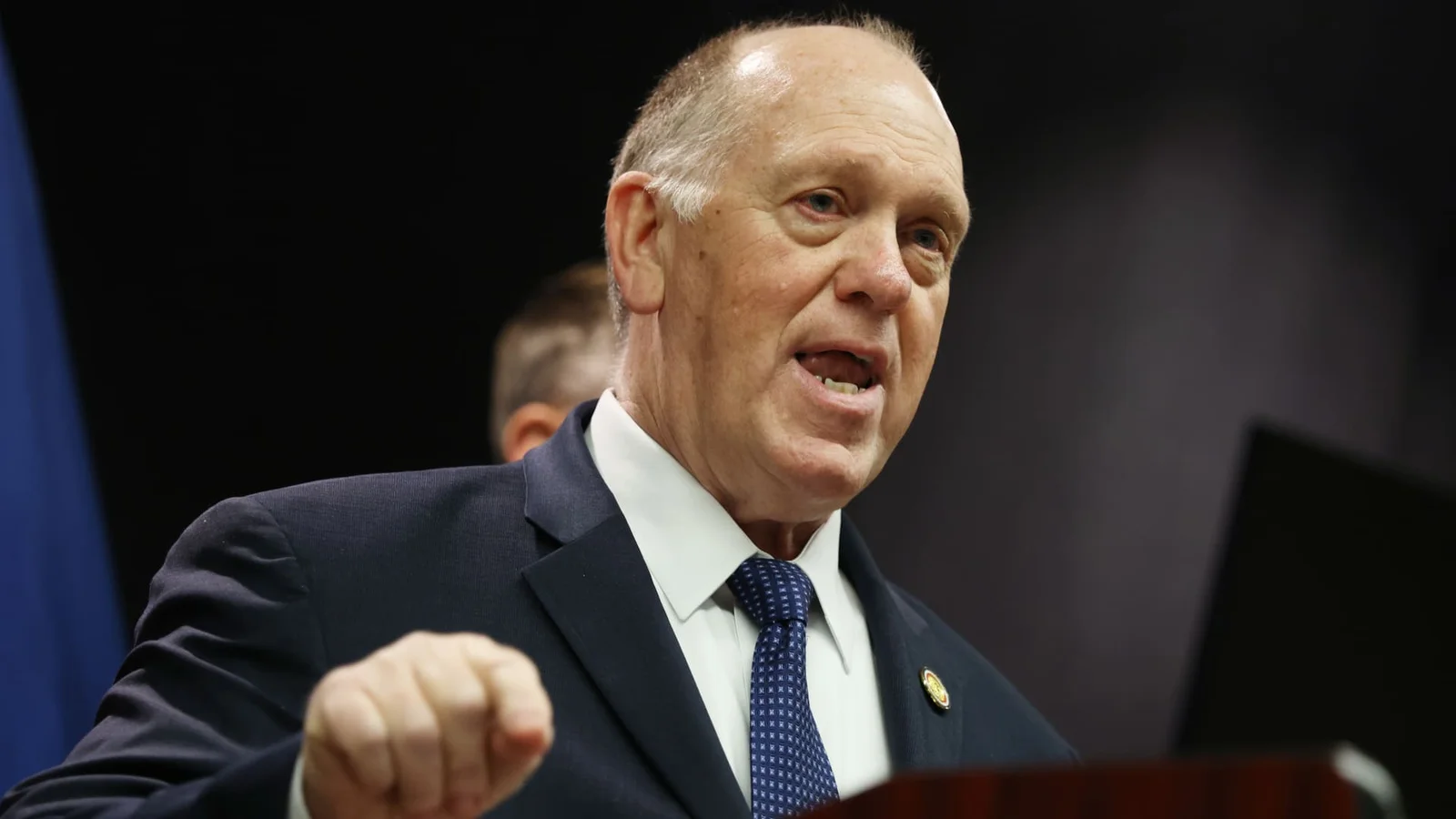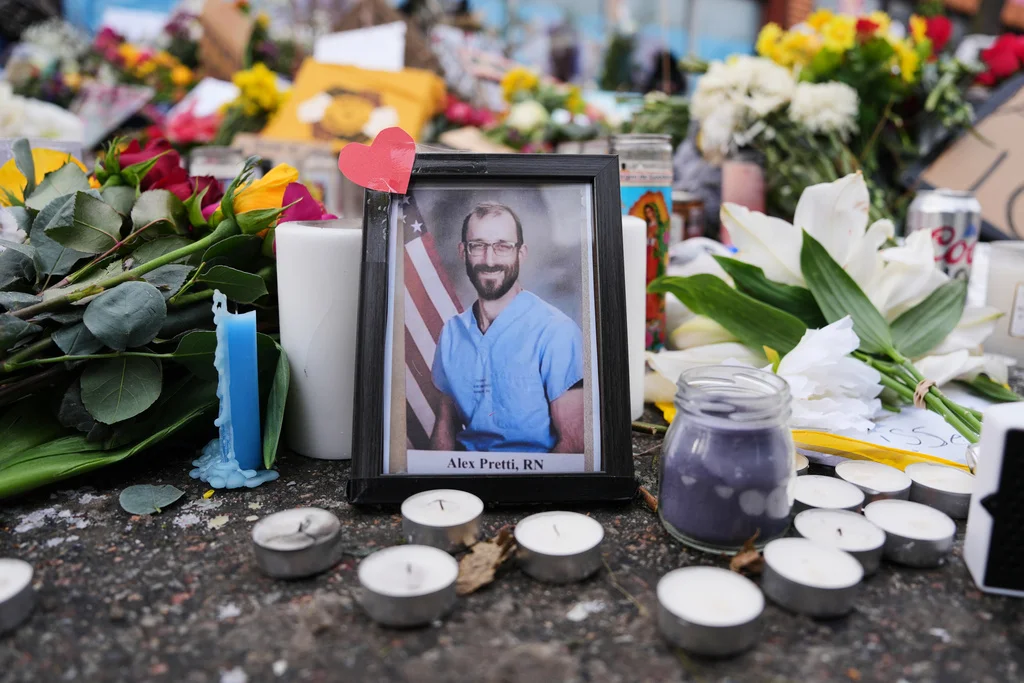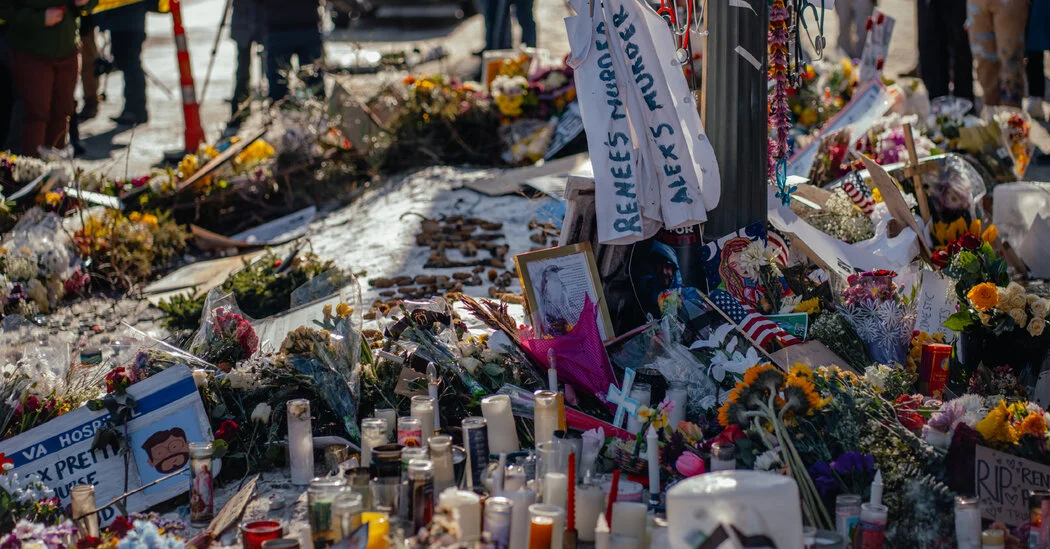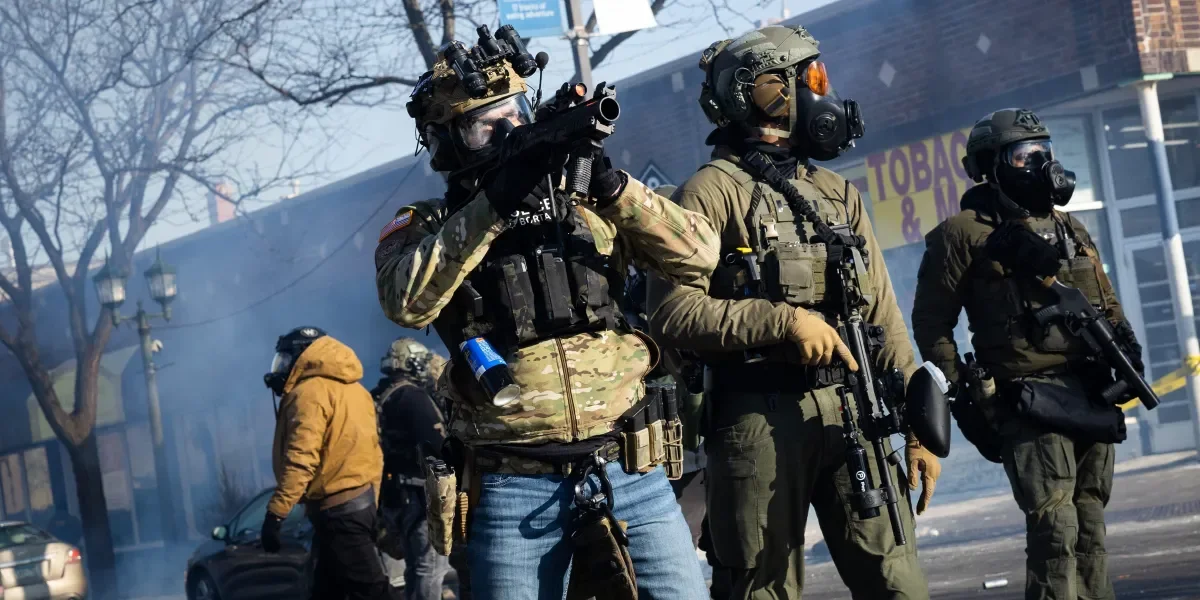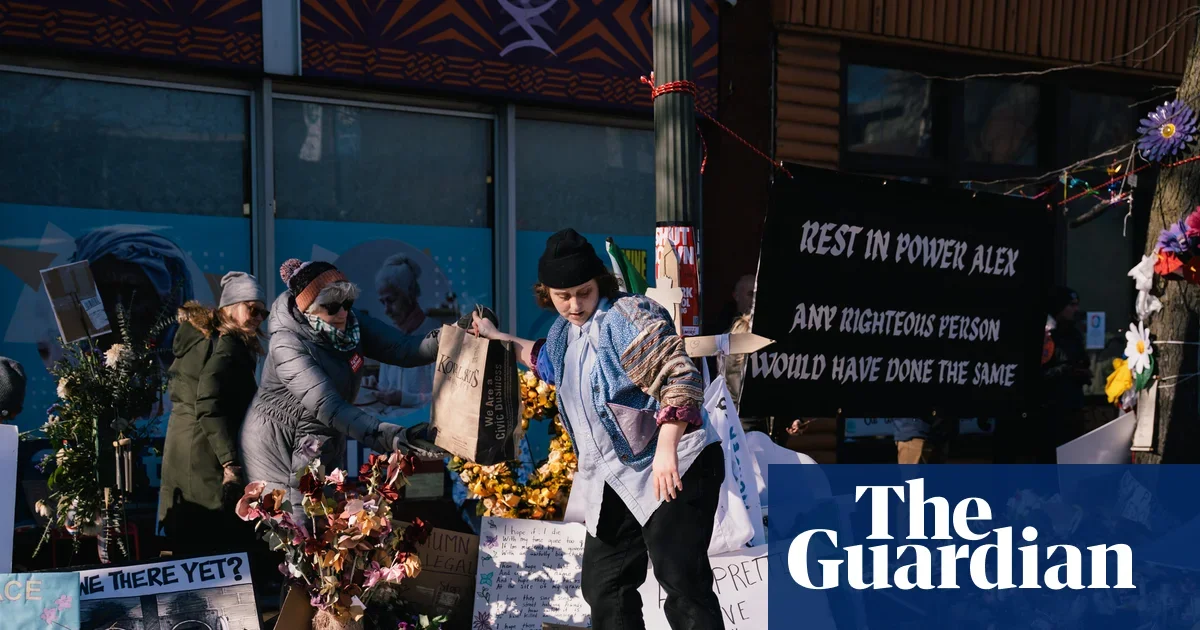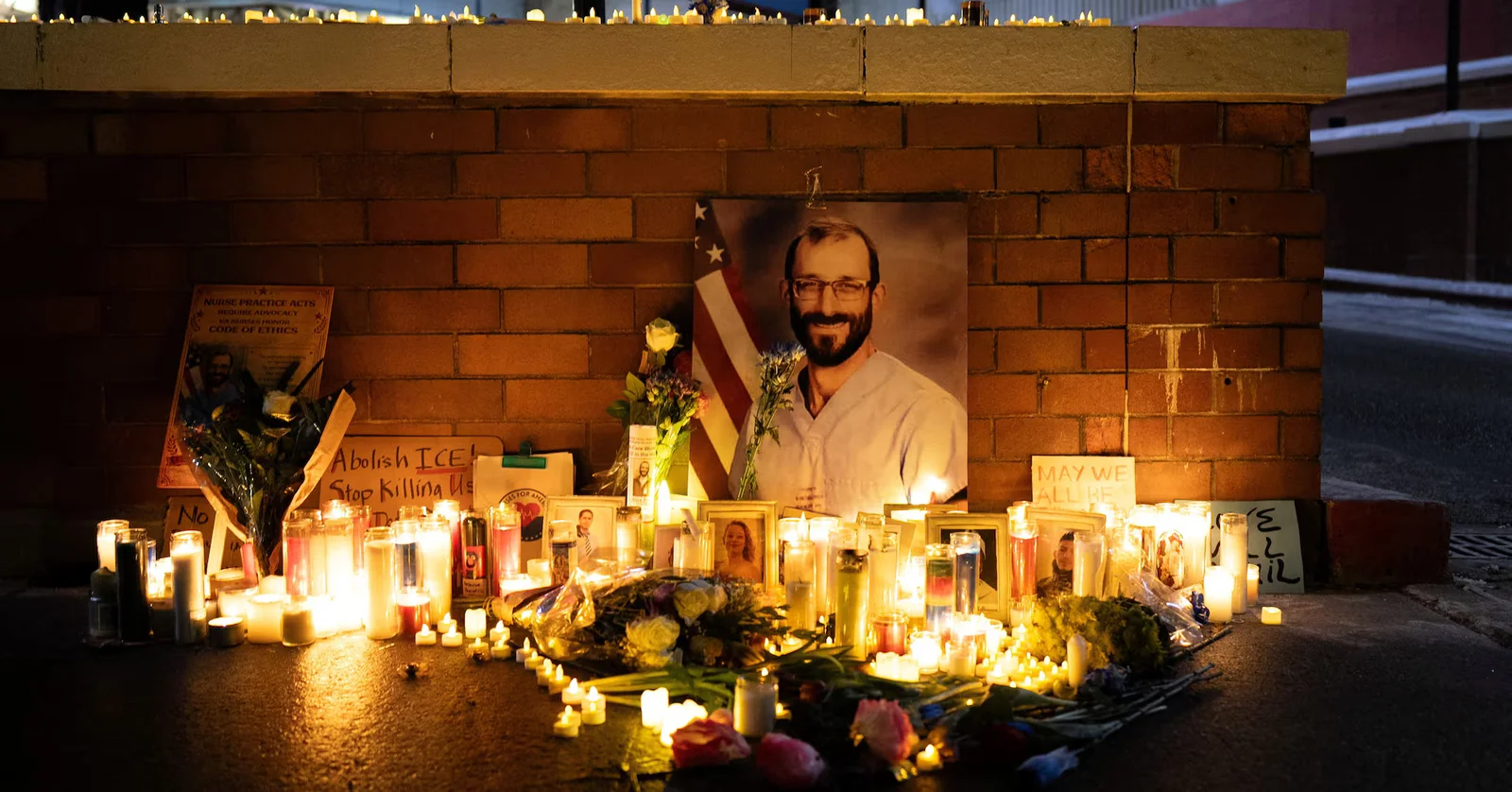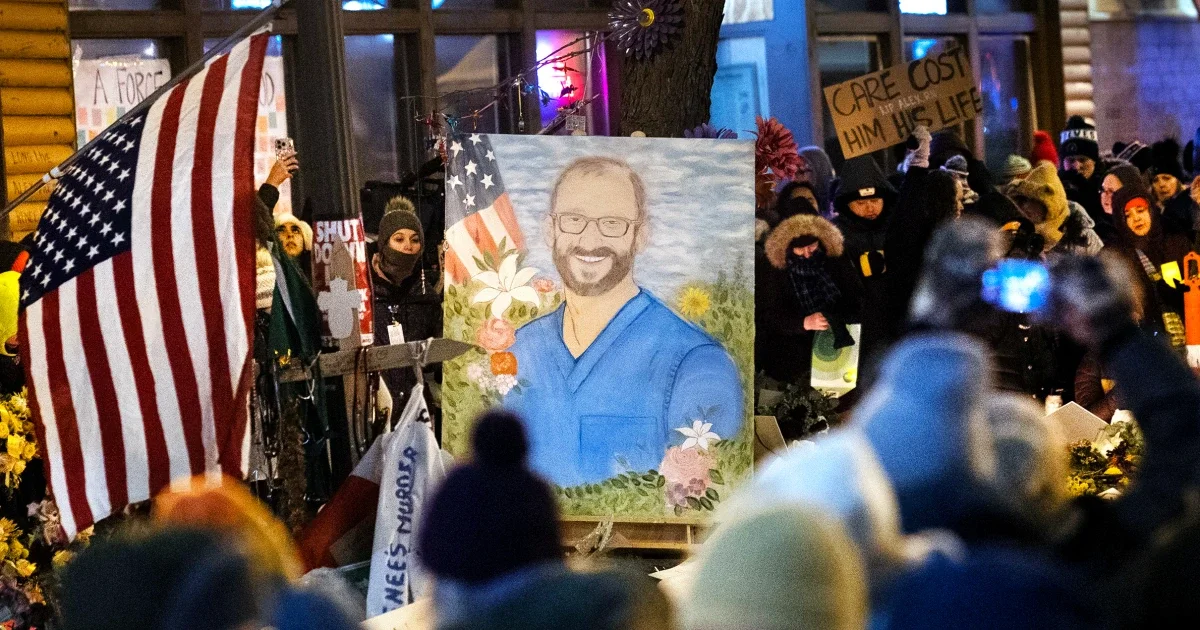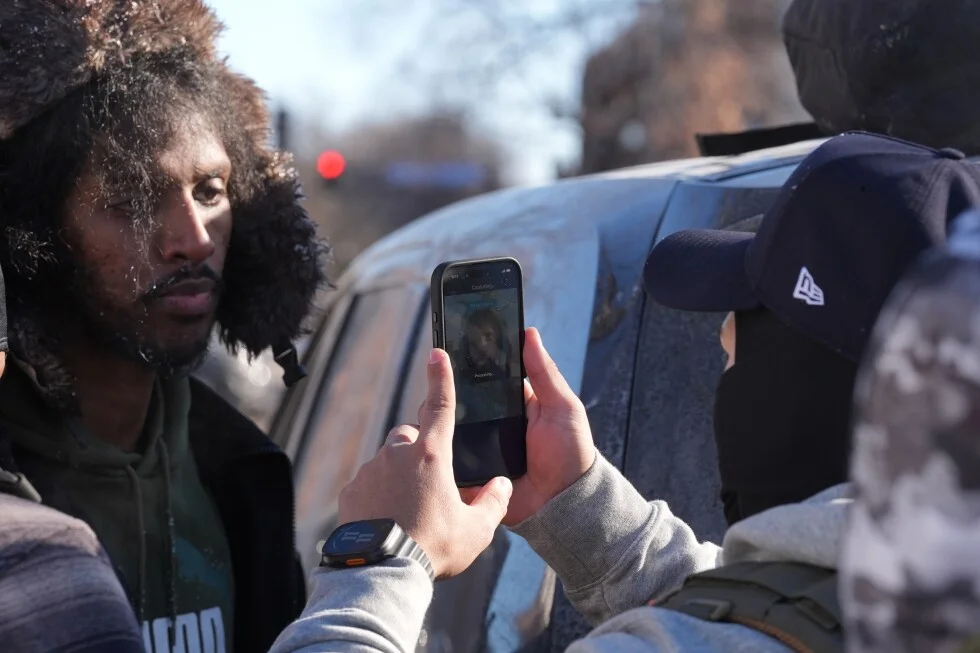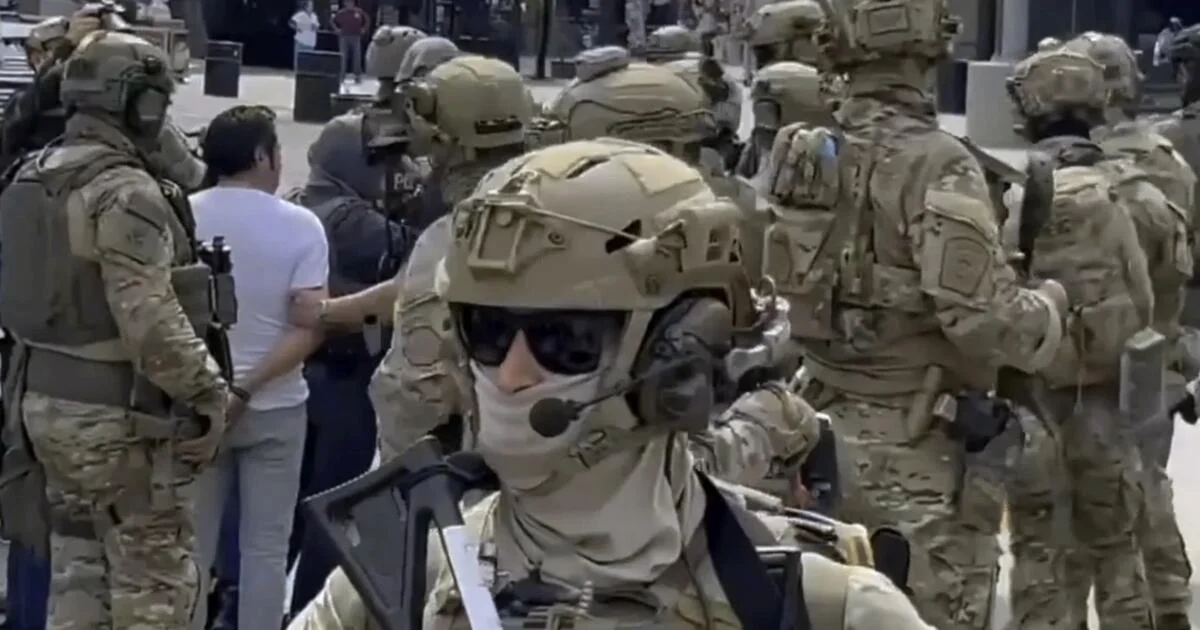
Homeland Security Secretary Kristi Noem said ICE will deploy hundreds more officers to Minneapolis after a U.S. citizen, Renee Nicole Good, was fatally shot by an ICE agent. Noem claimed Good was involved in domestic terrorism, a assertion Minneapolis Mayor Jacob Frey disputes. Protests followed as federal and state investigators, including the FBI, engage in the case, prompting political backlash and debates over who should oversee the investigation as the story develops.
A shooting in Portland involved federal agents from Customs and Border Protection, who shot two individuals linked to the TdA gang after their vehicle was allegedly weaponized against law enforcement. The victims remain hospitalized, and the incident has sparked calls for transparency and an investigation by Oregon authorities. The event has also led to protests and arrests, amid tensions between federal and local law enforcement.
Federal immigration officers in Portland, Oregon, shot and wounded two individuals outside a hospital after a vehicle attempt to run over agents, with the incident raising tensions amid ongoing debates over federal enforcement and community safety. The city officials and politicians have called for investigations and the end of ICE operations in Portland.
The Trump administration has launched its largest immigration enforcement operation ever, deploying up to 2,000 federal agents to Minneapolis to target alleged fraud and immigration violations, causing community tensions and criticism from local officials.
Approximately 2,000 federal agents are being deployed to Minneapolis to intensify immigration enforcement amid ongoing welfare fraud investigations and political tensions, particularly affecting the Somali community, with recent controversies including hotel booking issues and increased scrutiny of social programs.
The Trump administration is deploying around 2,000 federal agents to Minneapolis to intensify immigration enforcement amid a welfare fraud scandal involving mostly Somali community members, leading to community fears and political controversy.
The Trump administration is deploying around 2,000 federal agents to Minneapolis for a 30-day operation targeting immigration enforcement and fraud, marking one of the largest DHS deployments in recent years amid ongoing fraud scandals and community tensions.
California has enacted a law banning law enforcement officers from covering their faces, with exceptions, aiming to curb anonymous federal agents involved in immigration raids. The Trump administration is suing to block the law, citing federal supremacy and safety concerns for agents. Legal experts suggest the law may face significant challenges in court due to longstanding federal immunity principles and constitutional considerations.
Protesters, journalists, and faith leaders in Chicago have moved to dismiss their lawsuit against federal immigration officers, claiming the end of the aggressive 'Operation Midway Blitz' and citing a court ruling that restricted the use of force by agents. The case highlighted concerns over excessive force during immigration enforcement, but with the departure of the lead officer and ongoing legal proceedings, the plaintiffs see their goal as achieved. The lawsuit drew attention to alleged misconduct, including use of tear gas and physical force against protesters and journalists.
Protesters in Lower Manhattan disrupted a planned immigration operation by blocking a DHS parking garage, leading to arrests and the retreat of federal agents, amid ongoing tensions over NYC's sanctuary policies and federal immigration enforcement.
The Trump administration plans to expand the deployment of Border Patrol agents to Charlotte, North Carolina, and New Orleans, continuing a broader effort to increase immigration enforcement in U.S. cities, amid ongoing tensions and restrictions on the use of force by agents.
Federal agents pepper sprayed a family, including a 1-year-old girl, during clashes in Cicero amid ongoing immigration enforcement operations in Little Village, Chicago, leading to community outrage and political condemnation amid reports of violence and attacks on law enforcement.
Federal agents conducting an immigration raid in Little Village were shot at and used chemical irritants to disperse protesters, including a family with a baby, leading to injuries and widespread community outrage. The incident involved aggressive tactics, violations of court orders, and accusations of dishonesty by officials, highlighting tensions between law enforcement and the local community.
Federal agents used tear gas and pepper spray during clashes with protesters and neighbors in Little Village, Chicago, leading to injuries, arrests, and accusations of violence and racial profiling amid ongoing immigration enforcement actions in the area.
Chicago police responded to gunfire reportedly targeting federal agents during immigration enforcement operations, with no injuries reported; tensions have escalated with protests and confrontations in the neighborhood, amid restrictions on agents' use of force.