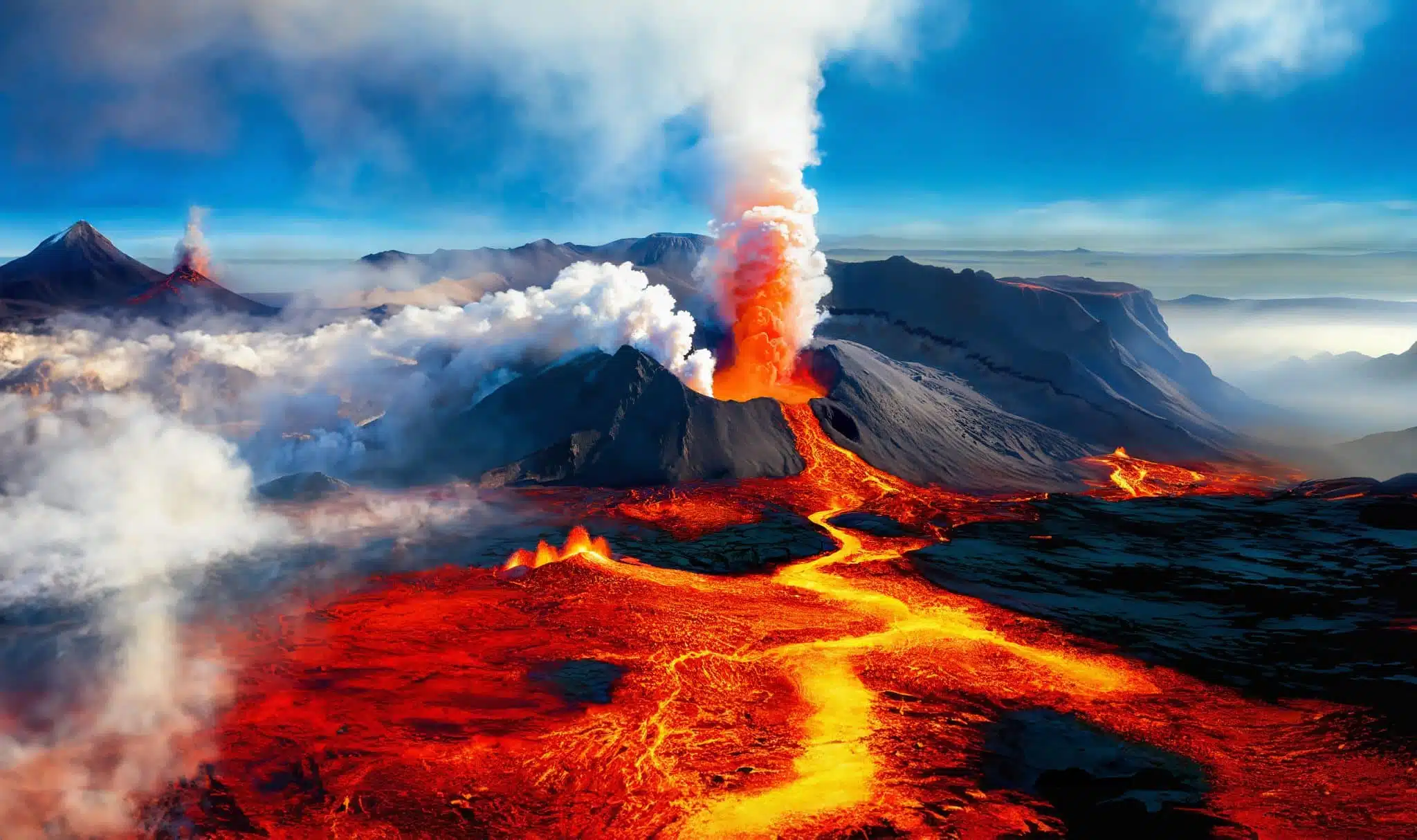
Scientists warn of a potential supervolcano eruption in the coming years that could cause catastrophic global effects, including climate cooling, widespread famine, and societal collapse, highlighting the urgent need for better preparedness and international cooperation.
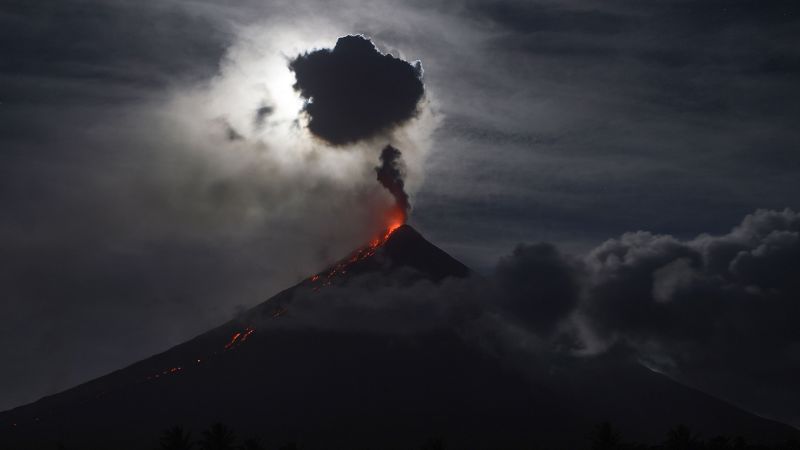
Medieval manuscripts containing detailed descriptions of lunar eclipses are helping present-day researchers study a mysterious cluster of volcanic eruptions on Earth. Over a five-year period, researchers scoured 12th and 13th-century European, Middle Eastern and East Asian sources for lunar descriptions, which, when combined with ice core and tree ring data, are allowing more accurate dating of what scientists think must have been some of the biggest volcanic eruptions the world has seen. The new research sheds light on the onset of the Little Ice Age, a period of cold weather between 1280 and 1340 that disrupted harvests, saw the advance of European glaciers, and led to a shift in the social and economic order.
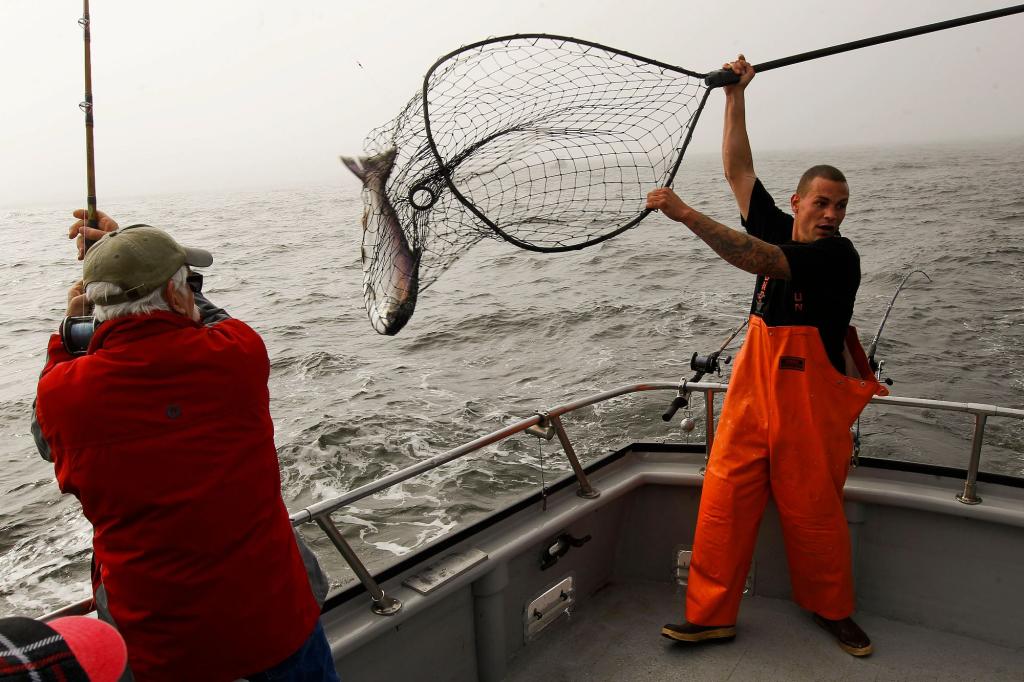
Near-record low numbers of Chinook salmon have forced officials to ban salmon fishing for a good portion of the West Coast through spring. The National Marine Fisheries Service announced that there would be no salmon fishing from Cape Falcon, Oregon to the U.S./Mexico border until May 15, well past the sport and commercial April start. The agency also proposed plans to keep California closed for salmon fishing through April 2024. Continuous droughts in the area and an increasing number of dams have put the species’ survival in danger. However, the winter’s atmospheric river storms, which have already alleviated California’s drought severity, bring a silver lining. The flooding rains could mean a population bounce-back in 3 years.