A European Space Agency orbiter captured images of 'barcode'-like dust avalanches on Mars caused by meteoroid impacts, but a study shows most slope streaks are due to seasonal wind activity, contributing significantly to Martian dust circulation.
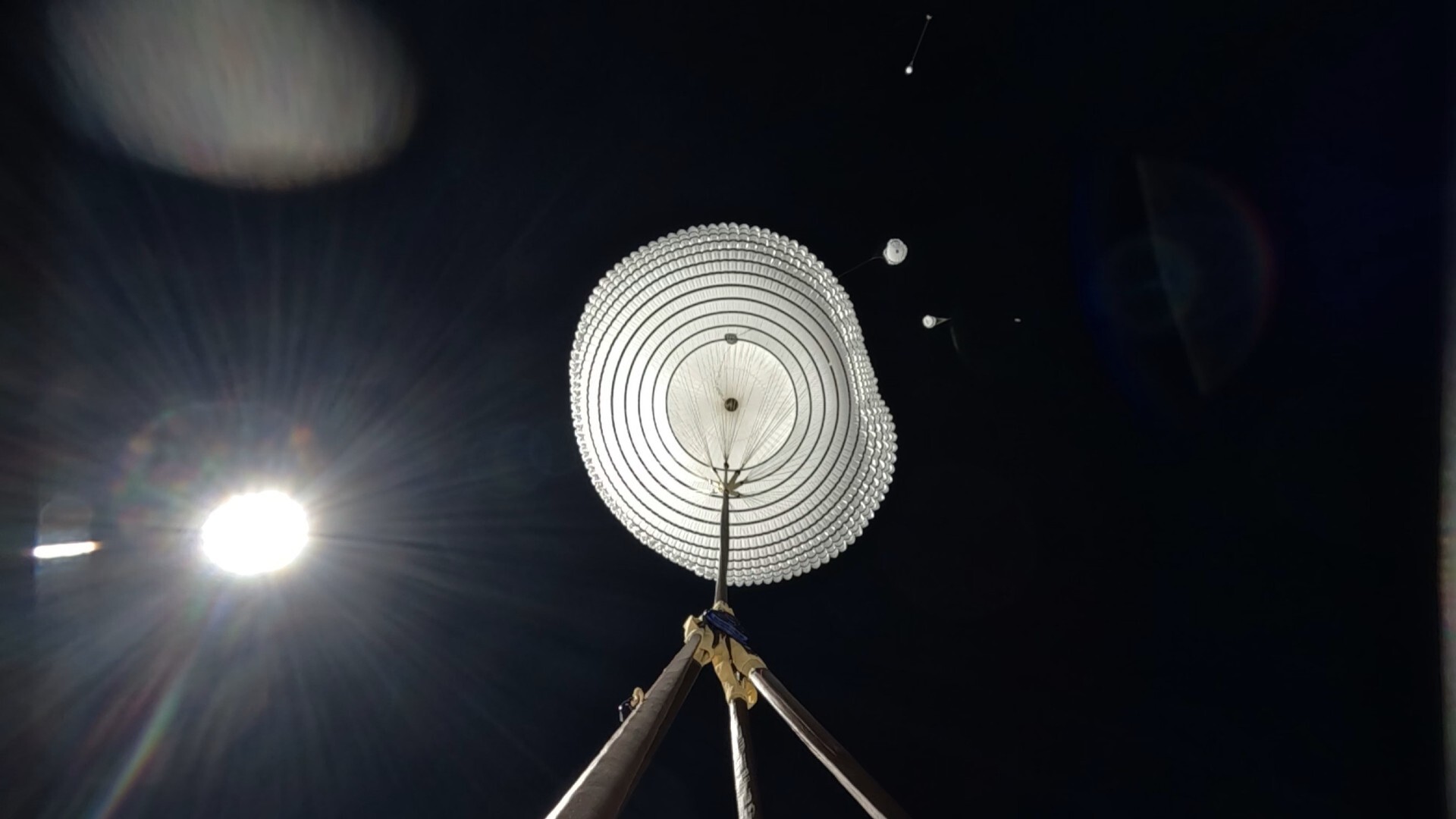
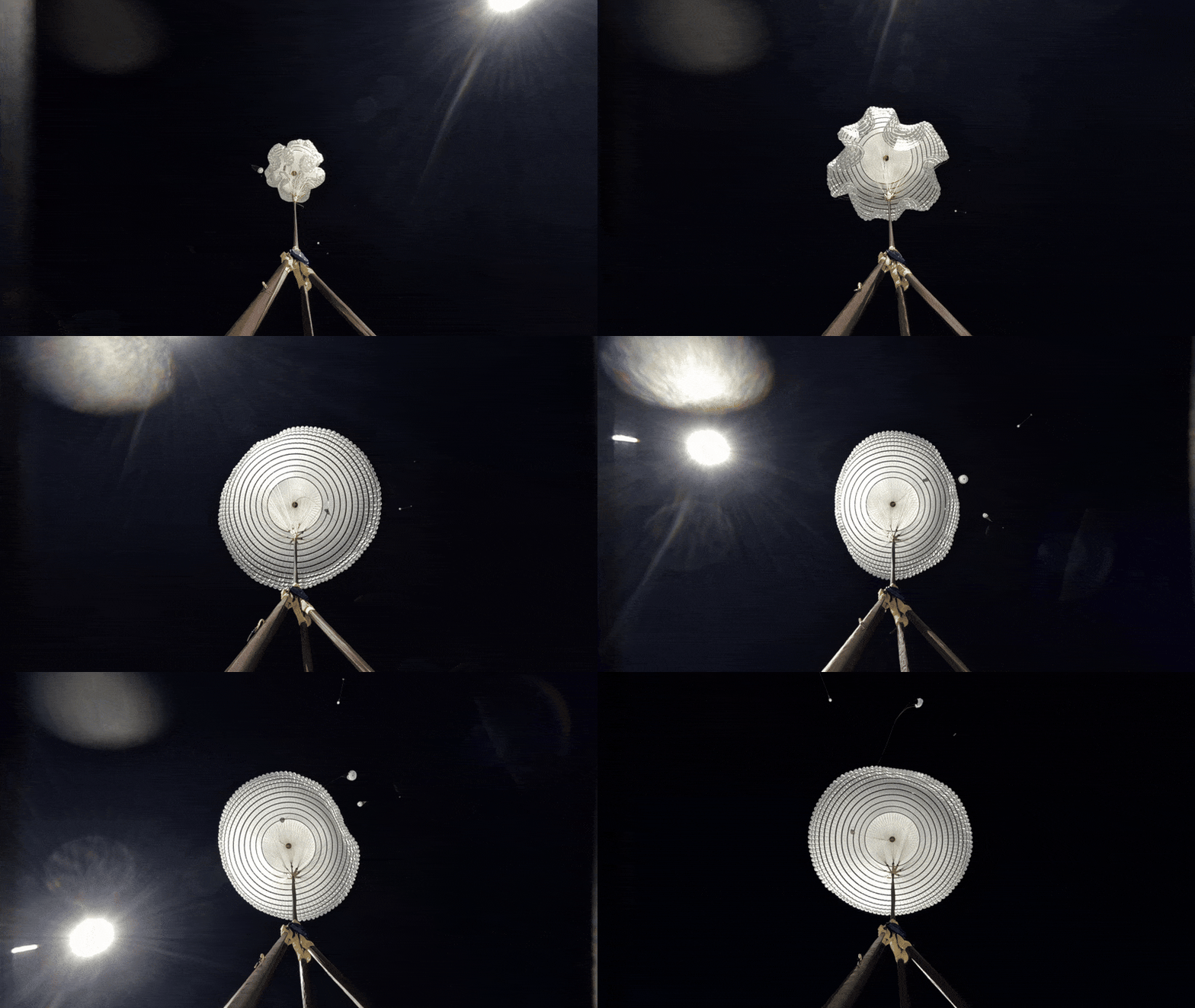
Europe successfully tested its largest-ever Mars parachute in the Arctic, a crucial step for the upcoming 2028 ExoMars mission to land the Rosalind Franklin rover on Mars, amid ongoing funding and collaboration challenges.
The most complex parachute system ever designed for Mars has successfully been tested in Earth's Arctic conditions using a high-altitude balloon, confirming its readiness for the upcoming ExoMars mission to ensure a safe landing for the Rosalind Franklin rover on Mars.
ESA's Mars Express offers a virtual flight over Ares Vallis on Mars, showcasing the planet's ancient water-carved landscapes, including channels, islands, and chaotic terrain. The tour highlights significant sites like NASA's Pathfinder landing area and the planned ExoMars Rosalind Franklin rover site. The film, created using high-resolution data and digital terrain models, provides a detailed view of Mars's water-rich history and geological features.
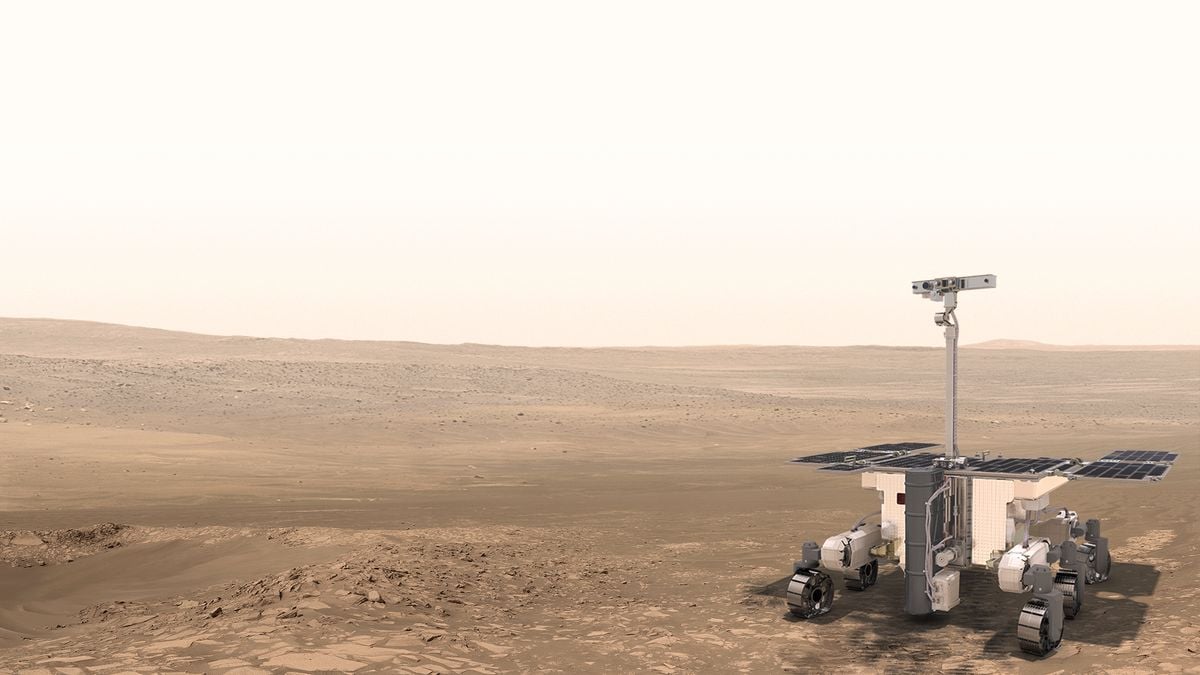
The European Space Agency has awarded a 522 million euro contract to Thales Alenia Space to resume work on the ExoMars Rosalind Franklin mission, which aims to search for evidence of past or present life on Mars. The new contract will replace Russian contributions and involve the development of a new landing platform, with NASA providing aerobraking engines and radioisotope heating units. The mission is now scheduled for launch in the fourth quarter of 2028, marking a major stabilization of the program after being derailed by geopolitical issues.
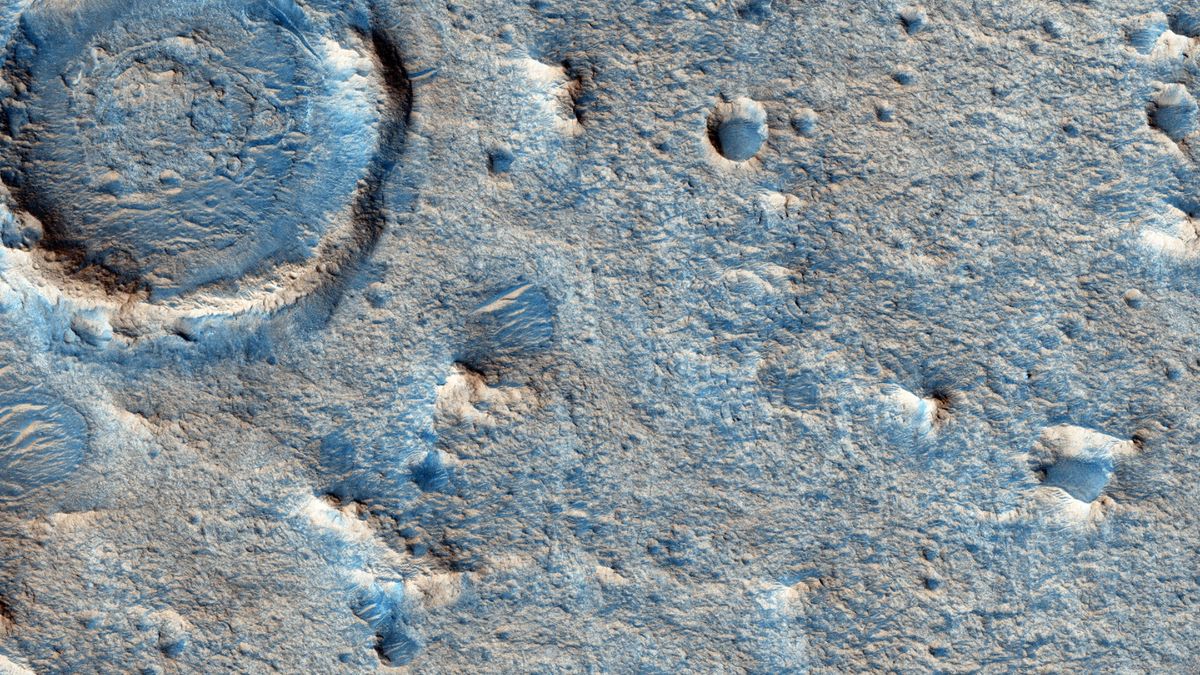
The European Space Agency's Rosalind Franklin ExoMars rover will use a newly detailed geological map of its landing zone on Mars to aid its search for ancient life. The rover's mission, delayed to October 2028 due to geopolitical events, will involve drilling into clay sediments to retrieve samples for analysis by on-board instruments. The map, created by 80 volunteers during COVID lockdown, identifies 15 specific types of geologic units in the Oxia Planum region, providing crucial guidance for the rover's journey and potential discovery of biosignatures.
House appropriators have released a report accompanying the commerce, justice, and science spending bill for fiscal year 2024, fully funding NASA's Mars Sample Return program at $949.3 million and instructing NASA to request the necessary funding in 2025 to ensure the sample retrieval lander and Earth return orbiter missions launch by 2030. However, the report also blocks funding for NASA's support of the European Space Agency's Rosalind Franklin ExoMars rover. The House bill reduces funding for Earth science, astrophysics, heliophysics, and biological and physical sciences compared to the Senate bill, and provides specific language directing NASA to prioritize proximity to the current curator for the receiving facility of extraterrestrial samples.
The European Space Agency (ESA) is set to issue a contract opportunity to design a new lander for the ExoMars mission, following the loss of the Russian lander due to the severed partnership between Russia and ESA. The mission, originally scheduled for 2020, is now expected to launch no earlier than 2028. To save the mission, ESA has approved a record-breaking budget of 16.9 billion Euros ($17.6 billion) over three years, with hopes of receiving additional funding from NASA. The ExoMars mission includes the Trace Gas Orbiter and the Rosalind Franklin rover, which is designed to search for signs of Martian life.
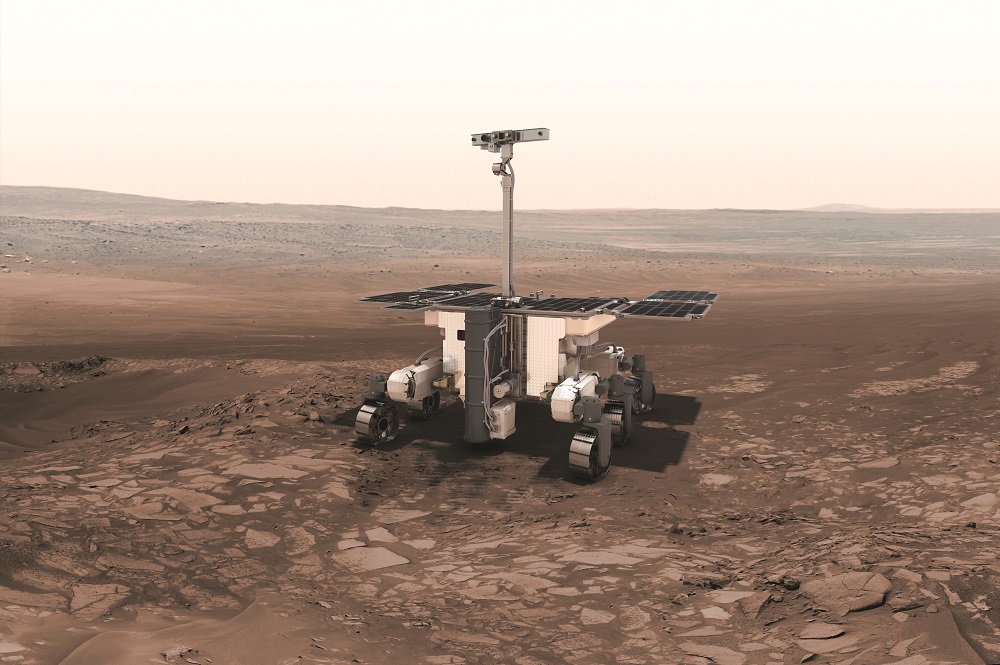
The European Space Agency's ExoMars program is set to launch its Rosalind Franklin rover in 2028, carrying a next-generation mass spectrometer that could help answer the question of whether there is evidence of past or present life on Mars. The instrument, known as the Mars Organic Molecule Analyzer, will analyze any carbon-containing material found underneath Mars's surface, looking for molecular patterns that are unlikely to be formed in the absence of living biology. The rover will land at a Martian site that likely had water 4 billion years ago, and a drill will retrieve ancient samples from as deep as two meters.
The European Space Agency's ExoMars program is set to launch its Rosalind Franklin rover in 2028, carrying a next-generation mass spectrometer that could help answer the question of whether there is evidence of past or present life on Mars. The instrument, known as the Mars Organic Molecule Analyzer, will analyze any carbon-containing material found underneath Mars's surface, looking for molecular patterns that are unlikely to be formed in the absence of living biology. The rover will land at a Martian site that likely had water 4 billion years ago, and a drill will retrieve ancient samples from as deep as two meters.
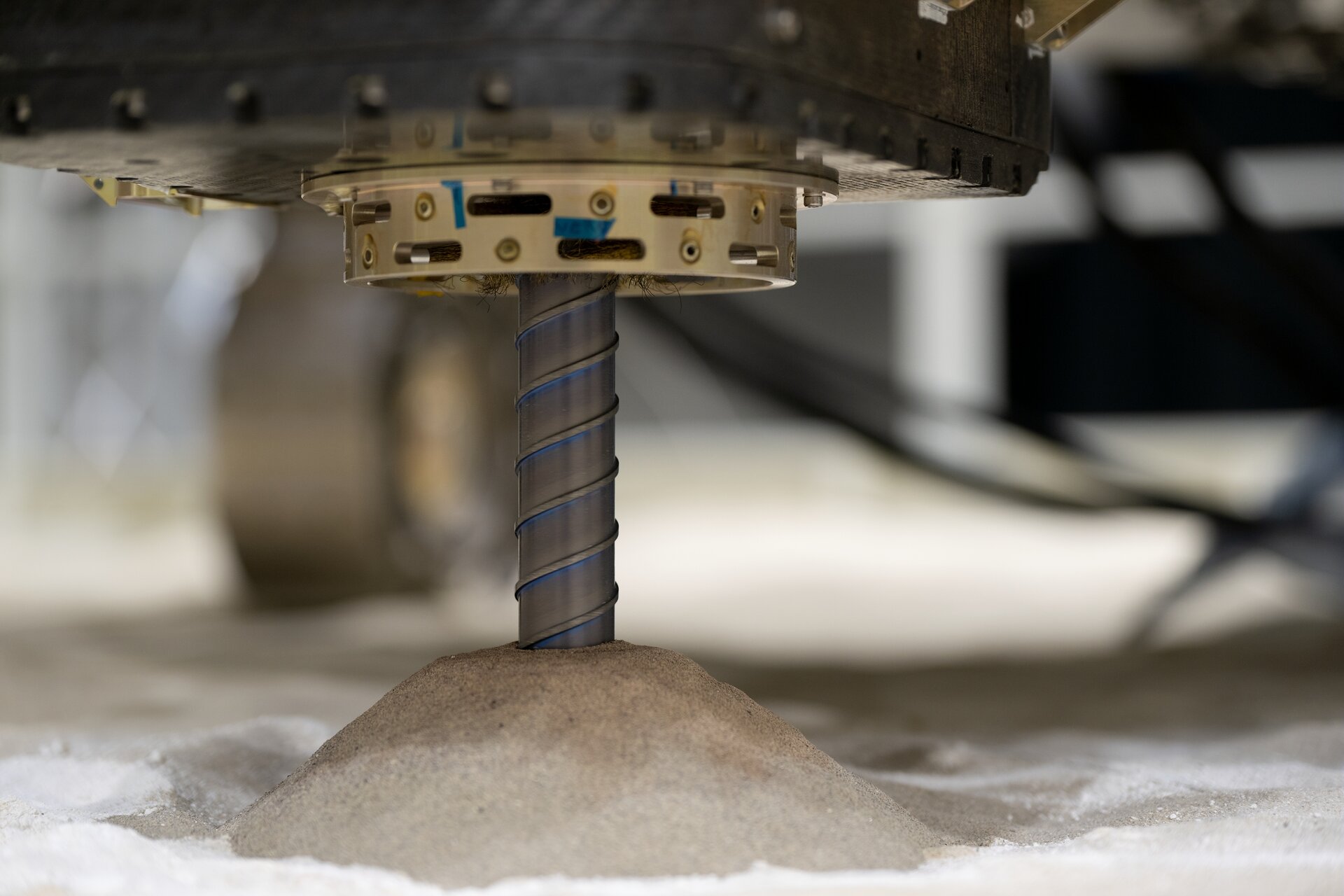
The European Space Agency's ExoMars Rosalind Franklin rover has successfully drilled down 1.7 meters into a martian-like ground in Italy, collecting samples for scientific analysis. The rover's deep drilling capabilities are crucial to answering the question of whether there was, or is, life on Mars. The targeted landing site for the rover, Oxia Planum, is an area where sediments might preserve traces of an ancient water-rich Mars environment. The mission is set to launch in 2028.
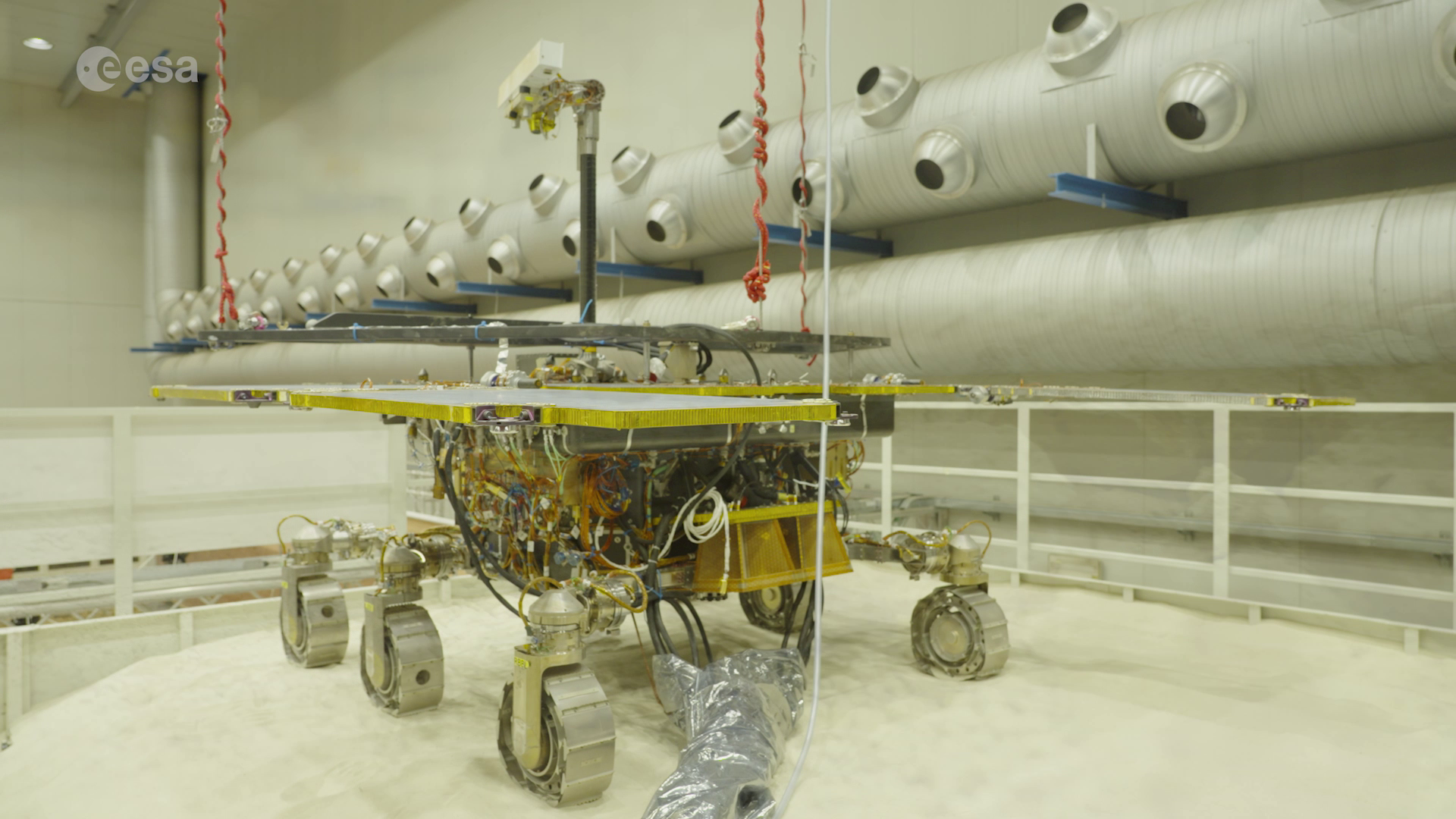
The European Space Agency's ExoMars mission, which was put on hold in 2022 due to the Russian invasion of Ukraine, is back on track with new tests being conducted on the rover's Earth twin Amalia. The Rosalind Franklin rover has unique drilling capabilities and an on-board science laboratory unrivalled by any other mission in development. The mission has been reshaped with new European elements, including a lander, and a target date of 2028 for the trip to Mars. The aim is to create an independent European capability to access the surface of Mars with a sophisticated robotic payload.