U.S. banking giants posted stronger Q4 profits helped by rising loan demand, with Bank of America and JPMorgan Chase reporting loan growth and record net interest income. Analysts see continued loan growth into 2026, but banks face headwinds from policy talks on a 10% cap on credit card interest rates and debates over Fed independence amid investigations.
China's financial regulator has instructed major banks to disclose their lending exposure to Venezuela and enhance risk monitoring, amid rising geopolitical tensions following the U.S. capture of Venezuela's president. This move underscores concerns over potential shocks to China's banking sector due to extensive loans to Venezuela, primarily by policy banks like China Development.
The article discusses the resurgence of traditional banks in the lending market as regulatory restrictions ease, allowing them to compete more effectively against private credit firms, which have previously gained an edge. Major banks like JPMorgan and Wells Fargo are expanding their loan portfolios, narrowing the gap with alternative asset managers, amid a shifting regulatory landscape and industry rivalry.
Slope, an AI-powered lending startup backed by Sam Altman and JPMorgan Chase, has partnered with Amazon to offer real-time, AI-driven lines of credit to eligible Amazon sellers, focusing on mature businesses with high revenue, to help them access fast and affordable financing directly through their Amazon Seller accounts.
Jamie Dimon warns that recent failures of auto lenders Tricolor and First Brands may indicate more problems in the US credit market, raising fears of further lending blow-ups on Wall Street.
JPMorgan is exploring the possibility of offering loans against clients' cryptocurrency holdings, indicating a growing interest in integrating digital assets into traditional financial services.
HELOC interest rates have decreased slightly, making home equity lines of credit more affordable for homeowners, especially those with low primary mortgage rates, offering a flexible way to access home equity for various needs while maintaining their existing low-rate mortgage.
JPMorgan has raised its outlook for lending after reporting a significant increase in profits, driven by a release of reserves set aside for potential loan losses. The bank's strong performance reflects the improving economic outlook and a surge in investment banking fees, with CEO Jamie Dimon noting that the company is well-positioned to benefit from a strong economic recovery.
US banks have loaned over $1 trillion to non-bank financial firms, known as shadow banks, according to Federal Reserve data, raising concerns among regulators about potential risks to the financial system. This amount has steadily risen from about $894 billion a year earlier, highlighting the growing influence of non-deposit-taking financial companies such as fintechs and private credit investors.
China's securities regulator has announced the suspension of restricted share lending from Monday in an effort to stabilize the country's stock markets, following recent sharp falls. The move aims to reduce the efficiency of securities lending, restrict advantages of institutions in the use of information and tools, and crack down on illegal activities using securities lending to reduce holdings and cash out. This comes as Chinese stocks have retreated again, reflecting deep investor pessimism over the market outlook and the shaky economy, prompting the need for more support measures to revive consumer and business confidence.
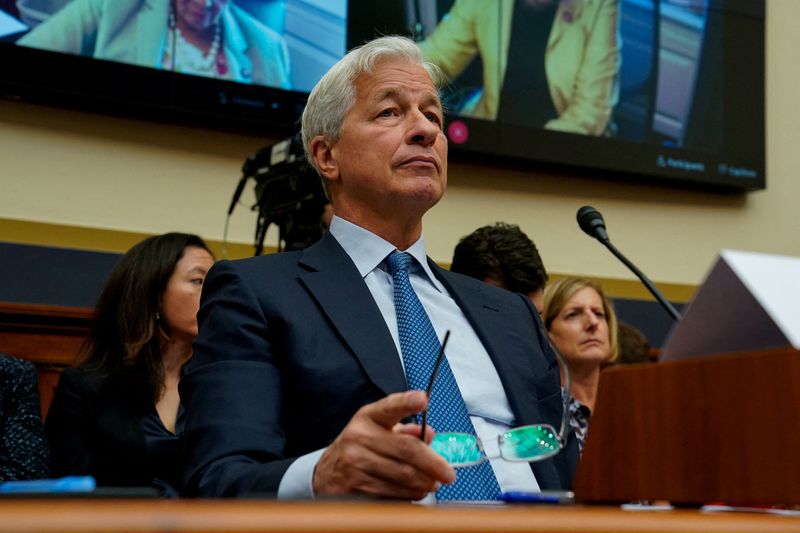
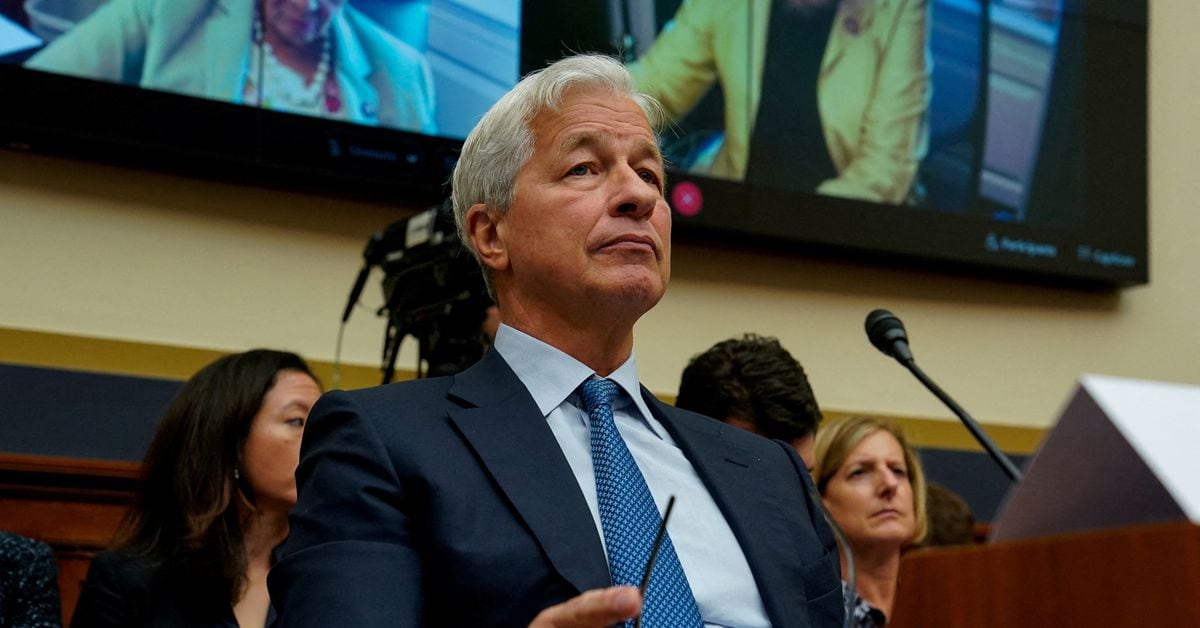
CEOs of major Wall Street banks, including JPMorgan, Morgan Stanley, and Goldman Sachs, warned lawmakers that proposed capital hikes and new regulations could negatively impact lending, capital markets, and the broader economy. The banks are campaigning against the "Basel endgame" proposal, which changes how banks calculate their loss-absorbing capital. Democrats expressed skepticism towards the industry's concerns, while Republicans and CEOs highlighted potential adverse effects on various sectors. Regulators argue that the rules are necessary to protect the banking system.
CEOs of major Wall Street banks, including JPMorgan Chase, Bank of America, Wells Fargo, Goldman Sachs, Morgan Stanley, State Street, and BNY Mellon, warned lawmakers that proposed capital hikes and new regulations by U.S. bank regulators could negatively impact lending, capital markets, and the broader economy. The banks are campaigning against the "Basel endgame" proposal, which changes how banks calculate their loss-absorbing capital, and other regulations such as fair lending and fee caps. The CEOs argue that these rules could stifle lending, hurting small businesses and consumers. However, Senator Sherrod Brown criticized the banks for lobbying against the rules to preserve their profit margins. Regulators argue that the rules are necessary to protect the banking system from shocks. The CEOs will need to persuade skeptical Democratic lawmakers of the soundness of the banking sector.
Regulators, including Federal Reserve Vice Chair of Supervision Michael Barr, FDIC Chair Martin Gruenberg, and acting OCC Comptroller Michael Hsu, are set to testify before Congress this week about proposed tougher capital requirements for big banks. Republican members are expected to question the regulators, arguing that increased capital buffers would hinder lending and harm the economy. The pushback against the proposal has included a letter from Senate Banking Committee Ranking Member Tim Scott and lobbying efforts by banks and industry groups. The regulators have acknowledged criticisms and extended the period for public comment. The clash in Washington follows months of campaigning by banks and lobbyists to stop or influence the final version of the rules.
China has shifted its lending focus from infrastructure projects to providing emergency rescue loans to developing countries struggling with debt. The Belt and Road Initiative, which initially aimed to build transportation and political links, resulted in countries accumulating unsustainable debt. China's rescue loans now make up 58% of its lending to low- and middle-income countries, compared to 5% in 2013. The United States is seeking to match China's influence by providing loans for shipyard modernization in Greece and port expansion in Sri Lanka. China's lending practices have raised concerns about debt sustainability and competition with international financial institutions like the IMF.
Bank regulators have introduced a new rule to combat lending discrimination, requiring banks to increase lending to low- and moderate-income communities. The rule, which marks the most significant revision to the Community Reinvestment Act in nearly three decades, has drawn criticism from lenders and a Federal Reserve Board member. The new framework, effective from January 2026, assesses banks' retail lending and community development financing using benchmarks based on peer and demographic data. Banks oppose the new loan-threshold test, arguing it could lead to closures or restrictions in sparsely populated areas. Fed Chair Jerome Powell defended the rule, stating it will expand access to credit and banking services in low- and moderate-income communities.