Tag

Bank Regulations

All articles tagged with #bank regulations

Bank Stocks Surge as Wall Street Anticipates Looser Regulations Under Trump

Originally Published 1 year ago — by Benzinga

Featured image for Bank Stocks Surge as Wall Street Anticipates Looser Regulations Under Trump
Source: Benzinga

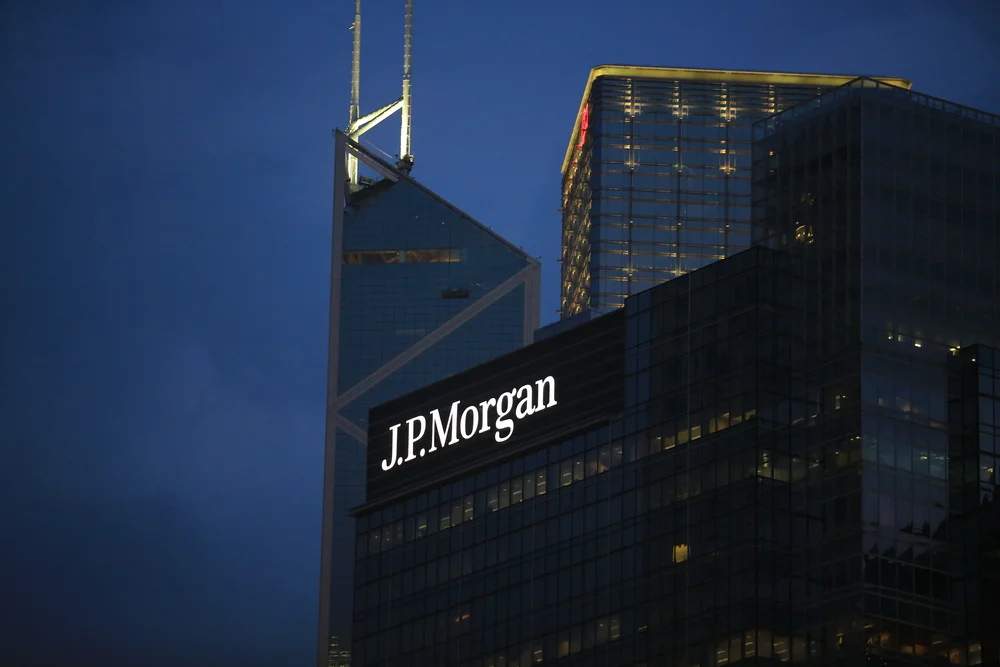
Shares of major U.S. banks, including JPMorgan Chase, Bank of America, and Wells Fargo, surged following Donald Trump's victory in the 2024 presidential election. Investors anticipate a GOP-led administration will lead to softer banking regulations, boosting bank stocks. Analysts suggest potential benefits from reduced scrutiny by the Consumer Financial Protection Bureau and lower capital requirements, though concerns about tariffs and immigration remain. JPMorgan shares rose 11.5%, Bank of America 8.38%, and Wells Fargo 13.2% on Wednesday.
"Regulators Anticipate Major Changes to Basel Capital Rules Amid Bank Resistance"

Originally Published 1 year ago — by Yahoo Finance

Featured image for "Regulators Anticipate Major Changes to Basel Capital Rules Amid Bank Resistance"
Source: Yahoo Finance

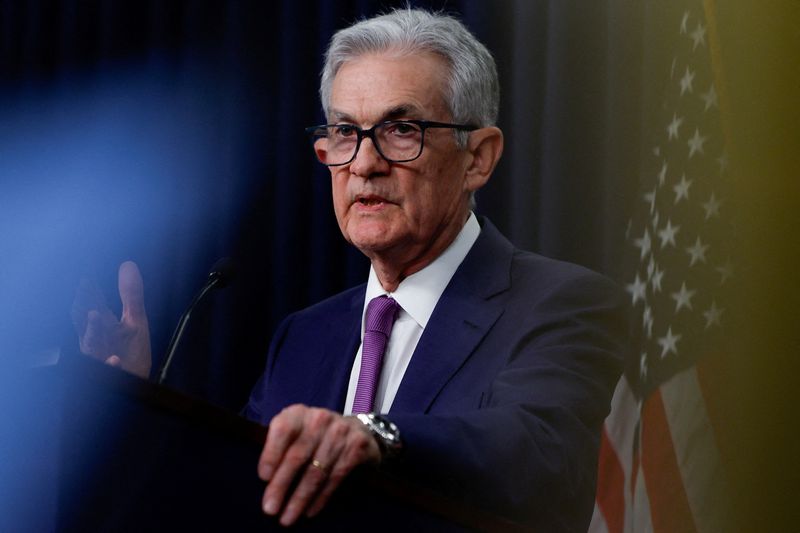
Federal Reserve Chairman Jerome Powell expects "broad, material" changes to the contentious Basel III endgame proposal, acknowledging industry concerns about its cost and economic impact. He indicated that regulators are reconsidering the proposal and may seek broad support for the final product, not ruling out the possibility of reproposing the rule for further feedback, which could lead to significant delays. This proposal aims to raise large bank capital requirements, but banks have strongly opposed it, citing it as misguided and overly costly.

"Regulators Propose Clampdown to Prevent Bank Runs and Strengthen Financial Stability"

Originally Published 1 year ago — by The New York Times

Featured image for "Regulators Propose Clampdown to Prevent Bank Runs and Strengthen Financial Stability"
Source: The New York Times

One year after bank runs threatened the financial system, the Federal Reserve and other regulators are preparing to unveil new rules aimed at preventing future meltdowns, focusing on liquidity and a direct response to issues that became obvious during the 2023 crisis. This comes on top of proposed regulations causing tension for big banks, with the industry criticizing the already-proposed rules known as "Basel III Endgame." JPMorgan Chase's CEO, Jamie Dimon, has complained that regulators have not addressed the problems that led to the 2023 midsize bank failures and that the Basel capital proposal is targeting larger institutions not central to last spring's meltdown.

Wall Street CEOs Sound Alarm on Economic Impact of New Regulations

Originally Published 2 years ago — by Yahoo Finance

Featured image for Wall Street CEOs Sound Alarm on Economic Impact of New Regulations
Source: Yahoo Finance

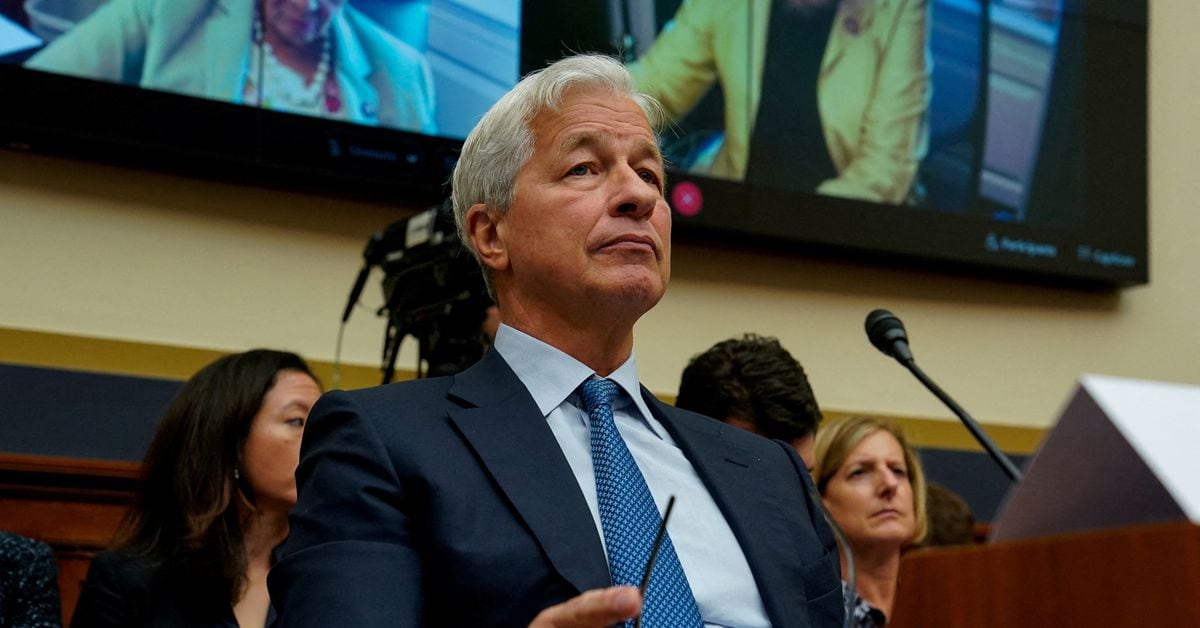
CEOs of major Wall Street banks, including JPMorgan, Morgan Stanley, and Goldman Sachs, warned lawmakers that proposed capital hikes and new regulations could negatively impact lending, capital markets, and the broader economy. The banks are campaigning against the "Basel endgame" proposal, which changes how banks calculate their loss-absorbing capital. Democrats expressed skepticism towards the industry's concerns, while Republicans and CEOs highlighted potential adverse effects on various sectors. Regulators argue that the rules are necessary to protect the banking system.

Wall Street CEOs Sound Alarm on Economic Impact of New Regulations

Originally Published 2 years ago — by Reuters

Featured image for Wall Street CEOs Sound Alarm on Economic Impact of New Regulations
Source: Reuters

CEOs of major Wall Street banks, including JPMorgan Chase, Bank of America, Wells Fargo, Goldman Sachs, Morgan Stanley, State Street, and BNY Mellon, warned lawmakers that proposed capital hikes and new regulations by U.S. bank regulators could negatively impact lending, capital markets, and the broader economy. The banks are campaigning against the "Basel endgame" proposal, which changes how banks calculate their loss-absorbing capital, and other regulations such as fair lending and fee caps. The CEOs argue that these rules could stifle lending, hurting small businesses and consumers. However, Senator Sherrod Brown criticized the banks for lobbying against the rules to preserve their profit margins. Regulators argue that the rules are necessary to protect the banking system from shocks. The CEOs will need to persuade skeptical Democratic lawmakers of the soundness of the banking sector.

Bank CEOs Testify Against Proposed US Regulations

Originally Published 2 years ago — by Financial Times

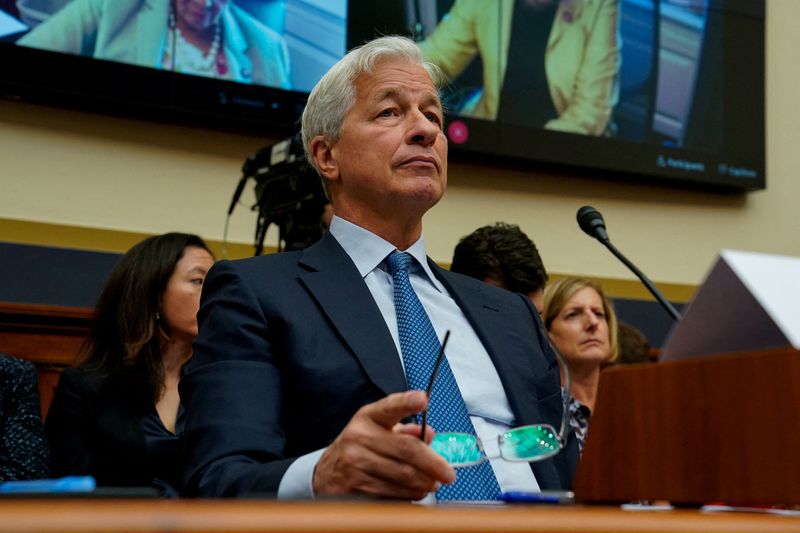
Jamie Dimon, CEO of JPMorgan Chase, criticized proposed US bank rules during his Senate testimony, arguing that they could harm the financial industry. Dimon expressed concerns about the potential impact on lending and liquidity, stating that excessive regulations could hinder economic growth. He called for a balanced approach to regulation that promotes safety and soundness while allowing banks to support the economy.

"Jamie Dimon warns of private equity celebration as JPMorgan sets higher bar for rivals"

Originally Published 2 years ago — by CNBC

Featured image for "Jamie Dimon warns of private equity celebration as JPMorgan sets higher bar for rivals"
Source: CNBC

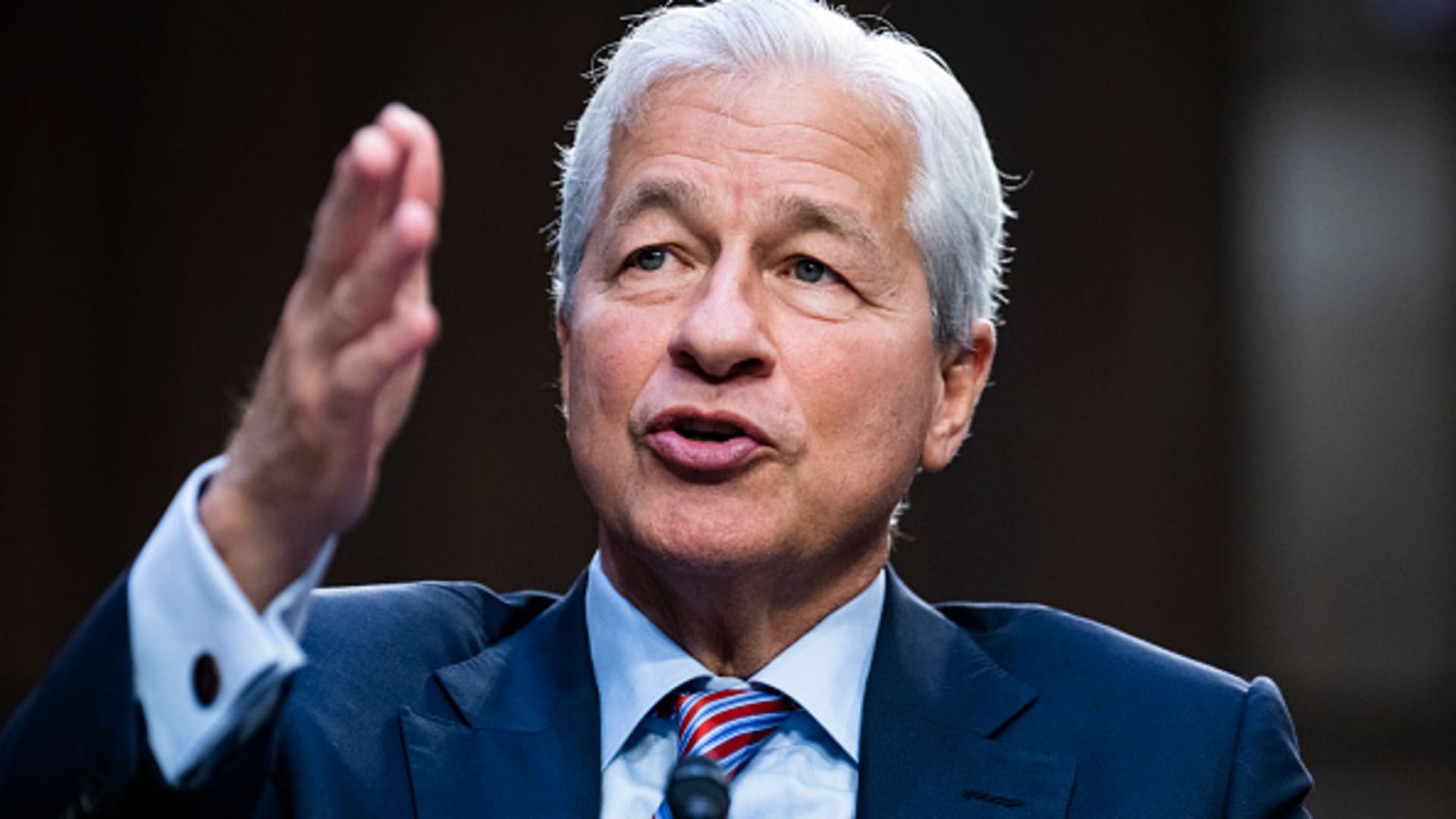
JPMorgan Chase CEO Jamie Dimon warned that tougher bank regulations proposed by Federal Reserve Vice Chair for Supervision Michael Barr would benefit hedge funds and private equity giants like Apollo and Blackstone, who would "dance in the streets" as banks face higher capital requirements. The increased regulations could lead to higher costs for consumers and businesses, and some banks may be forced to exit certain businesses altogether. This could further contribute to the rise of non-bank players in the "shadow banking" industry, which operates with lower federal scrutiny than traditional banks.

JPMorgan Chase's Size Sparks Concerns Among Analysts and Investors

Originally Published 2 years ago — by NPR

Featured image for JPMorgan Chase's Size Sparks Concerns Among Analysts and Investors
Source: NPR

The Federal Deposit Insurance Corp. (FDIC) suggests a larger limit for certain business accounts might have advantages after First Republic Bank collapsed this weekend. All the bank's deposits, and most of its assets, were sold to JPMorgan Chase. Tomas Philipson, former acting chairman of the White House Council of Economic Advisers, discusses the risks of JPMorgan Chase becoming even bigger after it took over First Republic Bank. He believes that too big to fail policies are increasing concentration in the banking sector, leading to lower deposit rates and higher interest rates on loans.

The Ongoing Risks and Lessons from Bank Failures.

Originally Published 2 years ago — by The Hill

Featured image for The Ongoing Risks and Lessons from Bank Failures.
Source: The Hill

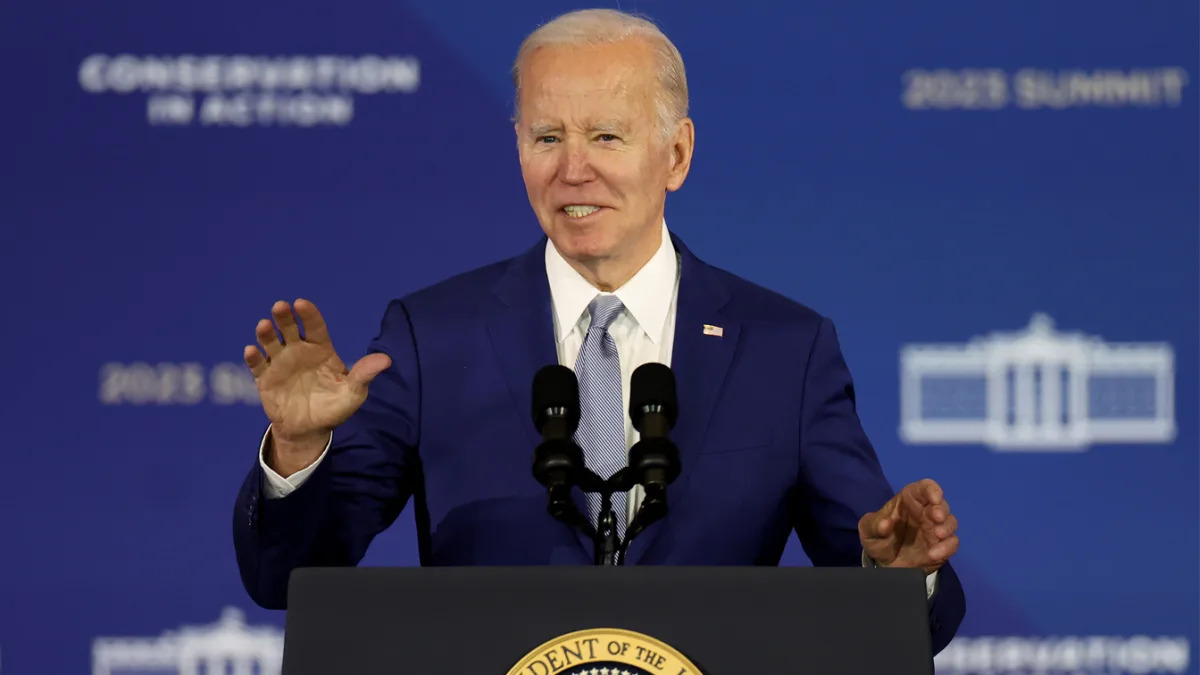
The US banking sector is still facing risks despite regulators and bank executives saying they don't foresee a repeat of the 2008 financial crisis. Banks face huge unrealized losses on long-term investments, the threat of more bank runs, and looming defaults in the commercial real estate market. Midsize and regional banks are particularly exposed to a downturn in the commercial real estate market. Existing rules also make it harder for investors to identify bank risks, and banks have often found ways to reclassify losses. President Biden is pushing lawmakers to toughen bank regulations to reduce the chance of future bank failures.

Biden's Popularity Unaffected by SVB Collapse and GOP Criticism.

Originally Published 2 years ago — by Yahoo News

Featured image for Biden's Popularity Unaffected by SVB Collapse and GOP Criticism.
Source: Yahoo News

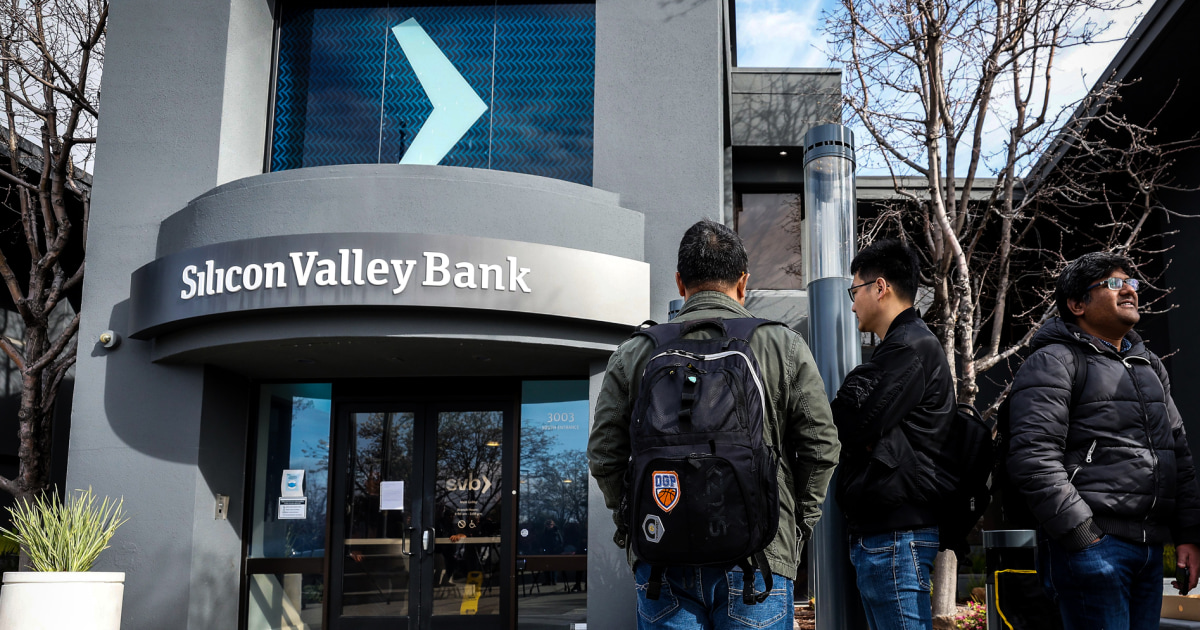
A recent Yahoo News/YouGov poll found no sign of populist backlash against the Biden administration's response to the collapse of Silicon Valley Bank. While more Americans now say the country is in a recession, growing economic anxieties have yet to translate into public outrage. A majority of Americans approve of the government's decision to shut down the bank and make sure all depositors had access to their funds by the following day. Americans largely agree on what to do next, with a majority favoring putting back in place tighter regulations on banks. Risky corporate behavior is seen as the leading cause of the current crisis, while diversity and inclusion are seen as the least likely cause.

"Push for Higher FDIC Deposit Insurance Cap Gains Momentum"

Originally Published 2 years ago — by The Washington Post

Featured image for "Push for Higher FDIC Deposit Insurance Cap Gains Momentum"
Source: The Washington Post

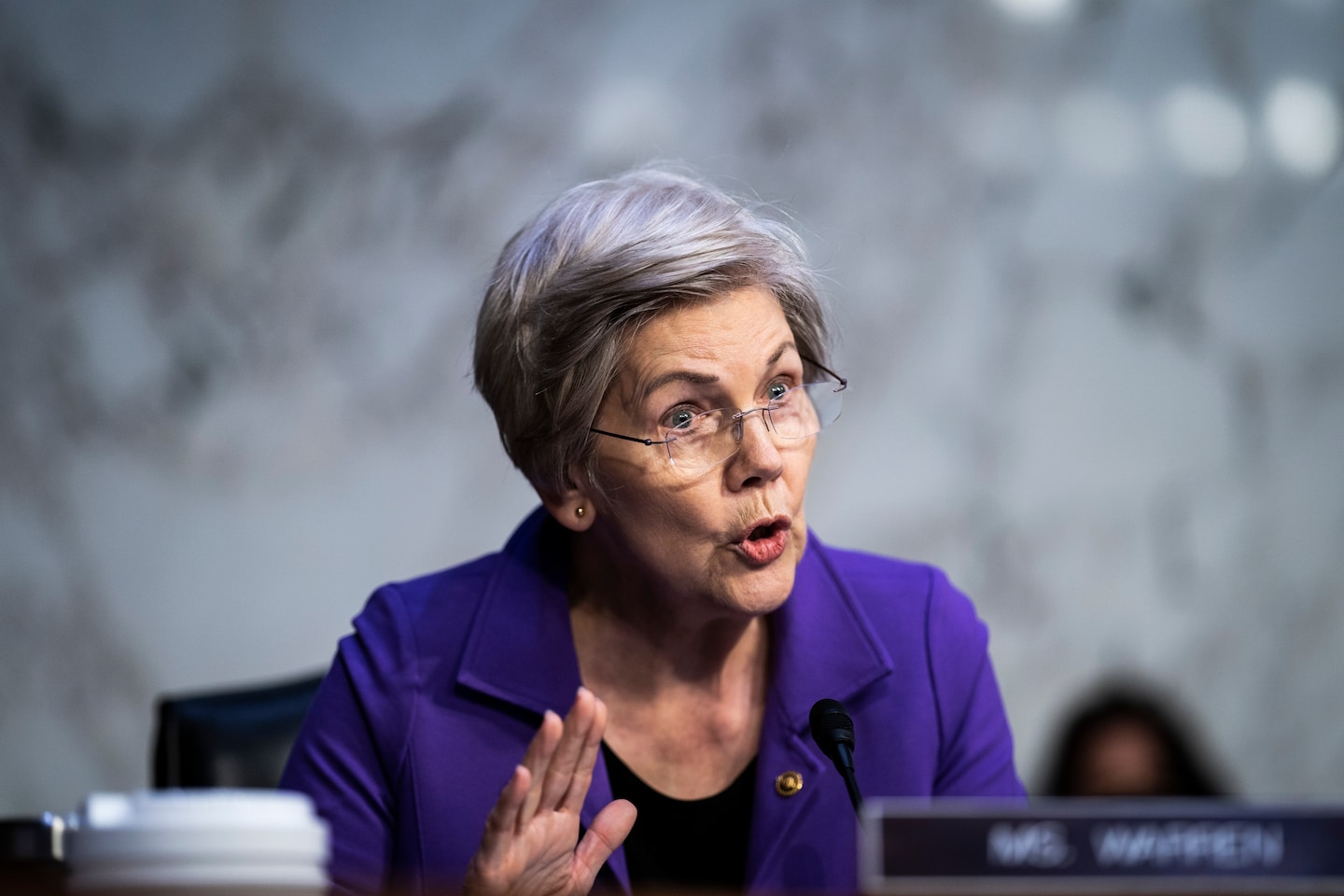
Senator Elizabeth Warren has called on Congress to raise the federal insurance levels for bank deposits above $250,000, suggesting a figure between $2 million to $10 million. She also wants Congress to repeal a provision of the 2018 law that had loosened restrictions on banks with $50 billion or more in assets. Warren believes that lifting the FDIC insurance cap would be "a good move" if done in conjunction with tighter regulations on banks. She also criticized Federal Reserve Chair Jerome H. Powell and called for the Fed to pause its campaign to raise interest rates.

Political Blame Game Over Silicon Valley Bank Failure and Bailout Costs

Originally Published 2 years ago — by NBC News

Featured image for Political Blame Game Over Silicon Valley Bank Failure and Bailout Costs
Source: NBC News

Moderate Senate Democrats who voted to loosen regulations on midsize banks in 2018 are standing by their votes in the wake of Silicon Valley Bank’s collapse, joining Republicans in resisting enhanced scrutiny for financial institutions. The Democrats' resistance to new bank regulation indicates a tough slog facing legislation unveiled this week by Sen. Elizabeth Warren, D-Mass. The bill would repeal the heart of the 2018 bill, which eased Dodd-Frank scrutiny imposed in 2010 by raising the "too big to fail" limit from $50 billion in assets.

"SVB Collapse Sparks Federal Investigations and Criticism"

Originally Published 2 years ago — by The New York Times

Featured image for "SVB Collapse Sparks Federal Investigations and Criticism"
Source: The New York Times

The collapse of Silicon Valley Bank has led to a review of how the Federal Reserve oversees financial institutions, potentially resulting in stricter rules for large regional banks that are not considered globally systemic. Lawmakers and financial regulation experts are questioning whether existing rules are sufficient in a changing world and whether a deregulatory push during the Trump administration went too far. The episode could lead to regulatory and supervisory changes for smaller banks that face lighter regulations than the largest ones. The call for tougher bank rules echoes the aftermath of 2008, which led to the Dodd-Frank law in 2010.

"Warren calls for Powell's recusal in SVB review amid calls for regulatory reform"

Originally Published 2 years ago — by Fox Business

Featured image for "Warren calls for Powell's recusal in SVB review amid calls for regulatory reform"
Source: Fox Business

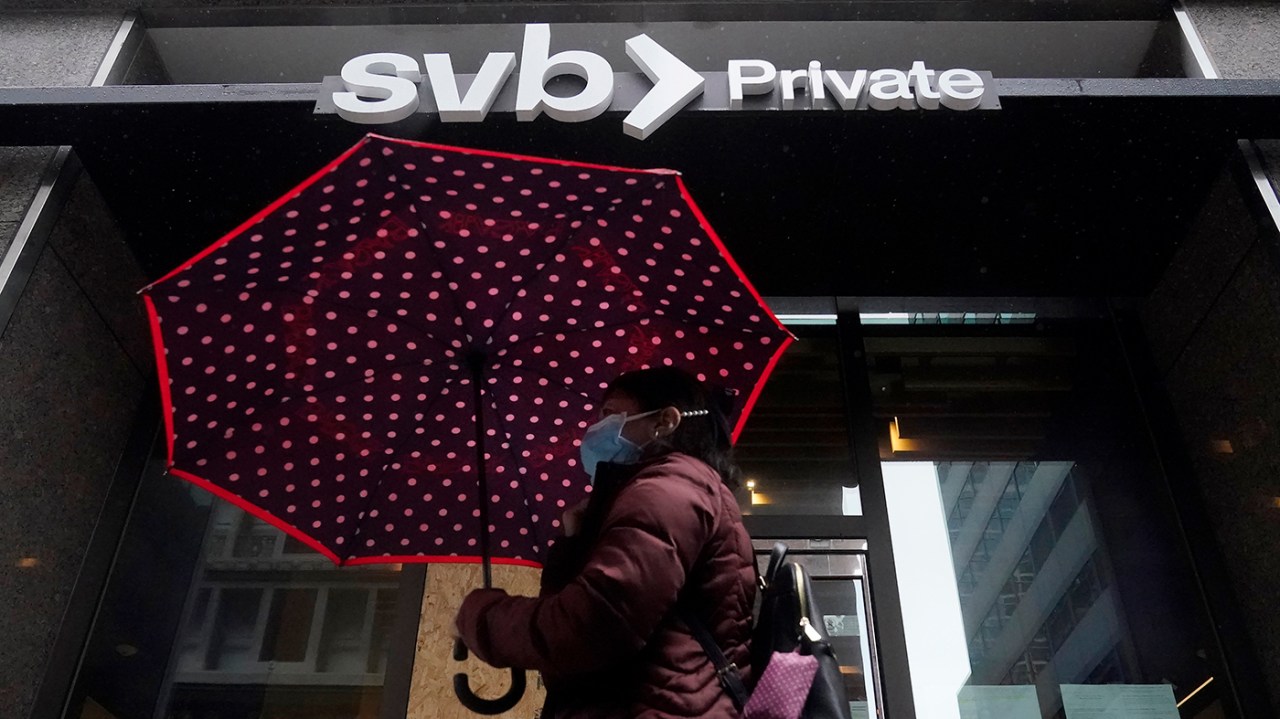
Senator Elizabeth Warren has called on Federal Reserve Chair Jerome Powell to recuse himself from the review of the Silicon Valley Bank collapse, citing his role in the deregulation of banks. She has also proposed a bill to repeal a Trump-era law that rolled back bank reforms. The plunge in bank shares comes just days after California-based Silicon Valley Bank became insolvent and was bailed out by federal regulators via an auction and insured deposits up to $250,000, marking the second-largest U.S. bank failure since 2008.

Senate Democrats' bitter infighting reignited by bank failures.

Originally Published 2 years ago — by POLITICO

Featured image for Senate Democrats' bitter infighting reignited by bank failures.
Source: POLITICO

The failure of two banks has reignited tensions among Senate Democrats over bank deregulation. In 2018, 17 Democrats supported a Republican-backed measure to roll back parts of the Dodd-Frank reform bill, which was criticized by Sen. Elizabeth Warren (D-Mass.). The collapse of two banks with roughly $300 billion in total assets over the past week has animated those internal divisions among Democratic senators, who usually pride themselves on policy unity. While some Democrats want to see either repeal of the 2018 legislation or other tougher laws, there is no apparent solution that would get 51 Democratic votes, much less the 60 senators needed to vault a filibuster.