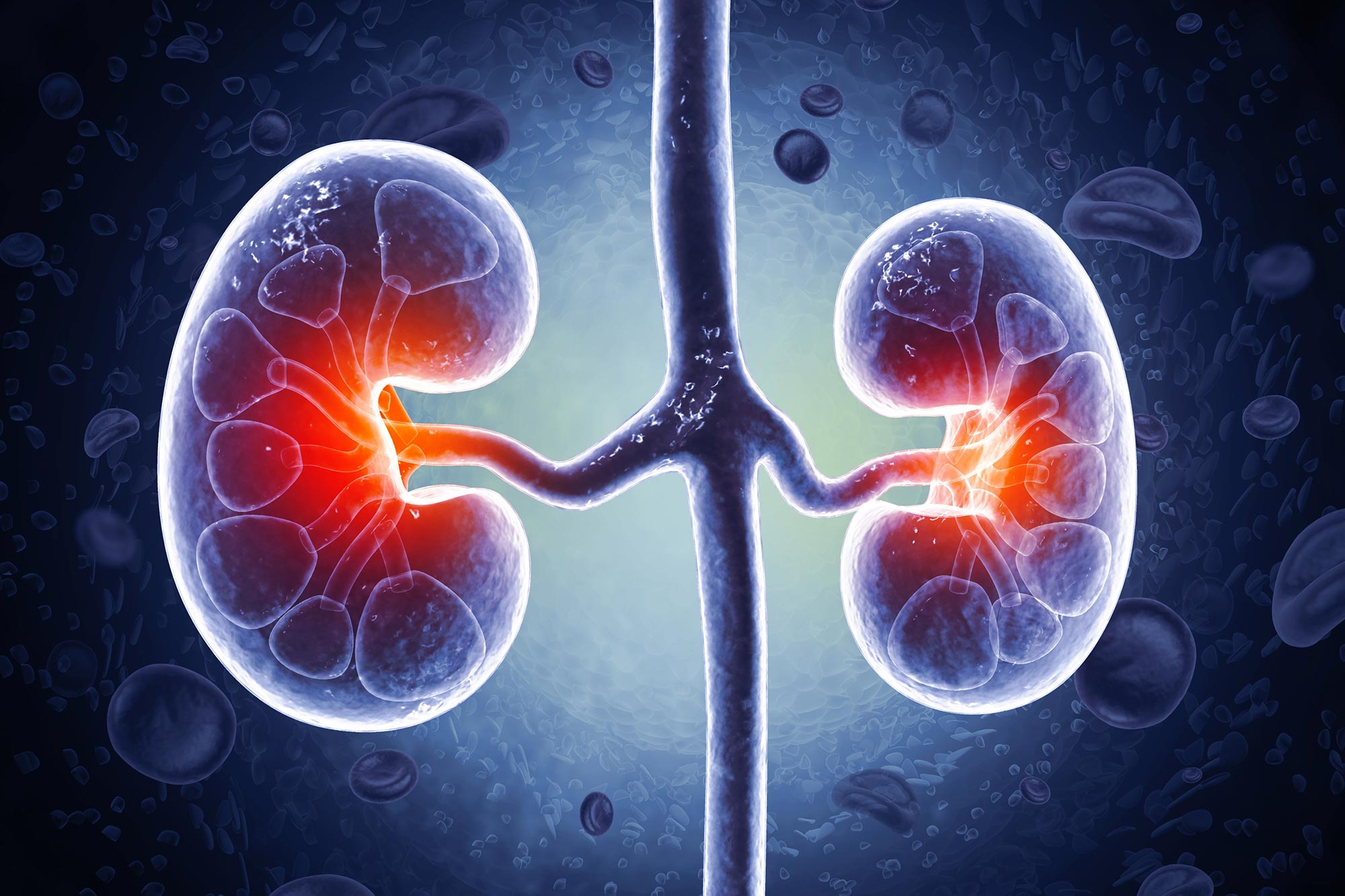
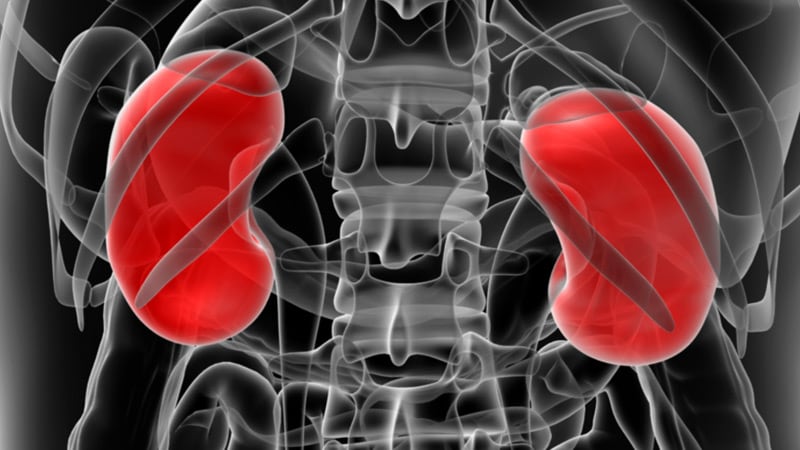
A global study finds that discrepancies between creatinine and cystatin C blood tests, used to assess kidney health, can predict higher risks of kidney failure, heart disease, and death, emphasizing the importance of using both tests together for accurate diagnosis and early intervention.
A large study of nearly 800 dogs has identified blood molecules linked to aging, particularly metabolites associated with kidney function and gut microbes, which could provide insights into aging processes in both dogs and humans and help develop strategies for healthier aging.
Dr. F. Perry Wilson from Yale School of Medicine discusses the lack of concrete evidence on the optimal daily water intake, despite common advice to "drink more water." A review of 18 randomized controlled trials found mixed results on the benefits of increased water consumption for various health outcomes, such as weight loss, blood glucose levels, headaches, and kidney stones. The findings suggest that while staying hydrated is essential, drinking beyond thirst may not provide additional health benefits, and our bodies are well-equipped to regulate water balance naturally.
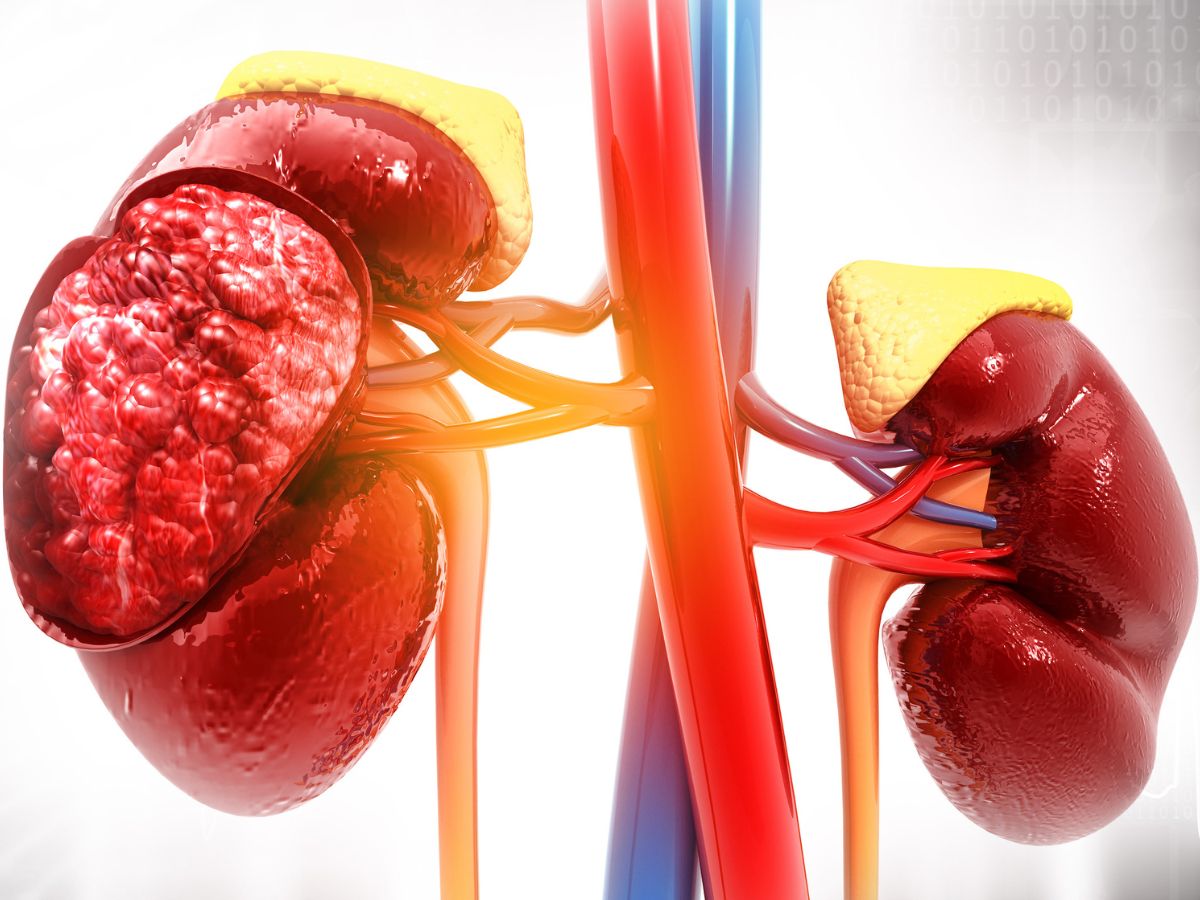
The first randomized controlled clinical trial of ketogenic metabolic therapy for polycystic kidney disease (PKD) has shown that the ketogenic diet is effective at controlling the disease. The trial involved 66 PKD patients who were split into three groups: a control group, a group that underwent monthly water fasting, and a group that followed a low-carbohydrate, high-fat ketogenic diet. At the end of the three-month trial, the ketogenic diet patients' kidneys stopped growing and showed improved kidney function, challenging the belief that PKD is a genetic disease that inevitably leads to kidney failure. Further clinical trials are planned to investigate the long-term effects of the ketogenic diet and a medical food called KetoCitra.
Pay attention to these 5 signs of kidney damage that may manifest in your urine: 1) Blood in urine, indicating potential bleeding in the kidneys or urinary tract; 2) Foamy urine, suggesting the presence of protein and potential kidney danger; 3) Change in urine color, particularly dark-colored urine, which may indicate kidney dysfunction, infection, or stones; 4) Smelly urine, which could be a sign of kidney damage or infection; and 5) Increased urge to urinate, potentially caused by impaired kidney function and a buildup of waste products in the body.
Chronic kidney disease (CKD) is divided into five stages based on the estimated glomerular filtration rate (eGFR), which measures kidney function. Each stage represents a different level of kidney damage and requires specific treatments. In the early stages (1-3), there may be no symptoms, but as the disease progresses, symptoms such as foamy urine, fatigue, and swelling may occur. In the later stages (4-5), kidney function significantly declines, leading to complications and the need for dialysis or a kidney transplant. Regular monitoring and early intervention can slow down the progression of CKD and improve outcomes.
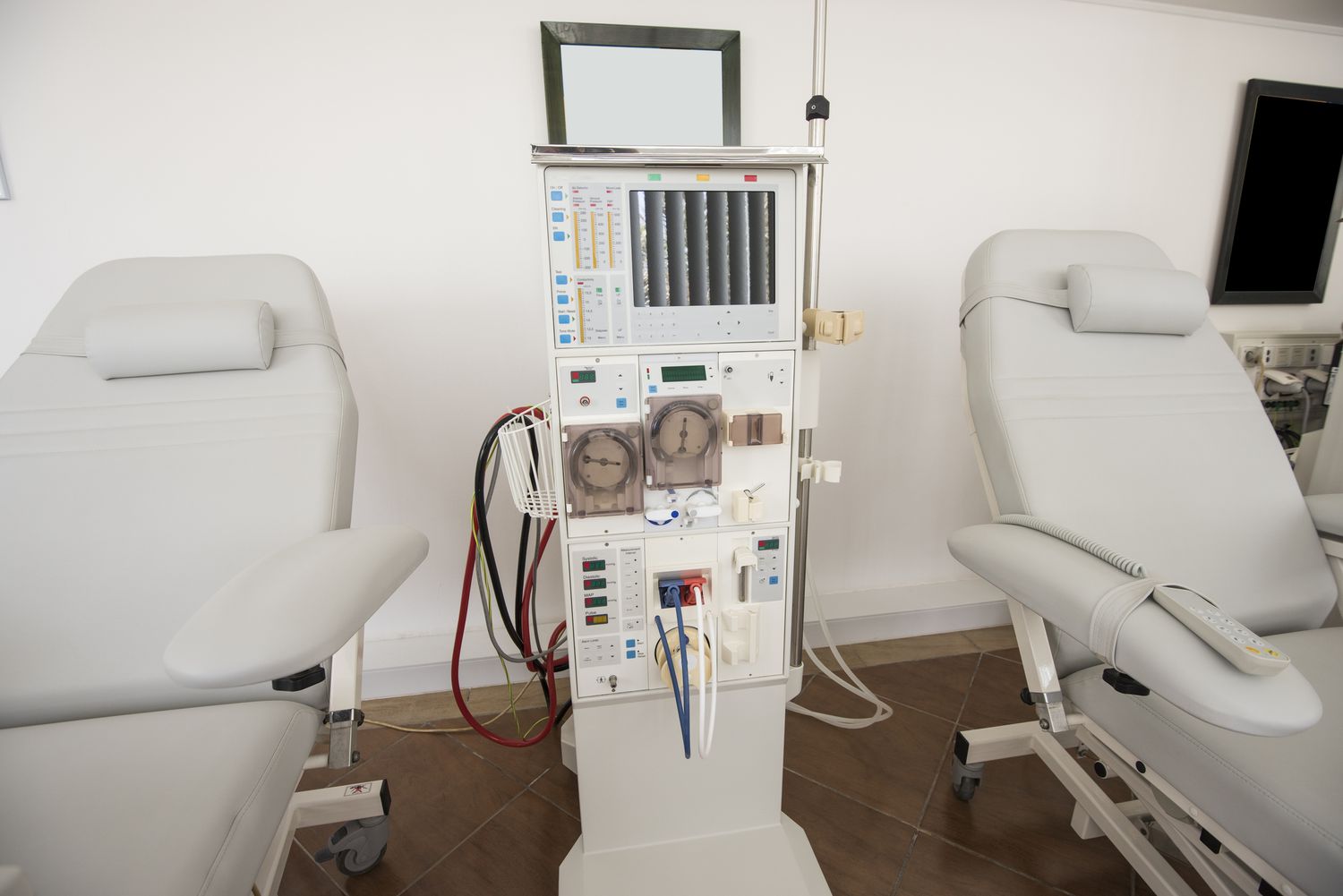
A new study published in the Journal of the American Society of Nephrology suggests that many patients with acute kidney injury may be staying on dialysis longer than necessary. The study found that 40% of patients with acute kidney injury recovered their kidney function, but only 18% were successfully weaned off dialysis through having fewer sessions, and 9% through shorter sessions. More than 70% of these patients eventually stopped dialysis without any weaning, indicating that they could have had fewer or shorter treatments earlier. Dialysis not only impacts quality of life but can also lead to infection, heart damage, and additional kidney injury. The study highlights the need for better management and individualized care for patients with acute kidney injury.
The frequency of urination varies from person to person, but on average, a healthy adult urinates about 6 to 8 times per day. Factors such as bladder size, fluid intake, medications, and health conditions can affect urination patterns. It is important to pay attention to any changes in urination habits, as it could indicate an underlying issue. Conditions such as overactive bladder, diabetes, urinary tract infections, kidney damage, pregnancy, obstructive sleep apnea, heart disease, and enlarged prostate can all impact urination frequency. Maintaining proper hydration, limiting caffeine and alcohol intake, consuming fiber-rich foods, and practicing pelvic floor exercises can help regulate urination. If experiencing bothersome or disruptive urination habits, it is recommended to consult a healthcare provider.
Modest reductions in kidney function, even within the normal range, are associated with a higher risk of adverse events, particularly among younger adults. A large cohort study found that slight decreases in estimated glomerular filtration rate (eGFR) were linked to a 42% increased risk of all-cause mortality, cardiovascular events, and kidney failure in adults under 40 years old. The findings highlight the importance of monitoring kidney function and adopting a healthy lifestyle to prevent future kidney and heart diseases. Once chronic kidney disease develops, it is rarely reversible, making early detection and prevention crucial.