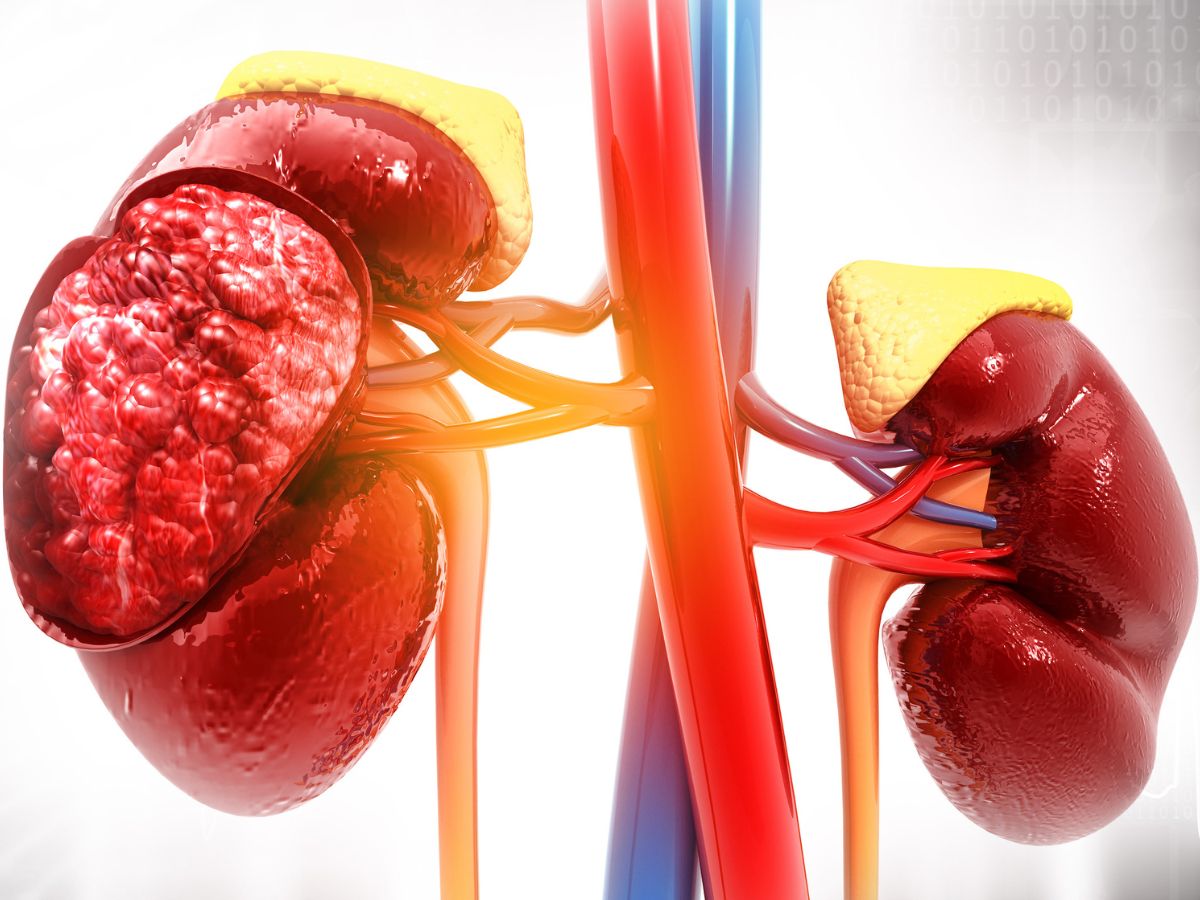
Long-term use of over-the-counter proton pump inhibitors (PPIs) by about 20 million Americans may trigger serious side effects, including C. diff infections, nutrient deficiencies leading to anemia, bone fractures, kidney damage, and potential headaches, with possible rebound symptoms if the drugs are stopped.
Vitamin D toxicity can cause a range of symptoms including nausea, dehydration, nervous system effects, kidney problems, and heart issues, highlighting the importance of monitoring vitamin D intake to prevent serious health risks.
Herbal supplements, often perceived as safe and natural, can pose serious health risks including liver and kidney damage due to contamination, toxins, and unpredictable reactions, especially when used without proper knowledge or medical oversight. It is crucial to research, consult healthcare professionals, and monitor health when using these products to avoid irreversible harm.
Exercise scientist Dr. Mike Israetel warns against the overuse of ibuprofen and other NSAIDs, highlighting their potential to cause kidney damage, especially when taken in high doses over extended periods. He compares the risk of acute bodily harm from ibuprofen to that of anabolic steroids, emphasizing the importance of consulting healthcare professionals for pain management. This caution is supported by research indicating that doses exceeding 1200 mg per day can interfere with normal kidney function.
A new study reveals that the harsh conditions of space travel can cause significant kidney damage to astronauts, potentially jeopardizing future manned missions to Mars. The research, which analyzed data from over 40 space missions, found that space conditions cause parts of the kidney to shrink within a month. This adds to existing concerns about cognitive decline and radiation damage, highlighting the need for technological or pharmaceutical solutions to protect astronauts' health during deep space travel.
A 26-year-old Tunisian woman experienced three acute kidney injuries after using a hair-straightening product containing 10% glyoxylic acid at a salon, leading medical professionals to caution against the potential side effects of certain hair treatments. The New England Journal of Medicine published a letter linking the product to kidney damage and urging for its discontinuation from the market, while also noting 26 similar cases in Israel. This incident adds to growing concerns about the health risks associated with chemical hair treatments, including a recent NIH study suggesting a potential link to uterine cancer.
A 26-year-old Tunisian woman experienced three acute kidney injuries after receiving hair-straightening treatments at a salon, leading medical professionals to link certain hair products containing 10% glyoxylic acid to kidney damage. The woman reported a burning sensation and scalp ulcers during the procedures, and subsequent medical examinations revealed increased plasma creatinine levels in her blood. The New England Journal of Medicine piece advises against using products containing glyoxylic acid and suggests discontinuing them from the market, while also referencing a previous NIH study that linked chemical hair-straightening products to an increased risk of uterine cancer.
A woman experienced kidney damage three times after receiving hair-straightening treatments at a salon using a cream containing glyoxylic acid. Doctors suspect the acid absorbed through her skin and reached her kidneys, causing damage. An experiment with mice showed that glyoxylic acid led to the formation of crystals in their urine, similar to those seen in people who have ingested toxic alcohol. The doctors involved in the case believe the products should be avoided and potentially discontinued from the market due to the potential dangers of using glyoxylic acid in hair-straightening or smoothing products.
Experts are concerned about the increased use of artificial sweeteners in place of sugar in Nigerian foods, warning that long-term consumption may lead to health risks such as diabetes, heart-related issues, and kidney problems. The World Health Organization advises against using non-sugar sweeteners for weight control or reducing the risk of noncommunicable diseases, emphasizing the need to reduce overall sweetness in the diet. Experts caution that the use of artificial sweeteners due to the high cost of sugar may have negative health impacts, and studies have shown potential risks including weight gain, cardiovascular issues, and other health hazards.
Non-steroidal anti-inflammatory drugs (NSAIDs) like aspirin and ibuprofen, commonly used for pain relief, can have serious side effects if used long-term. Prolonged use of NSAIDs can increase the risk of heart attack, stroke, and kidney damage. Avid runner Barry Davis experienced kidney damage after taking nine pills a day for three decades. Experts recommend using NSAIDs for short-term acute pain or inflammation and suggest safer alternatives like turmeric, fish oil, and infladox for persistent pain relief. Individuals taking diuretics or ace inhibitors are at a greater risk of kidney damage when using NSAIDs.
Pay attention to these 5 signs of kidney damage that may manifest in your urine: 1) Blood in urine, indicating potential bleeding in the kidneys or urinary tract; 2) Foamy urine, suggesting the presence of protein and potential kidney danger; 3) Change in urine color, particularly dark-colored urine, which may indicate kidney dysfunction, infection, or stones; 4) Smelly urine, which could be a sign of kidney damage or infection; and 5) Increased urge to urinate, potentially caused by impaired kidney function and a buildup of waste products in the body.
A recent analysis of studies found that proton pump inhibitors (PPIs) like Prilosec increase the risk of acute kidney injury by about 75%. Despite this, the manufacturer does not admit that the drug can harm the kidneys. AstraZeneca recently settled over 10,000 lawsuits related to kidney injuries caused by Prilosec and Nexium. Additionally, a study comparing enteric-coated and uncoated aspirin found no difference in safety or effectiveness when it came to bleeding episodes. Xylitol, a sugar substitute found in dry mouth products, can cause diarrhea in some individuals.
Non-steroidal anti-inflammatory drugs (NSAIDs), such as ibuprofen and naproxen, can potentially cause kidney damage if not taken properly. These drugs can lead to acute renal impairment and increase the risk of heart damage. NSAIDs can harm the kidneys, especially when taken with diuretics, ACE inhibitors, or angiotensin II blockers, as they can cause sodium and fluid retention, leading to high blood pressure. It is important to take NSAIDs as prescribed, drink enough water, and be aware of any adverse effects. Consult a doctor before adding new supplements or taking drugs that may interact with them, especially if you have renal disease or if the risks outweigh the benefits.
Health experts warn that non-steroidal anti-inflammatory drugs (NSAIDs) can cause kidney damage if not taken properly. High doses of NSAIDs like ibuprofen and naproxen can lead to acute renal impairment. These drugs can also increase blood pressure and decrease blood flow to the kidneys. It is important to speak to a doctor before taking NSAIDs or any supplements, especially if you have renal disease or if the risks outweigh the benefits.
Commonly used prescription and over-the-counter drugs, including some antibiotics and blood pressure medications, can cause significant damage to your kidneys. People over 60 years of age or living with chronic conditions like diabetes, high blood pressure, and lupus nephritis are at higher risk of kidney damage from these medications. Non-steroidal anti-inflammatory drugs (NSAIDs), antibiotics, proton pump inhibitors (PPIs), blood pressure medications, supplements, and psychiatric medications are among the common medications that can cause kidney damage. To avoid kidney damage from medication, keep an updated list of OTC and prescription medications and supplements, ask your doctor how each medication you take might interfere with your kidneys, stay hydrated, eat a reduced salt diet that includes a lot of fruits and vegetables, and exercise daily to control blood pressure.