Taking ibuprofen with coffee can enhance its pain-relieving effects due to caffeine's ability to block pain signals and improve absorption, but alcohol should be avoided when taking ibuprofen due to increased health risks.
A cardiologist warns that common medications like Omeprazole and Ibuprofen can pose serious health risks, especially with long-term use or before exercise, including nutrient deficiencies, kidney damage, and heart issues, urging caution and proper medical supervision.
Recent research suggests that ibuprofen, a common pain reliever, may have anti-cancer properties, particularly in reducing the risk of endometrial, bowel, breast, lung, and prostate cancers, by reducing inflammation and affecting cancer-related genes. However, experts caution against self-medicating due to potential side effects and emphasize lifestyle prevention strategies.
Recent research suggests that ibuprofen, a common anti-inflammatory drug, may have protective effects against certain cancers, including endometrial, bowel, breast, lung, and prostate cancers, by reducing inflammation and influencing cancer-related genes. However, conflicting studies and potential side effects mean it should not be used for cancer prevention without medical guidance, and lifestyle factors remain crucial for reducing cancer risk.
New research shows that common painkillers ibuprofen and acetaminophen can promote antibiotic resistance in bacteria, especially when used together, raising concerns about medication use in aged care and the broader implications for public health.
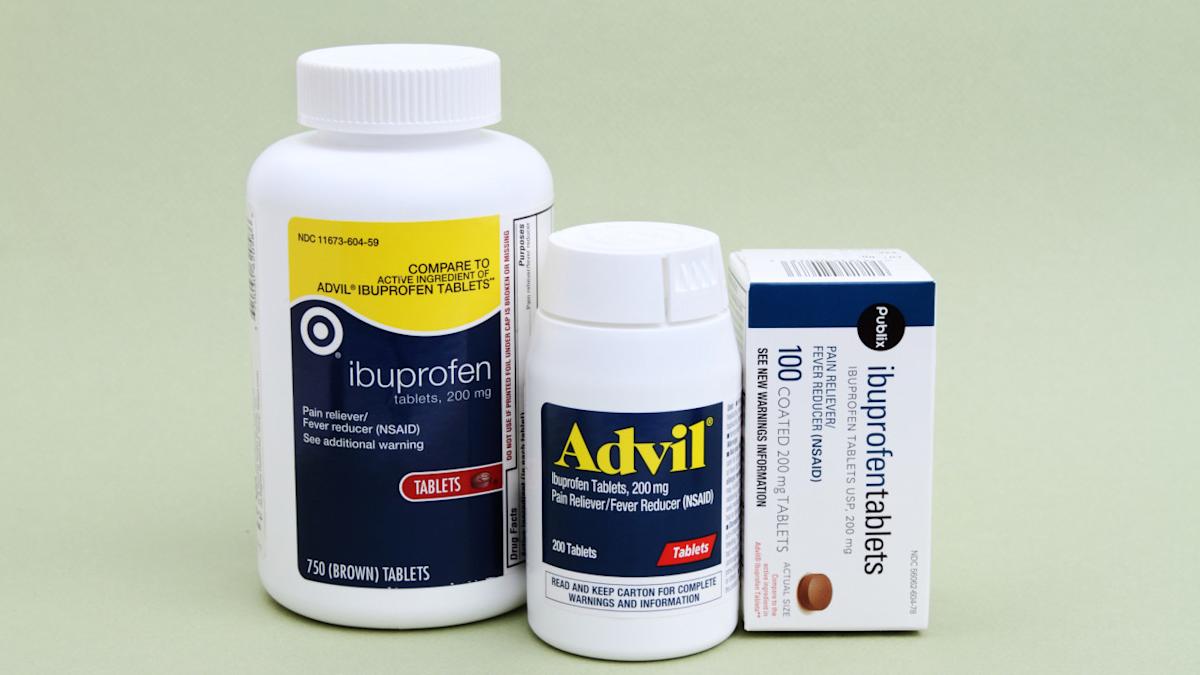
Taking Advil (ibuprofen) daily can pose health risks such as stomach ulcers, kidney damage, increased blood pressure, and heart attack, especially if used long-term without medical guidance. While it can be effective for managing certain types of pain and inflammation, it's important to consult a healthcare professional to assess safety and explore safer alternatives for pain relief.
A woman suffered a severe and rare allergic reaction to ibuprofen, leading to Stevens-Johnson Syndrome, which caused her skin to peel off and resulted in her being in a coma for three weeks, with long-term health effects. Her case highlights the potential dangers of medication reactions, even from common drugs like ibuprofen.
Exercise scientist Dr. Mike Israetel warns against the overuse of ibuprofen and other NSAIDs, highlighting their potential to cause kidney damage, especially when taken in high doses over extended periods. He compares the risk of acute bodily harm from ibuprofen to that of anabolic steroids, emphasizing the importance of consulting healthcare professionals for pain management. This caution is supported by research indicating that doses exceeding 1200 mg per day can interfere with normal kidney function.
Researchers at Semmelweis University have found that taking too many non-steroidal anti-inflammatory drugs (NSAIDs) like ibuprofen and aspirin can upset the balance of gut microbiota, potentially worsening symptoms of certain diseases they are meant to treat. The study suggests that NSAIDs can cause dysbiosis, leading to imbalances in gut bacteria, which are vital for overall health. The findings highlight the importance of maintaining a healthy gut microbiome and suggest that following a healthy diet and exercising regularly may help counteract the harmful effects of NSAIDs on the gut.
A reader seeks advice for managing osteoarthritis pain in the neck and mid-back. Dr. Keith Roach recommends against using both Aleve and ibuprofen simultaneously due to increased risk of toxicity, and suggests trying Tylenol despite its smaller risk of side effects. He also mentions the potential side effects of anti-inflammatory medicines and recommends combining non-medicinal therapies like the Aleve Direct Therapy pad and pain relief creams with medication. In severe cases, injections or surgery may be considered.
A 70-year-old man with osteoarthritis in his neck and mid-back area has been using Aleve and ibuprofen for pain relief, despite his doctor's recommendation to use Tylenol due to concerns about liver and kidney damage. Dr. Roach advises against taking both anti-inflammatory medicines simultaneously, as it increases the risk of toxicity, and suggests trying Tylenol to see if it provides relief. He also mentions the potential side effects of Aleve and similar medicines, and recommends combining non-medicinal therapies like the Aleve Direct Therapy pad and pain relief creams with medication. In more severe cases, injections or surgery may be considered, and readers are encouraged to email questions to Dr. Roach.
Regularly taking Advil for pain relief can pose health risks, especially for those with kidney or stomach issues. The recommended dosage for adults and children 12 years and older is one or two 200-milligram tablets every four to six hours, not exceeding 1,200 milligrams in 24 hours. It's important to be mindful of the dosage and to consult a healthcare professional if there are concerns about overuse.
TikTok users are sharing a viral video claiming that a combination of Jell-O, lemon juice, and ibuprofen can delay or stop periods. While ibuprofen can decrease period bleeding and cramping, taking high doses to lighten periods can be dangerous and is not recommended without consulting a doctor. Experts suggest safer and more effective treatments for menstrual suppression, such as birth control pills, the birth control patch, and IUDs. It's important to seek medical advice before attempting to alter menstrual cycles.
Dr. Deborah Lee, from Dr Fox Online Pharmacy, has issued a warning about the serious side effects of ibuprofen, a commonly used painkiller. Ibuprofen is a COX enzyme inhibitor, which can lead to gastrointestinal (GI) problems by reducing the production of stomach mucus. Large doses of ibuprofen can cause gastrointestinal bleeding, peptic ulcers, pancreatitis, as well as liver and kidney failure. These adverse effects can occur as early as three days into ibuprofen treatment. Symptoms of GI bleeding include tarry, black, foul-smelling stools (melaena) or fresh red blood mixed with stool. It is important to follow the recommended dosage and seek medical attention if experiencing these symptoms.
Dr. Deborah Lee from Dr Fox Online Pharmacy warns that ibuprofen, a popular painkiller belonging to the group of non-steroidal anti-inflammatory drugs (NSAIDs), can cause bleeding in the digestive tract. This occurs because ibuprofen reduces the production of stomach mucus that neutralizes stomach acids. Symptoms of gastrointestinal bleeding include dark black stools or red blood mixed with the stool, loose and watery stool, and bad odor. If these symptoms occur after taking ibuprofen, urgent medical help should be sought. While the risk of stomach bleeding is not common, it is important to take it seriously, especially for individuals aged 65 and older, those with a history of peptic ulcer, H. Pylori infection, heavy alcohol consumption, or taking other medications such as antiplatelet agents or steroids.