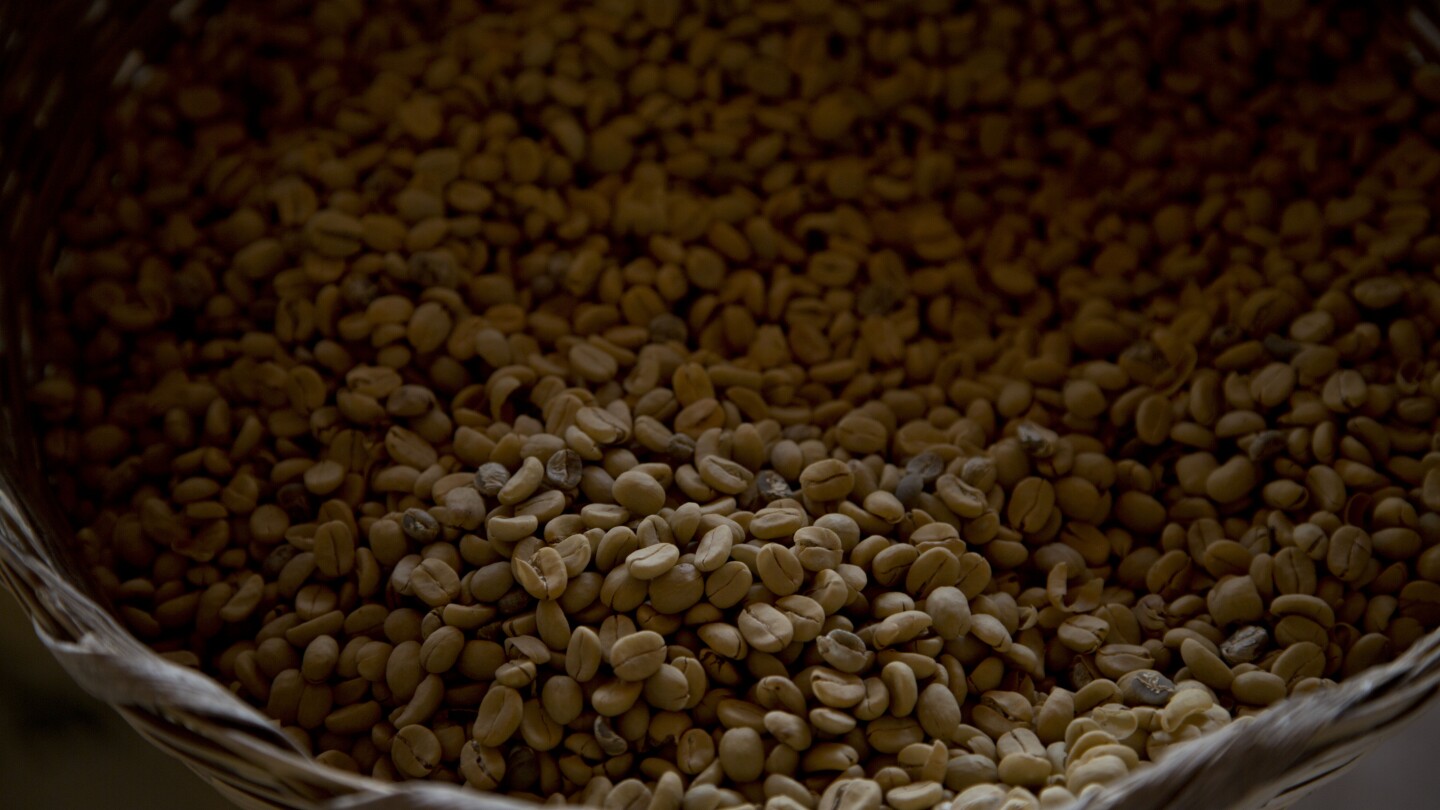
Researchers have traced the origins of arabica coffee back 600,000 years through natural crossbreeding of two other coffee species, shedding light on its genetic history and vulnerabilities to diseases like coffee leaf rust. The study, published in Nature Genetics, aims to protect the plant from pests and climate change by exploring its genetic makeup and population fluctuations over time, potentially safeguarding the global coffee market dominated by arabica.
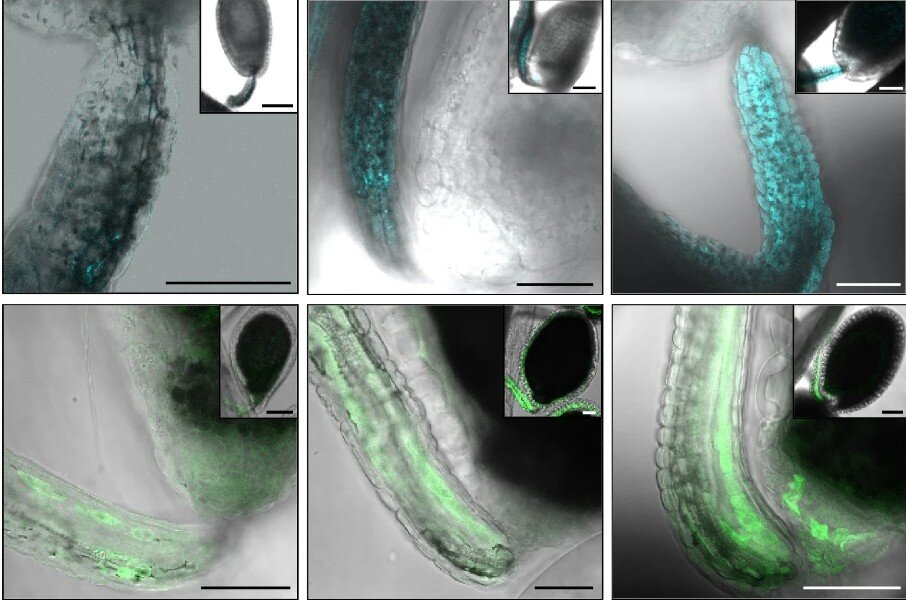
Scientists at UC Riverside have discovered a significant link between the Golgi body, an organelle in plant cells, and the aging process. They found that the COG protein, which manages the movement of sacs within the Golgi body, plays a crucial role in plant aging by assisting in glycosylation. When plants were modified to lack the COG protein and deprived of light, they exhibited accelerated aging symptoms, which were rapidly reversed upon reintroducing the protein. This unexpected finding could provide valuable insights into human aging and age-related diseases, as the Golgi body is present in all eukaryotic organisms, including humans.
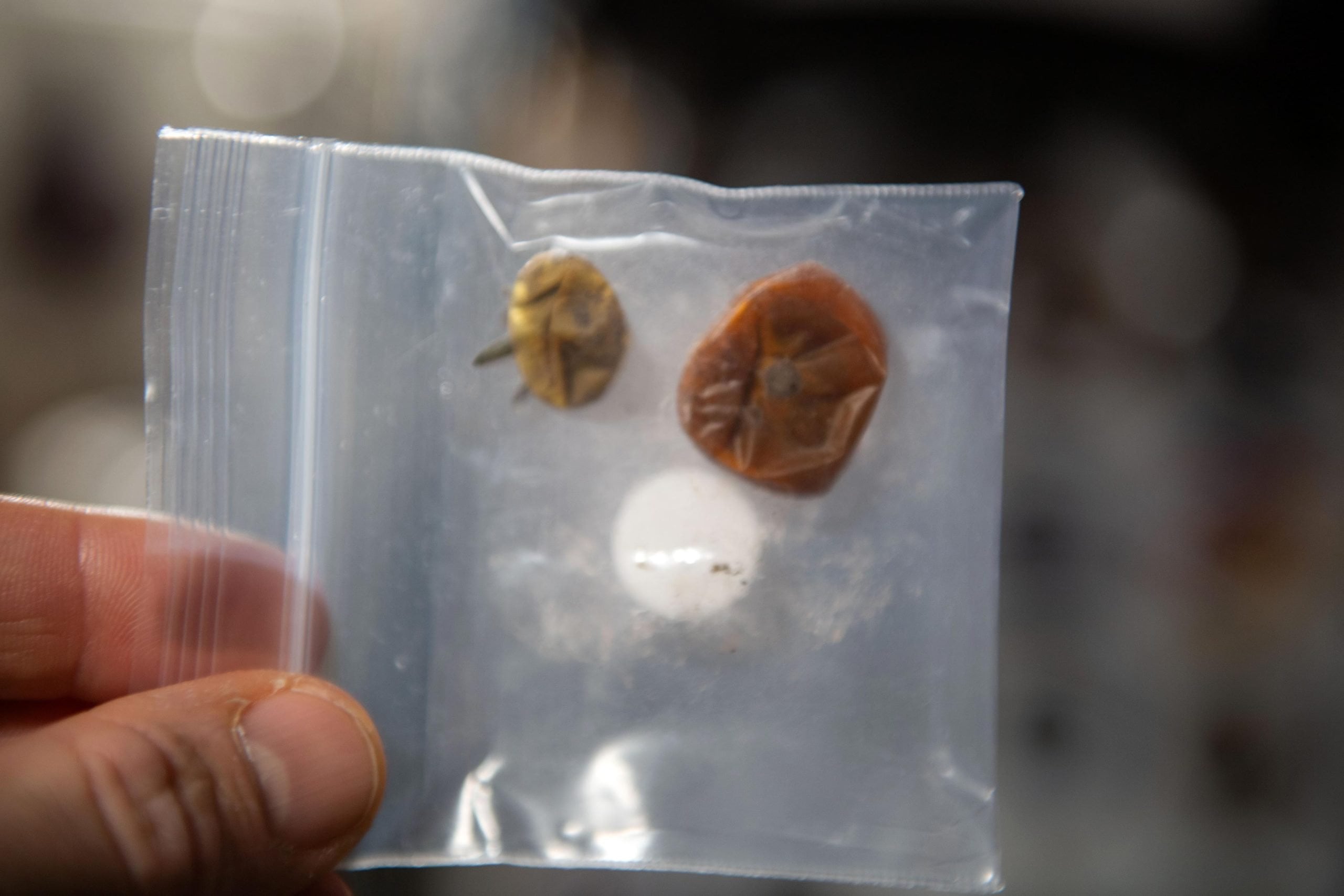
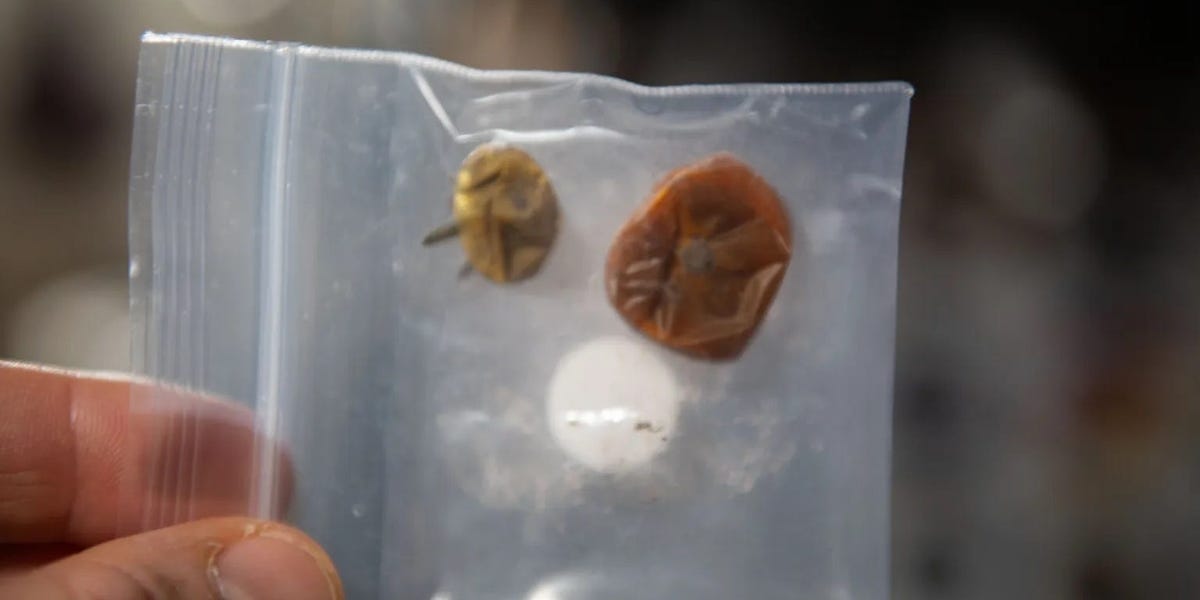
Two rogue tomatoes, lost by astronaut Frank Rubio during the XROOTS experiment on the International Space Station (ISS), have been recovered nearly a year later. The experiment focuses on growing plants without soil or other growth media, which could be crucial for future space exploration missions. The tomatoes were found dehydrated and slightly squished but showed no signs of microbial or fungal growth. Plant research aboard the ISS continues with studies like Plant Habitat-03, which aims to assess genetic adaptations in plants grown in space across multiple generations. Growing plants in space not only provides food but also has psychological benefits for astronauts.
NASA astronaut Frank Rubio's long-lost space tomatoes, which were misplaced on the International Space Station for 8 months, have been found slightly discolored and dehydrated but with no visible microbial or fungal growth. The tomatoes were part of NASA's VEG-05 project to study crop growth in space and were grown on the space station's vegetable facility. Rubio was accused of eating the tomatoes but was vindicated after they were discovered. The tomatoes will not be returning to Earth, but plant research continues on the space station to assess genetic adaptions in plants grown in space and their transferability to future generations. Space gardening has psychological benefits for astronauts, including increased quality of life and morale.
Researchers from the University of Copenhagen have identified the proteins responsible for storing bitter substances in rapeseed seeds, paving the way for the plant to be used as a direct food source for humans. The proteins can be removed using transport engineering, allowing the plant's bitter taste to be eliminated. Rapeseed is already a significant source of plant protein in the EU, and the research could support the green transition by reducing meat consumption. The discovery is the result of a 10-year grant from the Danish National Research Foundation to the DynaMo Center.