
Milestone in Space Reproduction: Mouse Embryos Successfully Grown, Paving the Way for Humans
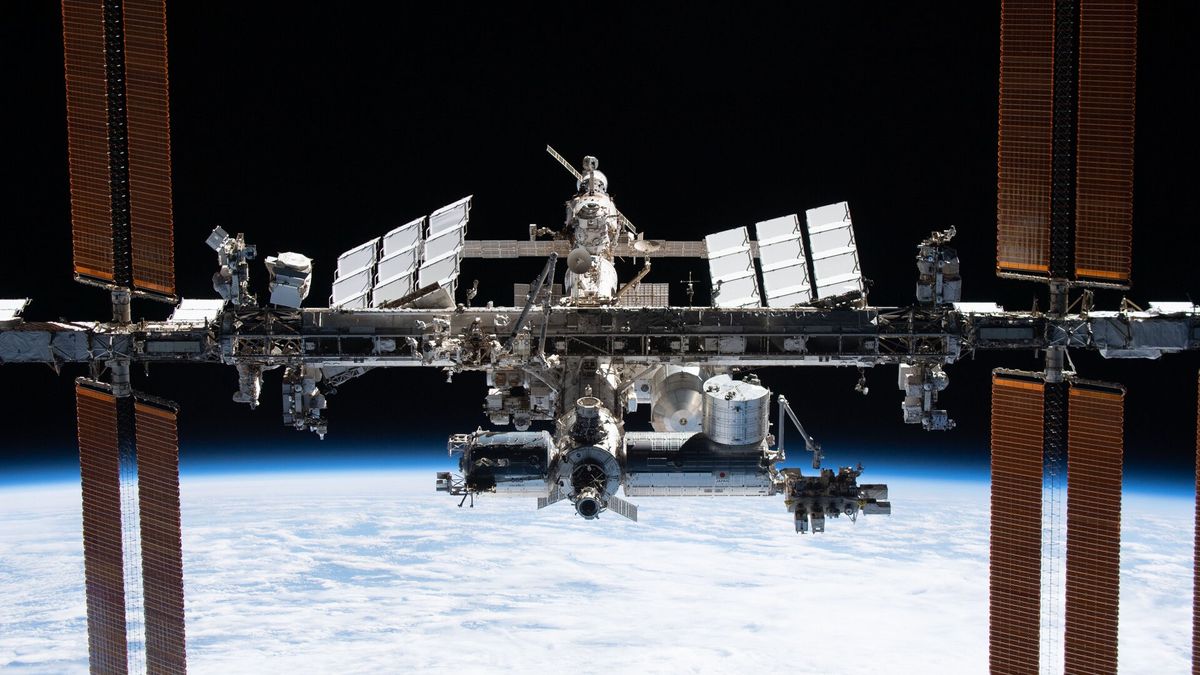
Mouse embryos have been successfully grown aboard the International Space Station (ISS), marking the first-ever study showing that mammals can thrive in space. The experiment, led by researchers from the University of Yamanashi and National Research Institute Riken, aimed to determine if mammalian fetuses can develop normally in microgravity. The embryos were cultured under microgravity conditions for four days and developed into blastocysts with normal cell numbers. The study suggests that humans may be able to reproduce in space, which could become a reality as humanity prepares for long-duration space missions and potential colonization of the moon and Mars.
- Can humans reproduce in space? Mouse breakthrough on ISS a promising sign Space.com
- For the First Time Ever, the Embryos of Mammals Have Grown in Space Popular Mechanics
- Mice embryos successfully grown in space, a promising milestone for human space exploration Salon
- Japanese Researchers Just Grew Mouse Embryos in Space Futurism
- Can Humans Get Pregnant In Space? Scientists One Step Closer To Finding Out Forbes
Reading Insights
0
0
3 min
vs 4 min read
86%
728 → 99 words
Want the full story? Read the original article
Read on Space.com