Tag

Infrared Observation

All articles tagged with #infrared observation

astronomy2 years ago

"James Webb Telescope Uncovers Ancient Dust-Covered Galaxy and Mysterious Ghostly Object"

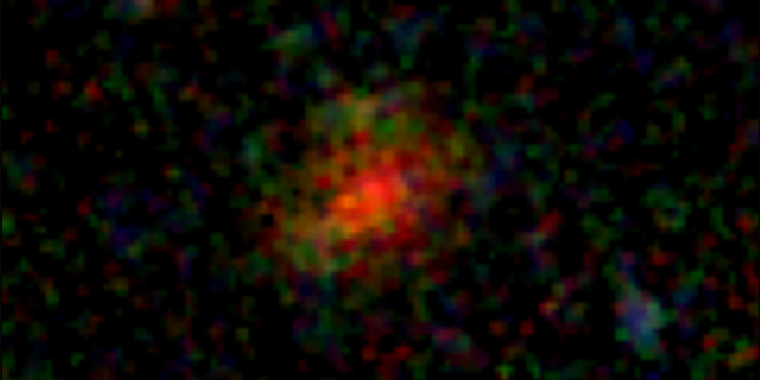
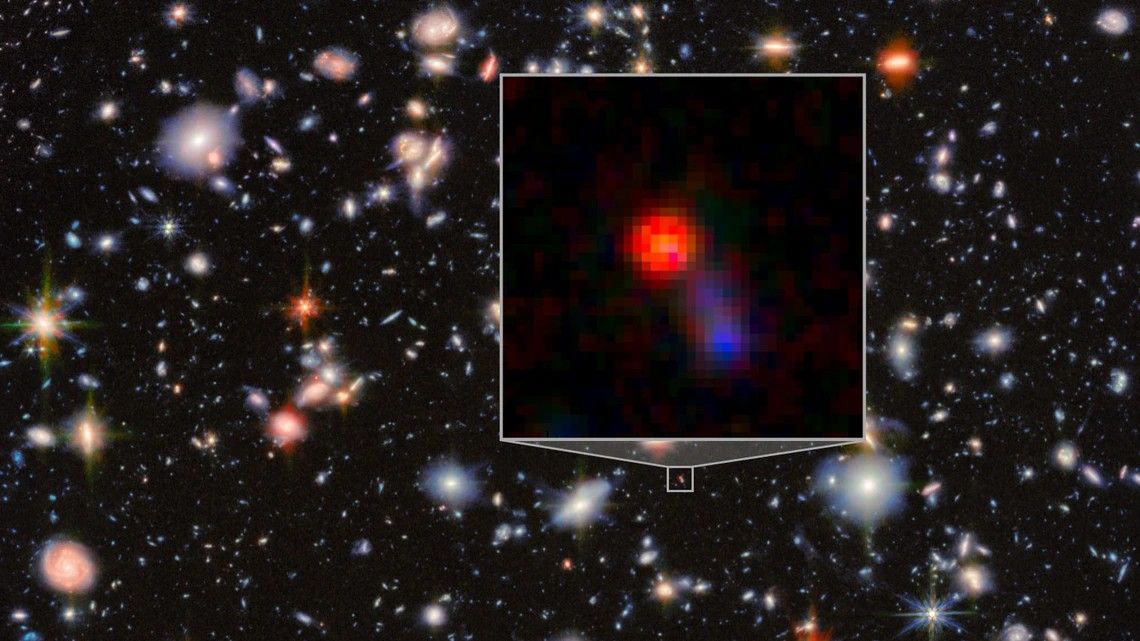
Astronomers using the James Webb Space Telescope have observed a distant galaxy, AzTECC71, shrouded in dust, making it invisible to optical instruments like the Hubble Space Telescope. This galaxy, which formed just 900 million years after the Big Bang, is a star factory, producing hundreds of new stars each year. The discovery suggests that there may be a whole population of similar dusty galaxies that have been previously hidden from observation.

science-and-astronomy2 years ago

"James Webb Space Telescope Captures Stunning Images of Galactic Gardens and Nebulas"

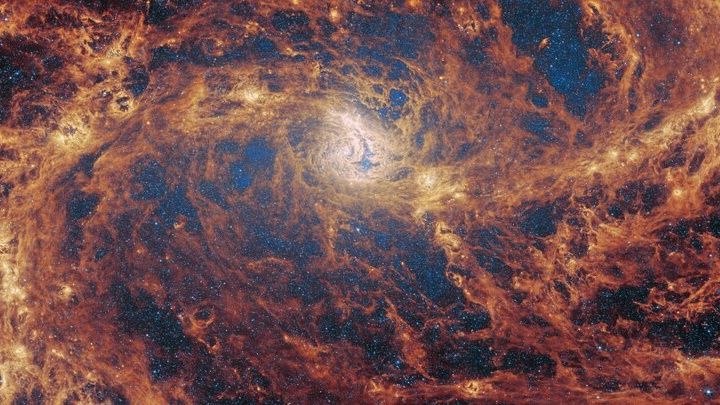
The James Webb Space Telescope (JWST) has captured a stunning image of the barred spiral galaxy M83 using its Mid-Infrared Instrument (MIRI). The image reveals dense star regions in the galactic center, stellar nurseries where new stars are forming, and regions rich in carbon-based compounds. This observation is part of the Feedback in Emerging extragalactic Star clusters (FEAST) program, which aims to understand the relationship between star formation and stellar feedback in galaxies. The JWST's MIRI, which observes the universe through infrared wavelengths, is a valuable tool for studying star formation.

space2 years ago

NASA's Webb Reveals Stunning New Perspective of the Crab Nebula

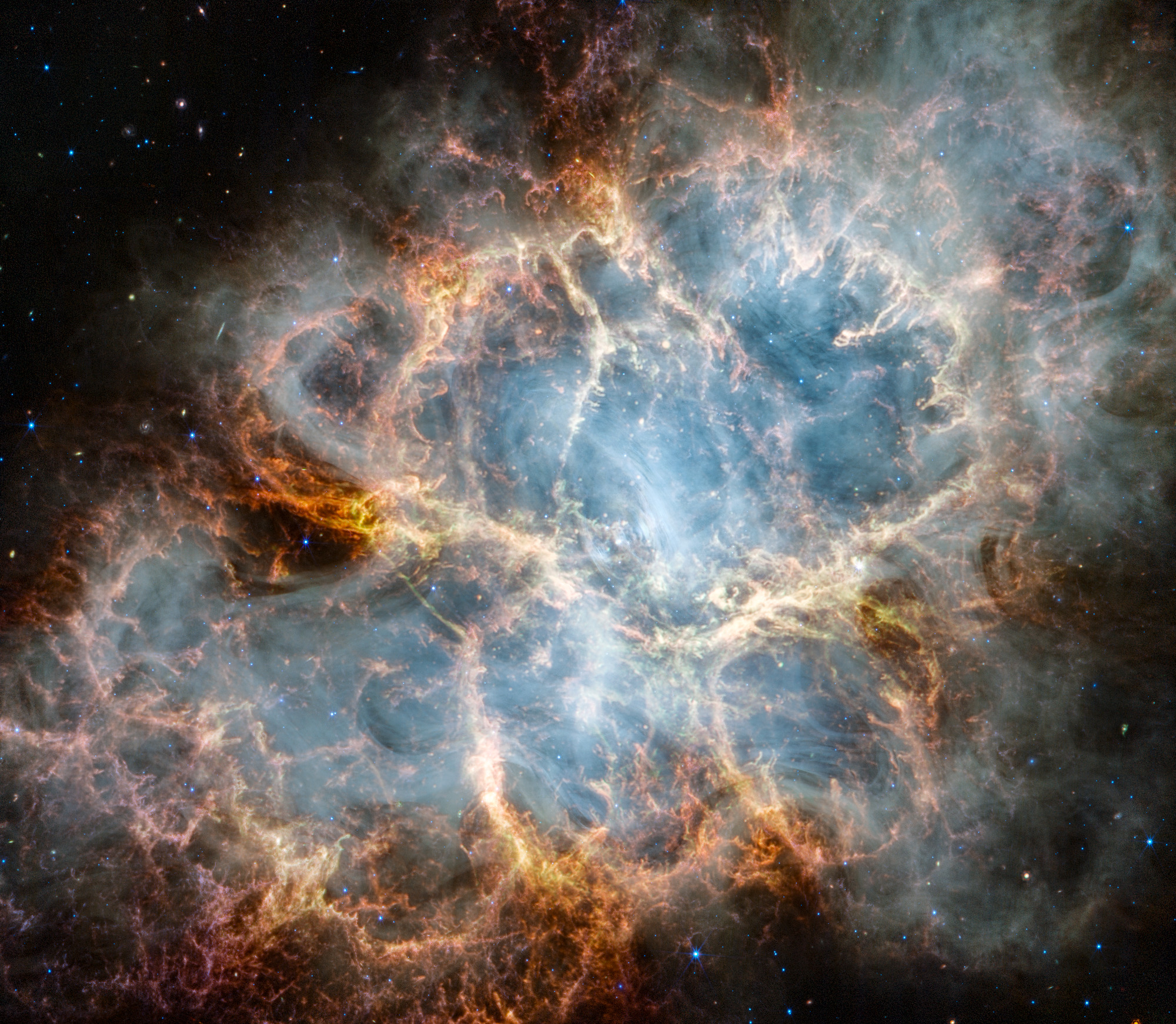
NASA's James Webb Space Telescope has captured exquisite, never-before-seen details of the Crab Nebula, a supernova remnant located 6,500 light-years away. The telescope's infrared observation reveals a cage-like structure of gaseous filaments, emission from dust grains, and synchrotron radiation produced by the pulsar at the heart of the nebula. The data will help scientists understand the composition and origins of the Crab Nebula, shedding light on the behavior and after-effects of supernovae.

science-and-astronomy2 years ago

"JWST's 3D Visualization Unveils 5,000 Galaxies in CEERS Survey"

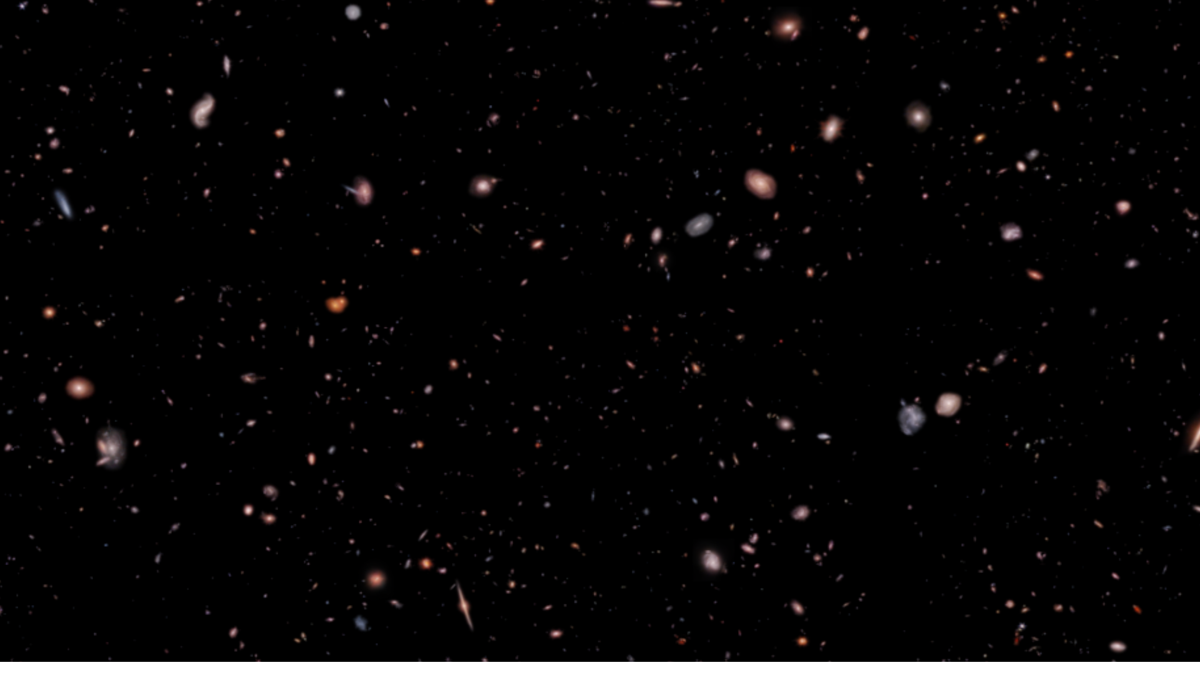
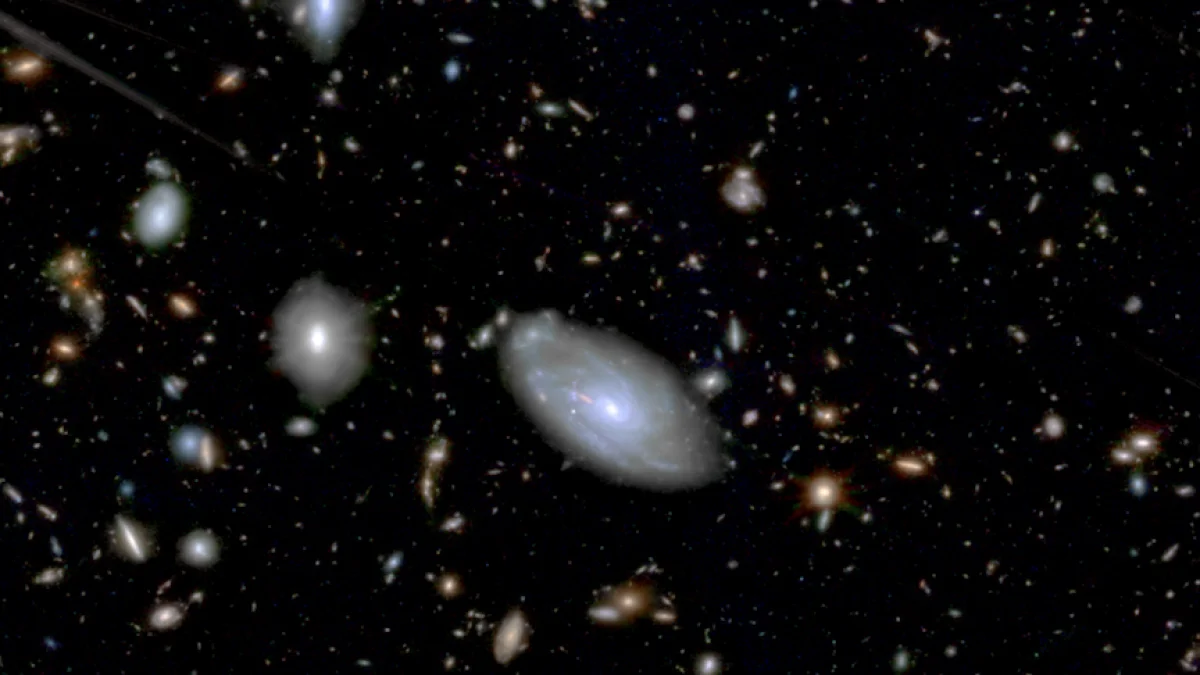
The James Webb Space Telescope has released a stunning 3D visualization that takes viewers on a journey back in time to just after the Big Bang. The video showcases over 5,000 galaxies in full color and three dimensions, starting with nearby galaxies and ending with Maisie's Galaxy, one of the most distant galaxies ever observed. The visualization is based on data collected by the Cosmic Evolution Early Release Science Survey and highlights the capabilities of the JWST in studying early galaxies through infrared observation. The goal is to learn more about the formation of early galaxies and understand if they differ from galaxies observed closer to Earth.

astronomy2 years ago

Unexplained Discoveries Unveiled by Webb Telescope

The James Webb Space Telescope has captured images of some of the oldest galaxies in the universe, revealing that these primeval galaxies emitted 10 times more energy than scientists predicted. Astronomers are puzzled by how these nascent galaxies achieved such high energy levels, speculating that it could be due to young, lively stars or supermassive black holes. The Webb telescope's ability to view infrared light allows it to observe ancient light that has been stretched and redshifted. The telescope's powerful capabilities, including its giant mirror and infrared view, enable it to peer into the early universe and study distant exoplanets.

science2 years ago

Rare image of dying star captured by James Webb space telescope.

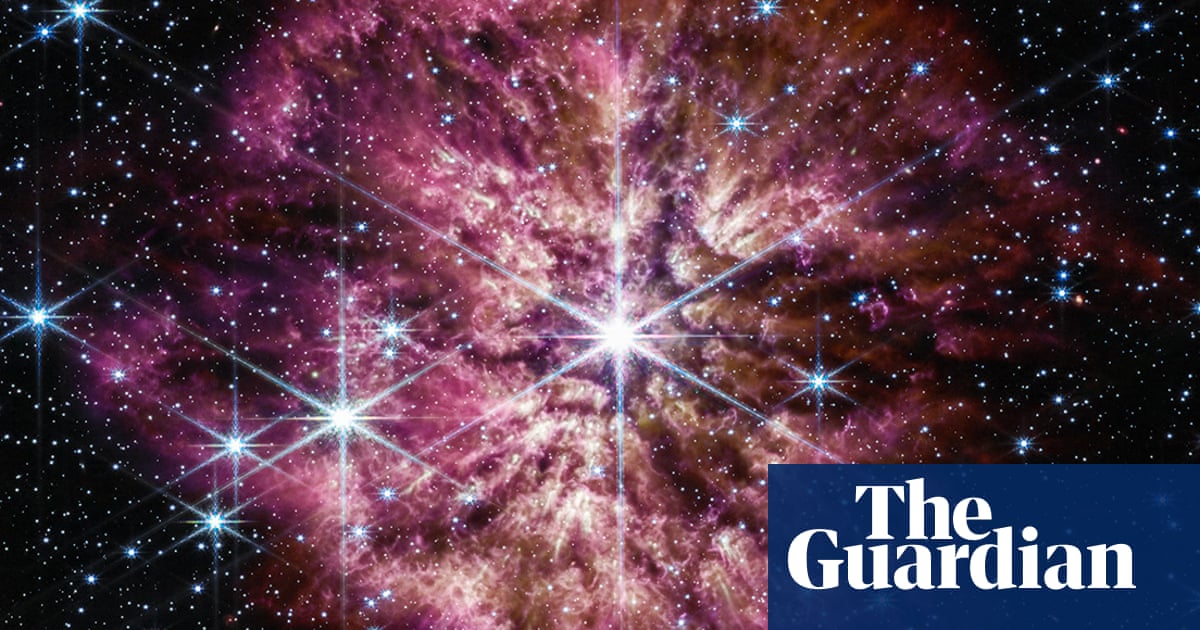
The James Webb space telescope has captured a rare image of a dying star on the verge of exploding, which was among the first observations made by the telescope following its launch in late 2021. The star, located 15,000 light years away, has already shed enough material to account for 10 suns and is 30 times as big as our sun. The cast-off material, observed in infrared, once comprised the star's outer layer and shimmered in purple like a cherry blossom. This transformation normally occurs only with some stars and is the last step before they explode, going supernova.