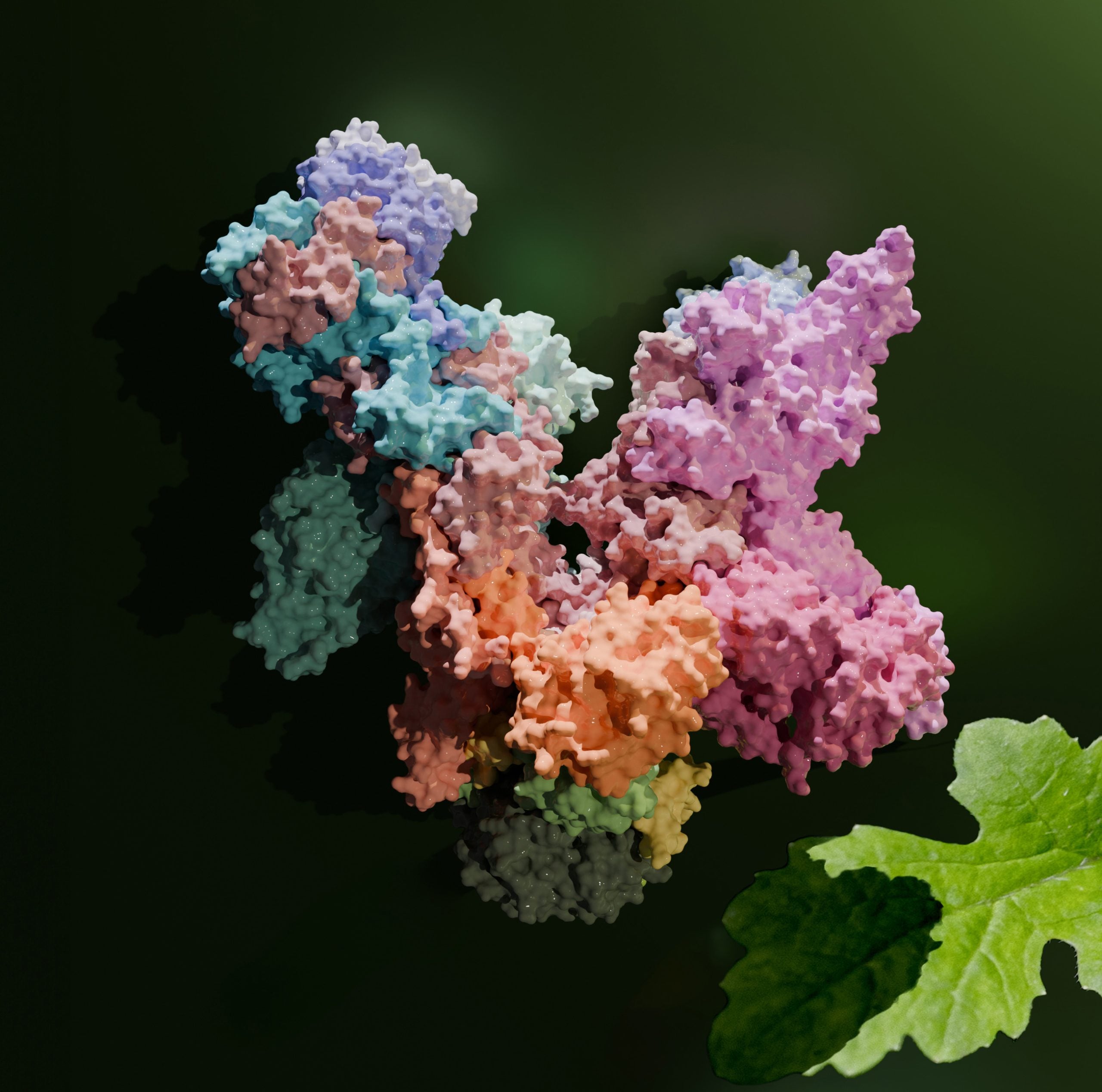
Researchers from Hannover and Göttingen have created a high-resolution 3D visualization of the chloroplasts’ copying mechanism, the RNA polymerase PEP, shedding light on the operation and evolutionary history of this vital cellular apparatus crucial for photosynthesis. The 19-subunit PEP complex was visualized at a resolution of 3.5 angstroms, revealing chloroplast-specific features and the unique structure of associated proteins. The study provides insights into the fundamental mechanisms of the photosynthesis machinery’s biogenesis and may have implications for biotechnological applications in the future.
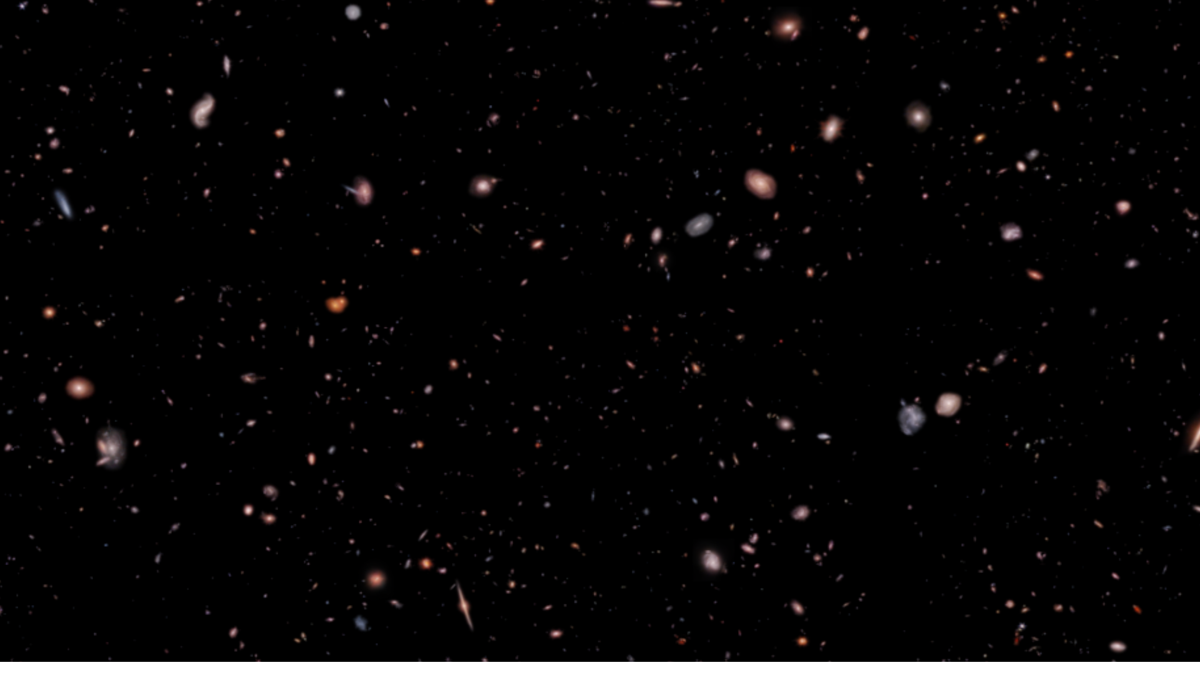
NASA's James Webb Space Telescope has released a stunning 3D visualization showcasing approximately 5,000 galaxies, including Maisie's Galaxy, one of the earliest galaxies formed 390 million years after the Big Bang. This visualization demonstrates Webb's advanced imaging capabilities, allowing researchers to explore previously unseeable portions of the universe and ask new questions about star formation in these early galaxies. The visualization highlights the Extended Groth Strip region and provides a glimpse into different stages of the universe's history and evolution. Webb's ability to capture light from these early galaxies in infrared wavelengths opens up a new period of study for astronomers.
The James Webb Space Telescope has released a stunning 3D visualization that takes viewers on a journey back in time to just after the Big Bang. The video showcases over 5,000 galaxies in full color and three dimensions, starting with nearby galaxies and ending with Maisie's Galaxy, one of the most distant galaxies ever observed. The visualization is based on data collected by the Cosmic Evolution Early Release Science Survey and highlights the capabilities of the JWST in studying early galaxies through infrared observation. The goal is to learn more about the formation of early galaxies and understand if they differ from galaxies observed closer to Earth.
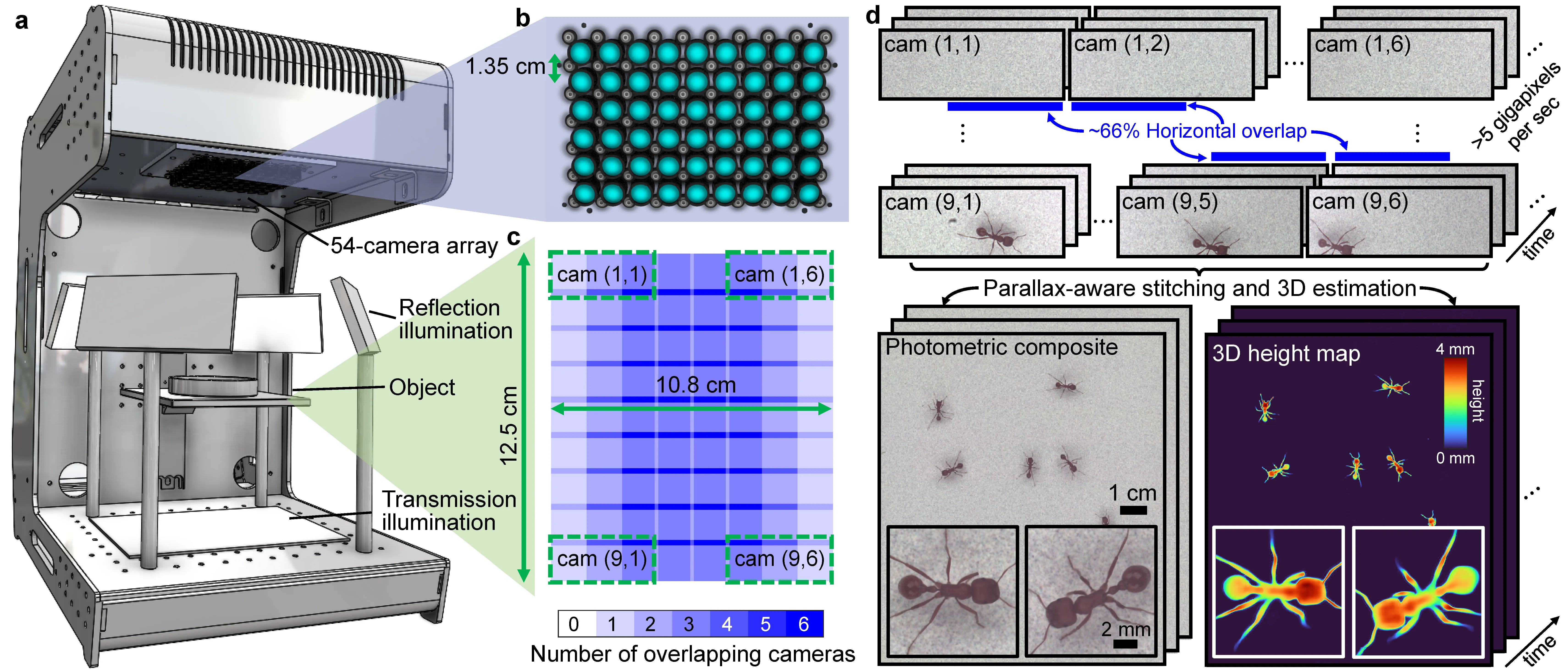
Researchers have developed a 3D-RAPID system that uses a camera array and software algorithm to create a 3D visualization of freely moving organisms such as zebrafish and ants. The system features a 9x6 camera grid with 66% overlap between cameras, allowing for high-resolution imaging at high data rates. The recorded data is processed using a computational 3D reconstruction and stitching algorithm, which can be used to automatically determine the behavior of the organisms. Possible applications include developmental biology and pharmaceutics.