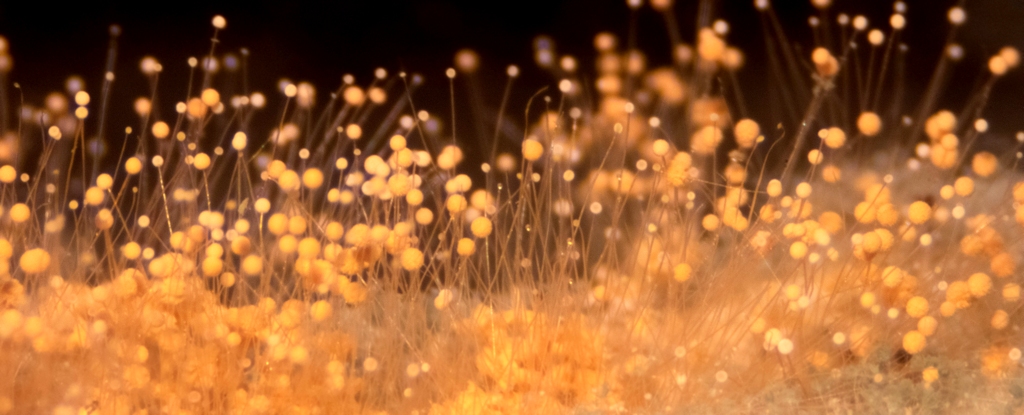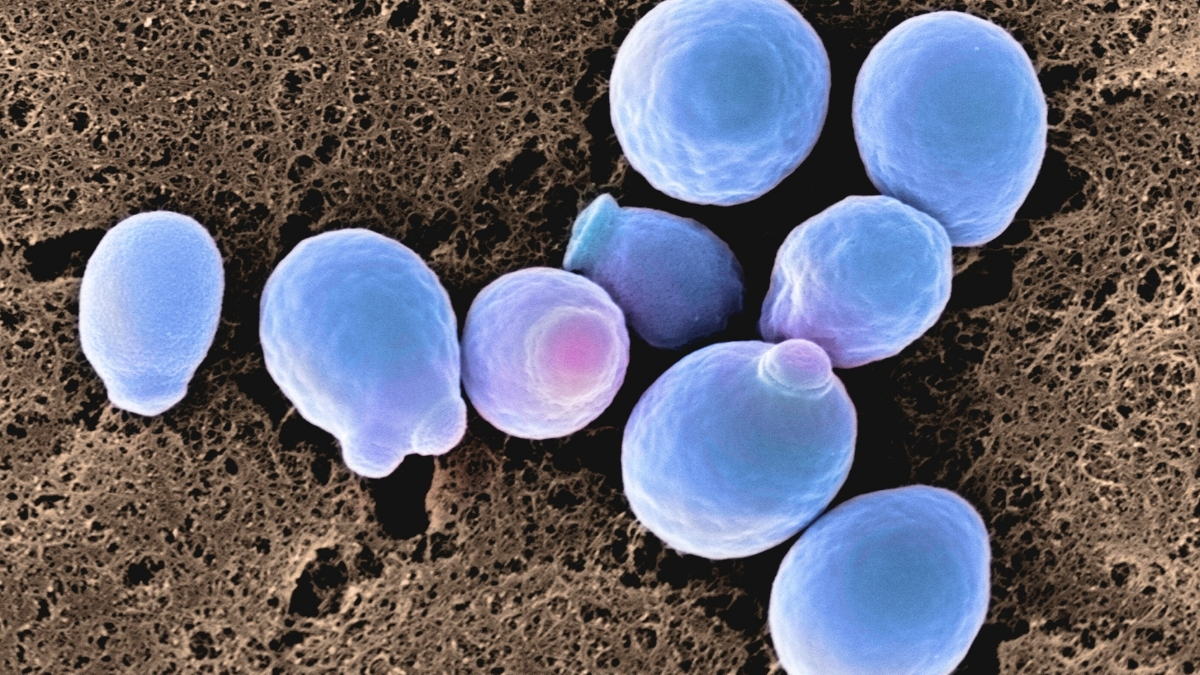
The article warns that common fungal infections like thrush are increasingly resistant to antifungal drugs due to factors like misuse, environmental changes, and Candida's adaptability, making treatment more challenging and highlighting the importance of good hygiene and microbiome health to prevent resistant strains.
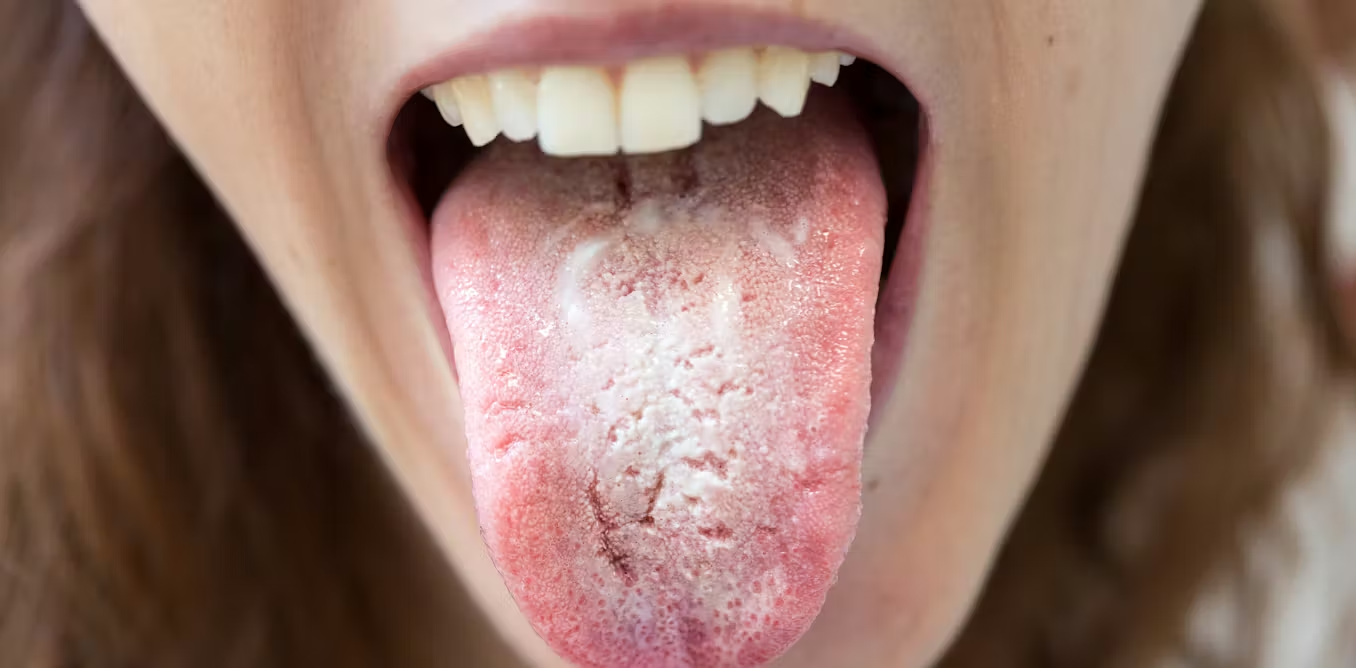
Antifungal resistance in Candida, the fungi causing thrush, is rising, making infections harder to treat and increasing the risk of severe and recurrent cases. This resistance is driven by genetic mutations, biofilm formation, misuse of antifungal drugs, and environmental factors, highlighting the importance of proper medication use and microbiome health to prevent resistant strains.
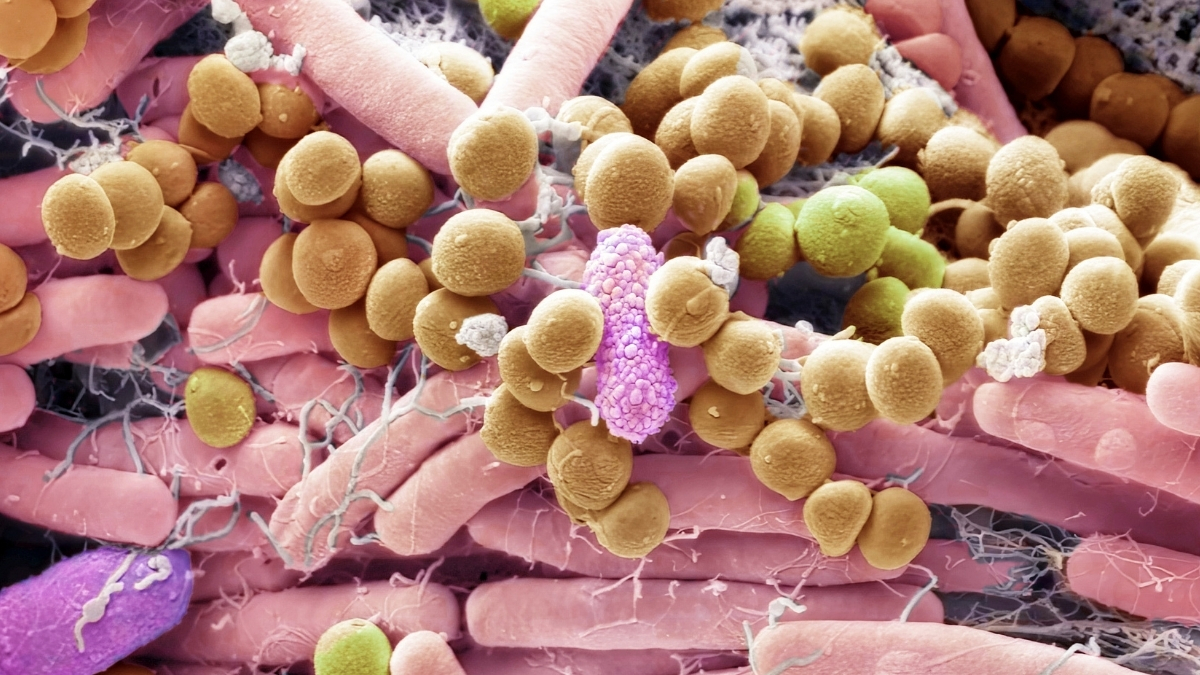
The article discusses the mycobiome, the fungal component of our microbiome, highlighting its presence in the gut, skin, and other body parts, its impact on health, and its potential links to diseases like infections, inflammatory bowel disease, and possibly neurodegenerative disorders, emphasizing the need for further research.
Deaths from fungal infections have nearly doubled worldwide in the past decade, with an estimated 3.8 million deaths annually, comprising about 6.8% of total global deaths. The lack of timely diagnosis, limited access to diagnostic tests, and ineffective antifungal drugs contribute to unnecessary fatalities. Aspergillus and Candida are among the most lethal fungi, causing lung infections and bloodstream infections, respectively. The COVID-19 pandemic has led to a surge in fungal infections, particularly mucormycosis, and there is concern about a potential double epidemic of fungal infections and respiratory viruses. Accurate and timely diagnosis of fungal diseases is crucial, as there are currently no vaccines available.
Researchers at the Leibniz Institute for Natural Product Research and Infection Biology have found that certain bacterial species, including lactic acid bacteria, always appear in greater numbers when the amount of fungi from the Candida genus is also high in stool samples from cancer patients. The researchers developed a computer model that was able to predict the amount of Candida in another group of patients with an accuracy of about 80% based on bacterial species and amounts alone. The findings suggest that lactic acid bacteria, particularly of the genus Lactobacillus, favor Candida proliferation but at the same time make the fungus less virulent.
Various types of fungi can impact humans, including Candida species, Cryptococcosis neoformans, and Aspergillus fumigatus. Candida auris, a type of yeast, has been spreading rapidly through health facilities in the US. As the planet warms up due to climate change, it is feared that known and unknown fungi could emerge as potential threats. Experts stress that more research is needed to understand how these fungi can affect humans and animals.