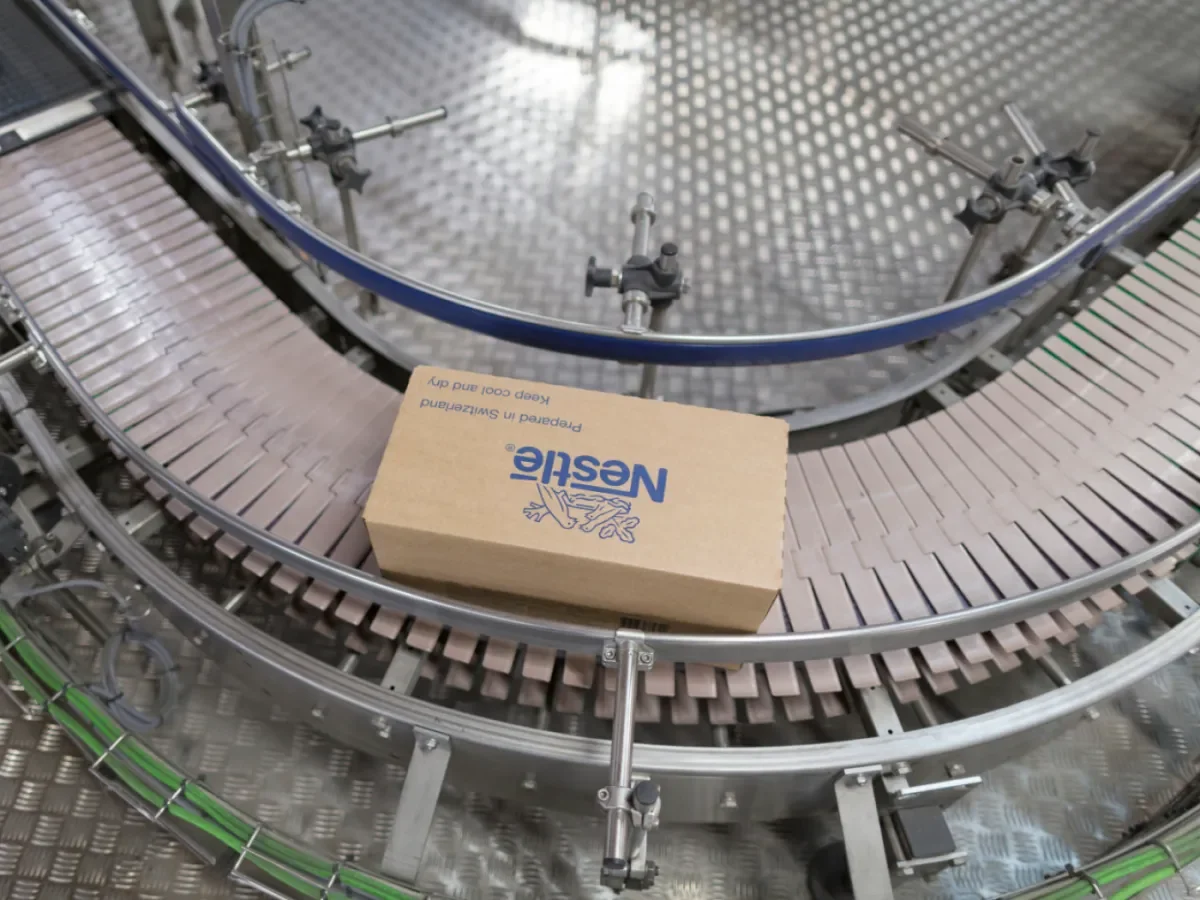
Nestlé is recalling specific batches of SMA infant and follow-on formulas due to the possible presence of cereulide toxin produced by Bacillus cereus, which can cause nausea and vomiting in infants. Consumers are advised not to feed these batches to children, and retailers are instructed to remove affected products from sale.
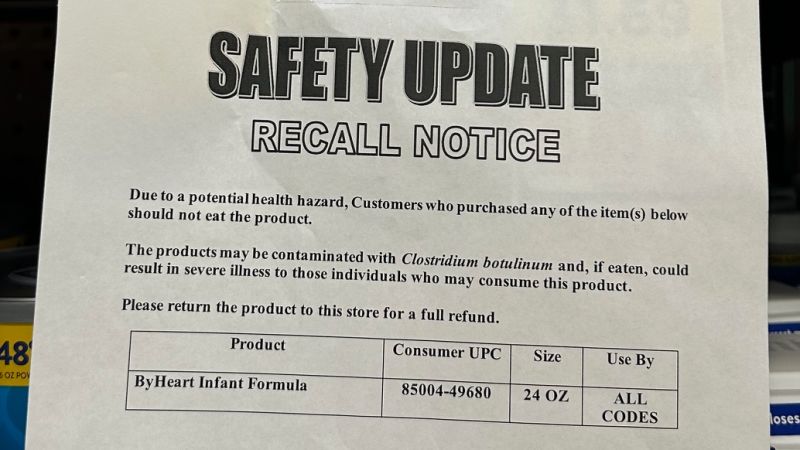
Despite a recall, dangerous products like ByHeart infant formula can remain on store shelves due to lapses in removal protocols, highlighting ongoing challenges in product safety enforcement and the importance of vigilance by retailers, regulators, and consumers.
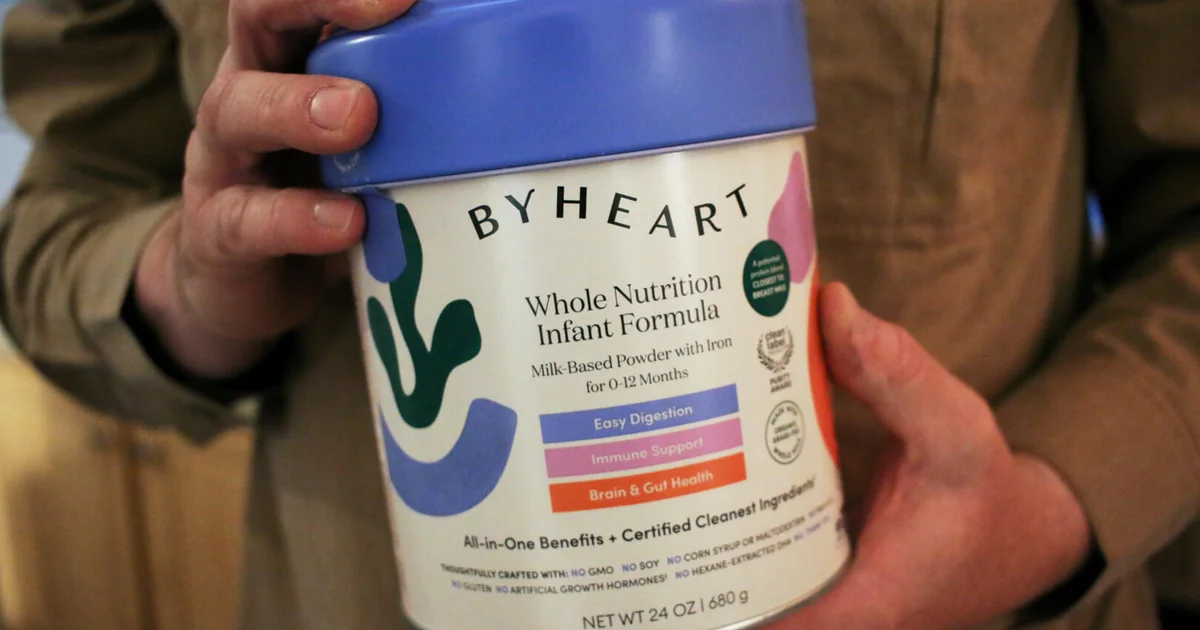
The FDA has warned major retailers Walmart, Target, Kroger, and Albertsons for failing to promptly remove recalled ByHeart infant formula linked to a botulism outbreak, which has sickened over 50 babies across 19 states. Despite a recall issued on Nov. 11, the formula was still sold at various stores for weeks, with some promotional sales continuing after the recall. The companies have been asked to respond within 15 days and are accused of not providing evidence of corrective actions. The outbreak has led to hospitalizations, and the FDA criticizes its slow communication with local health officials.
Health Secretary Robert F. Kennedy Jr. has ordered the FDA to review the ingredients and nutrients in infant formula, the first comprehensive review since 1998, aiming to ensure safety and align regulations with the latest scientific research, amid ongoing concerns about ingredients like added sugars and seed oils.
U.S. Health Secretary Robert F. Kennedy Jr. has ordered a comprehensive review of infant formula ingredients through 'Operation Stork Speed,' aiming to update regulations based on recent science, improve safety, and align U.S. standards with international practices amid ongoing concerns about formula composition and safety.
Dairy Manufacturers Inc. has issued a voluntary recall of Crecelac and Farmalac-branded infant formulas sold in Texas due to non-compliance with FDA regulations. The products were not properly evaluated by the FDA, and consumers are advised to discontinue use and return the products for a full refund. No injuries or adverse reactions have been reported.
Two cases of invasive infections caused by cronobacter sakazakii, a dangerous bacteria found in infant formula, have been reported in 2023, resulting in the death of a Kentucky child and brain damage in a Missouri infant. The infants consumed powdered infant formula made by Abbott Nutrition, the company involved in the 2022 crisis. Federal health officials have stated that there is no evidence linking the infections to manufacturing and no need for new recalls. The bacteria can be naturally found in the environment and may enter infant formula after the packaging is opened. The cases highlight the need for better education on the risks of powdered formula, especially for premature babies.
The American Academy of Pediatrics (AAP) has published a report stating that "toddler milk" has no nutritional benefits for children between 6 months and 36 months of age. The report finds that toddler milk is not necessary for this age group and can be misleading to parents. Despite growing concerns from pediatricians, the toddler formula industry is booming, with sales increasing from $39 million in 2006 to $92 million in 2015. Toddler milk products are not regulated by the FDA and often contain high sugar content. The AAP recommends infants under 12 months continue to drink infant formula or breast milk, while toddlers should have a well-balanced diet of fruits, vegetables, and cow's milk for vitamin D and calcium.
A study by Swansea University scientists has found that many infant formula preparation devices do not produce water hot enough to kill harmful bacteria, such as Salmonella and Cronobacter. The study revealed that only 11 out of 74 infant formula preparation machines reached the recommended temperature of at least 70 degrees C (158 degrees F), compared to 54 out of 69 kettle users. The research also highlighted low awareness among parents of the risks of bacterial contamination and the importance of following proper preparation guidelines. The study suggests that infant formula labeling should include information about the need for water above 70 degrees C and the importance of handwashing.
This week in neuroscience, groundbreaking discoveries include a diet that can extend lifespan without calorie restriction, a drug that can revolutionize obesity treatment, cognitive benefits of bilingualism, insights into schizophrenia from a new mouse model, and a special baby formula that boosts children's IQ and executive functions significantly.
A study conducted by researchers at the University of Kansas has found that adding milk fat globule membrane (MFGM) and lactoferrin to infant formula can lead to long-term cognitive benefits in children. The study showed that children who were fed formula enriched with MFGM and lactoferrin for a year had a 5-point increase in IQ at age 5 ½. The enriched formula also improved children's executive function and visual-spatial skills. This discovery offers a promising alternative for families who face challenges in breastfeeding.
The FDA has issued warning letters to three infant formula manufacturers, ByHeart, Mead Johnson Nutrition, and Perrigo Wisconsin, for violating federal safety regulations. The letters were sent after FDA inspections revealed concerns about the presence of Cronobacter sakazakii, a bacterium that can be found in dry foods. The companies have been instructed to implement extensive cleaning and sanitation measures, conduct investigations into the contaminations, and reevaluate their sanitation policies. The FDA aims to prevent a repeat of last year's infant formula shortage and ensure the safety and nutrition of the formula consumed by children.
The US Food and Drug Administration (FDA) has issued warning letters to three infant formula makers, ByHeart Inc, Mead Johnson Nutrition (a unit of Reckitt Benckiser Group), and Perrigo's Wisconsin unit, for failing to establish adequate manufacturing processes to prevent bacterial contamination. The FDA does not anticipate any impact on the supply of infant formula. The warning letters were issued following recalls by the companies between December and March, which aimed to remove potentially contaminated products from the market. The FDA believes that the recalls were effective in addressing the issue. Infant formula manufacturing has faced increased scrutiny since last year's shortage caused by bacterial infections and recalls at Abbott Laboratories' facility in Michigan.
The FDA has issued warning letters to three infant formula manufacturers, ByHeart Inc., Mead Johnson Nutrition (Reckitt), and Perrigo Wisconsin, LLC, for violations of regulations and the Federal Food, Drug, and Cosmetic Act. The warning letters come after FDA inspections and recalls initiated by the companies to remove potentially contaminated products from the market. The FDA emphasizes that there is no need for parents and caregivers to discard or avoid purchasing any particular infant formula at this time. The agency is focused on enhancing regulatory oversight and ensuring the safety of infant formula manufacturing practices. The FDA will assess the companies' corrective actions and continue to strengthen the safety and resiliency of the infant formula supply in the U.S.
Micronutrients found in human breast milk, particularly a sugar molecule called myo-inositol, have been shown to have significant positive effects on the brain development of newborns. Researchers at Tufts University's Jean Mayer USDA Human Nutrition Research Centre on Ageing (HNRCA) found that myo-inositol, which is most prevalent in breast milk during the early months of lactation, increases the size and number of synaptic connections between neurons in the developing brain. This discovery could potentially advance the development of infant formulas for cases where breastfeeding is not possible. The study also opens up avenues for further research on the role of myo-inositol in brain health as individuals age.