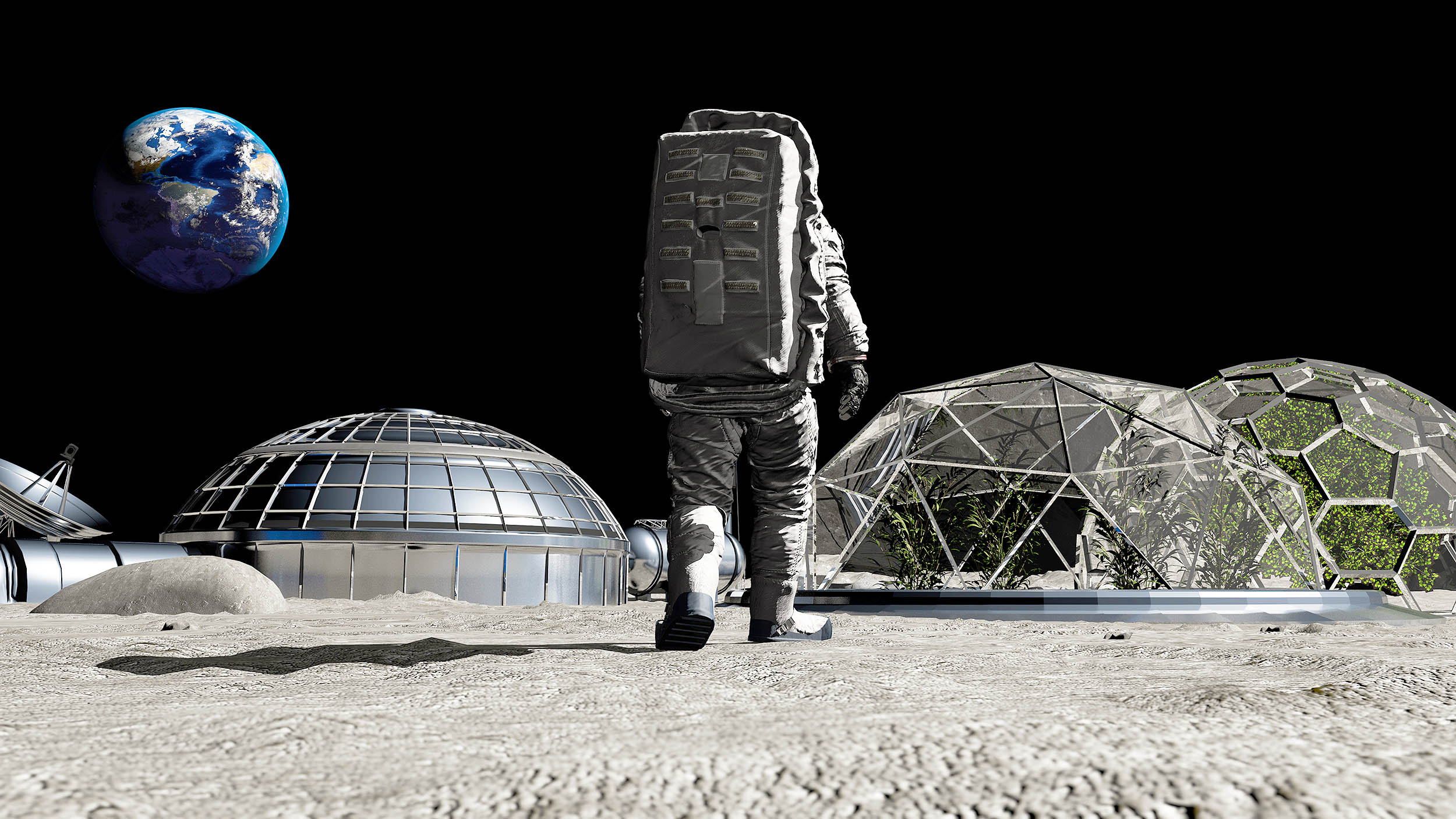
A new device uses sunlight to extract water and produce oxygen from lunar soil, potentially reducing the need to transport supplies from Earth for lunar bases, and leveraging minerals like ilmenite to maximize resource utilization on the Moon.
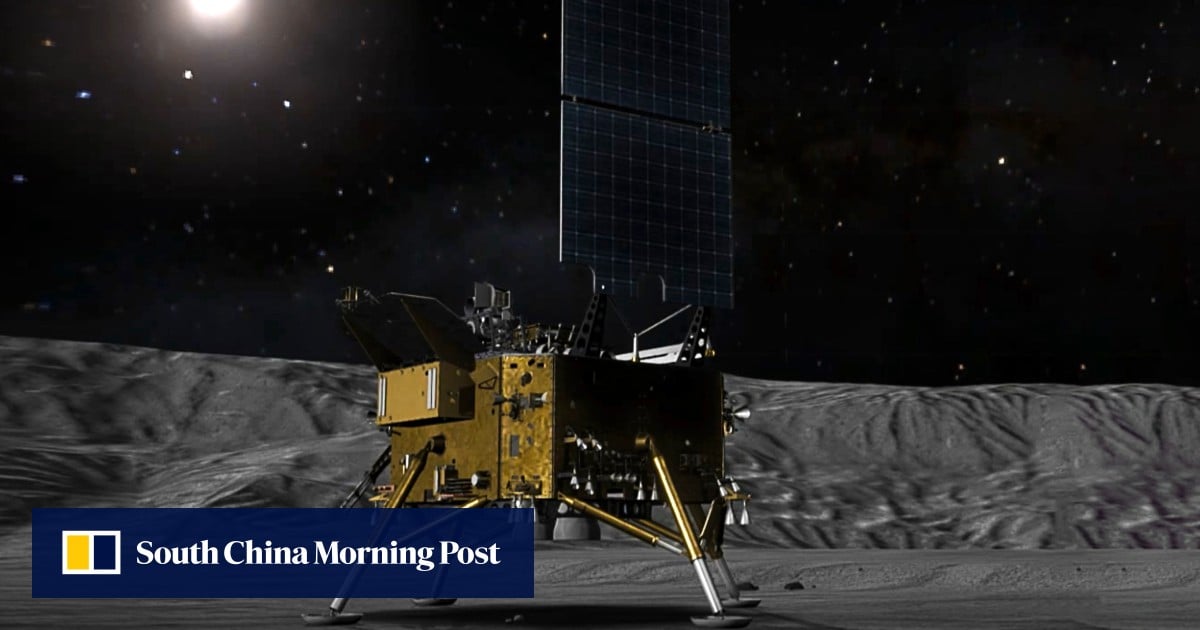
China's National Space Administration is seeking domestic developers to create instruments for the Chang'e 8 mission, including a device to make bricks out of moon soil and a robot to assemble them. The mission, scheduled for 2028, aims to lay the groundwork for the International Lunar Research Station at the moon's south pole. The instruments will study local geology, test resource utilization technologies, and conduct Earth observations. China is also calling for development submissions on nine scientific instruments, including an in situ device to melt lunar soil and a robot to assemble parts on the lunar surface. The mission will also test life-supporting technologies for a long-term human presence on the moon and reserve payload for partner countries.
NASA's Mars Reconnaissance Orbiter (MRO) captured an image of a collapsed lava chamber in the Hephaestus Fossae region on Mars. Lava tubes and chambers, similar to those found on the Moon, could potentially serve as shelters and bases for future human exploration. These underground structures provide protection from radiation, temperature swings, and meteorites. While current Mars missions focus on the search for evidence of past life, exploring lava tubes could be crucial for establishing stable habitats on the planet.
China is considering building lunar bases in the caves, known as lava tubes, found on the Moon's surface. These caves, formed by ancient volcanic activity, offer a natural shield against extreme temperatures and radiation. China plans to explore these lava tubes using robotic systems and eventually establish a crewed lunar research base with support facilities at the entrance of the tube.