Tag

Comparative Analysis

All articles tagged with #comparative analysis

Comparing the Long-Term Risks: COVID-19 vs. Flu

Originally Published 2 years ago — by Fortune

Featured image for Comparing the Long-Term Risks: COVID-19 vs. Flu
Source: Fortune

A comparative analysis study published in The Lancet has found that COVID-19 patients experience significantly higher rates of death, healthcare utilization, and adverse health outcomes in most organ systems compared to patients with seasonal flu. The study, which followed patients for 18 months, revealed that COVID-19 poses a much higher risk, both in the short run and long term, than the flu. However, the flu should still be taken seriously, as long flu poses more danger than its acute phase. With COVID-related hospitalizations on the rise and high levels of respiratory illness reported in 15 states, it is crucial for people to get vaccinated for both COVID-19 and the flu and take precautions to lower their risk.
Unveiling the Link Between Human Altriciality and Postnatal Brain Growth

Originally Published 2 years ago — by Nature.com

Featured image for Unveiling the Link Between Human Altriciality and Postnatal Brain Growth
Source: Nature.com

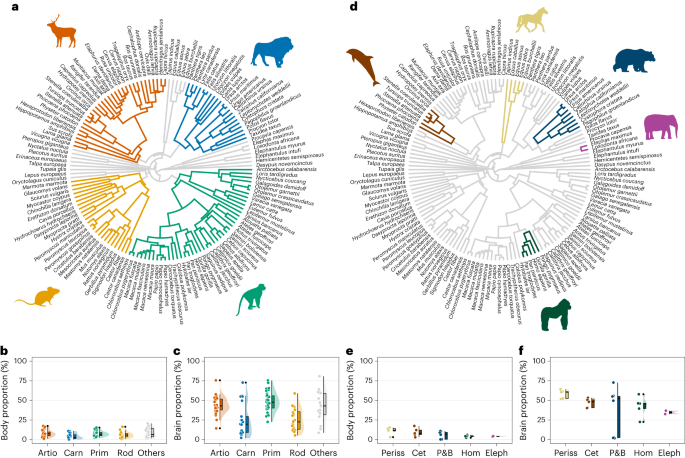
A study explores the evolution of human altriciality (helplessness at birth) and brain development in comparison to other primates and mammals. Human newborns are considered altricial due to their underdeveloped state at birth, which is associated with increased brain plasticity and learning capacities. The study finds that humans have a higher rate of brain size altriciality compared to other mammals, particularly within the primate order. Humans also show a unique scaling relationship between neonatal and adult brain size. The findings suggest that human altriciality and brain development have evolved in a distinct manner, potentially contributing to enhanced cognitive abilities and cultural transmission.

Global Survey Reveals Favorable Shift Towards US, Decline in China's Perception

Originally Published 2 years ago — by Pew Research Center

Featured image for Global Survey Reveals Favorable Shift Towards US, Decline in China's Perception
Source: Pew Research Center

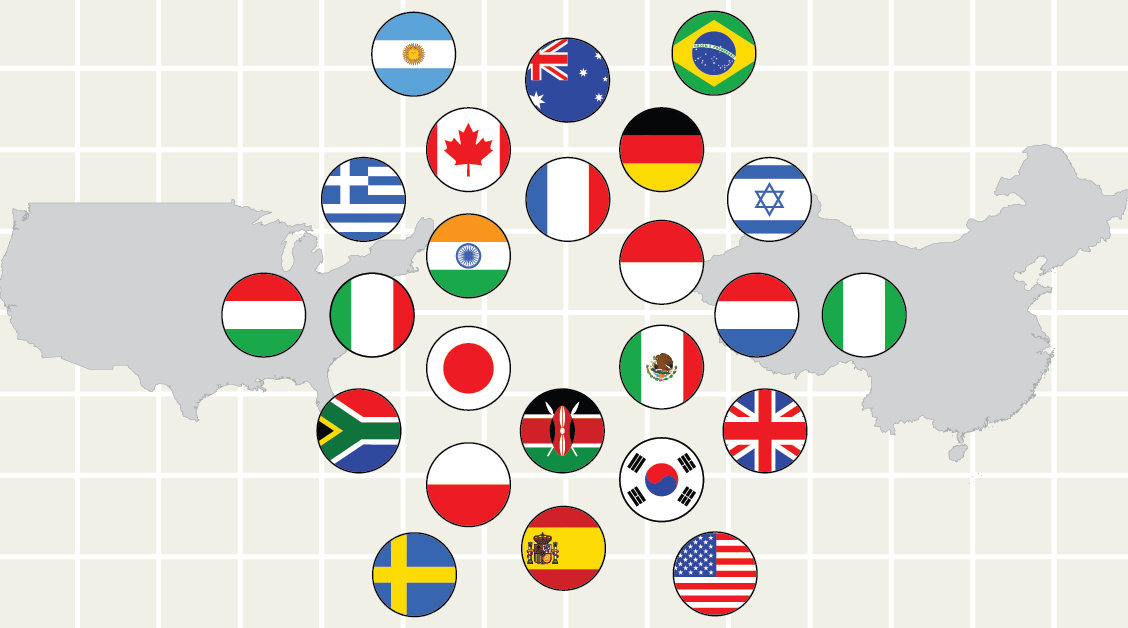
Views of the United States and China vary significantly across 24 countries surveyed. While the U.S. is generally viewed more positively, especially in high-income countries, both countries are seen positively in some aspects and negatively in others. The U.S. is often perceived as more likely to interfere in the affairs of other countries, while China is seen as less interventionist. The U.S. is also considered the leading economic power and receives higher marks for contributing to global peace and stability. However, China's technology and entertainment industries receive positive ratings in some countries. Evaluations of universities, standards of living, respect for personal freedoms, and confidence in leaders also differ between the two countries.

"Extreme Parasitic Plant Balanophora: Insights into Convergent Evolution and Manipulative Host Interactions"

Originally Published 2 years ago — by Nature.com

Featured image for "Extreme Parasitic Plant Balanophora: Insights into Convergent Evolution and Manipulative Host Interactions"
Source: Nature.com

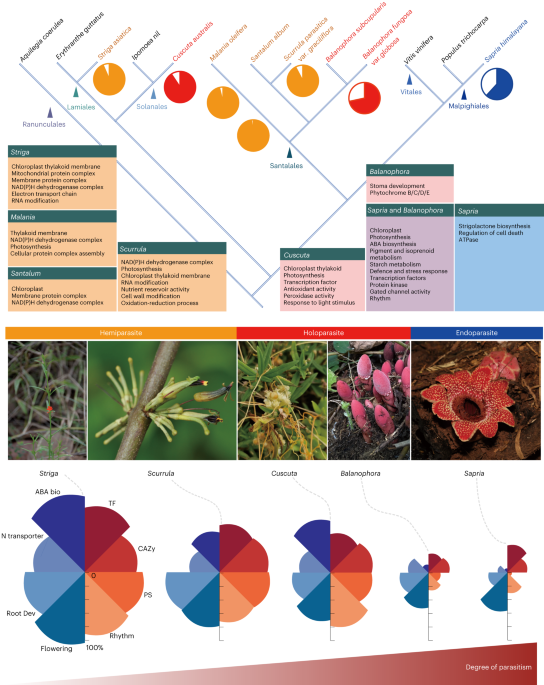
Researchers have sequenced and analyzed the genomes of Balanophora plants, which are extreme holoparasites that lack chlorophyll and obtain nutrients from host plants. The study reveals that Balanophora genomes have undergone convergent evolution with other parasitic plants, showing similar gene losses and adaptations. The findings provide new insights into the genetic mechanisms underlying parasite-host interactions and shed light on the evolution of plant parasitism.

Unraveling the Molecular Complexity and Information Structures of the Human Brain

Originally Published 2 years ago — by Nature.com

Featured image for Unraveling the Molecular Complexity and Information Structures of the Human Brain
Source: Nature.com

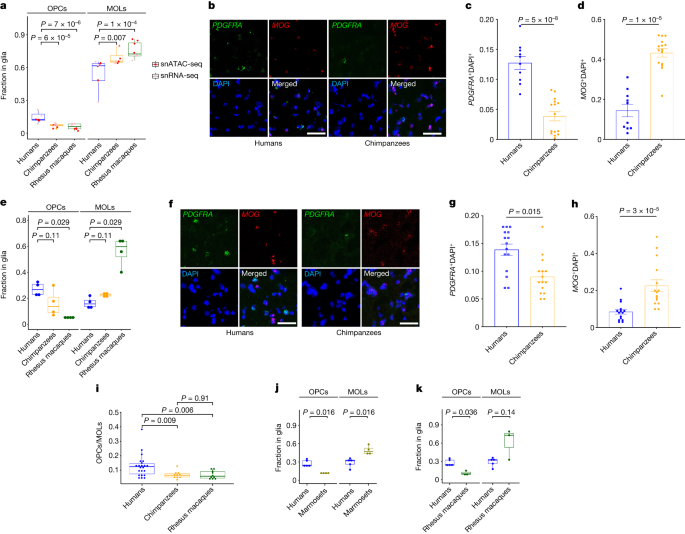
A comprehensive review of scientific studies on human brain evolution highlights the molecular features and cellular complexity that distinguish the human brain from other primates. The research, which includes comparative analysis of gene expression, epigenetic regulation, and cellular composition, reveals unique transcriptional networks, synaptic development, myelination patterns, and cell type diversity in the human brain. These findings shed light on the genetic and molecular mechanisms underlying the evolution of human cognitive abilities and provide insights into neurological disorders.