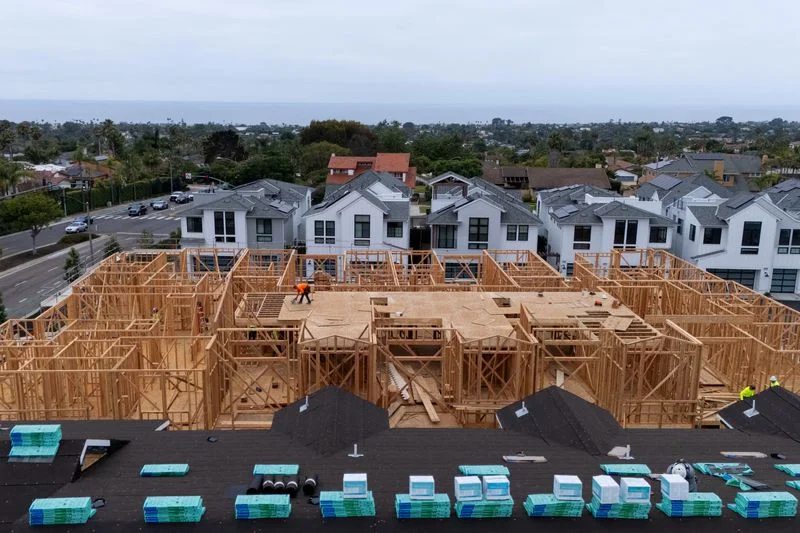
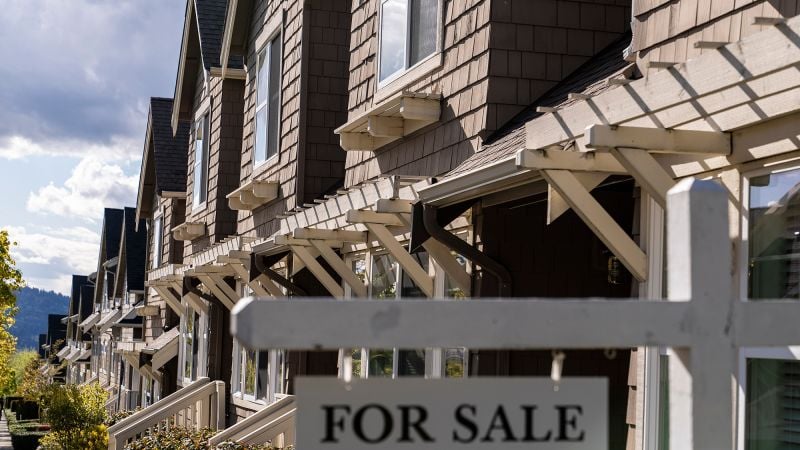
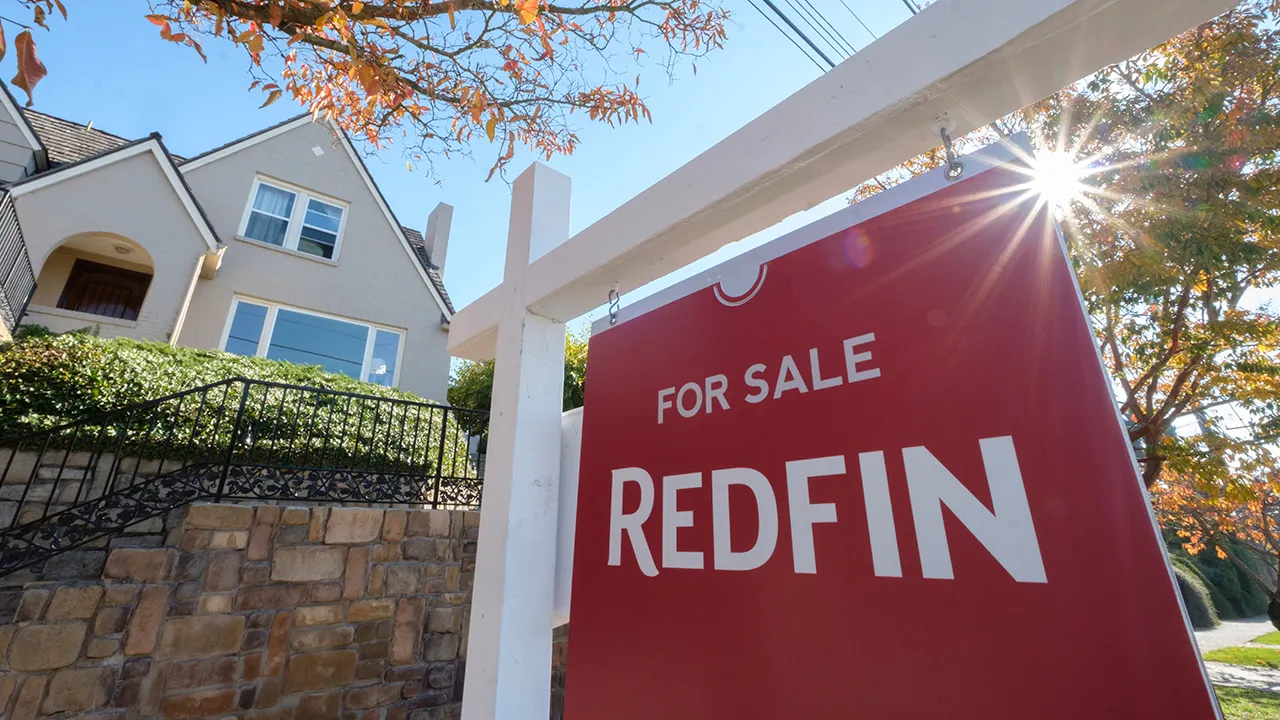
Joel and Kathryn Friedman, a retired couple in California, are hesitant to sell their large home due to potential $700,000 in capital gains taxes, which has delayed their downsizing plans. The current tax threshold has not changed since 1997, leading to more homeowners being taxed as home prices rise. Proposed bipartisan reforms aim to increase the tax exemption, potentially encouraging more home sales and easing housing shortages, especially in expensive markets like California.
Mortgage demand in the US remained largely unchanged last week as financial markets adjusted to the implications of a Trump presidency, with mortgage rates rising to their highest since July. The Mortgage Bankers Association reported a slight 0.5% increase in total application volume, marking the first rise in seven weeks. While refinance applications fell 2%, purchase applications rose 2%, driven by loans backed by the FHA and VA. The market is experiencing volatility due to election-related factors and expectations for future fiscal policy changes.
Mortgage rates have increased for the sixth consecutive week, with the average 30-year fixed mortgage rate rising to 6.79%, impacting purchase demand in the housing market. This trend has led to a 10% decline in purchase applications over the past month, as many potential buyers and sellers await lower rates. Currently, about 80% of mortgage holders have rates below 5%, according to a Zillow survey.
Following Donald Trump's presidential victory, U.S. mortgage rates have surged, with the 30-year fixed mortgage rate reaching 7.13%, the highest since July. This rise is linked to an increase in the U.S. 10-year Treasury yield, which mortgage rates tend to follow. Consequently, housing stocks, including major builders like Lennar and D.R. Horton, have fallen sharply. The National Association of Home Builders expressed optimism about working with the new administration to address housing supply and affordability issues. Despite rising rates, existing home sales have increased due to higher inventory levels.
Mortgage rates have risen above 7% for the first time in 2024, signaling a significant increase in borrowing costs for homebuyers. This development may impact the housing market and overall economy as higher interest rates could deter potential buyers and slow down the real estate sector.
Mortgage rates in the US have surged past 7%, reaching the highest level since November, as the 30-year fixed-rate mortgage averaged 7.10% in the week ending April 18. This surge is attributed to expectations that the Federal Reserve won't cut interest rates soon, with persistently high inflation readings keeping the Fed on hold. As a result, potential homebuyers are facing a tough housing market, with US home sales declining sharply in March. The housing affordability crisis is exacerbated by not only high mortgage rates but also elevated home prices nationwide, making it a challenging decision for prospective buyers.
Mortgage rates in the US have risen to 6.88%, up from 6.82% the previous week, and could potentially surpass 7% due to sustained inflation and the Federal Reserve's monetary policy. The increase in rates is a sign that the country's affordability crisis persists, with supply not keeping up with demand in the housing market. Despite recent improvements and potential future rate cuts by the Fed, the main issue remains the lack of housing supply, making home purchases unattainable for many Americans.
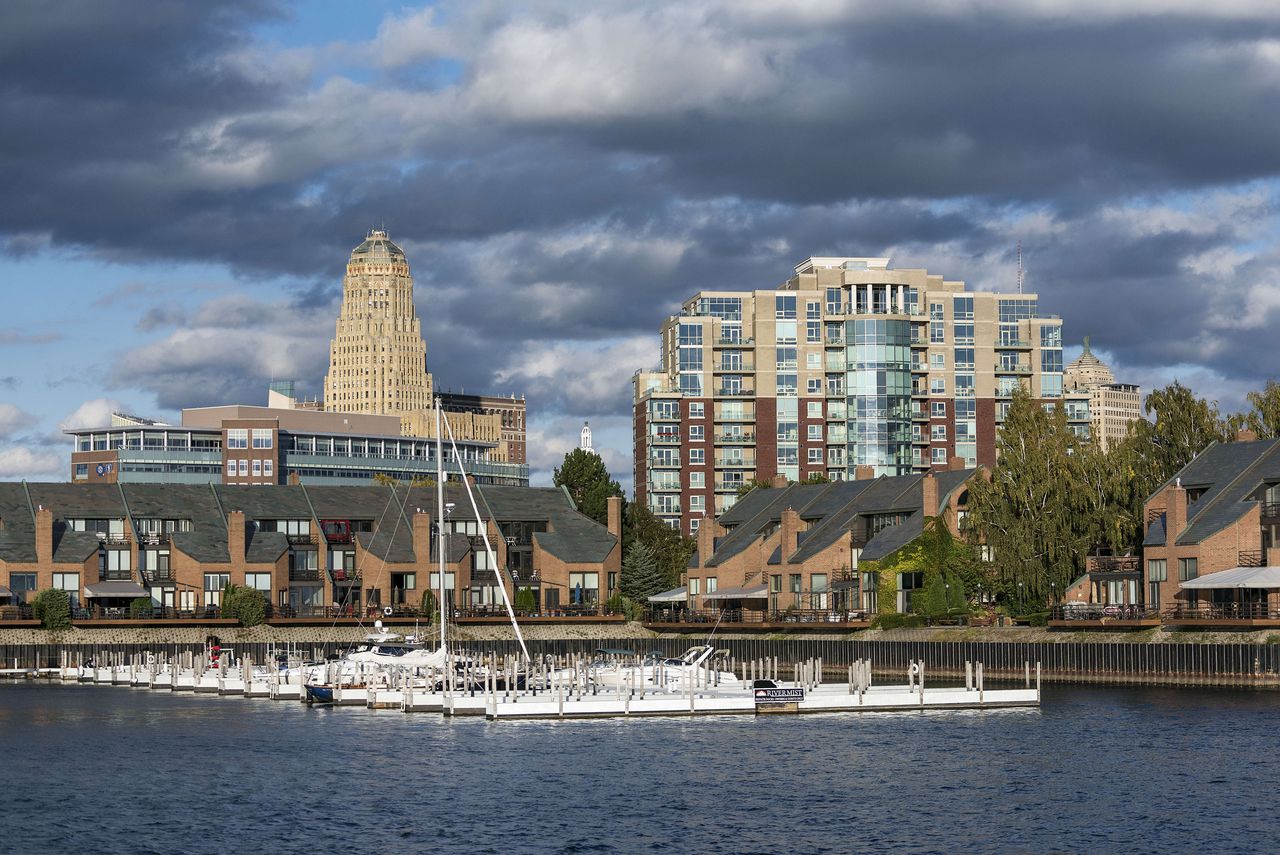
Zillow has named Buffalo, New York, as the hottest housing market in the United States for 2024. Factors contributing to this prediction include a high demand for new houses, a low number of homes for sale, an increase in new jobs, steady home values, and a surge in newly-approved home construction projects. Buffalo's economic fundamentals and the pace of the housing inventory are key reasons for its top ranking, outpacing other cities in Ohio, Indiana, and Rhode Island. This announcement comes shortly after Buffalo was recognized as the best city in America by Clever Real Estate and the nicest city by Reader's Digest.
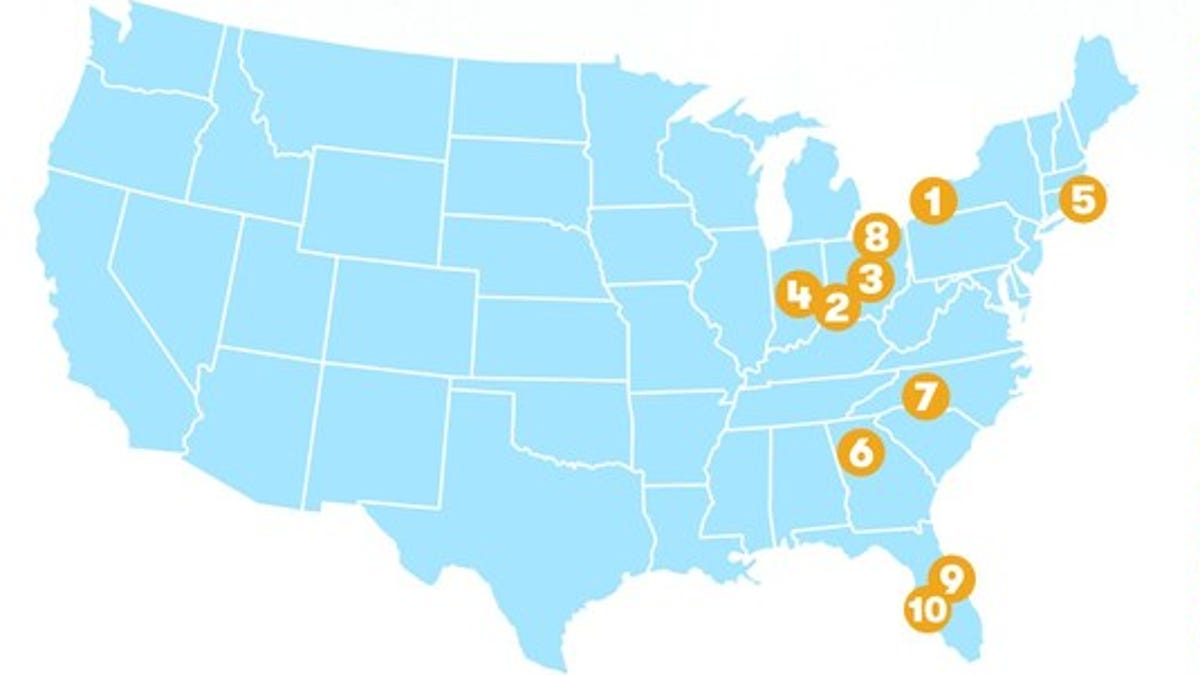
Zillow's analysis predicts Buffalo, New York to be the hottest housing market in 2024, with a focus on affordability driving real estate in the Great Lakes, Midwest, and South regions. The ranking considers home value growth, job growth per new home permitted, and growth in owner-occupied households. Despite a shortage of homes for sale, there's optimism for market stability with signs of improvement such as falling mortgage rates and a slight increase in home sales. The top 10 cities include Buffalo, Cincinnati, Columbus, Indianapolis, Providence, Atlanta, Charlotte, Cleveland, Orlando, and Tampa, with Charlotte dropping from the top spot in the previous year to number seven.

Zillow predicts that Cincinnati, Columbus, and Cleveland in Ohio will be among the top 10 most competitive real estate markets in the nation for 2024, with Cincinnati ranking second. Despite challenges such as low inventory and high mortgage rates, these markets are expected to be strong due to factors like home value appreciation and job growth. However, the housing market is anticipated to remain tight for buyers. Central Ohio has seen significant price increases, but the region remains more affordable than the national average. Zillow's forecast contrasts with Realtor.com's, which did not include the three Ohio cities but listed Toledo as the hottest market for 2024.
Sir Howard Davies, the chair of NatWest, sparked controversy by suggesting on the BBC's Today programme that it is not "that difficult" for people to buy homes in the current market, despite the need to save more for a deposit than in the past. His comments were met with criticism for being out of touch, especially in light of the widening gap between house prices and average earnings, the rising cost of living, and increased average age of first-time buyers. Sir Howard later clarified his remarks, emphasizing the importance of responsible lending and acknowledging the challenges faced by first-time buyers. Meanwhile, the average UK property price stands at £287,105, with mortgage rates showing signs of easing, which could potentially boost buyer confidence in the future.
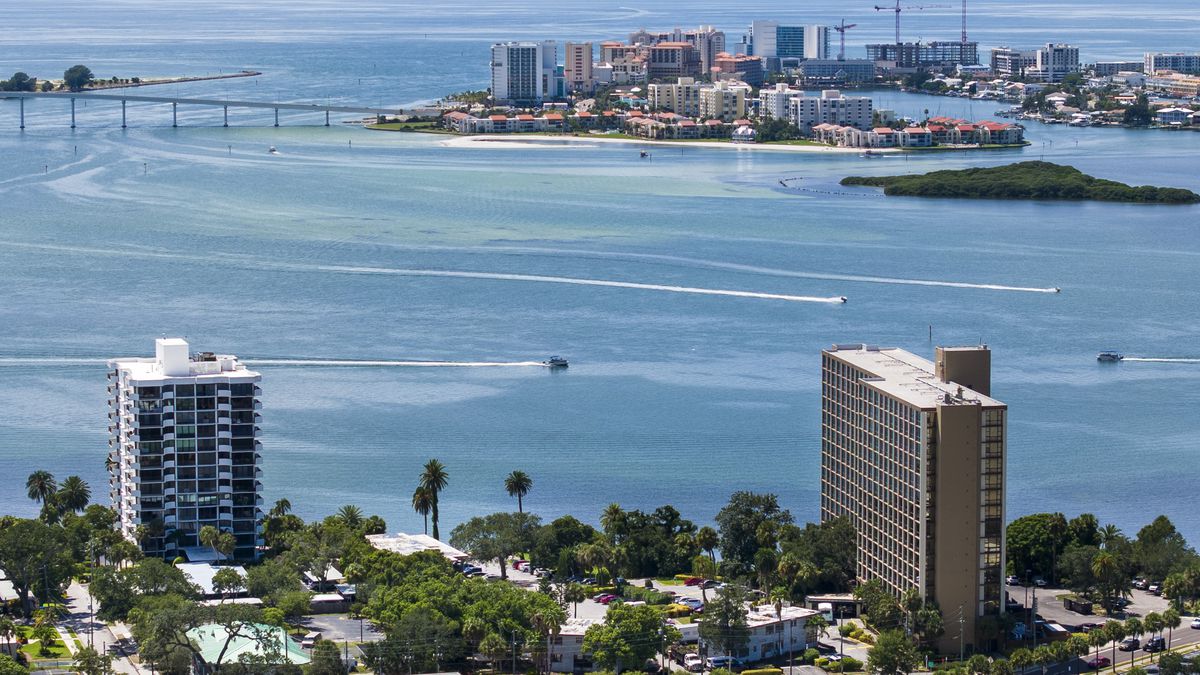
Tampa Bay has been ranked as the 10th hottest housing market for 2024 by Zillow, after not making the list in the previous year. Affordability has become a key factor in this year's rankings, with cheaper Midwest cities like Buffalo, Cincinnati, and Columbus leading the list. The shift in hot markets from southern to upper Midwest and Great Lakes regions reflects a change in home value appreciation, market duration, and job growth. Zillow's data shows a cautiously optimistic outlook for the housing market stabilization in 2024, with a forecast that only 15 of the 50 largest markets will see home value increases.
In December, the median sale price for homes in the U.S. experienced its largest increase in over a year, rising 4.4% to $363,371. Newark, New Jersey, and Anaheim, California, led the surge with 18.2% and 18.1% year-over-year increases, respectively. Despite these rises, some metros like Fort Worth and Austin, Texas, saw declines in median sales prices. Concurrently, the median mortgage payment dropped to its lowest in nearly a year, potentially attracting more buyers back into the market.
Freddie Mac reports that while mortgage rates have held steady at the start of 2024, with the 30-year fixed-rate mortgage averaging 6.62%, they are expected to decline as the year progresses due to anticipated Federal Reserve rate cuts and easing inflation. The Fed's potential rate reductions could see the federal funds rate drop to 4.6%, influencing mortgage rates to settle between 5% and 6%. Despite the stable rates, homebuyers are facing challenges with low inventory and high home prices, and many are waiting for rates to drop further before entering the market. Homebuyers are advised to shop around for the best rates, and tools like online marketplaces can assist in comparing rates and getting preapproved with multiple lenders.
Zillow's report predicts Buffalo, New York, to be the hottest housing market in 2024, despite its snowy reputation. Factors contributing to this forecast include Buffalo's relatively low home prices, with a typical home valued at $248,445, strong job prospects, and a high number of jobs per new housing unit. The city's economic growth is further supported by federal funding to develop a semiconductor manufacturing hub and revitalization efforts like the "Buffalo Billion" initiative. Other notable cities on Zillow's list include Cincinnati, Columbus, and Indianapolis, chosen for their affordability and strong employment, which provide opportunities for young buyers.