
business-and-economy3.47 min read
"Eclipse Tourism Generates $1.6 Billion Revenue Amid Sold-Out Motels and Skydives"
1 year ago•Source: Business Insider

The latest business and economy stories, summarized by AI
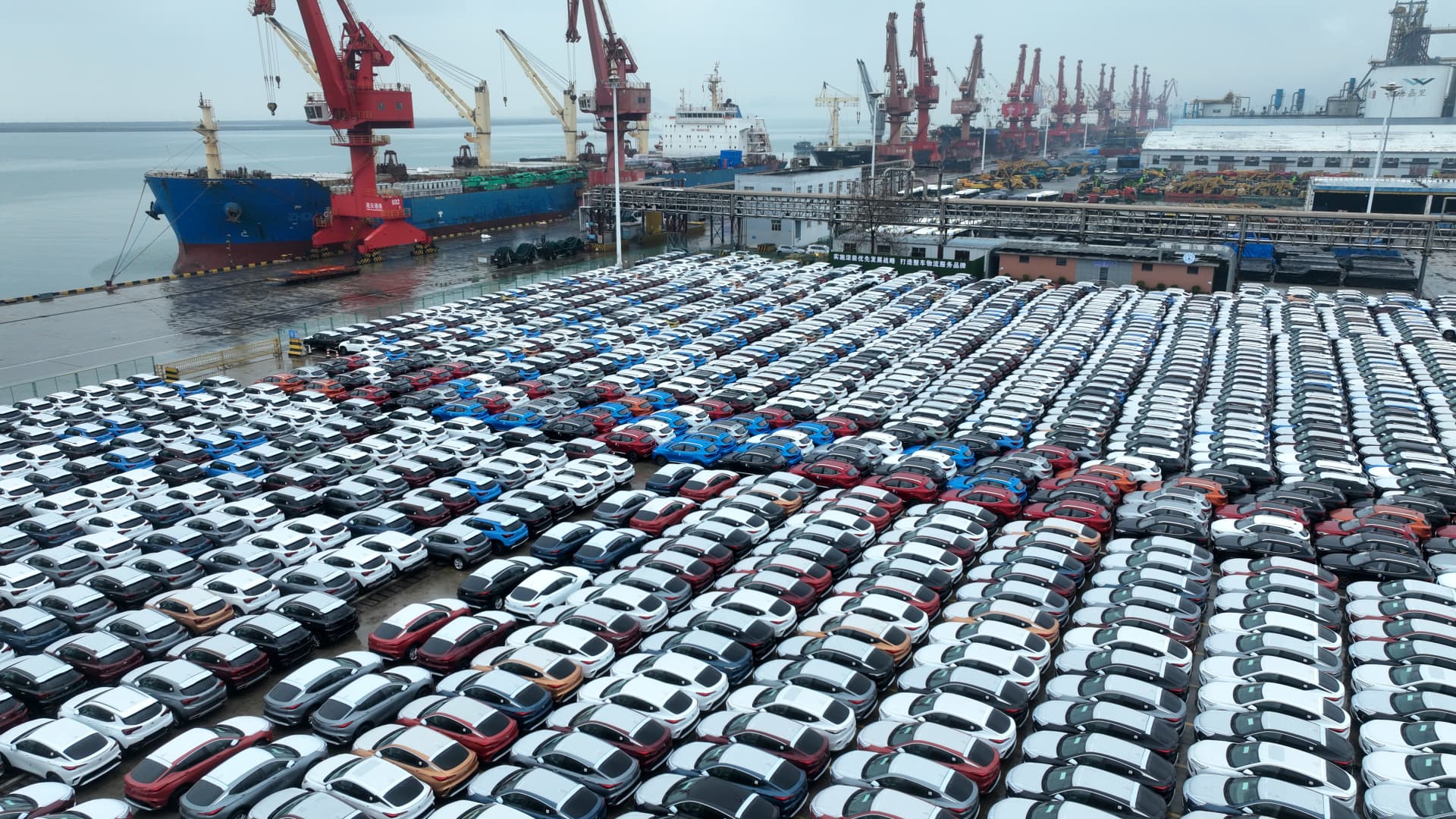
China narrowly missed surpassing Japan as the world's top car exporter in 2023, with over 70% of its exports being gasoline-powered vehicles, many of which went to Russia and Mexico. The country's new energy vehicle penetration reached 40% of new passenger car sales, significantly higher than in the U.S., and Chinese electric car company BYD outperformed Tesla in overall vehicle production. Chinese car makers are expected to increase their share of the domestic auto market to 75% by 2030, potentially leading to trade disputes, particularly in the case of Chinese car sales to Mexico.
Reuters•2 years ago
NBC News•2 years ago
Saudi Arabia has announced a reduction in crude oil prices for buyers in Asia and other regions for February, responding to a market characterized by weak demand and a potential surplus fueled by strong global supply. This decision comes as oil consumption typically dips during this time of the year due to refinery maintenance, and follows the OPEC+ group's strategy to maintain output cuts to manage market stability.
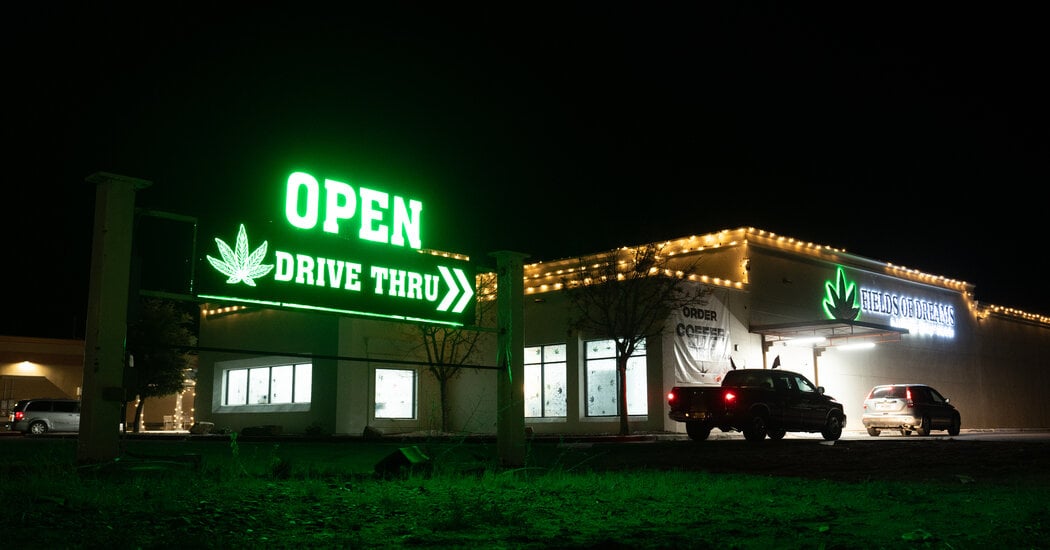
Sunland Park, New Mexico, has become a hotspot for Texans seeking legal recreational marijuana, with 16 dispensaries already in operation and more on the way. This boom has been fueled by the stark contrast in cannabis laws between Texas, where it remains illegal, and New Mexico, which legalized it in 2022. The influx of Texans into Sunland Park has significantly increased the city's tax revenue and transformed the local economy, earning it nicknames like "Little Amsterdam" and the "Dubai of marijuana." However, this economic surge is also changing the community's landscape and raising concerns about the long-term implications, especially as more states move toward legalization.
Cathay Pacific has announced a reduction in its flight schedule by an average of 12 flights per day until the end of February. This decision aims to minimize disruptions during the busy lunar new year travel period. CEO Ronald Lam stated that measures have been taken to ensure normal operations during this peak time.
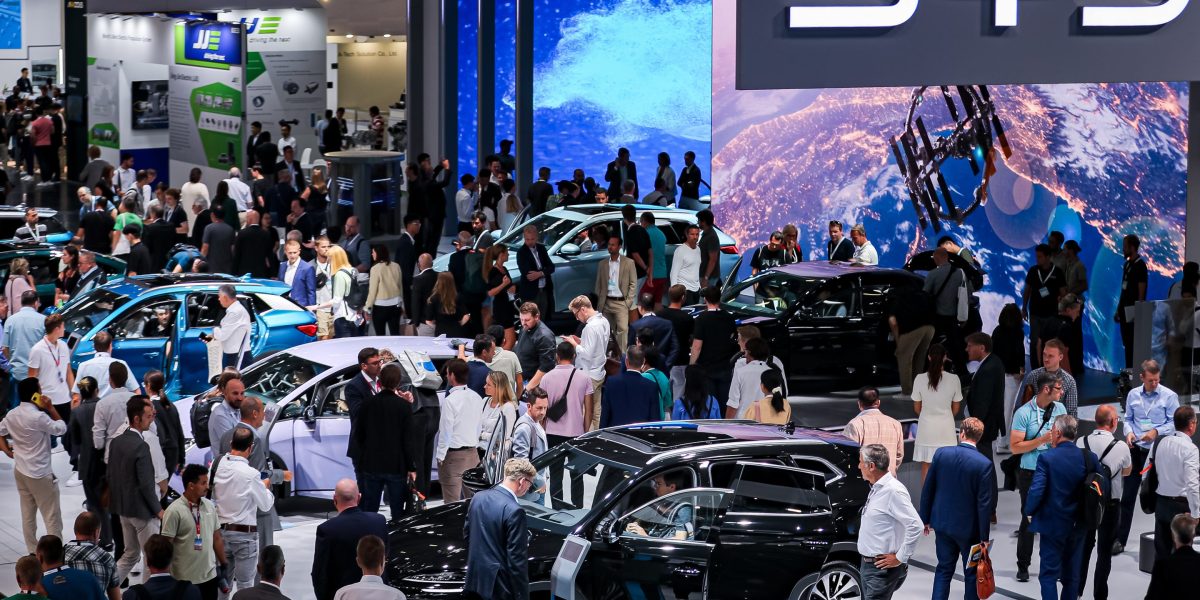
Chinese electric vehicle maker BYD, backed by Warren Buffett's Berkshire Hathaway, has surpassed Tesla in global EV sales, largely due to its competitive pricing strategy. BYD's ability to maintain low costs is attributed to its control over the entire supply chain for its EV batteries. With a significant price advantage, BYD's vehicles, such as the $11,000 Seagull in China and the $33,000 Dolphin in Britain, are poised to disrupt global markets. The company is considering a manufacturing plant in Mexico to potentially circumvent U.S. tariffs and gain access to the American market, where the average new car price is around $48,000. BYD's success is also credited to CEO Wang Chuanfu's cost-cutting and production efficiency, earning high praise from industry observers.

Brian Will, CEO of Will Restaurants Investment Group, explained on "Varney & Co." the reasons behind the nearly $16 price tag for a BLT sandwich at his restaurant. Rising operational costs, including rent, utilities, labor, and inflation, have significantly increased the expenses of running his business. Despite the wholesale cost of the sandwich being $5, the need to cover these growing costs has pushed the retail price up from $12.99 to $15.99 over three years. Will highlighted the financial pressures of the restaurant industry, such as fixed yearly increases in rent, a 30% increase in labor costs, and a 40% increase in insurance, all contributing to the challenging economic environment for restaurateurs.
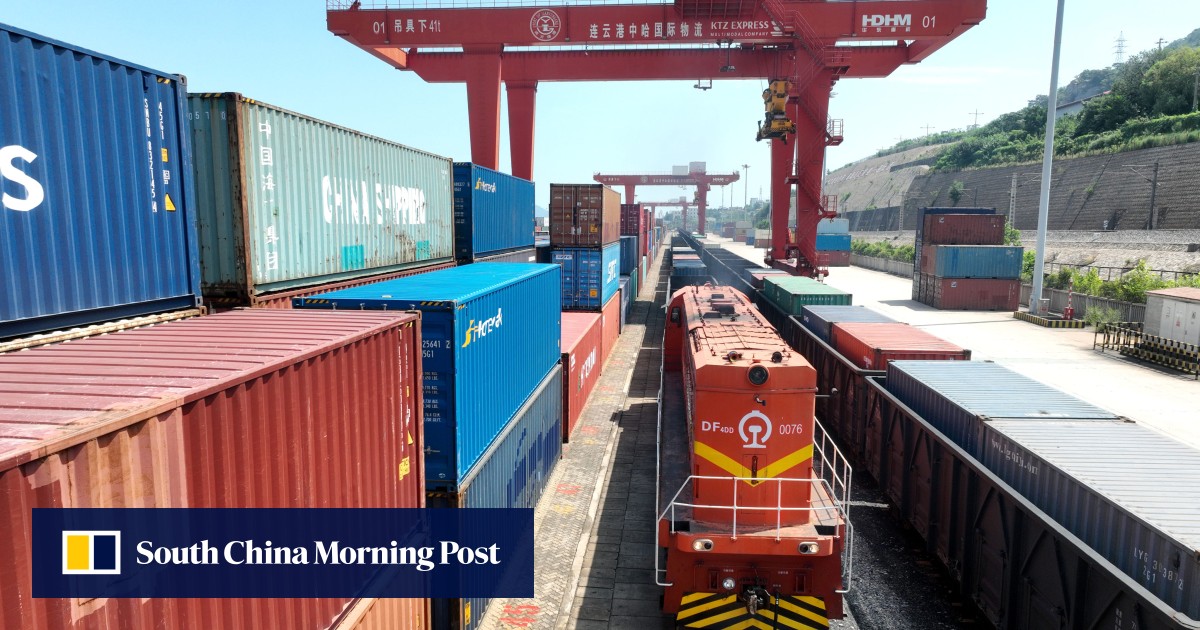
Due to Houthi rebel attacks in the Red Sea disrupting shipping routes, exporters are increasingly turning to the China-Europe Railway Express as an alternative, especially with the upcoming Lunar New Year exacerbating the demand for timely deliveries. The attacks have led major shipping companies to avoid the Suez Canal, causing delays and rerouting around the Cape of Good Hope, which adds significant time to voyages. While rail transport is more expensive, it offers a faster alternative to sea freight, with some analysts suggesting a potential doubling in its use. However, the situation is complex due to the Russian invasion of Ukraine affecting rail routes. The disruptions are expected to lead to increased freight rates and container costs, with significant economic implications for global trade.
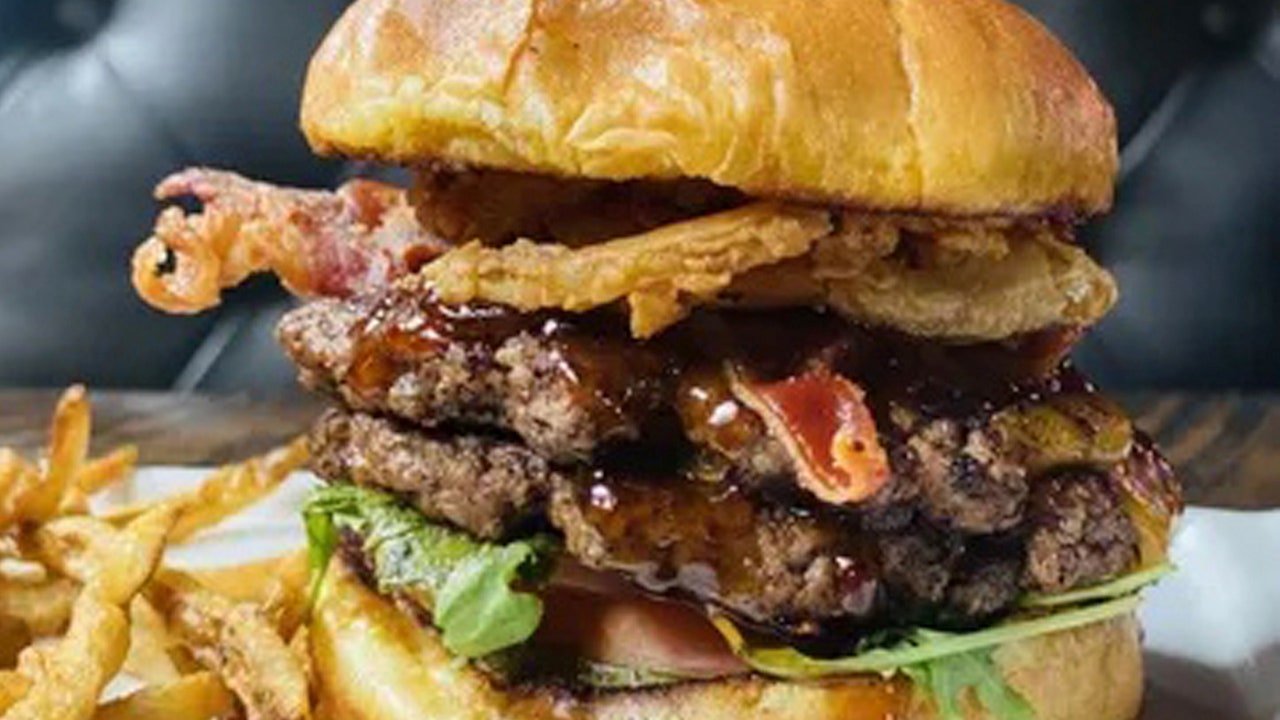
Due to inflation and rising operational costs, the CEO of Will Restaurants Investment Group, Brian Will, has increased the price of a BLT sandwich to nearly $16 at his restaurants. Despite the wholesale cost being only $5, the need to cover high rent, utilities, labor, and other expenses has led to this significant price jump. Will highlighted the financial pressures of running a restaurant in today's economy, including fixed yearly rent increases and higher costs for labor and insurance, which have all contributed to the increased menu prices.
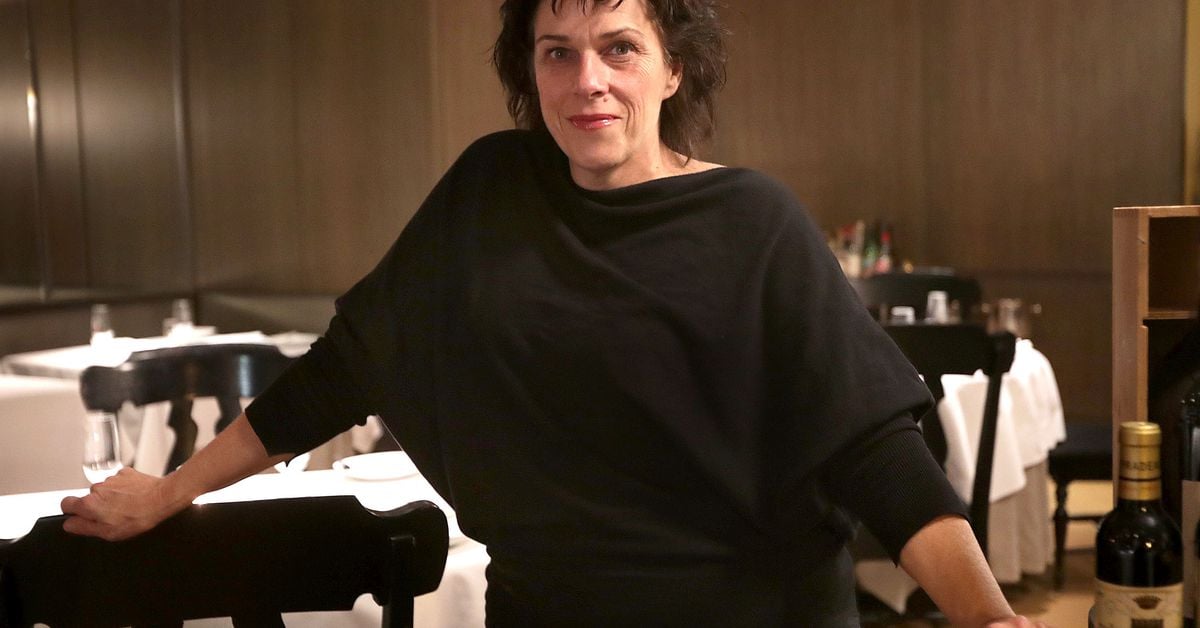
Renowned chef Barbara Lynch is closing the majority of her Boston restaurants, including Menton, Sportello, and Drink, due to rent hikes and failed negotiations with landlords. The closures come amid allegations of staff harassment and a lawsuit over withheld tips. Lynch's remaining establishments include No. 9 Park, B&G Oysters, and the Rudder, with future expansion plans focused on the North Shore. The restaurant group's COO cites mismanagement and post-pandemic challenges as additional factors in the decision to close.
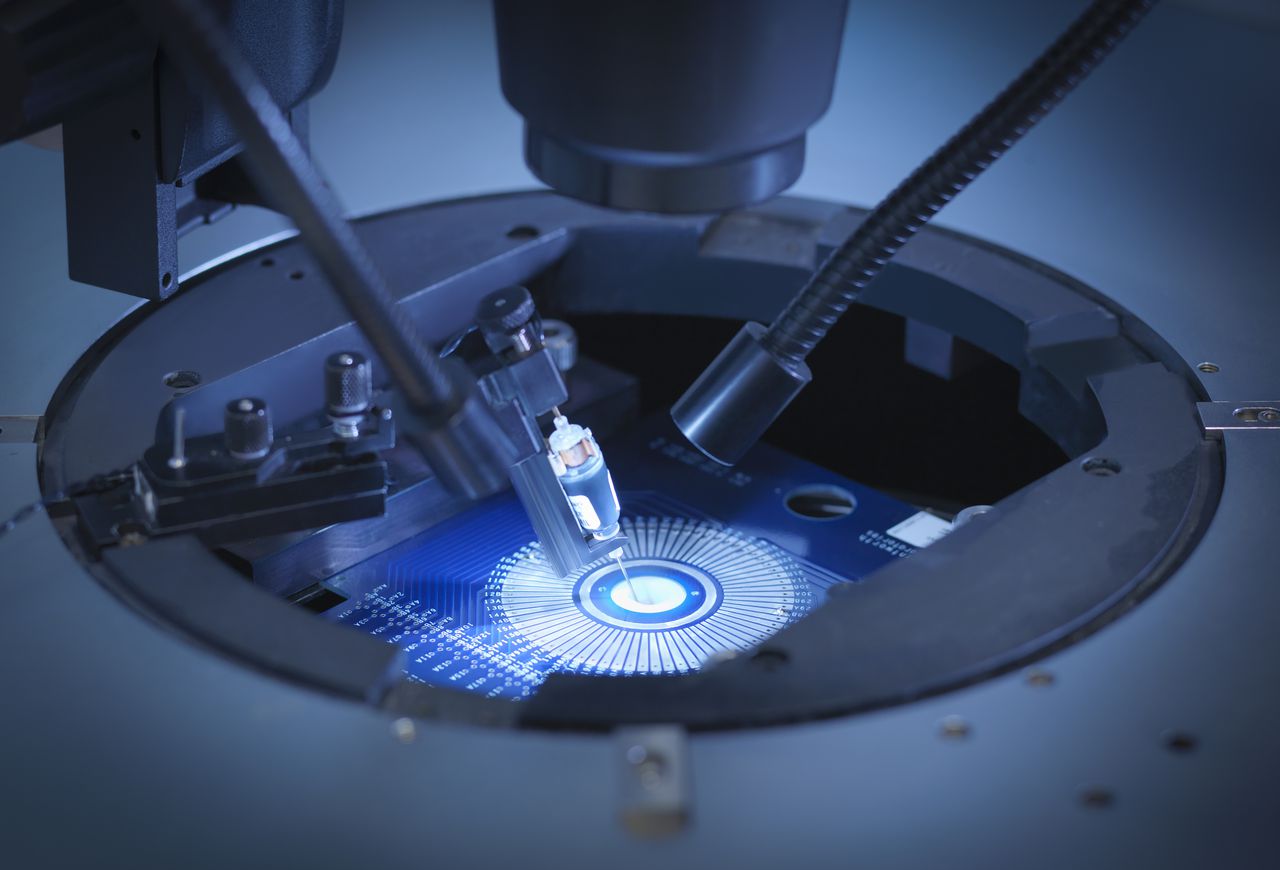
Oregon has finalized $136 million in funding for expansions by semiconductor manufacturers Intel, Microchip Technology, and HP Inc. This state funding is part of a larger $240 million package approved by lawmakers, with additional support expected from the federal CHIPS Act. Intel is set to receive the largest portion for its research campus expansion in Hillsboro, promising over 2,000 new jobs. Microchip Technology's Gresham factory expansion, supported by an $11 million grant, is anticipated to create 300 jobs and includes an apprenticeship program. HP Inc. will use its $9.5 million award for advanced microfluidics technology in Corvallis. The funding is contingent on the companies meeting project objectives and starting work by 2027.
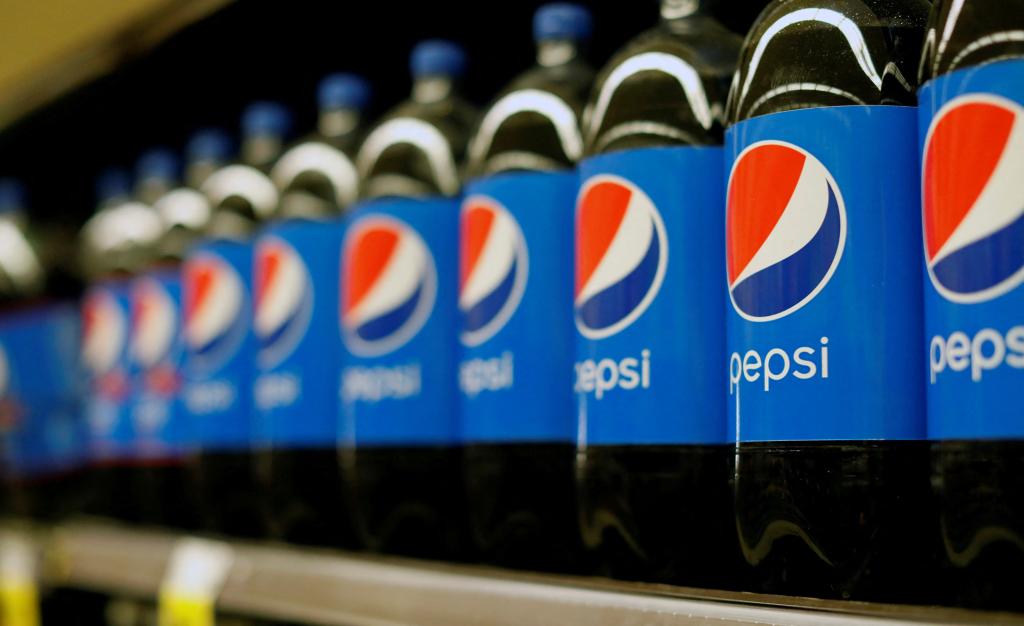
Carrefour, a major European supermarket chain, has begun removing PepsiCo products such as Pepsi, 7 Up, Lipton tea, Quaker foods, Doritos, and Lays chips from its stores in France, Italy, Spain, and Belgium in response to what it calls "unacceptable" price hikes by PepsiCo. The chain has been vocal about the cost of food products, previously adding warning labels to items that had increased in price or decreased in volume or weight. PepsiCo is reportedly in "good faith" discussions with Carrefour to resolve the issue, but has not publicly commented on the situation.