JPMorgan CEO Jamie Dimon warns that recent auto industry bankruptcies, including First Brands and Tricolor Holdings, may indicate broader issues in corporate lending, with many banks exposed to potentially unstable companies, raising concerns about a possible economic downturn and past lax credit standards.
Analysts warn that the AI industry is experiencing a bubble larger than the dot-com and 2008 real estate bubbles, with overhyped capabilities and risky investments potentially leading to a severe economic downturn, prompting caution from experts and industry leaders.
Veteran investor Roger McNamee warns that the AI industry, heavily invested in large language models by major tech giants, is at risk of collapse due to economic and competitive pressures, potentially leading to a financial crisis for many players involved.
The article discusses the increasing risks facing South Korean investments in the US, highlighting potential economic and geopolitical challenges that threaten these financial ties.
Auto loan debt in the US has reached $1.66 trillion, with rising delinquencies and repossessions, especially among younger and higher-credit-score borrowers, raising concerns about a potential economic crisis similar to 2008, and prompting calls for congressional action to protect consumers.
President Trump has escalated tariffs on multiple countries, risking a market downturn, but the stock market's strong rally has so far resisted declines. Experts warn that continued tariff threats could eventually trigger a market correction, especially as investors may be underestimating the risks of further escalation. The situation remains tense as the August 1 trade deadline approaches, with markets potentially vulnerable to a downturn if the tariffs intensify or if investor complacency persists.
Despite inflation, interest rate hikes, and recent banking industry turmoil, the US labor market has remained resilient, adding 5.6 million jobs since the start of 2022. However, the question remains whether the labor market is about to slip due to these economic risks.
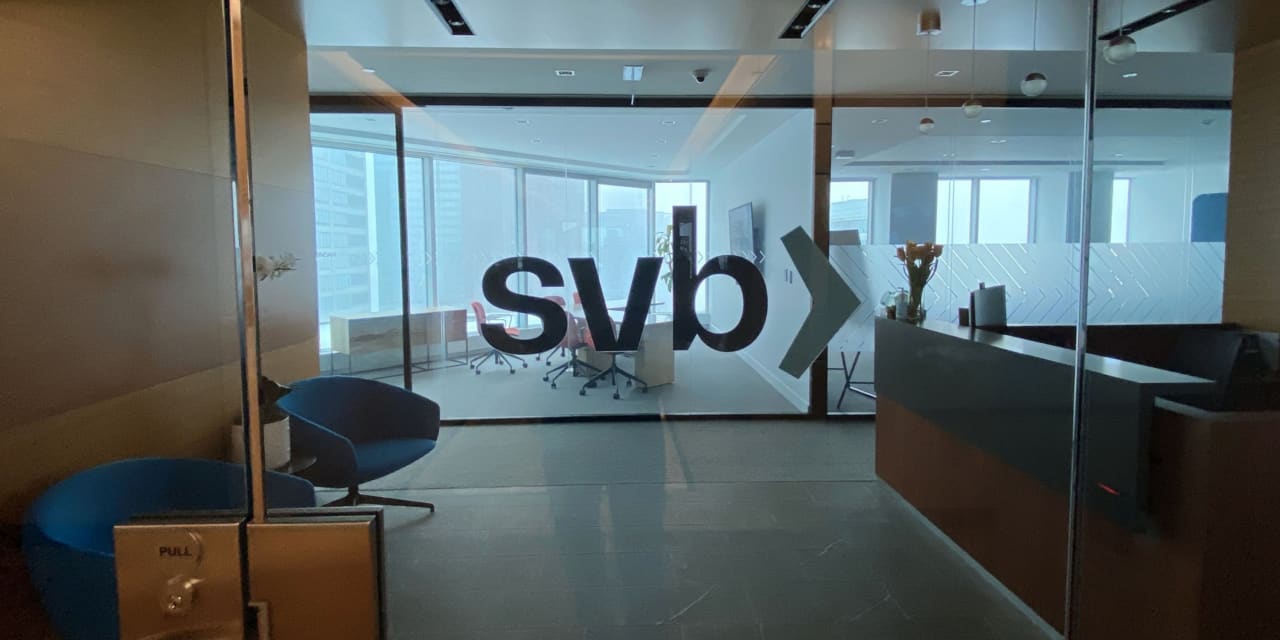
The inverted yield curve, a favorite negative signal of financial markets, has been flashing red since July, indicating that investors expect higher interest rates or economic risk in the near term. The collapse of SVB, a German bank, shows that the yield curve is always right in predicting bad news.