The U.S. economy shows signs of resilience with steady household spending and low unemployment, despite rising inflation and slower job growth, prompting discussions on whether the Federal Reserve should cut interest rates further.
The Federal Reserve's preferred inflation metric, the core PCE price index, increased by 0.3% last month, showing a cooling trend compared to January's 0.5% gain, while household spending rebounded, indicating a potential shift in economic activity.
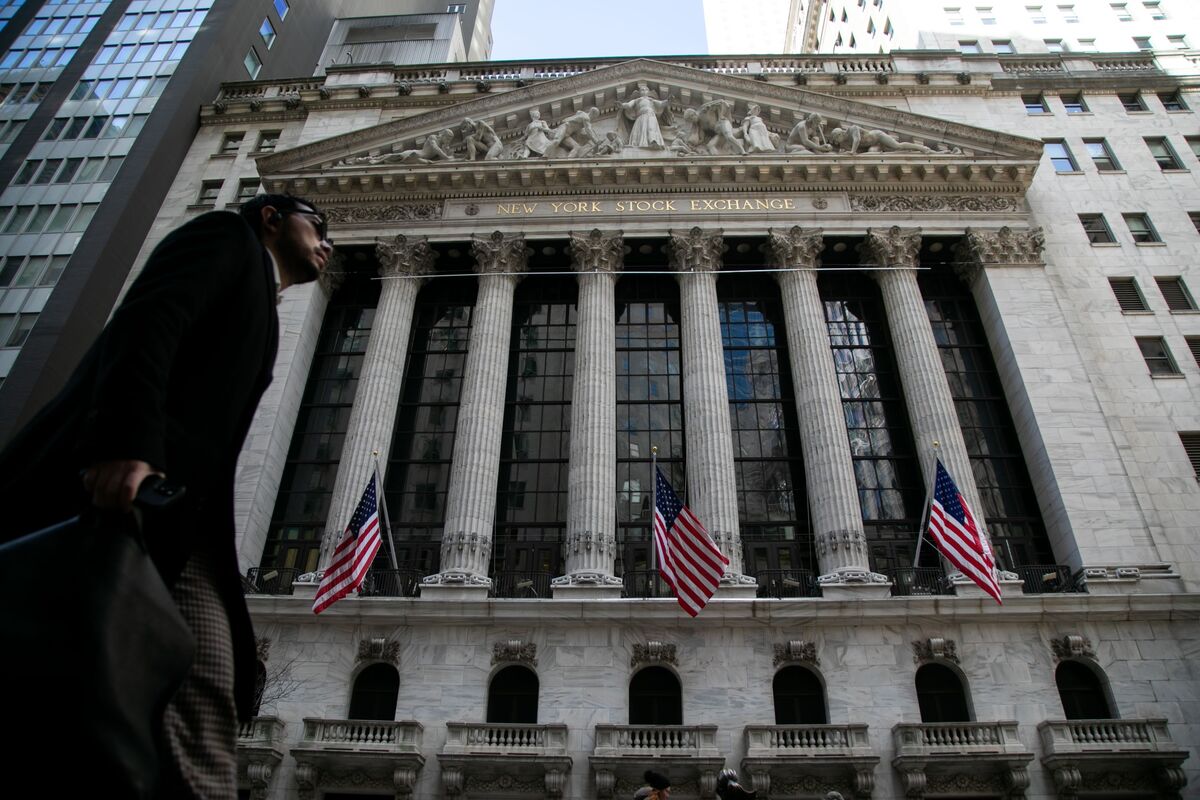
Despite a slowdown in the core personal consumption expenditures price index and a rise in household spending, the overall bullish narrative for stocks on Wall Street remains unchanged after the US inflation data was released.
According to Bloomberg's Markets Live Pulse survey, more than half of respondents believe that personal consumption, the main driver of economic growth, will shrink in early 2024, marking the first quarterly decline since the pandemic began. Another 21% predict this reversal will happen even sooner, in the last quarter of this year, as high borrowing costs and dwindling Covid-era savings impact household budgets. This finding contradicts the optimism seen in US equity markets, and if consumer spending contracts, it could lead to further downside for stocks. While the US economy is currently showing signs of growth, some analysts question the sustainability of this strength, attributing it to temporary factors such as a summer splurge on entertainment. Headwinds such as rising delinquency rates on credit cards and auto loans, as well as the impending resumption of student loan repayments, pose challenges for consumers in the coming months.
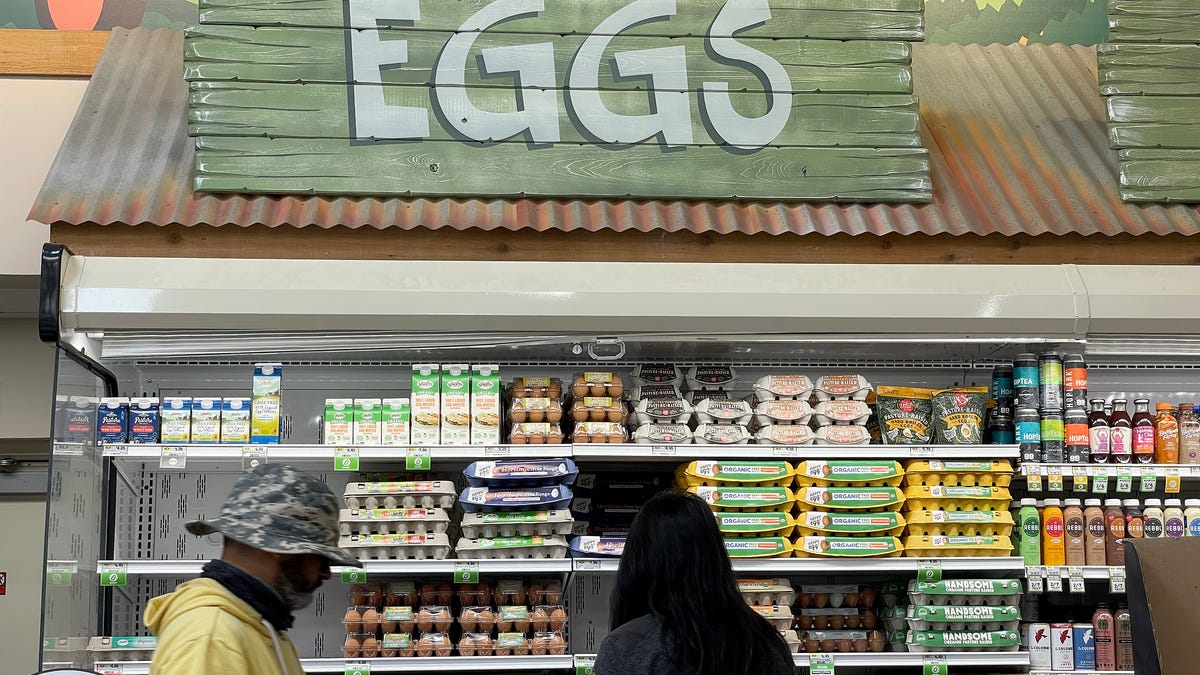
The personal consumption expenditures (PCE) inflation measure, closely monitored by the Federal Reserve, dropped sharply in June, potentially influencing the Fed's decision to maintain interest rates after a series of aggressive hikes. While consumer prices increased by 3% from a year earlier, below the 3.8% pace in May, the annual increase in core prices fell to 4.1%, the lowest since September 2021. Household income and spending both rose, indicating a consumer with the ability to spend and potentially driving prices higher. The reports suggest a positive direction for the economy, but the Fed may remain cautious about halting rate increases until there is sustained evidence of an inflation slowdown.
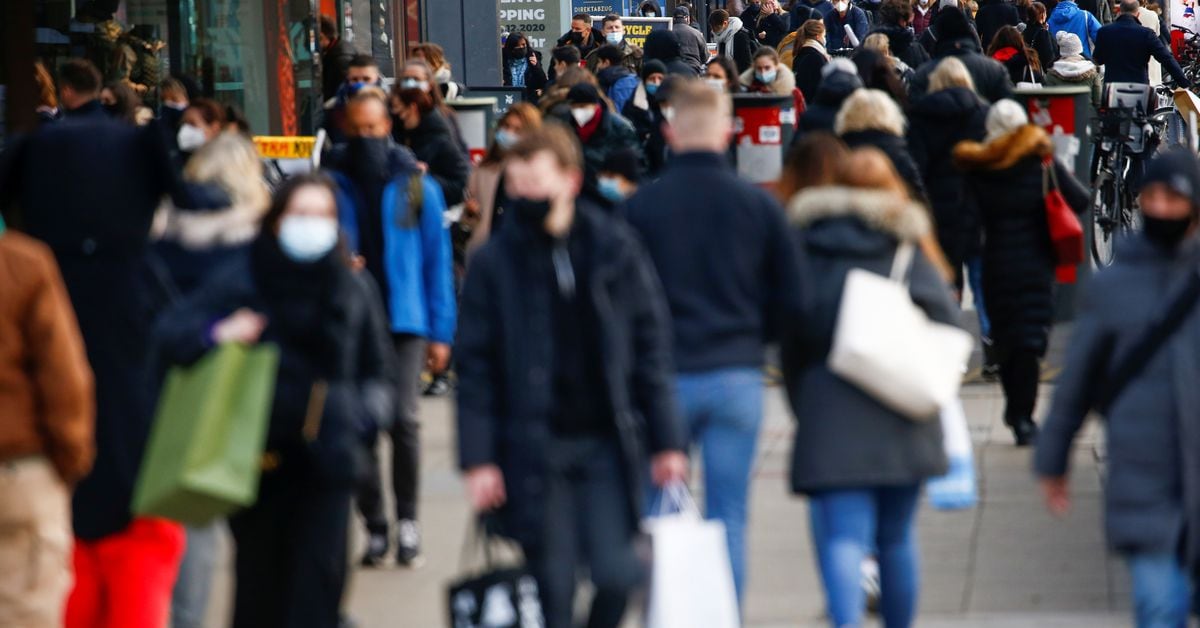
The eurozone has fallen into recession due to rising food and energy prices that have hit household spending. The economy of the 20-nation bloc contracted by 0.1% between January and March, after also shrinking in the final three months of 2022. Revised data from Germany contributed to the move into recession. The bad news comes after a tough year for European economies, as surging energy prices sparked by Russia's war on Ukraine have driven up the cost of living.
The German economy entered a recession in Q1 2023, with GDP falling by 0.3% due to high inflation affecting household spending. The decline follows a 0.5% contraction in Q4 2022. The German finance minister expressed concern over the country's potential for growth compared to other developed economies. The economy minister attributed the recession to Germany's previous reliance on Russia for energy supply. Household consumption was down 1.2% quarter on quarter, while government spending decreased by 4.9%. Investment in machinery and equipment increased by 3.2%, and exports rose 0.4%. The German Bundesbank expects modest growth in Q2 2023.
The New York Federal Reserve's Survey of Consumer Expectations for April showed that the outlook for household spending fell to an annual rate of 5.2%, the lowest level since September 2021, reflecting downbeat consumer sentiment and a potential slowdown for inflation. Respondents expect an inflation rate of about 4.4% in the next 12 months, still above the Fed's 2% inflation target, though drifting closer to the goal. The survey's results come less than a week after the Fed approved its 10th consecutive interest rate hike since March 2022.