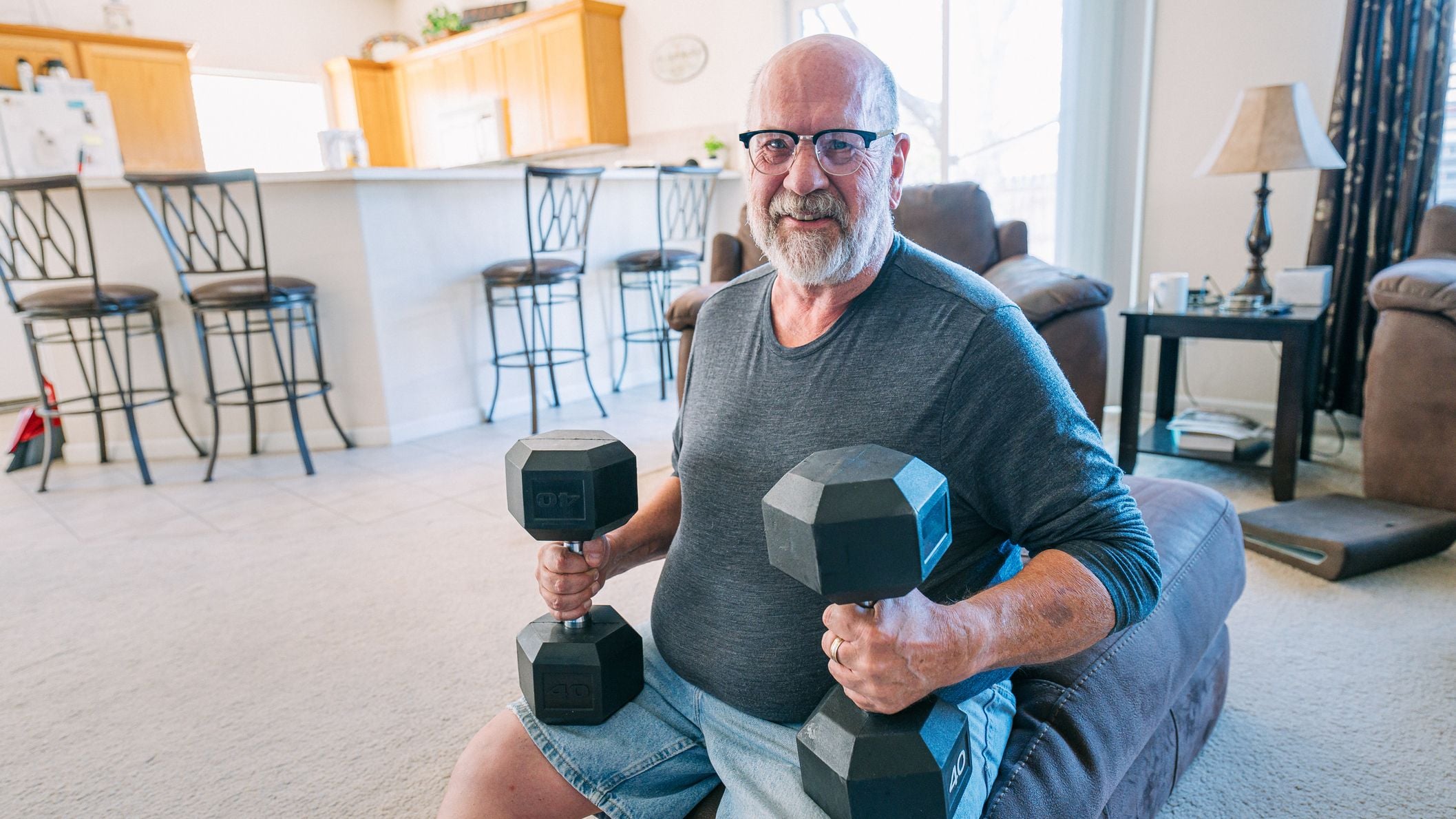
A longevity expert emphasizes the importance of hormonal health in middle-aged men, highlighting that declining testosterone levels—by 30-50% between ages 30 and 70—can impact sexual function, mood, metabolism, and muscle mass. He recommends men get tested for testosterone levels and suggests lifestyle changes like healthy eating and resistance training to naturally boost testosterone, potentially improving quality of life and long-term health.

The article discusses the 'Wellness Gender Gap,' highlighting how women are over-optimizing their health routines through trends like fasting, cold plunges, and keto diets, which can negatively impact their hormonal and overall health, emphasizing the need for tailored approaches and moderation.
Eating enough fiber is crucial during menopause as it helps regulate digestion, support hormonal balance, improve heart health, and manage weight. Women should aim for 21-30g of fiber daily, incorporating foods like whole grains, legumes, and soluble fibers, while increasing intake gradually and staying well-hydrated. Tailoring fiber intake to individual needs, especially for those with gastrointestinal sensitivities, can enhance overall menopausal health and well-being.
Women share essential health lessons they wish they knew earlier, emphasizing the importance of strength training, understanding menstrual and hormonal changes, advocating for oneself in medical settings, and paying attention to diet and lifestyle for overall well-being.
Broccoli is a highly underrated vegetable that significantly benefits hormonal health due to its high fiber content and sulforaphane, making it a valuable addition to daily diets for hormonal regulation.
Testosterone Replacement Therapy (TRT) is gaining attention as a potential treatment for age-related testosterone decline in men, often called 'Manopause.' While levels naturally decrease with age and environmental factors may contribute, TRT can improve energy, libido, and overall quality of life for men with clinically low testosterone, but it should be used under medical supervision due to potential risks and side effects.
Maintaining hormonal balance is crucial for overall health, and simple daily habits can help achieve this. Incorporating probiotic-rich foods, taking a 10-minute walk after meals, staying hydrated with electrolytes, prioritizing protein intake, sipping on herbal tea, increasing fiber intake, considering supplements, establishing a bedtime routine, and avoiding skipping meals can all contribute to better hormone regulation and overall well-being.
Female hormone expert Alisa Vitti has developed a method called "cycle syncing" to alleviate premenstrual symptoms. The method involves aligning nutrition and fitness habits with the four phases of the menstrual cycle to optimize weight, energy levels, mood, and productivity. During each phase, specific dietary recommendations and exercise routines are suggested. Vitti's method has helped thousands of women, with reported benefits including weight loss and improved mood. However, it may not be suitable for women using contraception or those who do not regularly ovulate. It is advised to consult with a doctor before making any changes to birth control or starting new supplements.
Female hormone expert Alisa Vitti has developed the cycle syncing method to help women alleviate menstrual pain and optimize their weight, energy levels, mood, and productivity. The method involves syncing nutrition and fitness habits with the four phases of the menstrual cycle: menstrual phase, follicular phase, ovulatory phase, and luteal phase. Vitti's approach includes specific dietary recommendations and exercise routines tailored to each phase. Many women have reported positive results, including weight loss and improved mood. However, the method may not be suitable for women using hormonal birth control. It is advised to consult with a doctor before making any changes to medication or starting new supplements.
Female hormone expert Alisa Vitti has developed a method called cycle syncing to help women alleviate menstrual pain and optimize their weight, energy levels, mood, and productivity. The method involves syncing nutrition and fitness habits with the four phases of the menstrual cycle: menstrual phase, follicular phase, ovulatory phase, and luteal phase. By following specific dietary recommendations and exercise routines tailored to each phase, women have reported weight loss and improved mood. However, the method may not be suitable for women using hormonal birth control. Vitti recommends consulting with a doctor before making any changes to birth control or starting new supplements.