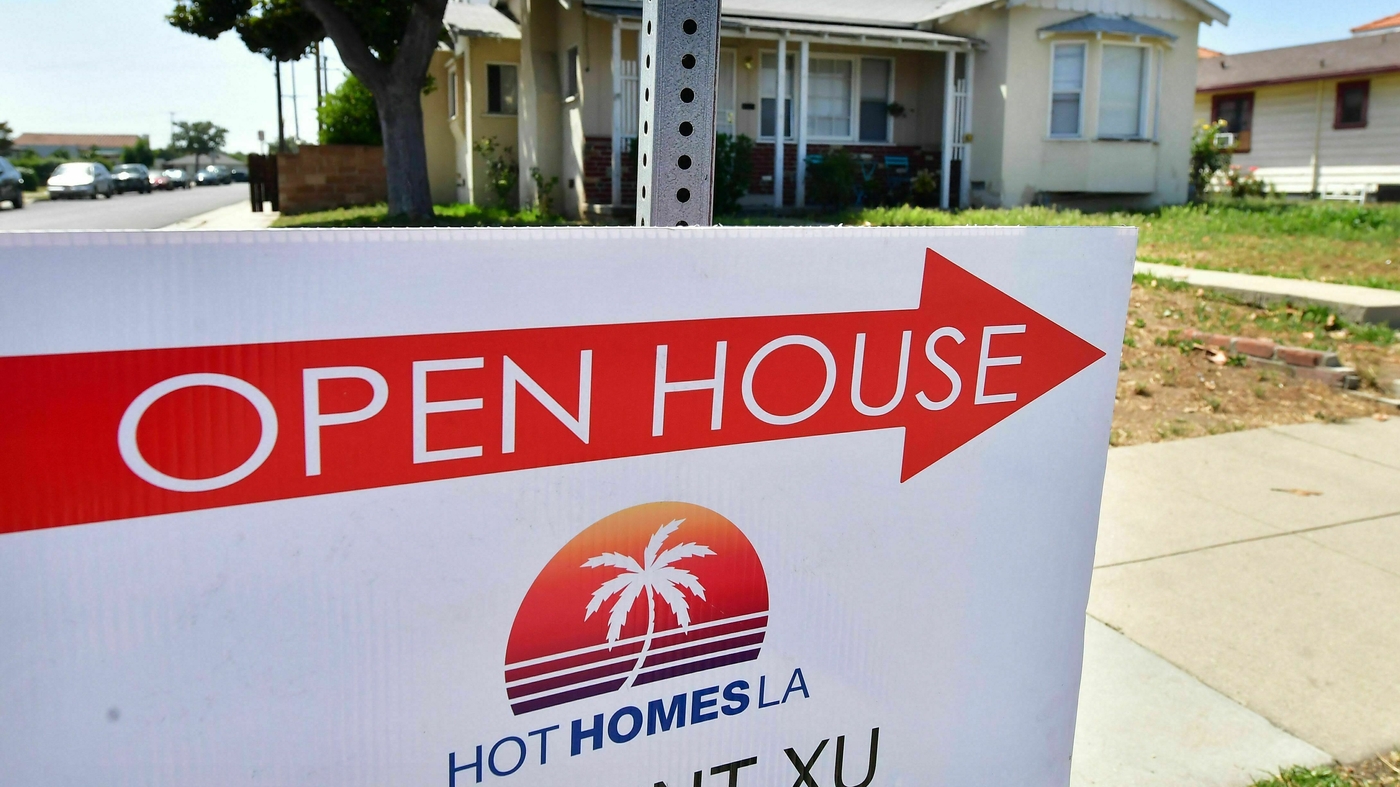
The National Association of Realtors has agreed to pay $418 million to settle antitrust lawsuits alleging inflated real estate commissions, leading to changes in how homes are bought and sold. Under the settlement, home sellers would pay smaller commissions and buyers would decide how much buyer's agents are paid. The lawsuits challenge NAR's cooperative compensation rule, and if approved, the new rules would affect anyone using a multiple listing service. The settlement could lead to more complex negotiations and changes in how buyer's agents are compensated, potentially impacting buyers and sellers in the real estate market.
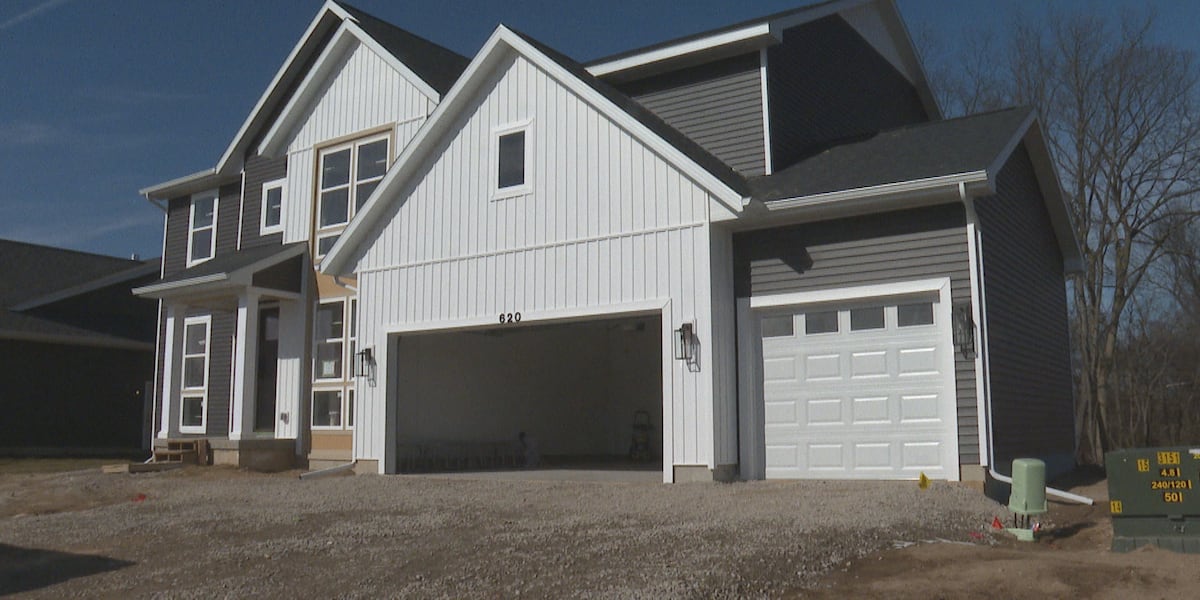
Michigan's proposed building code, including specific framing, energy-efficient insulation, and mandatory sprinkler systems, is facing criticism from home builders who argue that it could raise home prices by $20,000, further exacerbating the state's housing affordability crisis. The Home Builders Association of Michigan is submitting an alternative code proposal that aims to achieve similar improvements at a third of the cost.
Despite expectations for a drop in mortgage rates, they have remained high, currently averaging 6.64%. The U.S. Federal Reserve's inaction and uncertainty about the economy have contributed to this. Lenders are also protecting themselves against potential future rate drops. While some economists anticipate rates falling below 6% by the end of 2024, low inventory and increased competition for homes may limit the benefits for buyers.
Mortgage demand dropped last week as buyers faced increased competition for a limited supply of homes, with applications for purchase falling 11% and refinance demand increasing 2%. The average contract interest rate for 30-year fixed-rate mortgages remained unchanged at 6.78%, with points rising to 0.65. Low existing housing supply and elevated home-price growth continue to constrain home purchase activity, while lower mortgage rates are putting more pressure on home prices and bringing more buyers into the market. The Federal Reserve's upcoming meeting and Friday's monthly employment report could impact mortgage rates.
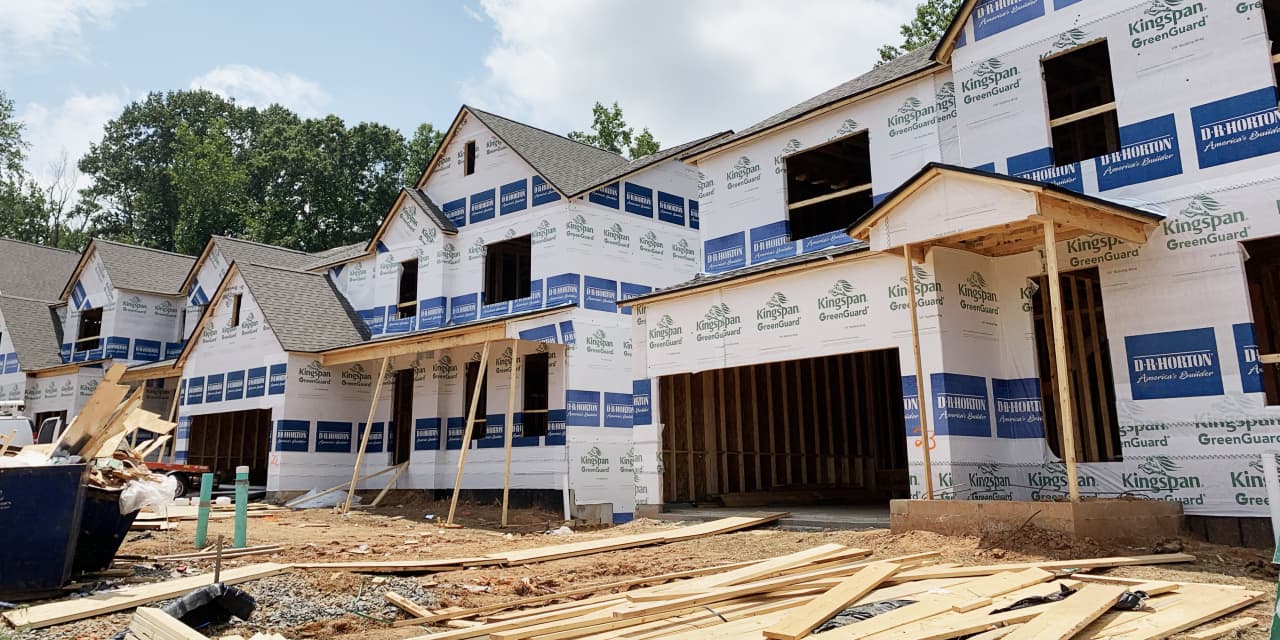
Despite a sluggish housing market characterized by high prices and low inventory, new home sales are on the rise as developers rush to meet demand, offering buyers like Joel Adler, a retired teacher, more options in gated communities like Valencia Sound in Boynton Beach, Florida.
Mortgage rates have continued to decline, sparking some signs of life in the stagnant real estate market. The average rate for a 30-year fixed mortgage fell to 6.67% this week, down from 6.95% last week. The rate on a 15-year fixed mortgage also dropped to 5.95%. While this has brought potential home buyers back into the market and led to a rise in home builder confidence and new construction, economists do not expect affordability to improve significantly in the near future. Home prices remain elevated, and the housing market continues to face a shortage of inventory.
Despite the lowest mortgage rates in years, home sales remain low as few homeowners are willing to sell. While mortgage applications have increased for six consecutive weeks, they are still below last year's levels, indicating a lack of supply in the housing market.
The Federal Reserve has announced its plan to cut interest rates three times in 2024, which is expected to make borrowing money to buy a home more affordable. This news brings relief to hopeful home buyers who have been struggling to enter the market.
Despite high prices and interest rates, some home buyers are still finding ways to enter the tough housing market. First-time buyers accounted for nearly a third of home sales, with a record 70% of buyers not having children under 18. Rising interest rates have deterred potential sellers from giving up their cheaper loans, leading to a shortage of available homes. Buyers are making tradeoffs, such as moving farther from the city or giving up certain features, to secure a home. The average income of buyers is at a record high, but the biggest challenge remains coming up with a down payment.
A federal jury's ruling against the National Association of Realtors (NAR) and several large brokerages could lead to reduced real estate agent fees and lower costs for home buyers and sellers. The ruling may result in greater transparency in real estate transactions, as well as potential changes to the payment structure for agents. The Department of Justice is also investigating real estate agent compensation practices, which could trigger a broader overhaul of how agents are paid. However, industry experts caution that the final judgment in the case is still pending, and any changes may not have a significant impact on the industry.
Aspiring homeowners who are deterred by high mortgage rates can still find newly built homes with a 4% mortgage rate, thanks to sales incentives offered by home builders. By paying points or mortgage rate buydowns, builders are reducing the mortgage rate and monthly payments for buyers. Additionally, some builders are dropping asking prices on homes to boost demand. However, price cuts often come with smaller home sizes. While existing-home sales have declined, sales of newly built homes have increased, partly due to these incentives.
Mortgage rates on 30-year fixed-rate loans have reached their highest level since 2000, surpassing 8%. This has significantly impacted home buyers' purchasing power, with their target home prices dropping as more of their monthly payments go towards servicing interest. The increase in rates can be attributed to the strong economy and job market, which has led investors to expect sustained higher mortgage rates. Uncertainty remains regarding the future direction of rates, with potential scenarios including lower rates due to an economic downturn or higher rates if mortgage spreads remain elevated. Despite the current high rates, experts suggest that buyers who can afford to purchase now should do so, as home prices continue to rise. First-time buyers should explore state and local programs that provide down payment and closing cost assistance, consider different home types, and be aware of the fine print when comparing interest rates from different lenders.
New data from the National Association of Realtors reveals that Baby Boomers are now buying more homes than Millennials, who have long dominated the housing market. The rise in interest rates and lack of inventory have made it difficult for Millennials to afford homes, while Boomers have accumulated wealth and equity in their existing homes, allowing them to pay cash for a significant portion of their purchases. As a result, Boomers are competing with their children and grandchildren for the limited number of homes available for sale. The shift in market share from Millennials to Boomers has been significant since late 2021, with Millennials' share dropping by 14 points and Boomers' share increasing by 9 points. This trend highlights the affordability challenges faced by Millennials and the strength of the cash-rich Boomer generation in the housing market.
The U.S. housing market is experiencing a divide between home buyers who struggle with affordability and homeowners who are locked into low mortgage rates, according to Fannie Mae CEO Priscilla Almodovar. With the 30-year mortgage rate approaching 8%, buyers are finding it difficult to purchase homes, while homeowners have little incentive to sell. This has created a "tale of two markets" in the housing industry.
Existing-home sales for September are expected to show a significant slump to the lowest level in over a decade, as climbing mortgage rates deter home buyers. This downward trend in sales is likely to continue, posing further challenges for the real estate market.