housing-market3.05 min read
"Survey Reveals Shrinking Homes and Vanishing Hallways"
1 year ago•Source: CBS News

The latest housing market stories, summarized by AI
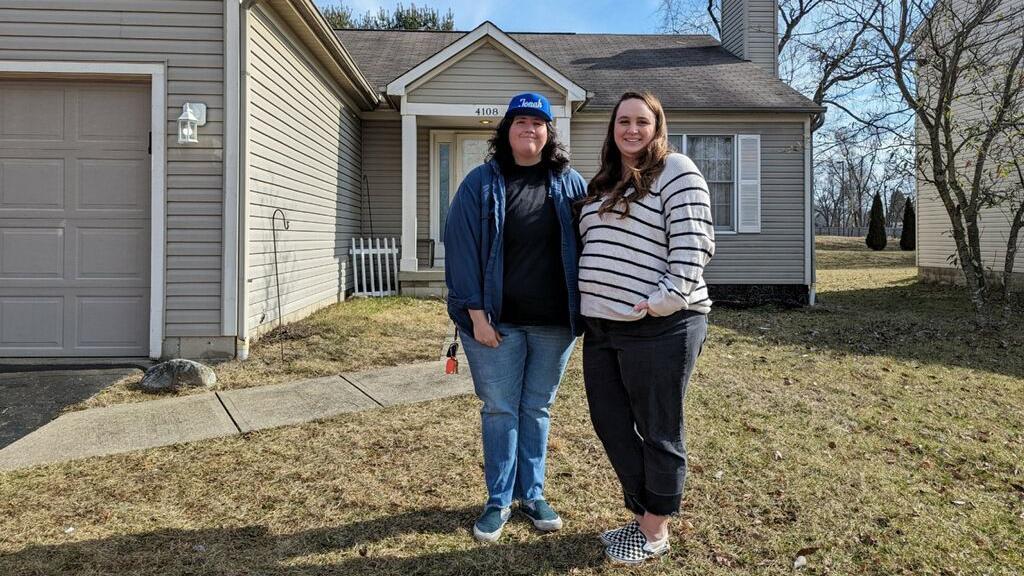
Rising rents, surging home prices, and increased mortgage rates have made homeownership increasingly unattainable for many Americans, fueling widespread dissatisfaction and economic pessimism. Despite higher incomes, many are unable to save enough due to high living costs, with only 40.1% of renters expecting to ever own a home. The issue is a significant challenge for President Biden, who faces criticism for his handling of the economy, while the Federal Reserve's efforts to control inflation have yet to provide relief.
Joint Center for Housing Studies•2 years ago

A "silver tsunami" of baby boomers downsizing their homes is predicted to hit the housing market in the next year or two, potentially bringing over 30 million housing units to the market. However, this may not necessarily benefit millennials and Gen Zers looking to enter the housing market, as factors such as high mortgage rates and escalating home prices have already made it difficult for them to afford homes. Many younger generations are still living with family members due to the expensive housing market, and even with the money saved from living at home, it may not be enough to afford a home. The downsizing trend may also push up starter home prices, further hindering younger buyers.
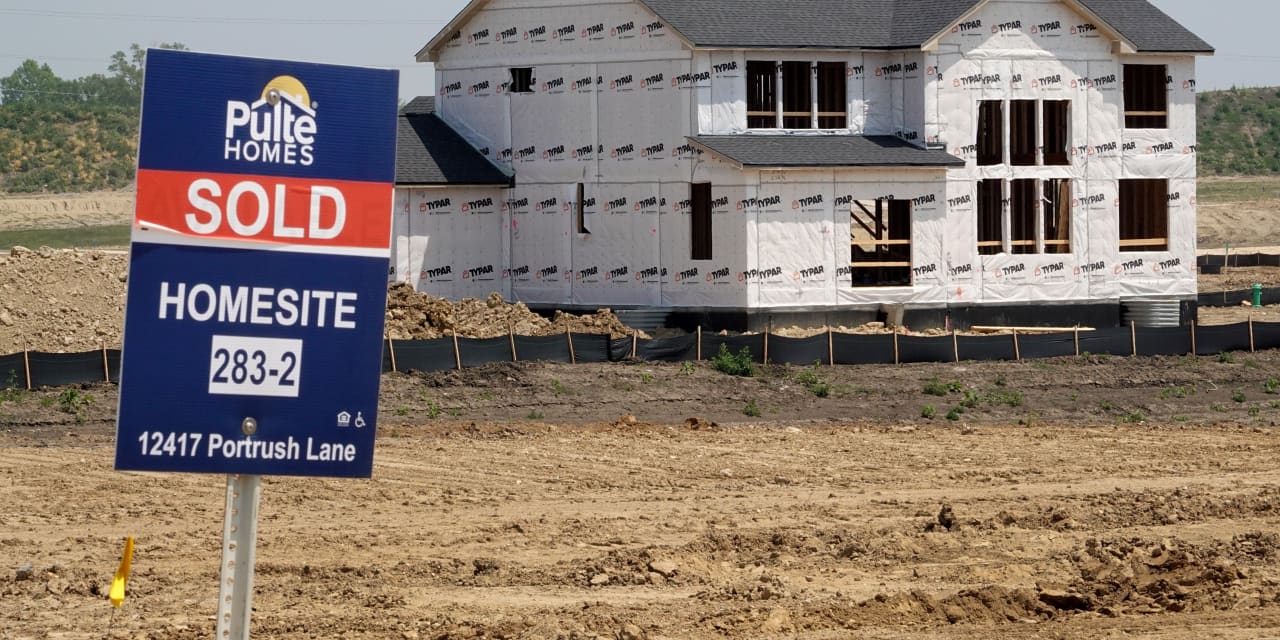
As the cost of homeownership continues to rise, mortgage lenders and home buyers are exploring various affordability boosters like adjustable-rate mortgages and low down payments. However, economist Mark Fleming argues that these solutions are addressing the symptom rather than the root cause of the affordable housing crisis. He emphasizes the need for zoning reform and building more homes, particularly focusing on density, to tackle the supply problem. While mortgage rates are at their highest level in over two decades, Fleming believes that local governments should make it easier to construct more dense housing rather than relying solely on building single-family homes further out.

Housing affordability in the U.S. is at an all-time low, particularly for first-time homebuyers, due to factors such as aggressive rate hikes by the Federal Reserve and excess stimulus spending during the pandemic. The Fed's actions may indicate a desire to increase the number of renters and support the growing investor class. To navigate this situation, individuals are advised to focus on owning their primary residence and investing in rental properties to secure housing affordability in the future. Cash flow from rental properties is emphasized over property values, as it provides stability and financial independence.
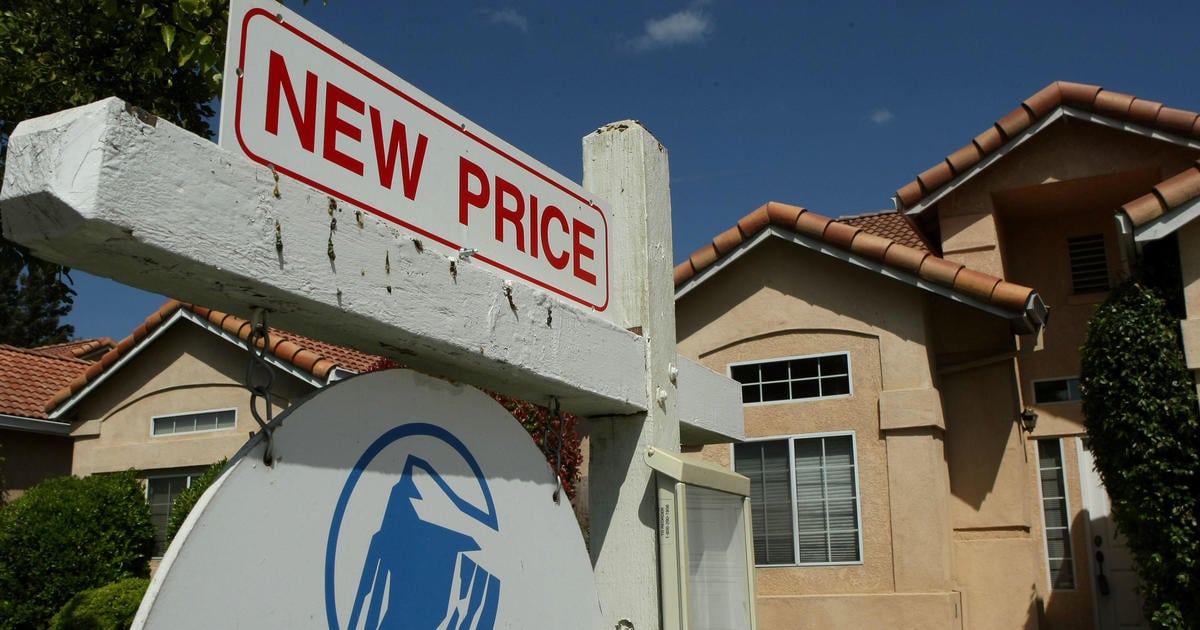
A new report from real estate data provider ATTOM reveals that 99% of U.S. counties have home prices that are unaffordable for the average American, who earns $71,214 a year. Rising mortgage rates, currently at 7%, and a limited housing supply due to homeowners not selling at elevated rates are driving up housing costs. The national median existing home price is $407,100, and as long as mortgage rates continue to rise, prices will remain unaffordable. This lack of affordable housing disproportionately affects first-time homebuyers, particularly younger millennials. Cities with the most unaffordable homes include Los Angeles, Chicago, Phoenix, San Diego, and Orange County, while communities surrounding Cleveland, Detroit, Houston, Philadelphia, or Pittsburgh have more affordable homes compared to median salaries.
Barclays economists suggest that the housing imbalance and shortage in the market can be attributed to the aging baby boomer generation, who are fueling the demand for homes as they age. Contrary to the belief that older consumers would require fewer homes, it turns out that they prefer smaller dwellings but not fewer homes. The larger size of the boomer generation compared to previous generations means that they are using up more houses as they age, leaving less existing inventory for younger generations, particularly millennials. However, the current demand dynamics for housing may not persist in the future as the population in younger age groups is not as large. The housing shortage remains a major challenge for homebuyers, with rising mortgage rates and limited inventory pushing home prices higher.
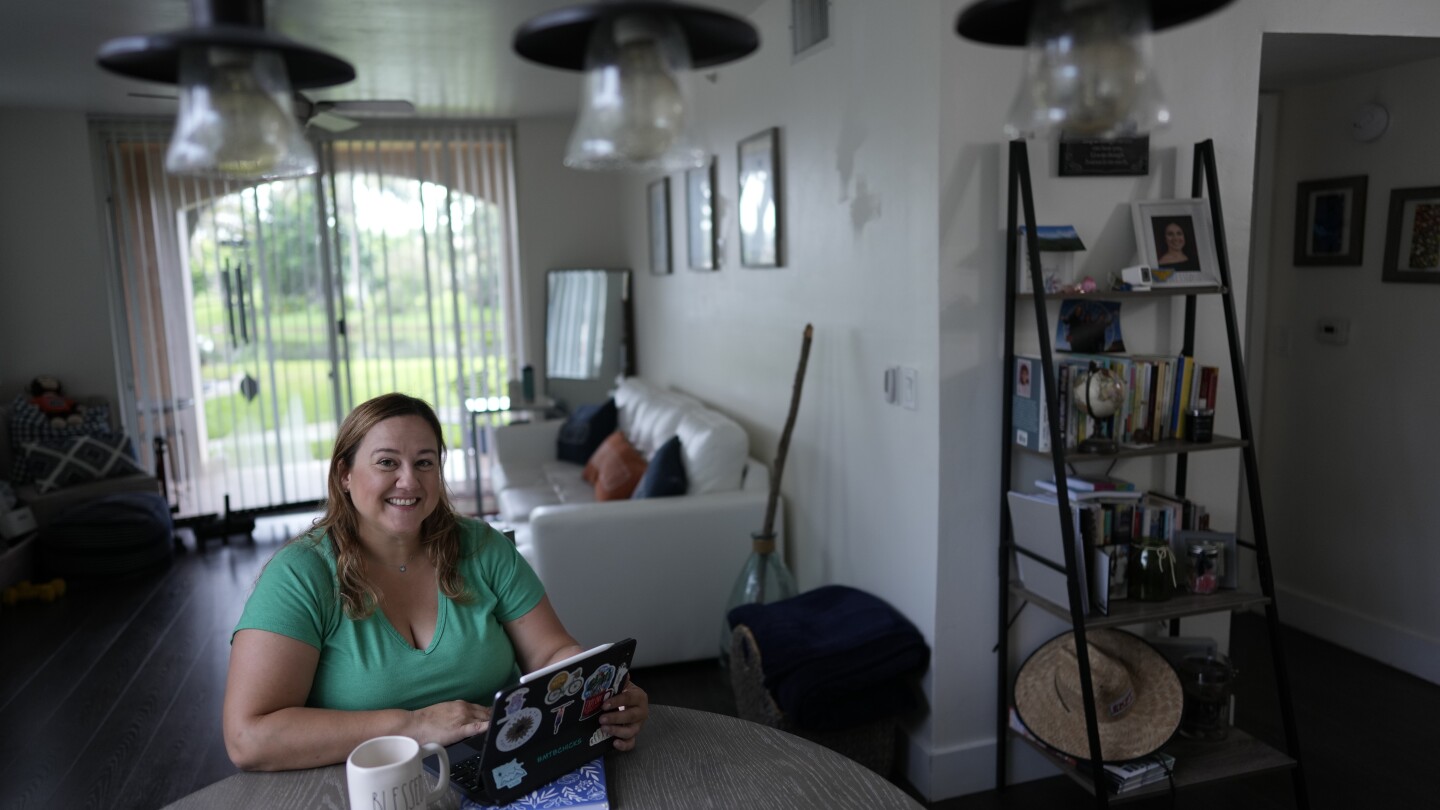
The boom in apartment construction in the US is helping to curb rent increases on a national level, with median rent rising just 0.5% in June year over year. However, this trend is not benefiting all renters, as many are still facing significant rent hikes, particularly in cities like Cincinnati and Indianapolis. The majority of new construction is concentrated in a few metro areas and consists of luxury apartments, which rent for over $2,000. While the increase in supply may moderate rent increases over time, it is unlikely to result in significant reductions for most tenants, exacerbating the affordability problem for renters across the country.
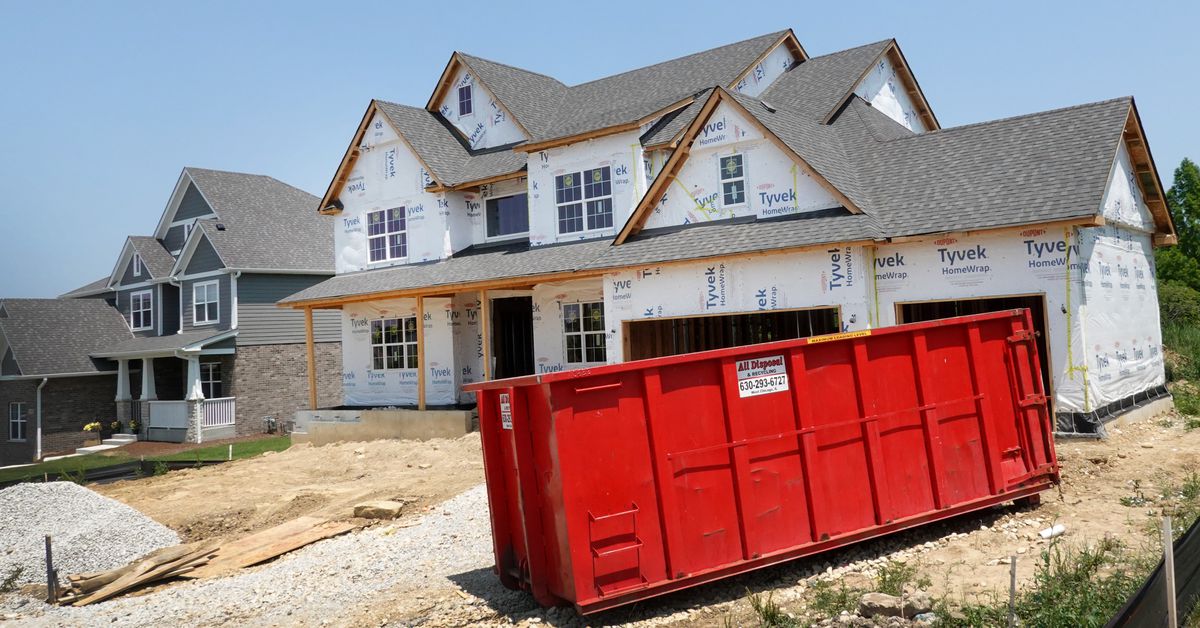
The recent viral tweet suggesting a collapse in Airbnb revenue as a potential solution to America's housing shortage is misleading. Both Airbnb and another dataset contradict the findings in the tweet, with Airbnb reporting increased travel activity and a modest 3% decline in revenue per listing. The housing crisis in the US is driven by factors such as a lack of housing supply, high home prices, and low mortgage rates. Short-term rentals like Airbnbs only make up a small portion of the housing market and are not the primary cause of the housing shortage. To address the housing crisis, there is a need for increased new construction, lower interest rates, reduced construction costs, and more liberal zoning regulations.