Existing-home sales in the U.S. increased by 3.4% in October, marking the first year-over-year gain since July 2021, according to the National Association of REALTORS®. Sales rose across all major regions, with a total annual rate of 3.96 million. The median home price also increased by 4% to $407,200. Inventory levels rose slightly, while mortgage rates remained elevated but are expected to stabilize. First-time buyers accounted for 27% of sales, and cash sales made up 27% of transactions.
Existing home sales in the US dropped 1.9% in April to a seasonally adjusted annual rate of 4.14 million, attributed to high mortgage rates and rising prices. The median price of previously occupied homes rose to a record $407,600, while the supply of homes increased but remains low. Sales were brisker at the high end of the market, with a surge in homes priced at $1 million or more, and a third of sales going to first-time buyers. Economists suggest that relief for the housing market could come from a potential Federal Reserve interest rate cut later this year.
Existing-home sales in the U.S. decreased by 1.9% in April, with declines in all four major regions. The total housing inventory increased, and the median existing-home price rose to a record high of $407,600. First-time buyers accounted for 33% of sales, while all-cash sales remained at 28%. Mortgage rates averaged 7.02%, up from 6.39% a year ago. The Northeast, Midwest, and South experienced year-over-year sales decreases, while the West saw an increase.
Existing home sales fell by 4.3% in March, the largest drop in over a year, as higher mortgage rates deterred potential buyers and led homeowners to avoid selling. Total housing inventory increased, with the median price of existing homes rising to $393,500. The NAR chief economist noted that rebounding home sales are hindered by stagnant interest rates, while recent inflation reports have led to expectations of minimal rate cuts by the Federal Reserve. The housing market is experiencing decreased demand and supply due to the impact of rising mortgage rates, with new home sales showing a 6% increase in February.
US existing home sales dropped 4.3% in March to a seasonally adjusted annual rate of 4.19 million units, with sales falling in the South, Midwest, and West but rising in the Northeast. Higher interest rates and house prices are cited as factors affecting buyer activity. The median existing home price increased 4.8% from a year earlier to a record high of $393,500 in March, while housing inventory jumped 4.7% to 1.11 million units. Despite the increase in supply, the market remains constrained, with first-time buyers accounting for 32% of sales and all-cash sales making up 28% of transactions.
Existing-home sales in the U.S. decreased by 4.3% in March, with declines in the Midwest, South, and West, but a rise in the Northeast. The total housing inventory increased, and the median home price rose to $393,500. First-time buyers accounted for 32% of sales, while all-cash sales decreased to 28%. Mortgage rates also increased to 6.88%.
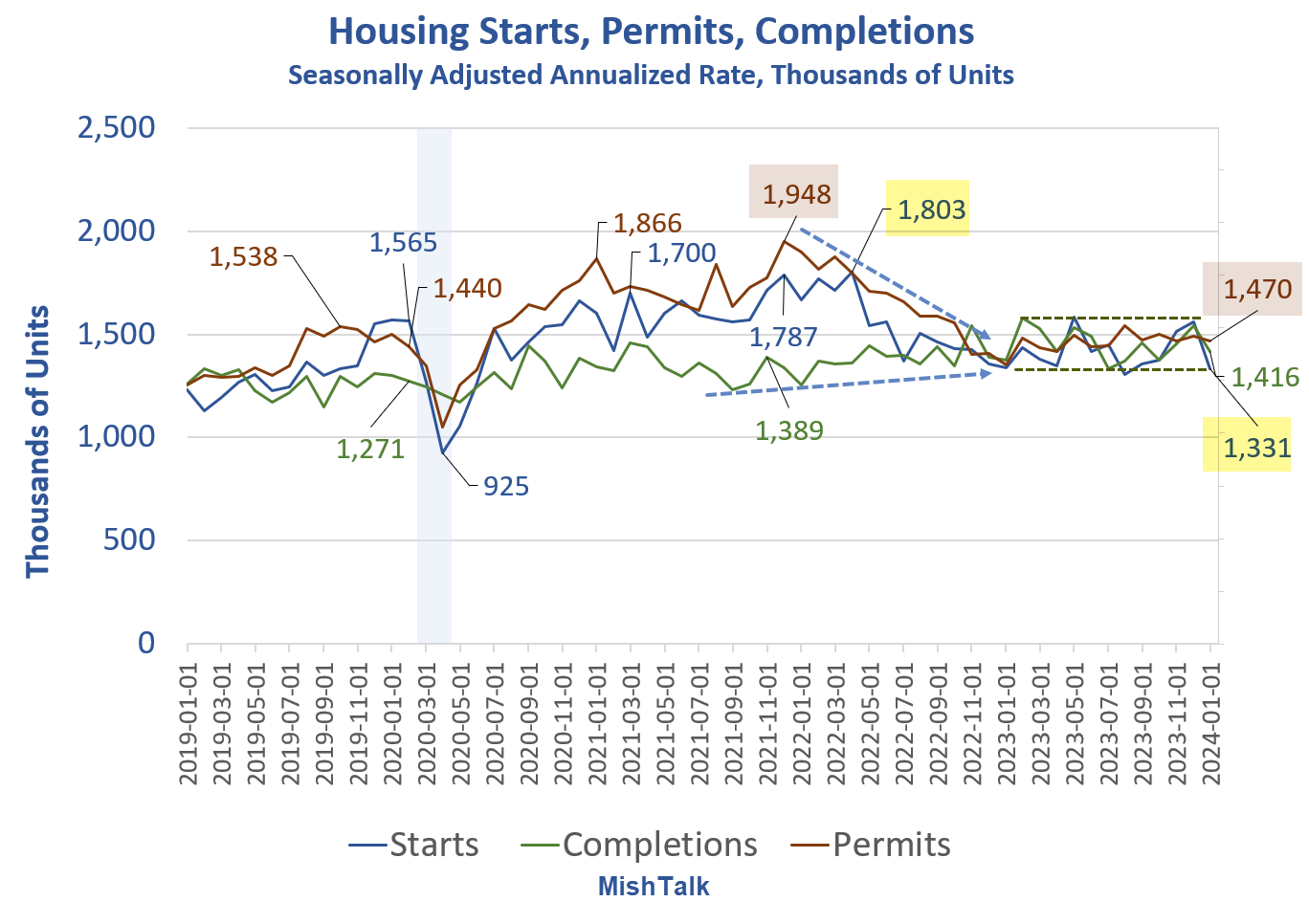
Housing starts plunged 14.8 percent in January, despite positive revisions, marking a bad start to 2024. Building permits for privately-owned housing units also decreased by 1.5 percent from December, while existing home sales fell to their lowest level since 2010. Additionally, retail sales took an unexpected 0.8 percent dive in January, indicating a challenging start to the year for the economy.
U.S. existing home sales fell to the lowest level since 1995, with sales of previously owned homes dropping 1% in December to an annual rate of 3.78 million units. The decline in inventory led to a record high median price of $389,800 for existing homes sold in December. The supply crunch is attributed to the rise in mortgage rates, which have recently retreated, and experts believe the market may turn higher in the new year with more inventory expected to appear.
U.S. existing home sales rebounded in November, rising 0.8% from the previous month to an annual rate of 3.82 million units, as lower mortgage rates enticed buyers back into the market. However, sales remain down 7.3% compared to November 2022. The decline in inventory contributed to higher prices, with the median price of an existing home sold in October up 4% from a year ago. The supply crunch is driven by sellers holding onto low mortgage rates, and experts believe a significant increase in home listings may not occur until the second half of 2024.
Existing-home sales in the U.S. increased by 0.8% in November, ending a five-month decline, according to the National Association of REALTORS. Sales rose in the Midwest and South but fell in the Northeast and West. Year-over-year, all four regions experienced decreases in sales. The median existing-home price for all housing types increased by 4.0% from November 2022. Mortgage rates have recently dropped, which is expected to lead to a rebound in sales.
Mortgage rates in the US fell for the fourth consecutive week, dropping to an average of 7.29% for a 30-year fixed-rate mortgage. However, rates remain above 7%, and potential homebuyers are still waiting for lower rates and more inventory. Existing home sales have fallen to a thirteen-year low, reflecting the reluctance of buyers. Despite the recent decline, the cost of borrowing remains high, and it is uncertain whether the lower rates will attract more buyers to the market.
US existing home sales fell to their lowest level in over 13 years in October, as high mortgage rates and a shortage of houses deterred buyers. The National Association of Realtors reported a 4.1% drop in home sales, with the median house price reaching its highest level for any October. The combination of high prices, high mortgage rates, and homeowners unwilling to move due to locked-in low rates has frozen the market. Home resales are on track for their worst performance since 1992, and the housing sector has been impacted by the Federal Reserve's tightening policy. The shortage of homes and tight supply continue to pose challenges to affordability and demand.
Existing-home sales in the US dropped 15% in September on a year-over-year basis, reaching the lowest figure in 13 years, as surging mortgage rates, low inventory levels, and rising home prices continue to hamper the housing market. The decline in housing transactions is attributed to limited inventory, low affordability, and resistance from current homeowners to sell due to fear of losing their lower interest rates. The situation is reminiscent of the 1980s housing market, with millennials facing a frozen and unaffordable market with rising interest rates, similar to their boomer parents. Experts predict that home prices will continue to rise at a slow pace, exacerbating affordability constraints.
Existing-home sales for September are expected to show a significant slump to the lowest level in over a decade, as climbing mortgage rates deter home buyers. This downward trend in sales is likely to continue, posing further challenges for the real estate market.
Existing home sales in the US fell for the fifth consecutive month in August, down 0.7% from the previous month, due to high mortgage rates and a worsening supply shortage. Sales are down 15.3% compared to August 2022. The number of homes for sale decreased by 0.9% from the previous month and 14.1% from the same time last year. The decline in inventory has driven prices higher, with the median price of an existing home reaching $407,100, up 3.9% from a year ago. The housing shortage has also increased consumer demand, with homes selling on average in just 20 days. The supply crunch is largely driven by the rise in mortgage rates, which are expected to remain elevated.