Tag

Healthstudy

All articles tagged with #healthstudy

health1 year ago

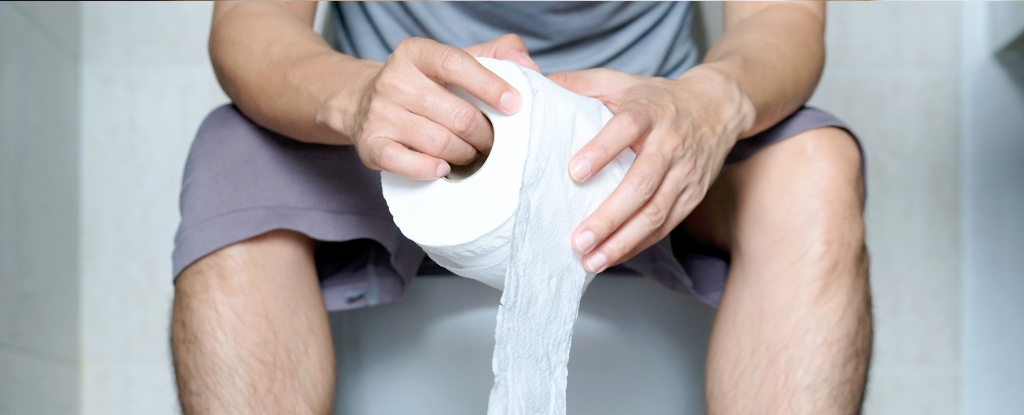
What Your Poop Schedule Reveals About Your Health

A study in Cell Reports Medicine highlights the importance of regular bowel movements for overall health, linking optimal outcomes to passing stools once or twice daily. Irregular bowel habits, such as constipation and diarrhea, are associated with increased levels of harmful toxins and potential health risks, including kidney burden and liver damage. The research emphasizes the benefits of a plant-rich diet, hydration, and physical activity in maintaining healthy bowel frequency. Further studies are suggested to explore bowel management's role in disease prevention.


health1 year ago

Unveiling the Impact of Beer on Diet Quality

A recent study suggests beer drinkers have lower diet quality and are less active compared to wine or liquor drinkers, but the findings are based on limited data and may not establish cause and effect. The study, using NHANES data, found beer drinkers scored lower on the Healthy Eating Index, but the overall diet quality of all groups was below recommended levels. The study highlights demographic differences among drinkers and suggests lifestyle recommendations, but these may not address underlying socioeconomic factors affecting nutrition.

health-and-wellness2 years ago

"Research Links Regular Exercise to Lower Cancer Risk"

A new study led by exercise scientist Lee Jones at Memorial Sloan Kettering Cancer Center suggests that regular exercise may lower the risk of developing certain types of cancer, particularly of the head, neck, and lungs, and could also contribute to longer survival after a cancer diagnosis. The research, which analyzed data from the Prostate, Lung, Colorectal and Ovarian (PLCO) Cancer Screening study, indicates that while exercise may not reduce the risk for all cancer types, it is associated with a general survival benefit. The findings support the idea that exercise should be part of cancer prevention strategies, although more research is needed to understand the specific biological effects of exercise on cancer risk and survival.

health2 years ago

"Study Links Any Alcohol Consumption to Higher Cancer Risk, Advocates Abstinence"

A study published in the New England Journal of Medicine indicates that even one alcoholic drink per week can increase the risk of several types of cancer, including those not related to the liver. Dr. Mike Cusnir of Mount Sinai Hospital in Miami Beach highlights that complete abstinence from alcohol can revert the risk back to baseline levels for non-drinkers. The study identifies seven cancers directly linked to alcohol consumption and suggests that stopping alcohol intake can significantly reduce the risk of oral cancer after five to nine years. This challenges the previous notion that moderate alcohol consumption could be beneficial for heart health.

health2 years ago

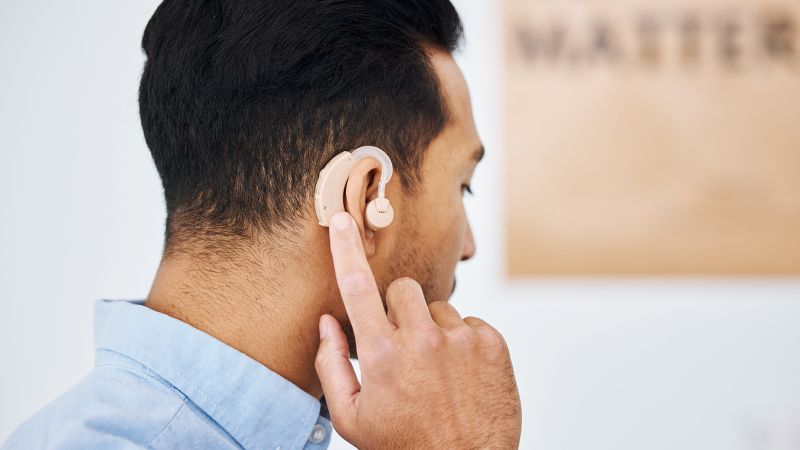
"Hearing Aids Linked to Longer Life and Lower Early Death Risk, Studies Indicate"

A recent study published in The Lancet Healthy Longevity journal suggests that using hearing aids can lead to a 24% decrease in the risk of early death for those with hearing loss. The research, which followed over 10,000 individuals, indicates that regular use of hearing aids is associated with a significantly lower mortality risk, independent of other factors such as age, ethnicity, or medical history. The findings highlight the importance of addressing hearing loss not only for immediate health benefits but also as a strategy for enhancing overall longevity. Despite the potential benefits, only a small fraction of those who could benefit from hearing aids actually use them. The study encourages proactive health management, including the use of hearing aids, to improve quality of life and potentially extend lifespan.

health-and-fitness2 years ago

"Speed Up Your Walk to Slash Type 2 Diabetes Risk, Say Experts"

A study published in the British Journal of Sports Medicine reveals that walking at a brisk pace can significantly lower the risk of type 2 diabetes compared to walking at a casual pace. Brisk walking (3-4 mph) is associated with a 24% lower risk, while striding (over 4 mph) is linked to a 39% lower risk. Additionally, walking for 15 minutes a day can boost immunity and reduce cravings, and 7,000 daily steps can cut the risk of cardiovascular disease by more than half. Walking after meals is particularly beneficial for heart health and blood glucose regulation.

health2 years ago

"Study Suggests 'Good' Cholesterol May Increase Dementia Risk by 42%"

A new study from Monash University has found a link between high levels of 'good' cholesterol (HDL-C) and an increased risk of dementia in older adults, with those over 75 facing up to a 42% higher risk. The research analyzed data from 18,668 adults over 65 from Australia and the US and found that high HDL-C levels were associated with a 27% increased risk of dementia on average. While HDL-C is known for its cardiovascular benefits, this study suggests the need for further research to understand its role in brain health and dementia risk. The findings could influence future dementia prediction models and preventative strategies.

health2 years ago

"Lifestyle Factors Including Alcohol Use and Social Habits Linked to Rising Early-Onset Dementia Risk"

A new study published in JAMA Neurology identifies 15 risk factors for young-onset dementia, including lifestyle choices and health conditions such as loneliness, vitamin D deficiency, and alcohol abuse disorder. The research, which followed over 350,000 UK Biobank participants under 65, suggests that many of these risks are modifiable, offering potential for prevention strategies. The study highlights the importance of staying physically, mentally, and socially active and managing health conditions to potentially delay or prevent dementia.

health2 years ago

"Study Links Elevated 'Good Cholesterol' to Increased Dementia Risk"

A recent study published in the Lancet Regional Health - Western Pacific has found that very high levels of 'good cholesterol' or high-density lipoprotein (HDL) can increase the risk of dementia by 42% in individuals aged 65 and over. This finding challenges the traditional view that high HDL levels are solely beneficial, particularly for cardiovascular health. The study tracked 18,668 participants over six years, with 850 developing cognitive dementia. The increased risk was independent of other known dementia risk factors, and further research is needed to understand the underlying reasons for this association.

health-and-medicine2 years ago

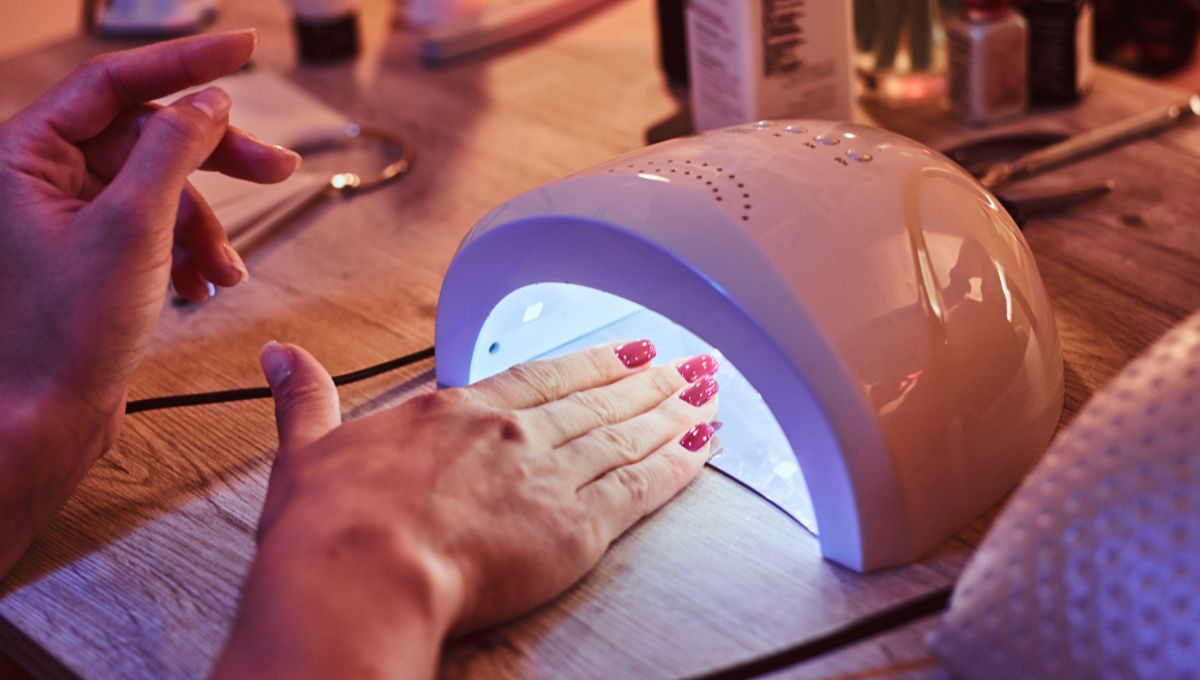
"The Hidden Risks of UV Nail Dryers on Hand DNA"

Recent research indicates that UV nail polish dryers, commonly used in beauty salons to cure gel manicures, may cause DNA damage and mutations in human cells, which could potentially lead to cancer. The study found that exposure to the UV light from these devices resulted in significant cell death and DNA damage that was not always repaired, raising concerns about the safety of their frequent use. While the study does not directly prove an increased cancer risk, it suggests the need for long-term epidemiological studies to fully assess the potential health implications. The findings are published in Nature Communications.