Carrots are a nutritious addition to the winter diet, offering numerous health benefits. They are rich in vitamins A, C, and K, as well as fiber and antioxidants, which can boost immunity, improve vision, and support skin health. Consuming carrots in the winter can help maintain overall well-being and protect against seasonal illnesses.
Consuming one carrot daily offers numerous health benefits, including improved vision, enhanced skin health, and boosted immunity due to its rich content of vitamins and antioxidants.
Watercress has been ranked as the most nutrient-dense vegetable by the CDC, scoring a perfect 100 in their "powerhouse" fruits and vegetables list. It is rich in vitamins K, A, C, and B, as well as minerals like magnesium, calcium, and potassium, offering numerous health benefits such as supporting bone, heart, and skin health, reducing cancer risk, and aiding in detoxification. Other top-ranking vegetables include Chinese cabbage, chard, beet greens, and spinach.
Shah Rukh Khan announced he has quit smoking at age 59, highlighting that it's never too late to stop smoking and experience health benefits. Despite still feeling breathless, his decision underscores the importance of quitting regardless of age, as doctors affirm improvements can be felt even later in life. The announcement also raises awareness about the body's healing process and the realistic expectations for health improvements when quitting smoking at an older age.
Eating one guava daily can offer numerous health benefits, including improved digestion, enhanced immunity, better skin health, and reduced risk of chronic diseases due to its rich content of vitamins, antioxidants, and dietary fiber.
Despite their bad reputation, foods like potatoes, eggs, coffee, butter, cheese, whole milk, nuts, chocolate, and fatty fish have proven health benefits and can be part of a balanced diet when consumed in moderation. These foods contain essential nutrients, antioxidants, and healthy fats that can support heart health, brain function, and overall well-being. It's important to approach dietary choices with mindfulness and moderation, focusing on whole, minimally-processed foods and listening to your body's hunger cues.
A six-minute ab workout routine featuring six bodyweight exercises is recommended for strengthening the core and sculpting abs. The routine includes plank reaches, reverse crunch pulses, mountain climbers with a pause, balanced knee tucks, plank jacks, and hollow flutter kicks, with 50 seconds dedicated to each exercise and 10 seconds of rest in between. The workout, suggested by fitness coaches, emphasizes proper form and can be repeated for additional rounds. Engaging in consistent ab workouts not only contributes to visible muscle definition but also enhances stability, posture, and overall core strength, offering various health benefits beyond aesthetics.
Canola oil is not toxic and is a safe choice for cooking, offering a neutral flavor and high smoke point. It is low in erucic acid, unlike industrial rapeseed oil, and contains a healthy balance of omega-6 and omega-3 fatty acids, as well as monounsaturated fats that support heart health. While it is a highly processed oil, concerns about GMOs, processing, and omega-6 content are largely unfounded, as systematic reviews have not found a significant link to inflammation. Canola oil also provides vitamin E and K and may improve blood sugar and cholesterol levels when replacing saturated fats. However, it's recommended to use a variety of oils in cooking to ensure nutrient variety and limit exposure to any potential downsides of a single oil type.
Black tea, a popular beverage, offers several health benefits due to its polyphenol content, particularly flavonoids and theaflavins, which have antioxidant properties. Regular consumption may lower mortality, protect against certain cancers, improve gut health, and reduce cardiovascular disease risk. Black tea contains about 47 milligrams of caffeine per cup, which is less than coffee but can still provide an energy boost for those sensitive to caffeine. While some studies show mixed results on black tea's ability to reduce "bad" cholesterol, it is generally considered a healthy choice for those looking to increase hydration and intake of antioxidants.
Health experts suggest that while the common goal of 10,000 steps a day can be beneficial, recent studies indicate that walking at least 7,000 steps daily is enough to significantly reduce the risk of mortality. This more attainable target can help with weight control and improve mental health without the need for a gym membership. To maintain an active lifestyle during colder months, experts recommend simple strategies such as taking calls while walking, short walks every hour, and choosing stairs over elevators. Consistency in being active is more important than strictly meeting step count goals.
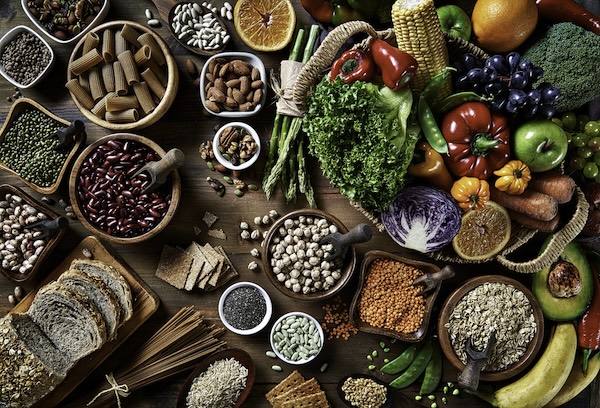
Dietary fiber is an essential nutrient with numerous health benefits, including aiding in weight loss, regulating blood sugar, promoting regular bowel movements, supporting heart health, and fostering a healthy gut microbiome. There are two types of fiber: soluble and insoluble, each with unique benefits. Adults should aim for 25 to 38 grams of fiber daily, but most Americans fall short, averaging around 16 grams per day. To increase fiber intake, one should consume more fruits, vegetables, whole grains, nuts, seeds, and beans, and consider fiber supplements if necessary. However, it's important not to overdo it, as excessive fiber can lead to discomfort and doesn't contribute to muscle glycogen synthesis.
A study from Keck Medicine of USC published in The Lancet Healthy Longevity found that regular use of hearing aids among adults with hearing loss is associated with a 24% lower risk of mortality. This extensive analysis, which is the most comprehensive to date in the U.S., used data from over 10,000 adults and suggests that hearing aids may offer protective health benefits beyond improving hearing, potentially reducing risks of depression and dementia. Despite these findings, only one in ten Americans who need hearing aids actually use them, often due to cost, stigma, and difficulty finding suitable devices.
TRICARE is providing comprehensive support for individuals looking to quit tobacco, including coverage for prescription drugs, over-the-counter nicotine replacement products, and tobacco cessation counseling. These services are available at no cost through TRICARE Pharmacy Home Delivery or military pharmacies, with eligibility criteria for different groups, including active duty service members and their families. Additional resources such as the YouCanQuit2 program offer coaching and support to help with creating a personalized quit plan.
A journalist shared their experience of taking a one-minute cold shower daily for a year, following advice that it could provide health benefits like increased energy, focus, and improved mood due to adrenaline and dopamine release. While the health benefits are debated, the practice is considered safe and potentially beneficial, with recommendations for cold exposure varying from 11 minutes per week to daily showers. The journalist plans to continue the routine in 2024, finding it a valuable moment of mindfulness and stress relief.
Walking for 30 minutes daily offers a multitude of health benefits, including weight management, improved cardiovascular health, enhanced mental well-being, better bone and joint health, improved digestion, stronger immune function, diabetes management, increased energy levels, improved cognitive function, and potentially a longer lifespan. It helps in weight loss by burning calories, increasing metabolism, and regulating appetite. Walking also benefits mental health by enhancing mood, reducing stress, promoting mindfulness, improving cognitive function, boosting self-esteem, encouraging social interaction, and aiding in sleep quality. The number of calories burned during walking varies based on individual factors, but estimates for a 155-pound adult range from 105 to 220 calories for a 30-minute walk, depending on speed. Walking strengthens multiple muscle groups, particularly in the legs, core, and hips.