The US government released 2026 Medicare plan quality ratings, with CVS Health's Aetna, UnitedHealth, Elevance, and Humana having significant portions of their plans rated four or five stars, impacting insurer payments and highlighting ongoing improvements in healthcare quality and coverage.
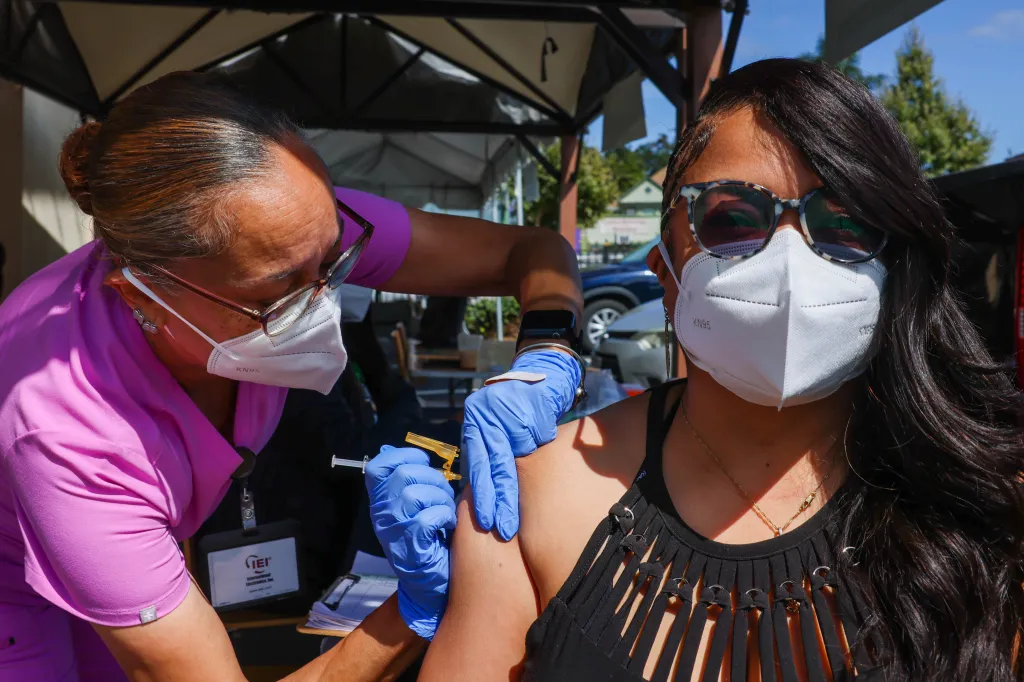
California and major health insurers are proactively continuing to cover COVID-19 vaccines through 2026, despite the CDC considering changing its recommendations, ensuring broader access and aligning with scientific guidance from medical groups.
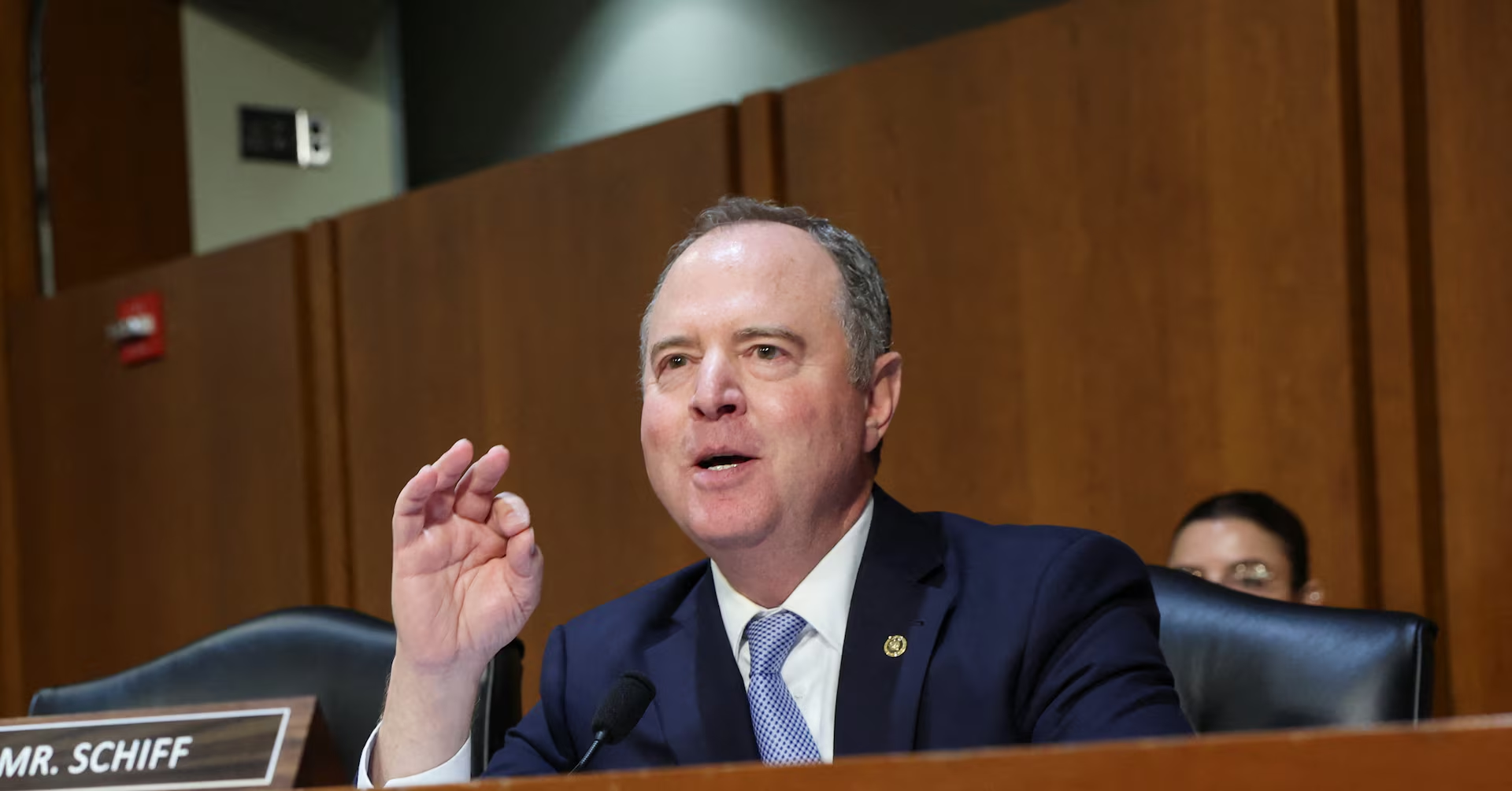
U.S. Senator Adam Schiff urged major health insurers to commit to covering routine vaccines, including COVID-19, without out-of-pocket costs, amid concerns over recent changes in vaccine recommendations by the CDC and the replacement of vaccine committee members by the Biden administration. The committee is set to review vaccine guidelines, and insurers have stated they will continue coverage through 2026.
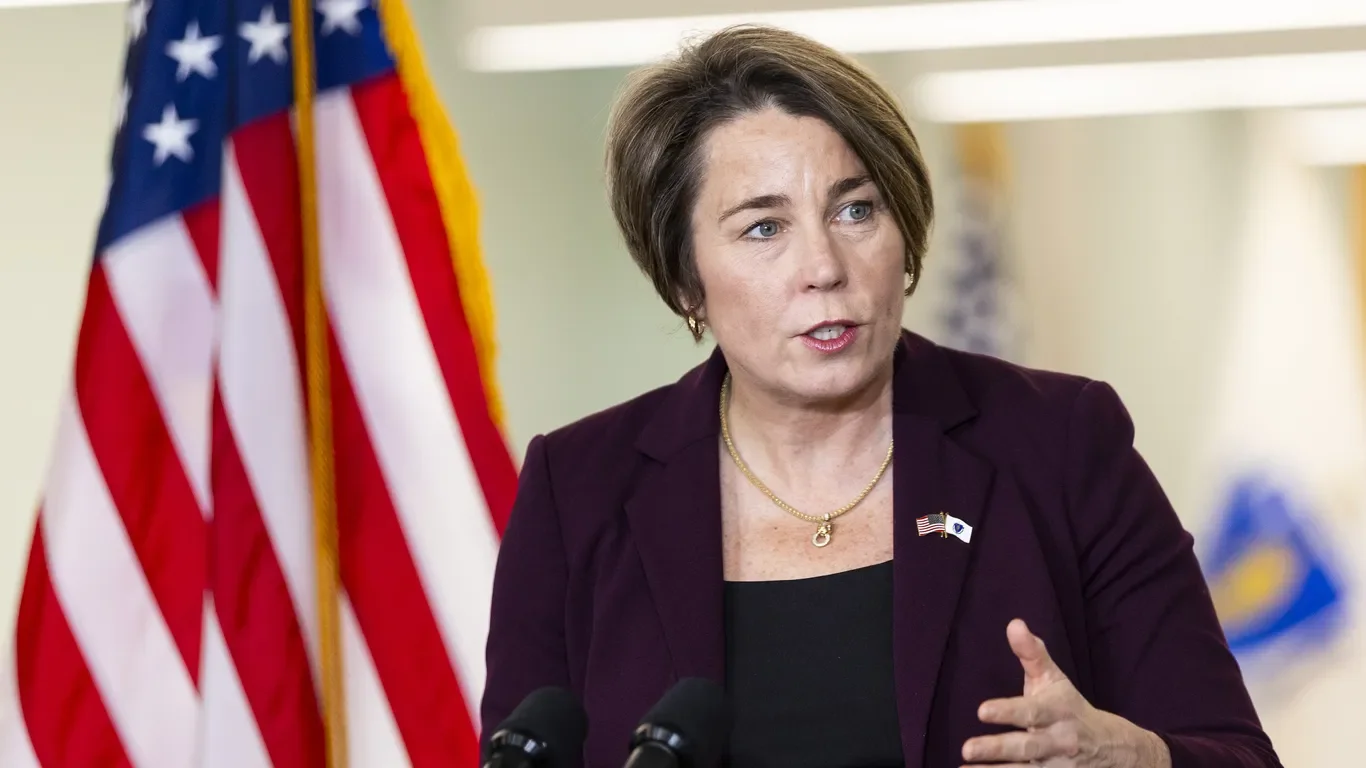
Massachusetts has become the first state to require health insurers to cover vaccines recommended by the state's public health department, regardless of federal mandates, supporting state-led vaccine policy independence and expanding vaccine access.
Stocks declined today, pressured by a -5% drop in Netflix due to lower forecasted margins and weakness in health insurers following legal and credit downgrades. Despite early gains driven by strong housing data and positive consumer sentiment, overall market sentiment was cautious with falling bond yields and expectations of a Fed rate cut supporting stocks.
Major health insurers like UnitedHealthcare and CVS Health's Aetna plan to reduce and standardize prior authorization processes to decrease care delays and complaints, aiming to speed up responses and improve patient access to necessary treatments.
U.S. stock futures are slightly down amid geopolitical tensions following the U.S. attack on Iran, while Tesla launches its robotaxi service, Northern Trust's shares rise on merger talks, Stellantis faces leadership changes and stock decline, and major insurers plan to streamline prior authorization processes.
Major U.S. health insurers including UnitedHealthcare, CVS, Cigna, and others have agreed to streamline and speed up the prior authorization process to reduce delays and administrative burdens, benefiting over 250 million Americans and aiming for real-time approvals by 2027.
Health insurers, covering 257 million people, have committed to streamlining and simplifying the preapproval (prior authorization) process to improve access to care, reduce delays, and increase transparency, with a goal to implement changes by January 2027.
The article discusses the potential impacts of President Trump's proposed tax bill on various industries, highlighting benefits for defense contractors and domestic producers, while noting declines in renewable energy, health insurers, and housing sectors due to funding cuts and higher interest rates. The bill is expected to increase the US debt and influence stock market performance, with mixed effects across sectors.
Shares of companies owning pharmacy benefit managers, including UnitedHealth, CVS Health, and Cigna, fell after a bipartisan bill was introduced to force health insurers or drug middlemen to divest their pharmacy businesses. The bill, backed by Senators Elizabeth Warren and Josh Hawley, aims to address conflicts of interest and reduce drug costs by separating pharmacy operations from health insurers. The legislation has caused significant market reactions, though its future remains uncertain.
Shares of U.S. health insurers, including CVS Health, UnitedHealth Group, Elevance Health, Centene, and Humana, fell after the Biden administration announced that government payments to Medicare Advantage plans are expected to rise 3.7% year over year, effectively a 0.16% decline after stripping out certain assumptions. This disappointment puts pressure on insurers already grappling with high medical costs and uncertainty around claims processing after the cyberattack on UnitedHealth Group's tech unit, dealing a blow to Medicare Advantage businesses, which have long driven growth and profits for the insurance industry.
Health insurers like UnitedHealth and Humana saw their stocks tumble after the Biden Administration announced that final Medicare Advantage rates in 2025 won't change from initial plans in January, with UnitedHealth and Humana being the largest Medicare Advantage players. Other insurers like CVS Health and Cigna also retreated, as the Centers for Medicare and Medicaid Services revealed that private Medicare Advantage rates will increase an average 3.7% in 2025, impacting various players in the market.
Analysts predict that the healthcare sector will continue its momentum into 2024, with beaten-down biotech and medical device makers rebounding. However, the sector faces challenges such as drug price negotiations and increased regulatory focus on drug prices. The political calendar, including the upcoming presidential election, could impact the sector's performance. Health insurers' pharmacy benefits management divisions are under regulatory pressure, but improving fundamentals are expected for health insurers next year. Medical device makers may see a rebound as concerns about the impact of obesity medications on demand for devices subside. The biotech sector has recovered from losses and is expected to benefit from cash flows from GLP-1 drugmakers. Life science tools companies may also see improvement as interest rates stabilize.
U.S. health insurer Cigna is reportedly in talks to merge with peer Humana in a deal that could exceed $60 billion in value. The potential merger, if finalized, would attract intense antitrust scrutiny. Cigna and Humana currently have limited business overlap, with their focus primarily on Medicare plans for older Americans. A merger would give the combined company more scale to compete with larger health insurance players like UnitedHealth Group and CVS Health. However, limited synergies between the two companies and concerns about overpayment and debt have led to investor skepticism. Cigna's shares fell 8.1% and Humana's shares dropped 5.5% following the news.