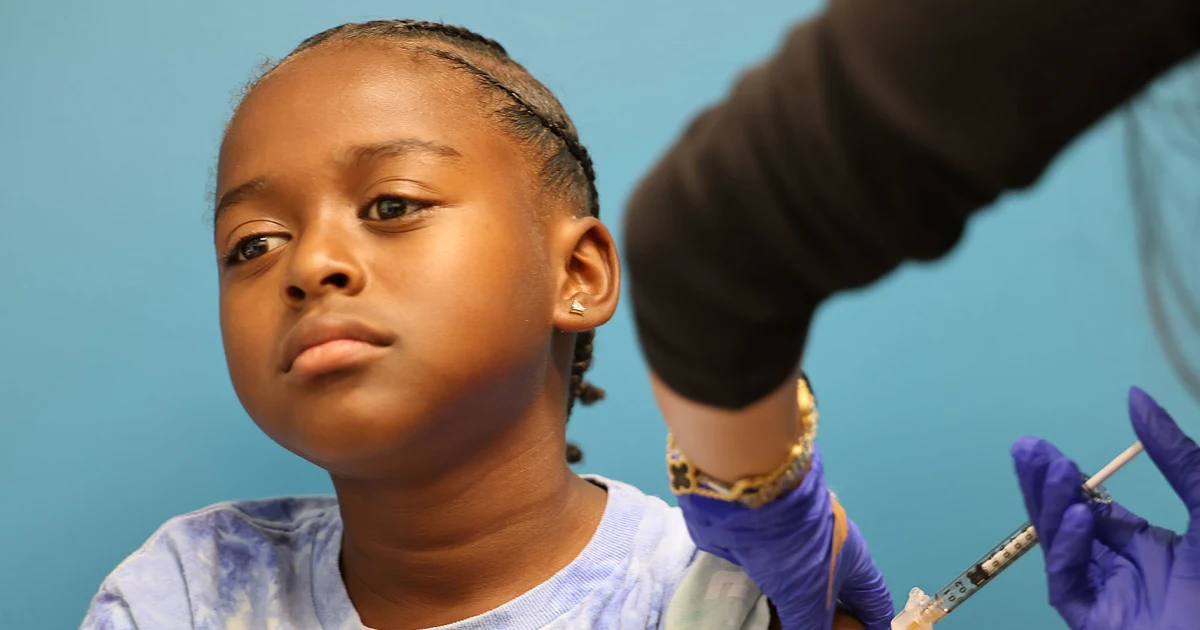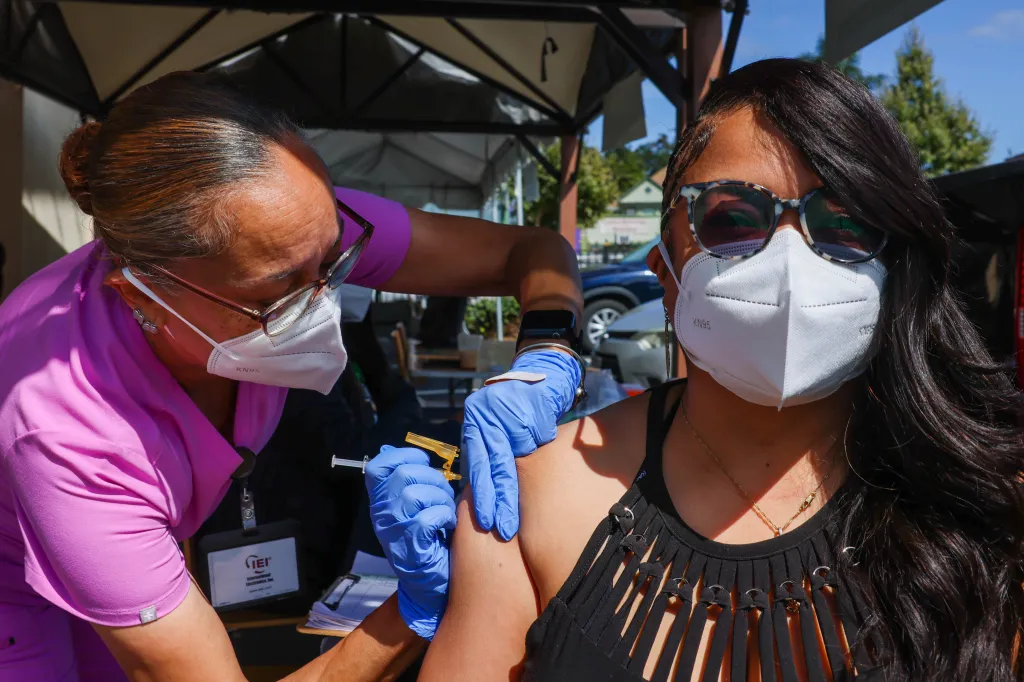
The article discusses how people are finding ways to get Covid vaccines despite new eligibility restrictions, with adults often stretching criteria and vaccines for children being harder to access due to supply and age restrictions, though many health experts and organizations continue to support vaccination for all eligible children and adults.
California and major health insurers are proactively continuing to cover COVID-19 vaccines through 2026, despite the CDC considering changing its recommendations, ensuring broader access and aligning with scientific guidance from medical groups.
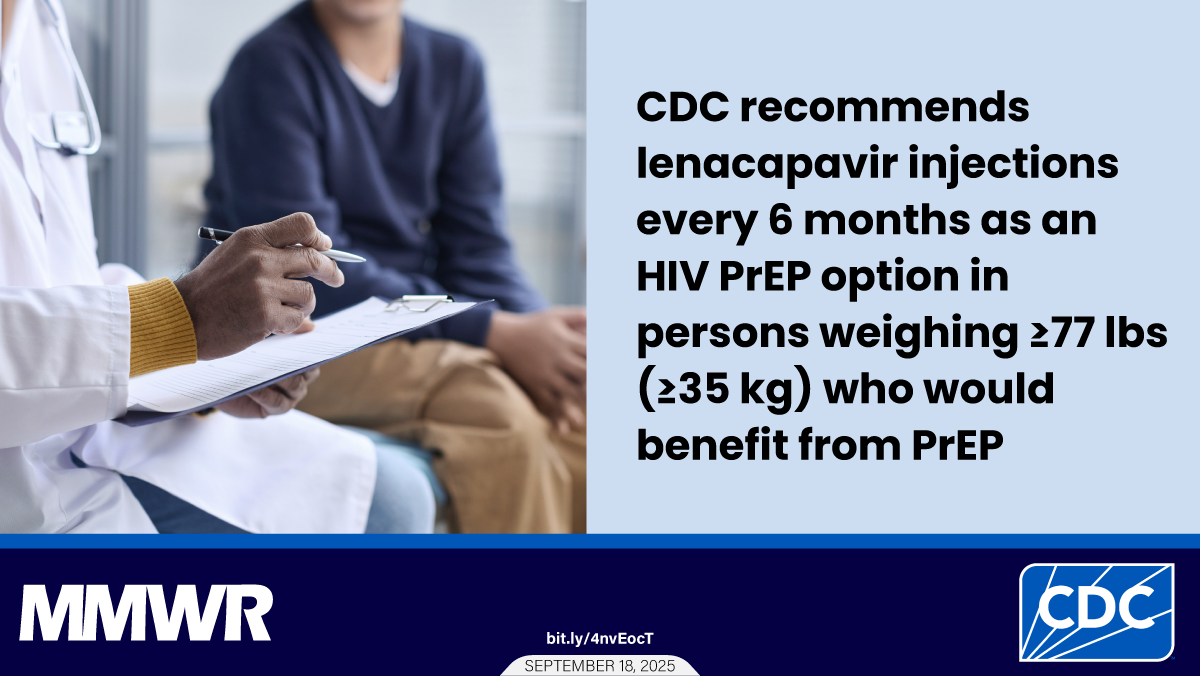
The CDC strongly recommends the use of injectable lenacapavir, administered every 6 months, as an effective and safe option for HIV preexposure prophylaxis in persons weighing at least 35 kg, based on high-certainty evidence from clinical trials showing near 100% efficacy in preventing HIV infection.
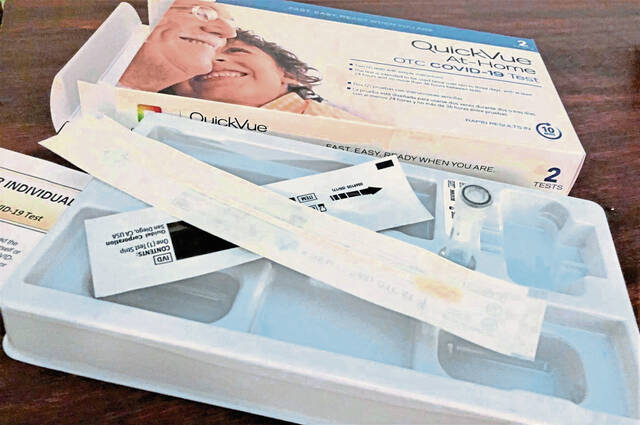
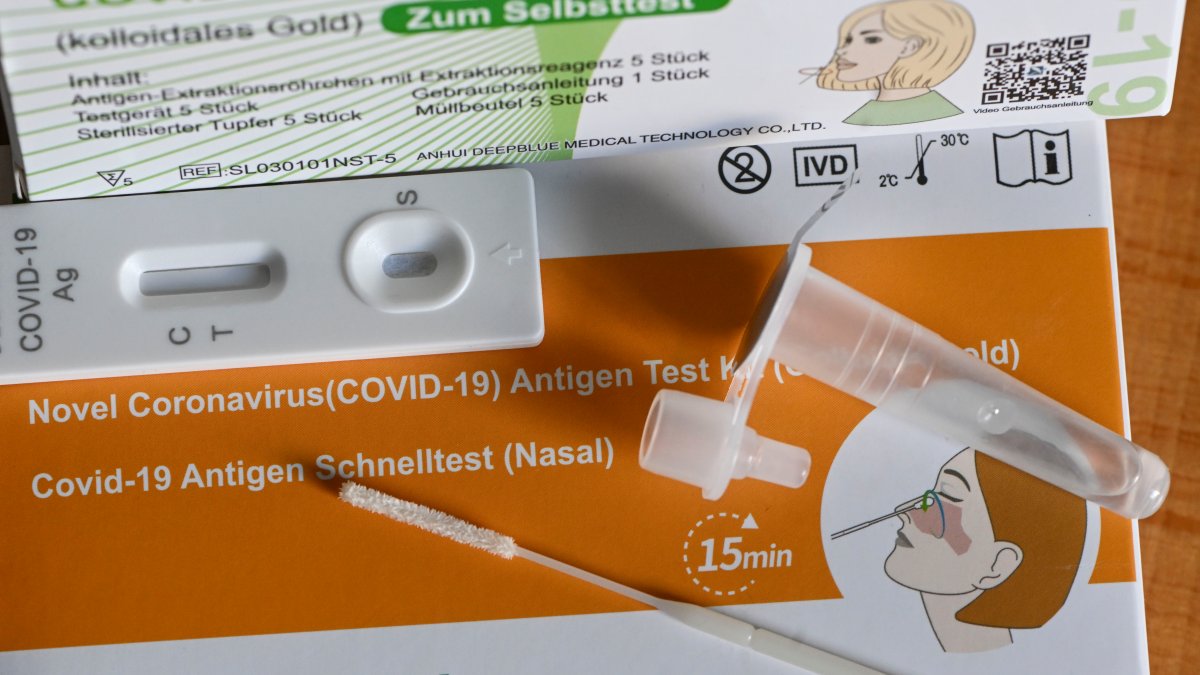
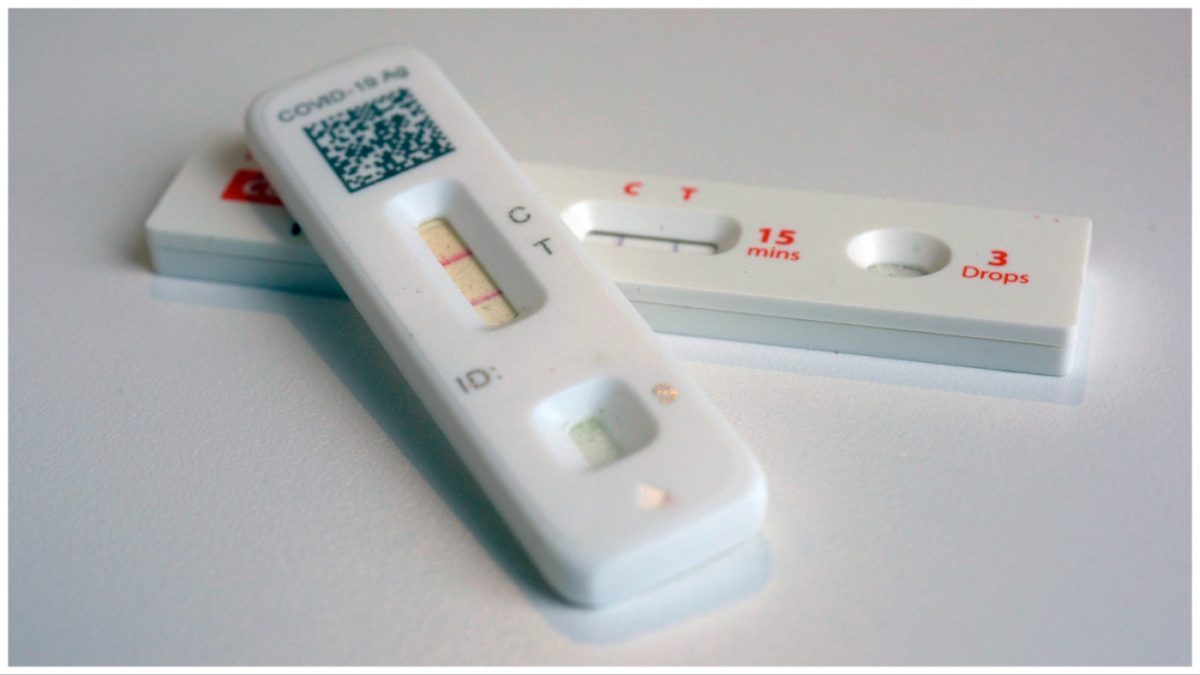
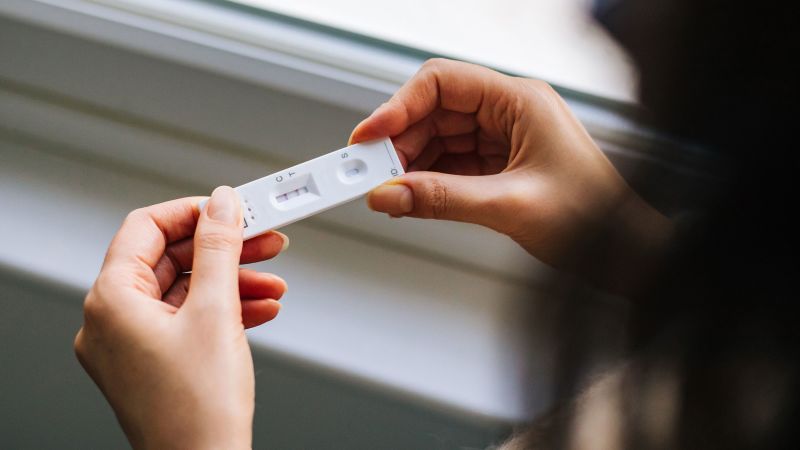
As COVID-19 cases rise in Western Pennsylvania, local doctors advise taking a COVID test if experiencing symptoms like fever, cough, or sore throat. Despite lower numbers compared to the pandemic's peak, cases in Allegheny County have increased since June. The CDC's updated guidelines allow return to work or school after being fever-free for 24 hours and recommend masking for five days. Home tests are useful but may require multiple tests for accuracy. Vaccination remains crucial to reduce severe infections and deaths, with updated vaccines expected this fall.
The CDC has updated its COVID-19 guidelines, removing the five-day isolation requirement. People can return to normal activities if their symptoms are mild and improving, and they have been fever-free for 24 hours. Additional precautions like wearing masks and maintaining distance are recommended for five more days. The CDC emphasizes vaccination, good hygiene, and improving air quality to prevent infections.
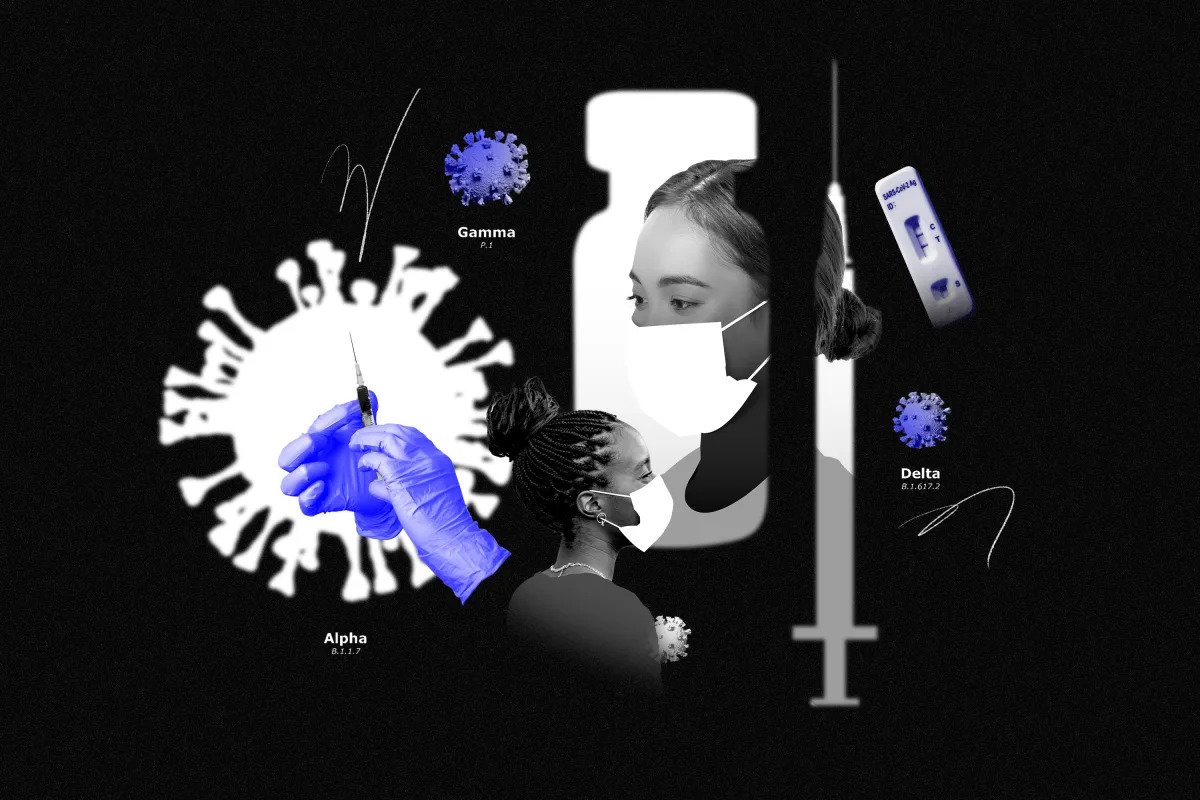
California is seeing a rise in COVID-19 cases due to new FLiRT subvariants, KP.2, KP.3, and KP.1, which have overtaken the previous dominant variant. KP.2 is now the most prevalent in the U.S. Experts suggest a potential summer surge, but current CDC data shows minimal cases. Vaccination remains crucial, especially for high-risk groups, and COVID tests can detect these new strains. Health officials recommend continued precautions like mask-wearing and seeking medical treatment if infected.
The government's free COVID-19 test kit program through USPS is ending today, with over 1.8 billion tests distributed. While the program may restart in the future, orders must be placed by today to be honored. Despite this, COVID-19 tests can still be purchased online, and various stores like Amazon, Walmart, Target, CVS, and Walgreens offer them for delivery. The end of the program comes after the CDC announced new guidelines for isolating with COVID-19 or other respiratory illnesses.
Three COVID experts criticize the CDC's shortened isolation guidelines, arguing that the contagious period for COVID is variable and may extend beyond five days. They warn that reducing isolation periods could lead to increased viral transmission and long-term health consequences, advocating for extended isolation and thorough testing before resuming normal activities. They emphasize the potential risks of long COVID, including a range of chronic conditions, and urge caution in relaxing public health measures without a full understanding of the virus's long-term effects.
San Francisco's implementation of DoxyPEP, a single-dose antibiotic for STI prevention, has led to a 58% decrease in STIs among gay men and trans women. The CDC has approved the treatment, and real-world results align with trial data, showing promising outcomes in reducing STI rates. However, its effectiveness in reducing gonorrhea and chlamydia levels needs further research. The new tool is seen as an exciting addition to existing STI prevention strategies.
The CDC has updated its isolation guidelines, now recommending that individuals with COVID-19 only need to isolate until they are fever-free for 24 hours without medication. Free at-home COVID tests will no longer be available after March 8, but schools can still order them. New vaccines targeting the XBB.1.5 Omicron strain are expected in the fall, and booster shots are recommended for adults 65 and older. The dominant COVID variant in the U.S. is JN.1, and cases and hospitalizations are currently decreasing. Masking is now a personal choice, but the CDC advises considering hospital admission levels in your area and other risk factors when deciding whether to wear a mask.
San Antonio doctors urge continued precautions against respiratory viruses as positive cases have peaked in the area and across the country, despite a potential decline as spring approaches. The CDC's updated guidelines no longer require isolation for mild COVID-19 cases, but doctors emphasize the importance of ongoing safety practices such as handwashing and staying home when sick to mitigate the risk of respiratory illnesses.
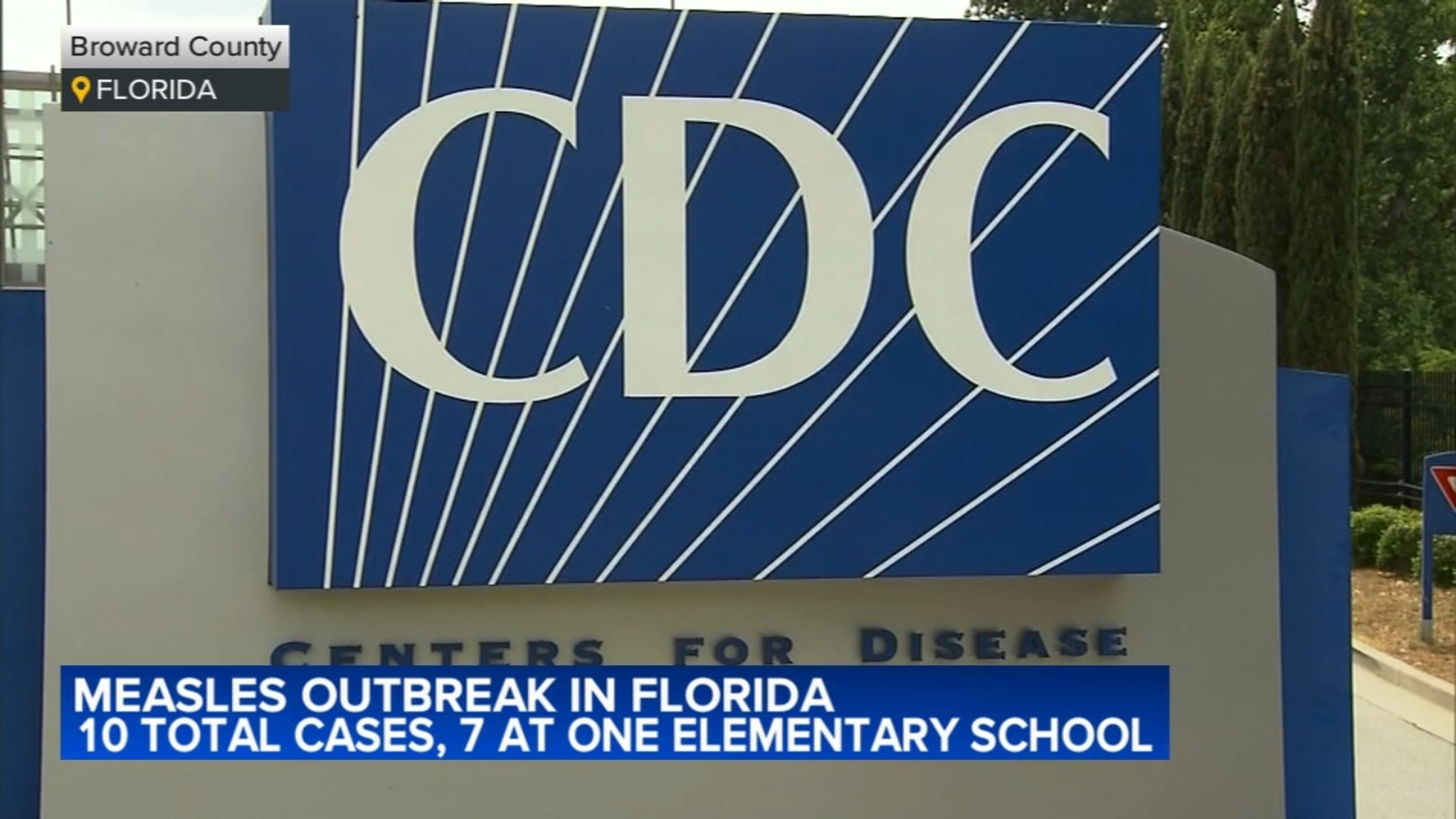
A Florida elementary school has reported seven cases of measles, prompting concern among parents and calls for the removal of the state Surgeon General, who allowed unvaccinated children to attend school despite CDC guidelines. Democratic Rep. Debbie Wasserman-Schultz criticized the Surgeon General's decision, while Dr. Mary Jo Trepka emphasized the seriousness of measles and the importance of vaccination. The school district revealed that 33 students at the elementary school remain unvaccinated, and efforts to reach the Surgeon General's office and Governor DeSantis have been unsuccessful.
Florida's surgeon general, Dr. Joseph Ladapo, has drawn criticism for allowing unvaccinated students to attend school during a measles outbreak at Manatee Bay Elementary School near Fort Lauderdale, despite federal guidelines calling for their mandatory exclusion. The controversial decision contradicts CDC recommendations and has sparked criticism from doctors and the American Academy of Pediatrics, who argue that unvaccinated children attending school during an outbreak endangers not only themselves but also others with compromised immune systems. The state's stance on allowing unvaccinated students to attend school during the outbreak has raised concerns about public health and safety.
After testing positive for Covid-19, a CNN editor shares their experience and emphasizes the importance of having a plan in the event of infection. Dr. Leana Wen advises that getting vaccinated reduces the risk of severe illness and recommends seeking antiviral treatments for high-risk individuals. She also provides guidance on testing, isolation, and precautions for those who test positive for Covid-19, emphasizing the need to protect oneself and others from the virus.
California and Oregon have become the first states to diverge from the CDC's COVID-19 isolation guidelines, allowing infected individuals to return to public life sooner if they are not showing symptoms. Both states no longer require a specified isolation period after testing positive, with symptomatic individuals needing to be fever-free for 24 hours before returning to work or school. The CDC still recommends at least five days of isolation for those testing positive, with additional precautions for different symptom severities and risk factors.