Reinsurers have increased profits by reducing coverage and raising premiums amid rising natural disasters and climate change, with industry forecasts indicating continued strong profitability until at least 2027 despite lower reinsurance prices and increased investment from private capital and hedge funds.

Aspen Insurance Holdings (AHL) saw its shares jump 14% after Japan’s Sompo Group agreed to acquire it for $3.5 billion, aiming to expand its global insurance footprint. The deal, valued at a 35.6% premium, is expected to close by mid-2024 and will integrate Aspen’s specialty insurance operations with Sompo’s overseas business, reflecting Japanese firms' interest in Western markets amid domestic growth challenges. Aspen, recently reporting strong Q2 results, is rated a Moderate Buy with an expected 8.5% upside.
Adriana Gallardo, a successful Latina entrepreneur and insurance mogul known for her ubiquitous billboards, is engaged in a rivalry with her sister Veronica, who also runs an insurance business in LA. Both sisters built their empires from humble beginnings as undocumented immigrants, and their story highlights their competitive yet familial relationship, as well as their impact on the Latino community and the insurance market in Southern California.
Health insurers, covering 257 million people, have committed to streamlining and simplifying the preapproval (prior authorization) process to improve access to care, reduce delays, and increase transparency, with a goal to implement changes by January 2027.
Aflac disclosed a cybersecurity breach likely caused by the Scattered Spider group, targeting insurance companies across the U.S., potentially exposing sensitive personal and health information. The company responded quickly, confirming no ransomware impact and continuing normal operations, while external experts investigate the incident.
Cybercriminals, likely from the group Scattered Spider, breached Aflac and other US insurance companies, stealing sensitive customer data. The hackers used social engineering tactics, posing as tech support, to infiltrate networks. Aflac quickly stopped the intrusion, but the extent of data stolen remains unclear. This incident highlights the growing threat of cyberattacks on the insurance sector, with experts warning companies to be vigilant against such sophisticated and rapid attacks.
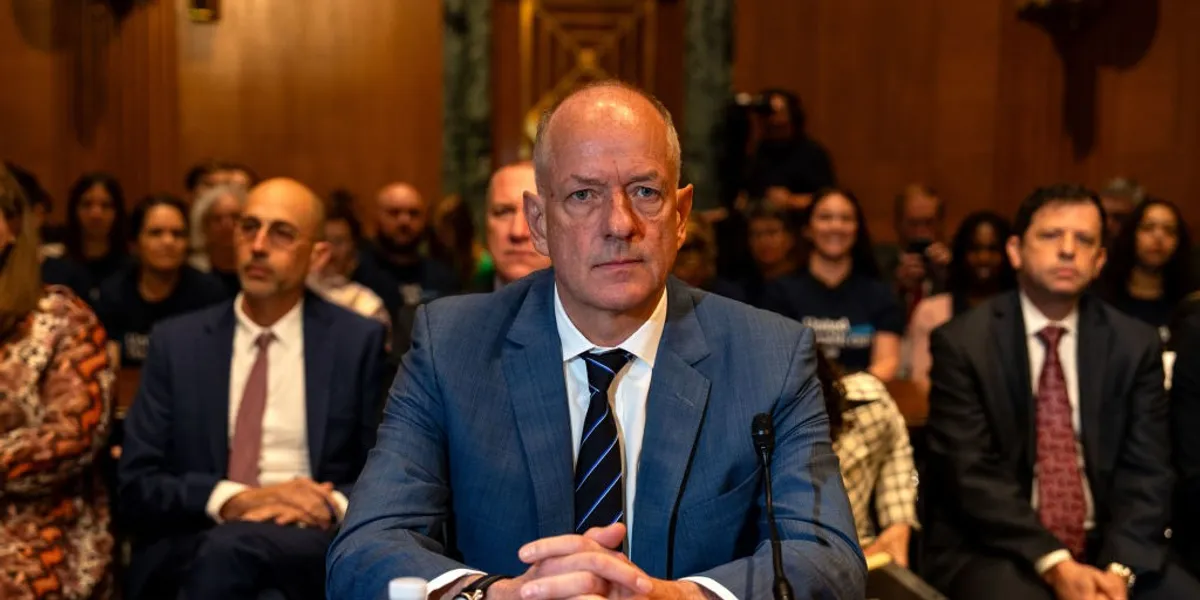
UnitedHealth Group CEO Andrew Witty acknowledged the flaws in the U.S. for-profit healthcare system, admitting it is not ideally designed, amid public outrage following the murder of UnitedHealthcare's CEO. Critics argue that UnitedHealth has profited from and perpetuated the system's issues, opposing reforms like Medicare for All. Despite Witty's call for collaboration to improve care and reduce costs, his company's history of resisting public health alternatives and lobbying against reforms casts doubt on his commitment to meaningful change.
UnitedHealth Group CEO Andrew Witty has called for reforms in the U.S. healthcare system following the public killing of UnitedHealthcare CEO Brian Thompson. In a New York Times op-ed, Witty acknowledged the system's inefficiencies and expressed willingness to collaborate on improving care quality and reducing costs. The murder has sparked a national debate and social media backlash against health insurers, highlighting public frustration with the industry. Witty emphasized the need for safety and support for employees amid the vitriol directed at the company.
The recent shooting of UnitedHealthcare CEO Brian Thompson has sparked widespread criticism of the insurance industry, highlighting issues of corporate greed and denied claims. While many have condemned the violence, the incident has also intensified public scrutiny and dissatisfaction with corporate practices in the healthcare sector.
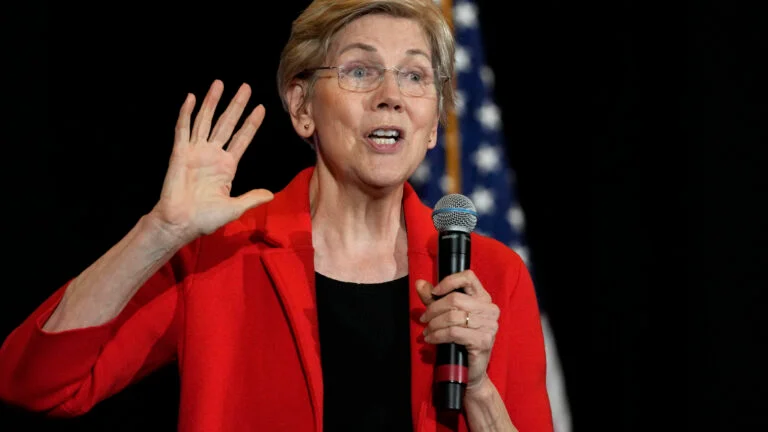
Senator Elizabeth Warren commented on the killing of UnitedHealthcare CEO Brian Thompson, acknowledging the public's anger towards the health insurance industry while condemning violence. Warren emphasized that people can only be pushed so far before losing faith in governmental and healthcare systems, potentially leading to dangerous actions. The alleged shooter, Luigi Mangione, reportedly harbored resentment towards corporate greed. Warren's remarks sparked criticism, prompting her to reiterate that violence is never justified, though she criticized the broken healthcare system.
Investigators are probing the motive behind the murder of UnitedHealthcare CEO Brian Thompson, allegedly by Luigi Mangione, who is resisting extradition from Pennsylvania to New York. Mangione's lawyer denies his involvement, and he plans to plead not guilty to charges related to a gun and fake ID found during his arrest. Evidence suggests Mangione, an Ivy League graduate, was driven by anger towards the health insurance industry, viewing the killing as a symbolic act against corporate greed. Authorities found a manifesto and notes detailing plans for the crime.
America's pet insurance industry is rapidly growing but fraught with issues, including high costs, confusing coverage, and frequent claim denials. Many pet owners, like Gina Papini, find the insurance to be more of a financial burden than a benefit, often paying more in premiums than they receive in reimbursements. The industry lacks regulation, making it difficult for consumers to navigate and understand what is covered. While some find value in pet insurance, for many, it ends up being an expensive and frustrating endeavor.
Consumer prices rose 3.5% in March, with auto insurance costs contributing significantly to the increase, soaring 22% from March 2023 and averaging $2,314 per year for full coverage. Factors such as rising vehicle costs, advanced technology, labor shortages, and increased repair demand have led to higher insurance rates. Insurance companies, facing costly claims and losses, have sought and won significant rate increases, with no immediate relief in sight for drivers as the industry aims for stabilization possibly by next year.
Start-ups are challenging the traditional reliance on spreadsheets in the insurance industry, aiming to revolutionize data management and digital transformation. These companies are offering innovative solutions to replace the outdated methods, reflecting a shift towards more efficient and technology-driven processes within the insurance sector.
Home insurance costs are on the rise, causing financial strain for homeowners. The insurance industry is experiencing increased expenses due to climate change-related events and rising construction costs, leading to higher premiums for policyholders. This trend is expected to continue, prompting homeowners to carefully consider their insurance options and budget for potential increases in the future.