Tag

Drugmakers

All articles tagged with #drugmakers

health2 years ago

FDA Warns of Increased Cancer Risk from CAR-T Therapy

The FDA has instructed several drugmakers to include a boxed warning on the prescribing information for CAR-T therapy, a cancer treatment, due to reports of rare blood cancers in patients who had previously received the therapy. Despite the warning, the FDA maintains that the benefits of CAR-T therapy outweigh the potential risks. Drugmakers, including Novartis, Bristol Myers Squibb, Gilead Sciences, and Johnson & Johnson, have been directed to submit proposed label changes within 30 days. While the exact link between CAR-T therapy and cancer is not fully understood, experts believe the risk is likely very small, and the label change is expected to support physicians' discussions with patients about the potential risk of developing secondary cancers following cancer treatment.
health-and-pharmaceuticals2 years ago

"Rising Competition in the Booming Weight Loss Drug Market"

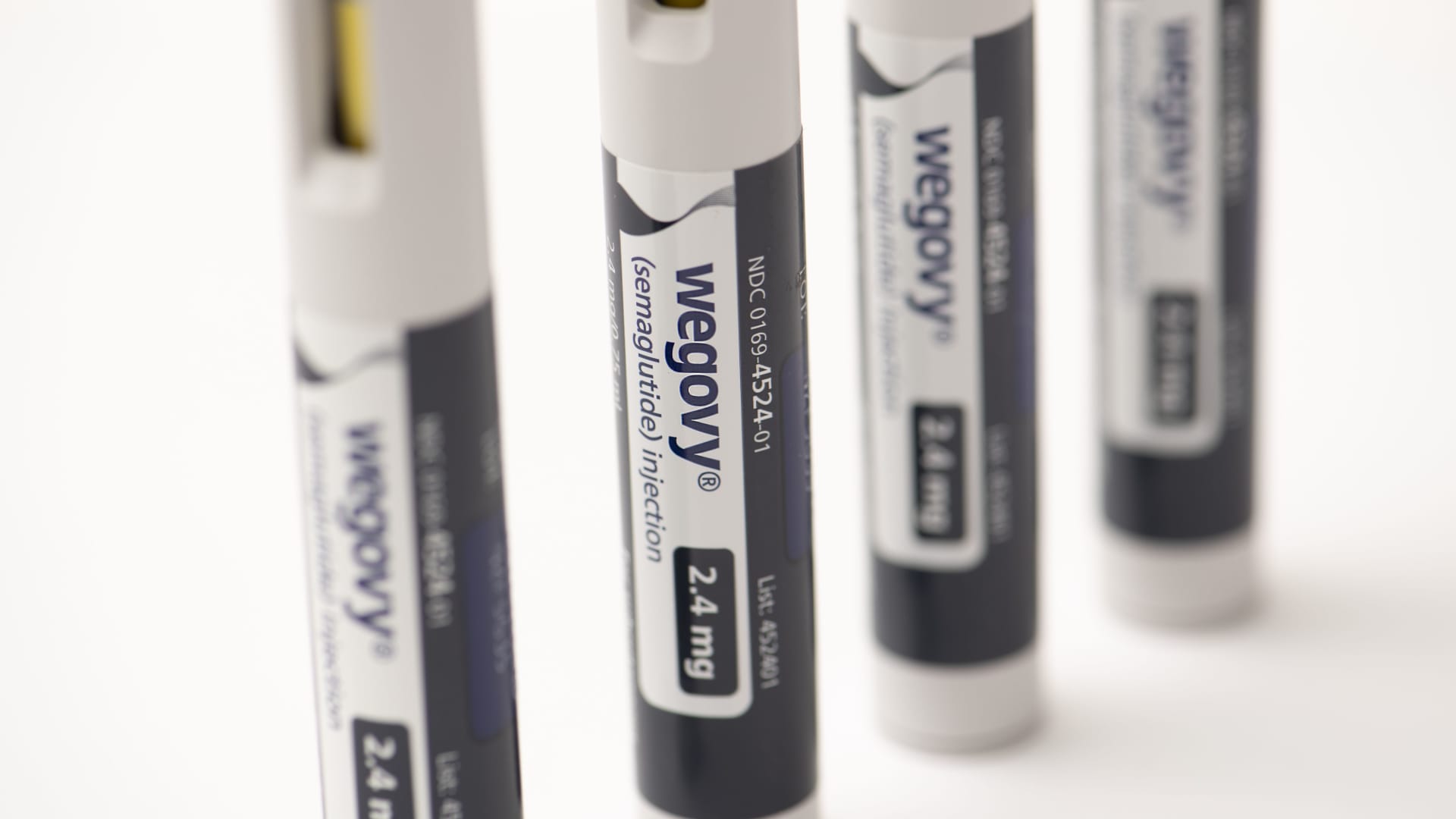
Drugmakers are racing to enter the weight loss drug market, which is expected to be worth tens of billions in the next decade. Companies like Boehringer Ingelheim, Terns Pharmaceuticals, Viking Therapeutics, and Structure Therapeutics are developing weight loss drugs targeting gut hormones like GLP-1 and glucagon. With demand for obesity medications projected to grow, smaller players are aiming to compete with dominant companies like Novo Nordisk and Eli Lilly. Large pharmaceutical companies like Sanofi and Bayer are also considering entering the market through potential partnerships or next-generation weight loss drugs.

health2 years ago

Global Battle for Access to Life-Saving Drugs: South Africa, Colombia, and More Take on Drugmakers

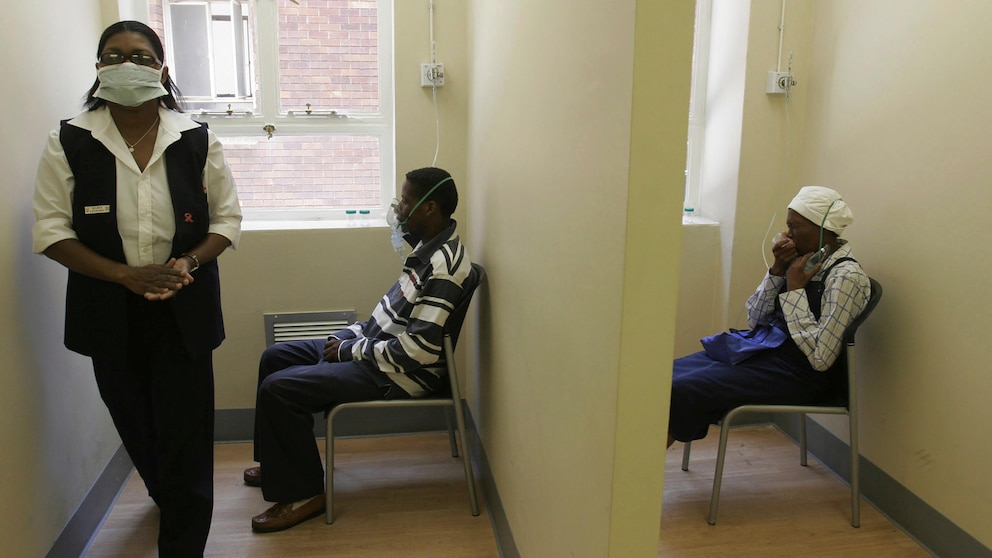
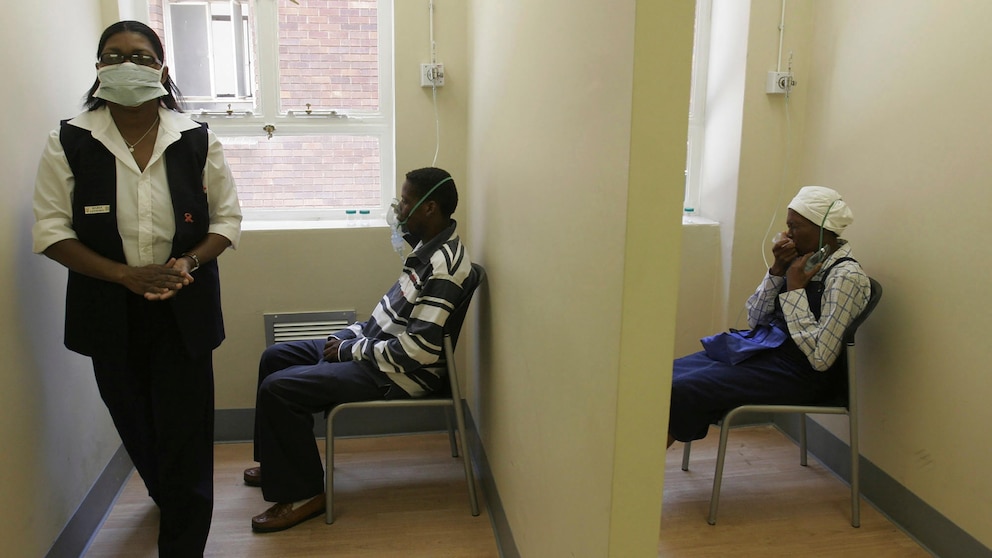
South Africa, Colombia, and other countries that faced challenges in accessing COVID-19 vaccines are now taking a more confrontational approach towards drugmakers, pushing back on policies that restrict affordable treatment for tuberculosis (TB) and HIV. These countries are seeking to become more self-reliant and are challenging pharmaceutical companies to make life-saving medicines more widely available. Activists have protested against Johnson & Johnson's efforts to protect its patent on the TB drug bedaquiline, leading to the company dropping its patent in over 130 countries. In Colombia, the government plans to issue a compulsory license for the HIV drug dolutegravir without permission from the patent-holder. However, experts emphasize the need for broader changes to ensure equal access to medicines and vaccines, including strengthening health systems and reforming intellectual property laws.

health2 years ago

Global Battle for Access to Life-Saving Medications: South Africa, Colombia, and More Take on Drugmakers

South Africa, Colombia, and other countries that faced challenges in accessing COVID-19 vaccines are now taking a more confrontational approach towards drugmakers, pushing back on policies that restrict affordable treatment for tuberculosis (TB) and HIV. These countries are seeking to become more self-reliant in the production of lifesaving medicines and are challenging pharmaceutical companies to ensure wider access to treatments. Activists have protested against Johnson & Johnson's efforts to protect its patent on the TB drug bedaquiline, leading to the company dropping its patent in over 130 countries. In Colombia, the government plans to issue a compulsory license for the HIV drug dolutegravir without permission from the patent-holder. However, experts emphasize the need for broader changes in intellectual property laws and stronger health systems to ensure equal access to medicines and vaccines in poorer countries.

healthcare2 years ago

Pharmaceutical Companies Reluctantly Agree to Medicare Price Negotiations

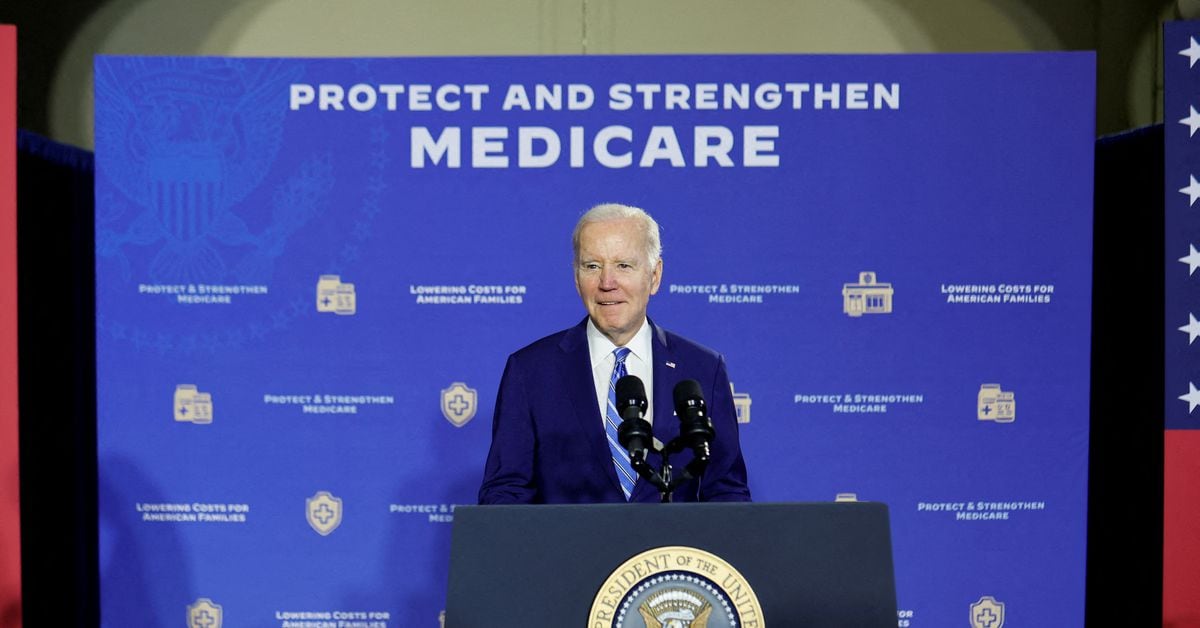
All drugmakers responsible for the 10 prescription medicines subject to the first-ever price negotiations for the U.S. Medicare health program, including Amgen and Novartis, have signed on to participate in the talks by the Oct. 1 deadline. Failure to do so would have resulted in steep penalties, including high taxes on drug sales or withdrawal from Medicare and Medicaid programs. Some drugmakers have filed lawsuits against the U.S. Department of Health and Human Services, claiming the process is unconstitutional. The new prices, which must be at least 25% lower than the current list, will take effect in 2026, aiming to save $25 billion per year on drug prices by 2031.

healthcare2 years ago

"US Announces Initial Drugs for Medicare Price Negotiation, Including Eliquis and Jardiance"

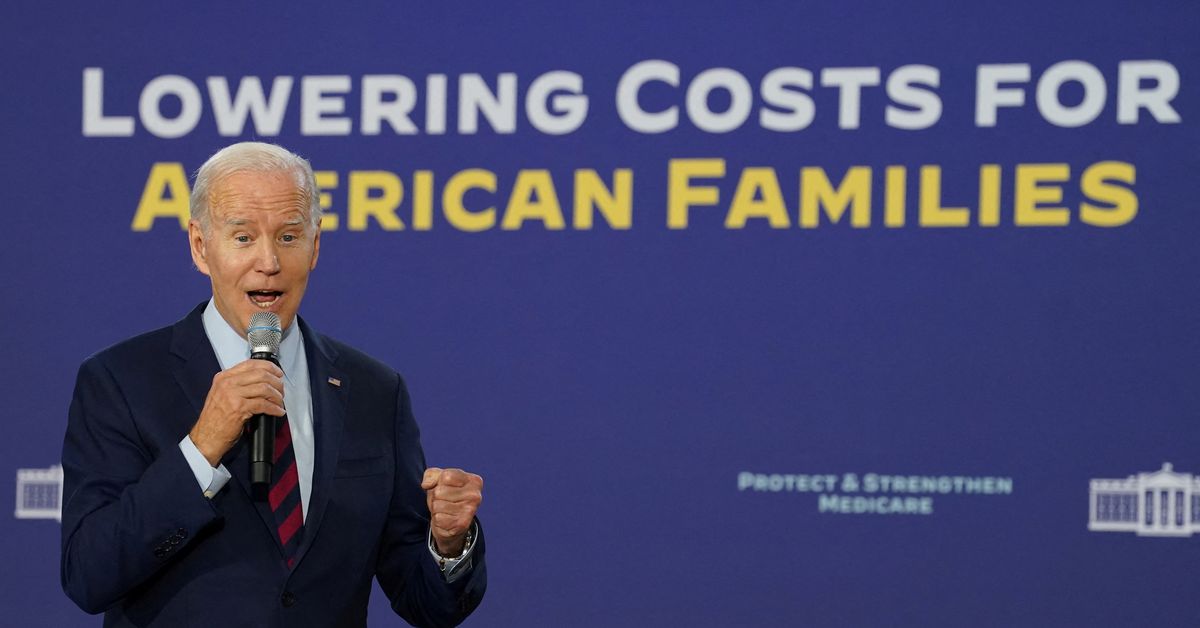
The Biden administration has released a list of 10 prescription drugs that will be subject to price negotiations by the U.S. Medicare health program, including popular medications such as Eliquis, Xarelto, and Januvia. The program aims to decrease prices for up to 9 million seniors and save $25 billion per year on drug prices by 2031. Drugmakers targeted on the list have expressed concerns about stifling innovation and impacting the quality of care. The negotiated prices will go into effect in 2026, and the program is expected to free up Medicare's budget to cover other drugs.

healthcare2 years ago

Pharmaceutical companies prepare legal battle against US pricing regulation.

Some of the world's largest drugmakers are preparing to fight the US plan to negotiate drug prices for its Medicare health coverage, including arguing that a ban against speaking about these talks violates constitutional rights. The Biden Administration's drug pricing reform aims to save $25 billion through price negotiations by 2031 for Americans who pay more for medicines than any other country. The pharmaceutical industry says the law will result in a loss of profits that will force them to pull back on developing groundbreaking new treatments. The first-ever Medicare drug price reduction process begins in September, and drugmakers are likely to file lawsuits arguing that the agency is not complying with Biden's legislation nor the US Constitution.

health2 years ago

EU's proposed drug laws overhaul sparks industry backlash.

The European Union has published a draft of its proposed overhaul of laws governing the pharmaceuticals industry, which is aimed at ensuring all Europeans have access to both innovative new treatments and generic drugs, and ending huge divergences in access and price between countries. The biggest overhaul of existing medical laws in two decades proposes to cut the length of basic market exclusivity that drugmakers get before generics can enter the market to eight from 10 years. However, the pharma industry warns it will invest and innovate elsewhere, while patient groups cheer the win for people against big pharma.