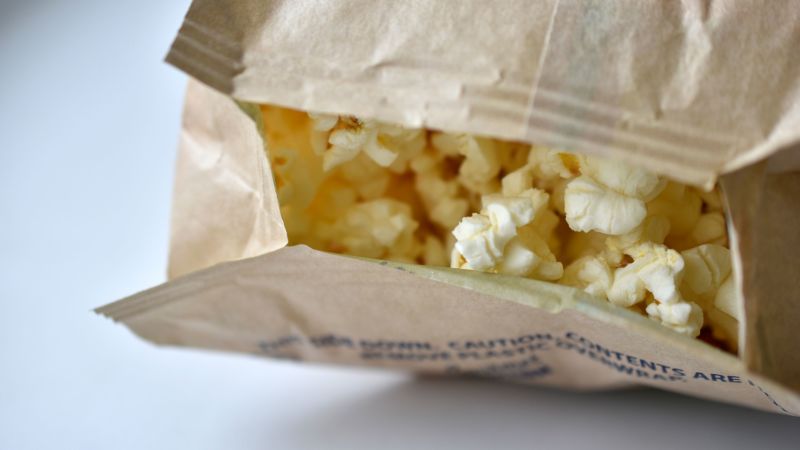
Microwave popcorn is less healthy due to chemicals in packaging and high levels of saturated fat and sodium, but air-popped popcorn is a healthier, customizable, and cost-effective alternative that avoids these issues.
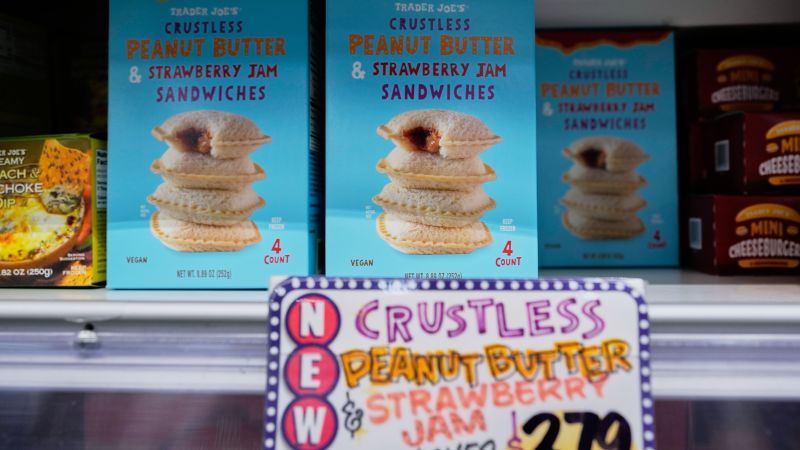
J.M. Smucker Co. has filed a lawsuit against Trader Joe’s, alleging that their new frozen peanut butter and jelly sandwiches infringe on its Uncrustables trademarks in design and packaging, seeking damages and destruction of infringing products.
A comprehensive review of 103 studies reveals that everyday use of plastic food packaging, including opening bottles and using plastic containers, releases microplastics into food, with reusable plastics shedding more particles over time. Microplastics are widespread in the environment and human bodies, raising concerns about potential health impacts, though more research is needed. The study emphasizes the need to reduce plastic use in food packaging and preparation to limit human exposure.
A recent study reveals that micro- and nanoplastics shed from food packaging and containers contaminate our food and drinks, with potential health risks due to chemical leaching and plastic particles entering the human body. The research highlights the need for systemic action to reduce plastic pollution and individual efforts to minimize exposure.
The US FDA has announced that certain types of PFAS, known as "forever chemicals," will no longer be used in food packaging due to their potential health risks and environmental impact. These chemicals have been linked to various health effects and have been a major source of dietary exposure through food packaging materials. While this move has been welcomed by health and environmental advocates, it may take some time for existing stocks of products containing these substances to be exhausted. The phase-out comes after years of pressure from state bans and voluntary actions by chemical manufacturers, and it marks a significant step in reducing exposure to PFAS in food packaging.
The FDA has announced that companies are voluntarily phasing out the use of "forever chemicals" in food packaging, which can potentially accumulate in the body and have serious health effects. This move is expected to eliminate a major source of dietary exposure to PFAS from food packaging. However, until these products are completely phased out, individuals can take steps to minimize exposure from the foods they eat.
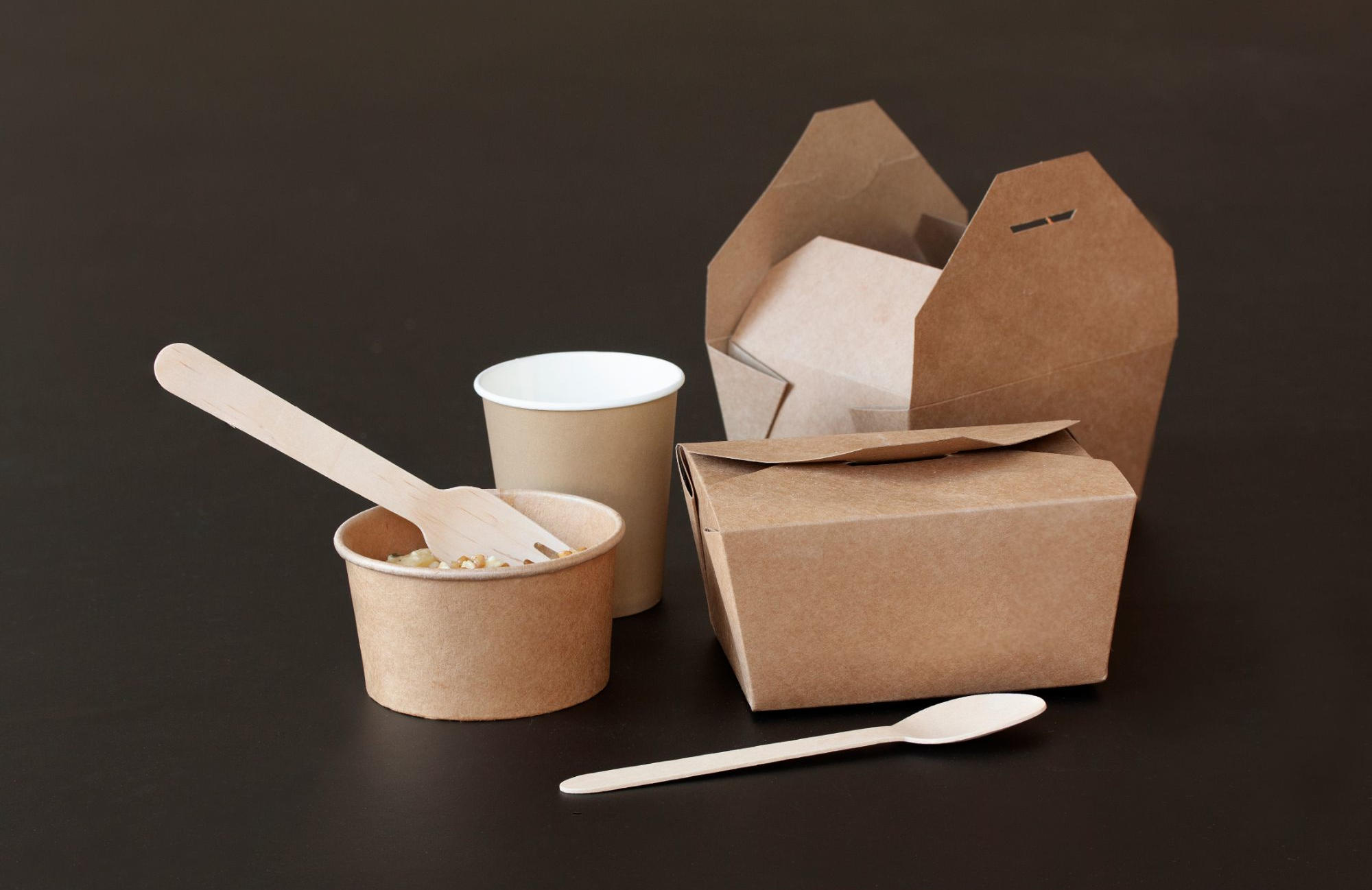
The FDA announced that toxic chemicals, known as PFAS, once commonly used in food packaging such as pizza boxes and popcorn bags, are no longer being used in the United States due to potential health risks including cancer and birth defects. This marks the end of a yearslong campaign to phase out these substances, which create a barrier to prevent oils and water from seeping through packaging. Extensive research has shown that PFAS can leach into food and may be associated with serious health problems, leading food manufacturers to voluntarily remove them from their products.
A hormone-disrupting chemical called Bisphenol A (BPA), commonly used in food packaging, has been found in the bodies of almost all Europeans, according to a report by the European Environment Agency. The study measured BPA levels in the urine of adult participants from 11 European countries and found that 92% had detectable levels. The share of adults exceeding recommended maximum levels ranged from 71% to 100% across the countries studied. BPA has been linked to health disorders such as breast cancer and infertility. While France has banned BPA, the EU and US have limited its use and plan to further reduce it.
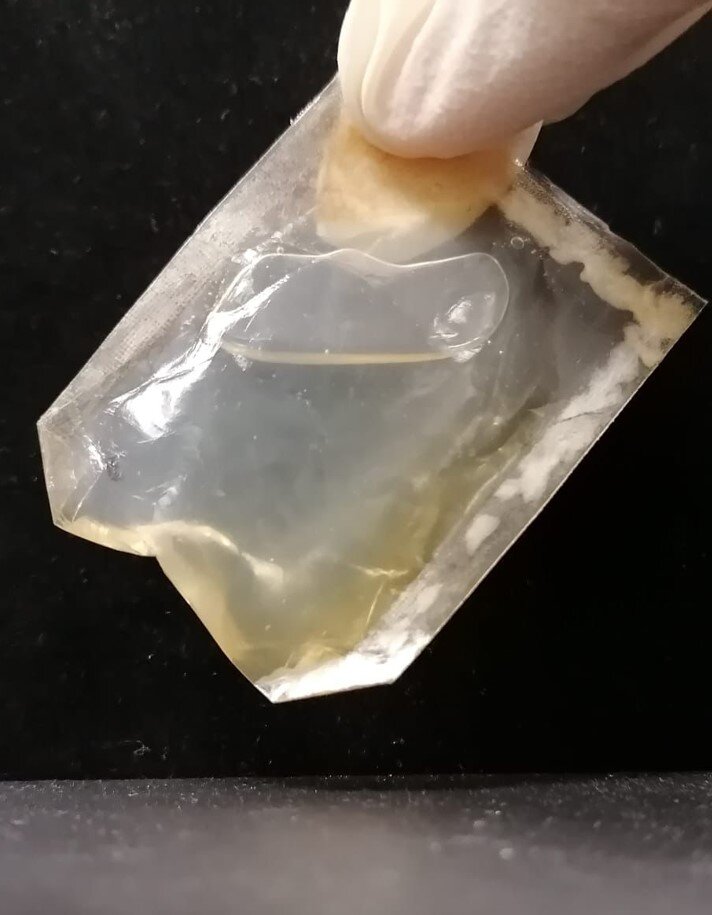
A research group in Brazil has developed a biodegradable film made from a compound derived from limonene, the main component of citrus fruit peel, and chitosan, a biopolymer derived from crustacean exoskeletons. The film has enhanced bioactive properties, including antioxidant and antimicrobial properties, and performs well in terms of light and water vapor protection. However, it is not yet available for commercial use due to the need for optimization of the production process and scalability of chitosan-based plastic. The researchers are working on improving the yield and testing the film during the manufacturing of commercial packaging.
Researchers at The Chinese University of Hong Kong have developed an edible, transparent, and biodegradable material using bacterial cellulose (BC) as a sustainable alternative to plastic food packaging. By incorporating soy proteins into the structure and coating it with an oil-resistant composite, they created a robust BC-based composite packaging that can be completely degraded within 1-2 months. The material is safe for consumption by sea animals and does not require specific industrial composting conditions to degrade. The researchers are now exploring ways to enhance the versatility of modified BC films and make them more competitive with traditional plastics while maintaining their eco-friendliness.
Forever chemicals, or PFAS, are known for their persistent ability to remain in nature and the body for years, and have been associated with serious health effects. While it's difficult for the average consumer to avoid products with PFAS, there are steps you can take to minimize exposure from the foods you eat. These include cutting back on fast food, avoiding nonstick cookware, storing leftovers in glass containers, and drinking filtered or bottled water. Additionally, check the source of the fish you eat as PFAS have been widely detected in freshwater fish.
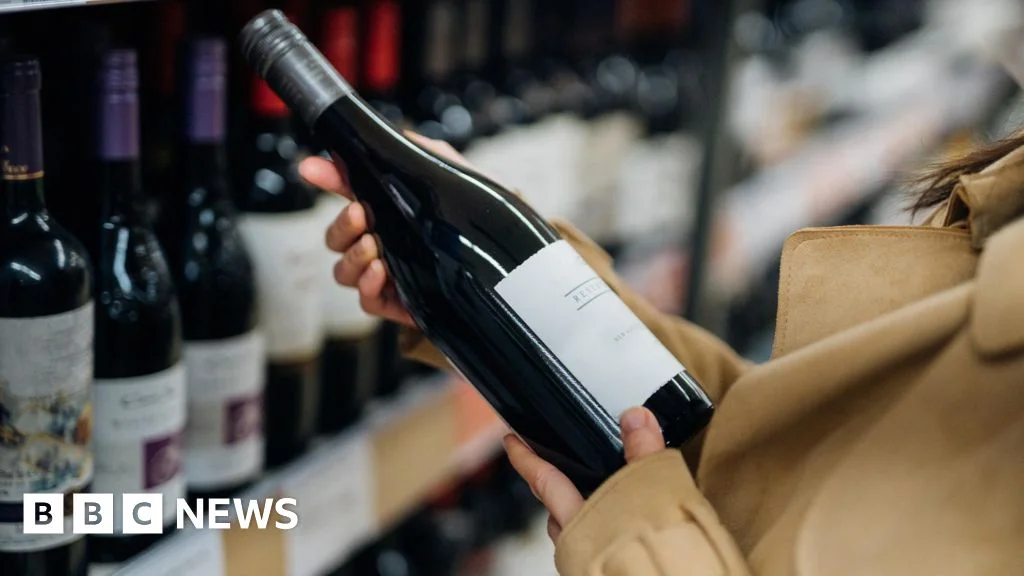
Ireland is set to become the first country in the world to introduce health warning labels on alcohol products, which will come into force in 2026. The labels will warn consumers about the risks of drinking alcohol, including the dangers of drinking while pregnant, as well as providing a product's calorie content. The Irish government said the regulations would bring alcohol products into line with requirements for food packaging.
Polystyrene, a widely-used plastic found in food packaging, was detected in the brains of mice just two hours after ingestion, according to a new study. The presence of micro and nano-plastic particles in the brain can increase the risk of inflammation, neurological disorders, or even neurodegenerative diseases such as Alzheimer’s or Parkinson’s. These plastic particles can cross the blood-brain barrier and penetrate living cells, posing a potential danger to human health.
A new study has found that toxic PFAS chemicals used in food packaging can break off and end up in food and drinks, presenting a health threat. The study highlights the need to ban the use of PFAS in food packaging. PFAS are linked to cancer, liver problems, thyroid issues, birth defects, kidney disease, decreased immunity, and other serious health problems. The research comes as the Canadian government and other nations work to phase out single-use plastics, which will increase global reliance on “compostable” molded fiber packaging that researchers found contained the highest PFAS levels.
Supposedly safe replacement PFAS used in food packaging break down into toxic compounds, contaminating food and the environment, according to a recent study. The study challenges the PFAS industry’s claims about the safety of polymeric PFAS, suggesting that the best course of action is to eliminate the entire class of PFAS from non-essential uses. The researchers found that the concentration of PFAS declined by up to 85% after storing the products for two years under normal conditions, much of which was consistent with the breakdown of the polymeric PFAS added to the fast-food packaging.