Living within 30 miles of the ocean may increase lifespan due to better environmental and socioeconomic conditions, while inland water areas, especially in cities, may be associated with shorter lives due to pollution and poverty. The study highlights the health benefits of coastal proximity and the need to consider environmental factors in urban planning.
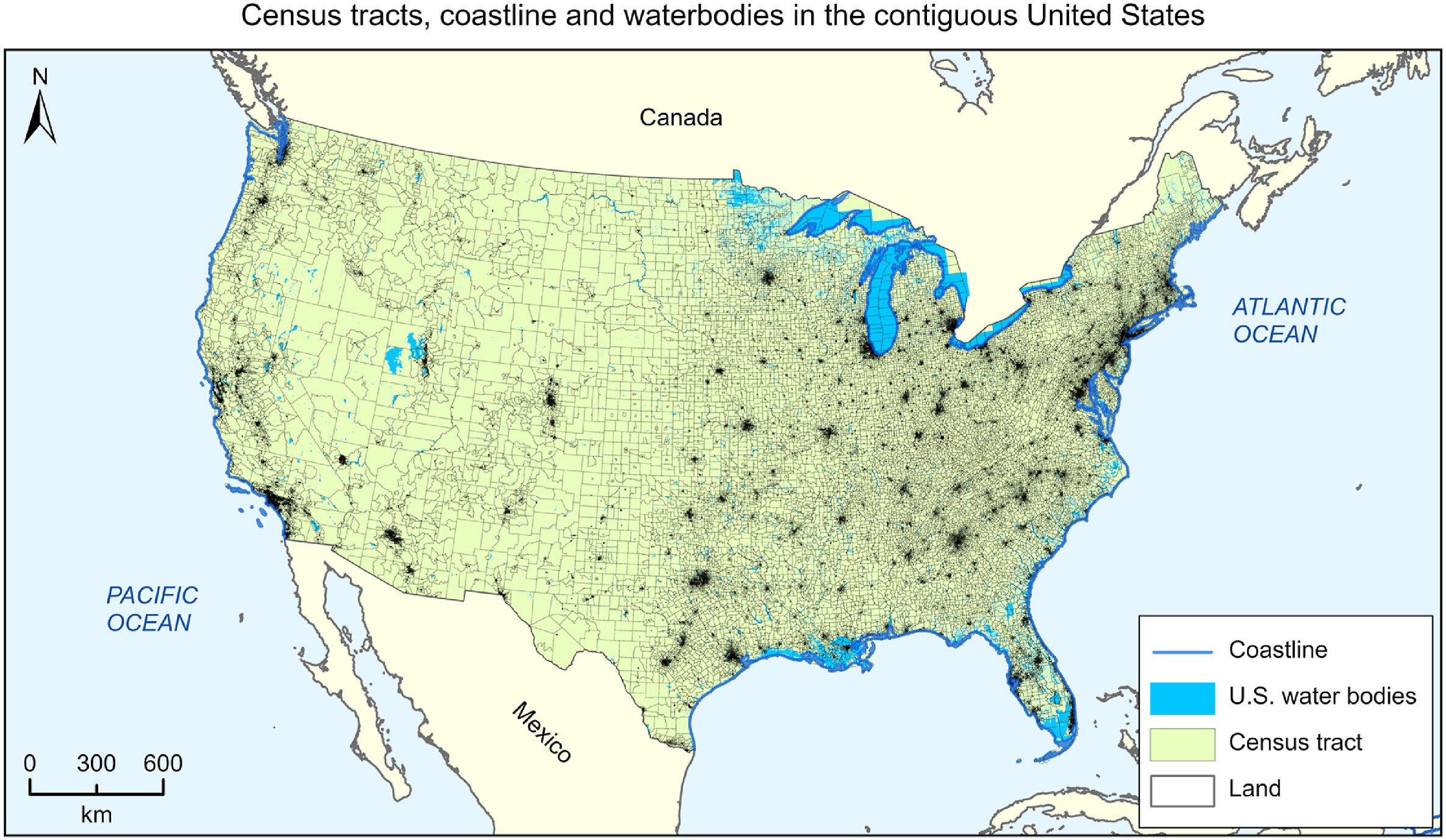
A study by Ohio State University found that living within 30 miles of the ocean is associated with longer life expectancy, likely due to factors like milder climate and better air quality, whereas living near inland water in urban areas may not offer the same benefits and could be linked to shorter lifespans due to pollution and other risks.
Northwest Oregon and Southwest Washington are expected to experience frigid temperatures, low-elevation snow, and king tides from Jan. 11 to Jan. 13. Coastal areas will see highs in the mid to low 40s and may experience snow, creating a rare sight along the coast. Beachgoers are advised to observe the powerful waves from a safe distance during this time.
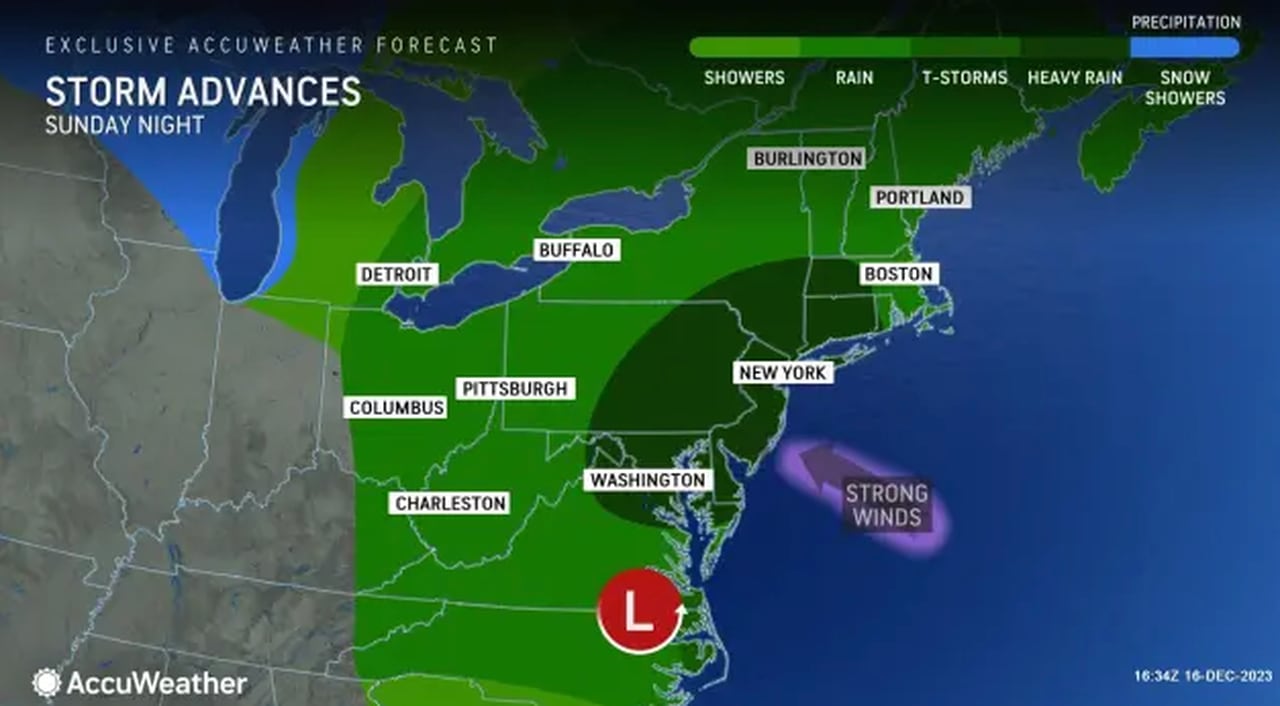
A powerful coastal storm system is expected to bring heavy rains, high winds, and potential flooding to the Lehigh Valley region on Sunday and Monday. Rainfall of 2 to 3 inches is likely, with up to 4 inches possible in some areas. Wind gusts of up to 50 mph are possible along the coast, leading to potential power outages and downed tree limbs. Minor flooding is expected along the Jersey Shore and moderate coastal flooding along the Delaware Bay. Temperatures will remain mild, with highs in the upper 50s on Sunday and low 60s on Monday before cooling down on Monday night.
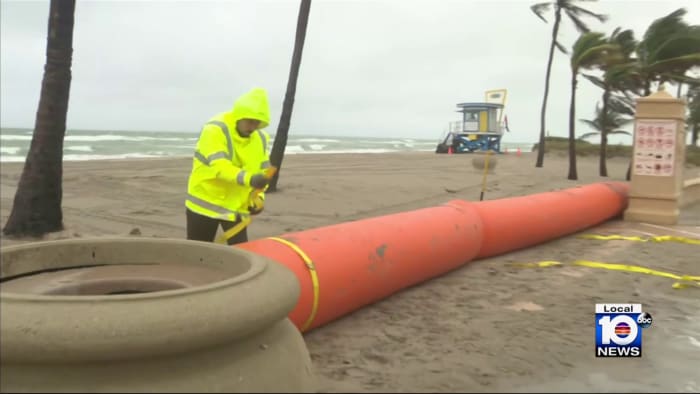
South Florida is experiencing high wind gusts, hail, and flooding in coastal areas, with gusts up to 45 mph, waves up to 12 feet high, dangerous rip currents, and minor flooding. The National Weather Service has issued advisories and warnings, urging caution for drivers, boaters, and swimmers, and advising residents to secure outdoor objects. Thunderstorms with lightning, heavy rainfall, and strong wind gusts are also expected over the Atlantic waters.
Houston and coastal areas can expect another round of heavy rainfall on Monday, with some areas potentially seeing significant accumulations of 3 to 5 inches. Rain chances will increase on Sunday evening as a low pressure system moves in, with widespread totals of 1 to 2 inches expected. While significant flooding is not anticipated, Monday is likely to be wet and disruptive, especially closer to the coast. Rain chances will decrease by Tuesday, with sunshine returning on Wednesday.
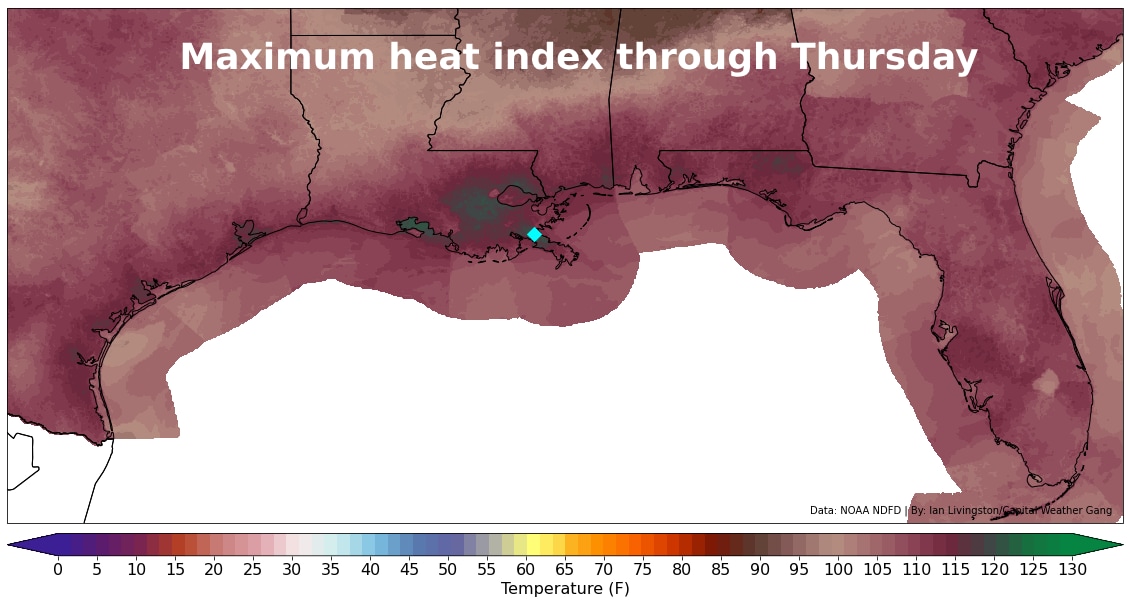
The Gulf of Mexico is experiencing record-breaking heat, leading to an unprecedented heatwave along the Gulf Coast. Water temperatures in the Gulf have climbed to the highest levels ever observed, causing concerns for the upcoming peak weeks of hurricane season. Louisiana has declared a state of emergency due to the spike in heat-related emergencies and growing drought. Houston, New Orleans, and many locations in Florida are experiencing their hottest periods on record. Heat alerts are in place for millions of people along the Gulf Coast, with dangerously hot conditions forecasted. The Gulf of Mexico's warm waters have also led to coral bleaching. The heatwave is expected to continue, while there are signs that the hurricane season may become more active, with warm waters providing fuel for potential disturbances.
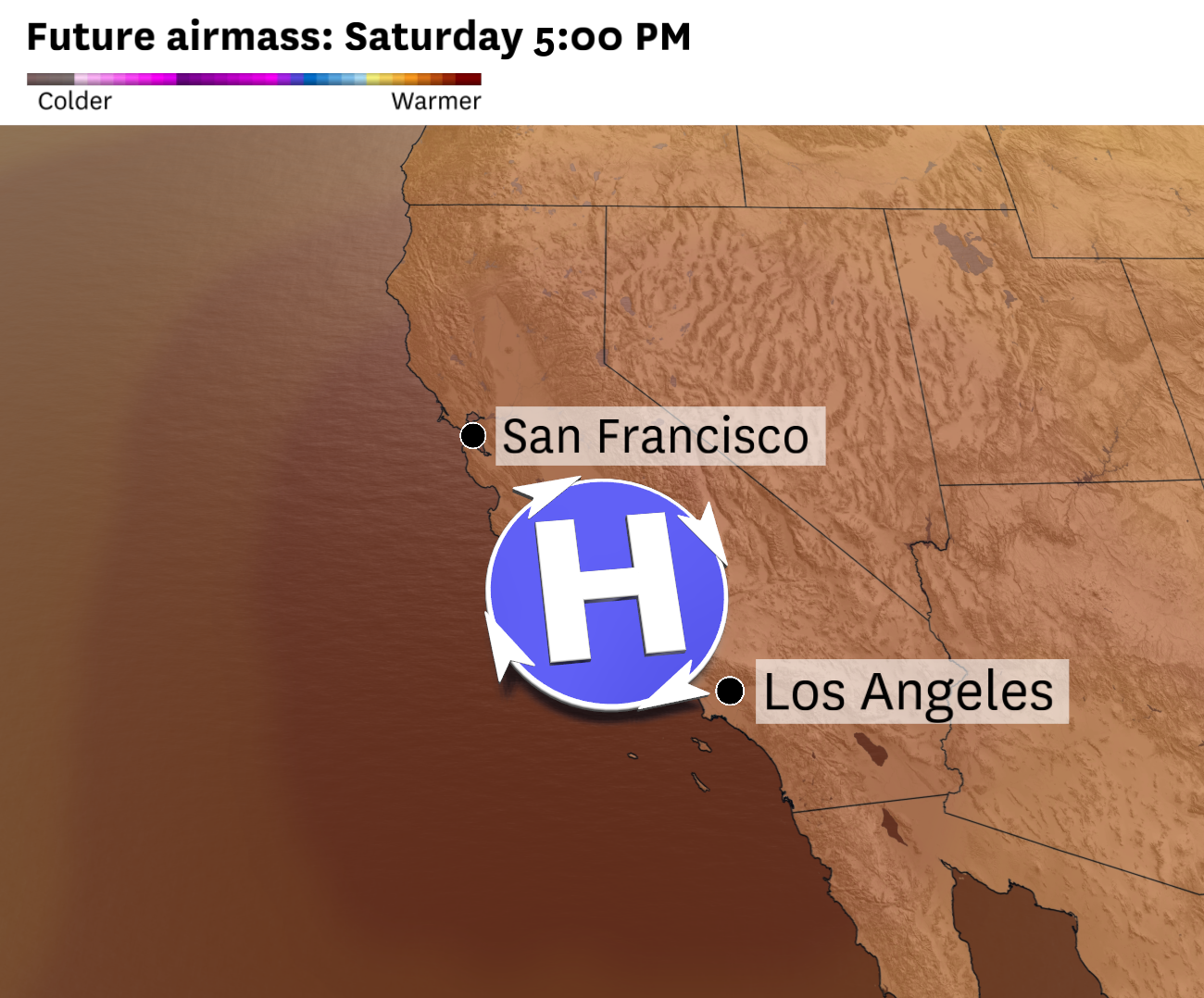
A heat wave is expected to hit the Bay Area this weekend, with high temperatures reaching the upper 90s to lower 100s in cities like San Jose, Santa Rosa, and Walnut Creek. Inland residents will experience triple-digit temperatures, while coastal areas may face gusty winds and rip currents. San Francisco will see warm, dry air gradually clearing out the June gloom, with temperatures in the lower 70s. The heat wave is expected to weaken starting Sunday, bringing cooler temperatures early next week.
India and Pakistan have evacuated over 180,000 people from vulnerable coastal areas in the path of cyclone Biparjoy, set to make landfall by Thursday night. The cyclone could cause tidal waves in the Arabian Sea as high as 2 m to 3 m (7 to 10 ft) that could inundate low-lying coastal areas in both countries. More than 100,000 people have been evacuated from eight coastal districts in Gujarat likely to be affected by the cyclone and moved to shelters, the state government said. Authorities said evacuations have been completed in Pakistan, where about 82,000 people were moved from high-risk coastal areas.