Tag

Habitat Loss

All articles tagged with #habitat loss

science4 months ago

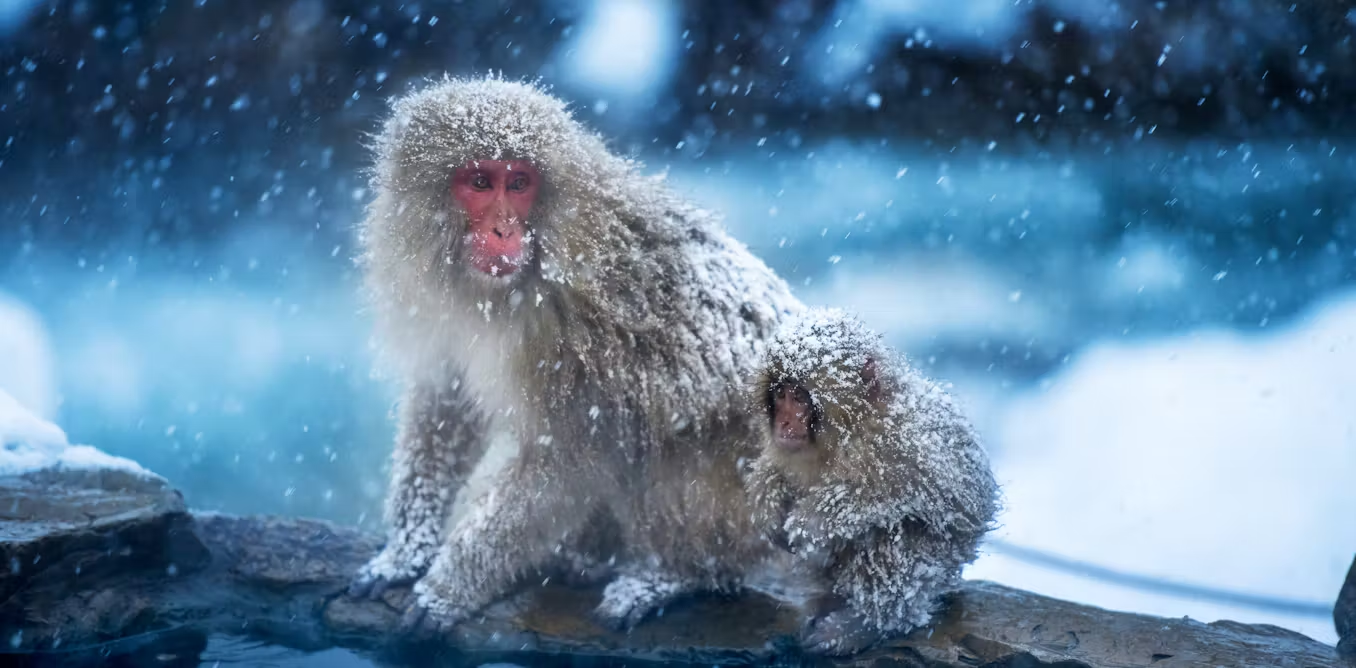
Primate Ancestors Adapted to Cold Climates

New research suggests that our primate ancestors evolved in cold, dry environments rather than tropical forests, challenging previous assumptions and highlighting the importance of environmental challenges in primate evolution. The study emphasizes the need for conservation efforts to protect primates from habitat loss and climate change, which threaten their survival today.

environment1 year ago

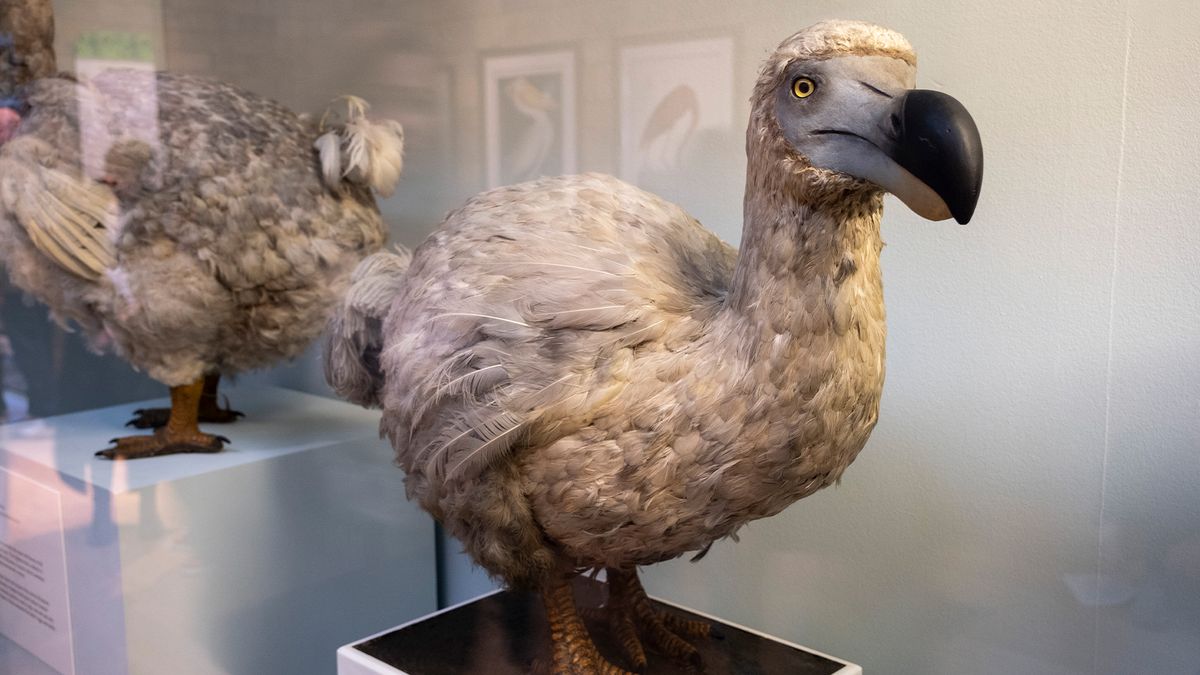
"The 6th Mass Extinction: Are We Living Through It?"

Scientists are debating whether the planet is currently experiencing a sixth mass extinction event, with some arguing that it's already underway due to human activities such as habitat destruction, species extermination, and climate change. While some researchers believe that the mass extinction hasn't reached the 75% species loss threshold yet, others warn that the rapid decline in wildlife populations and the loss of biodiversity indicate that we are witnessing the sixth mass extinction in real time. Despite the grim outlook, there is still hope to prevent reaching the mass extinction threshold by taking urgent conservation measures.

environment1 year ago

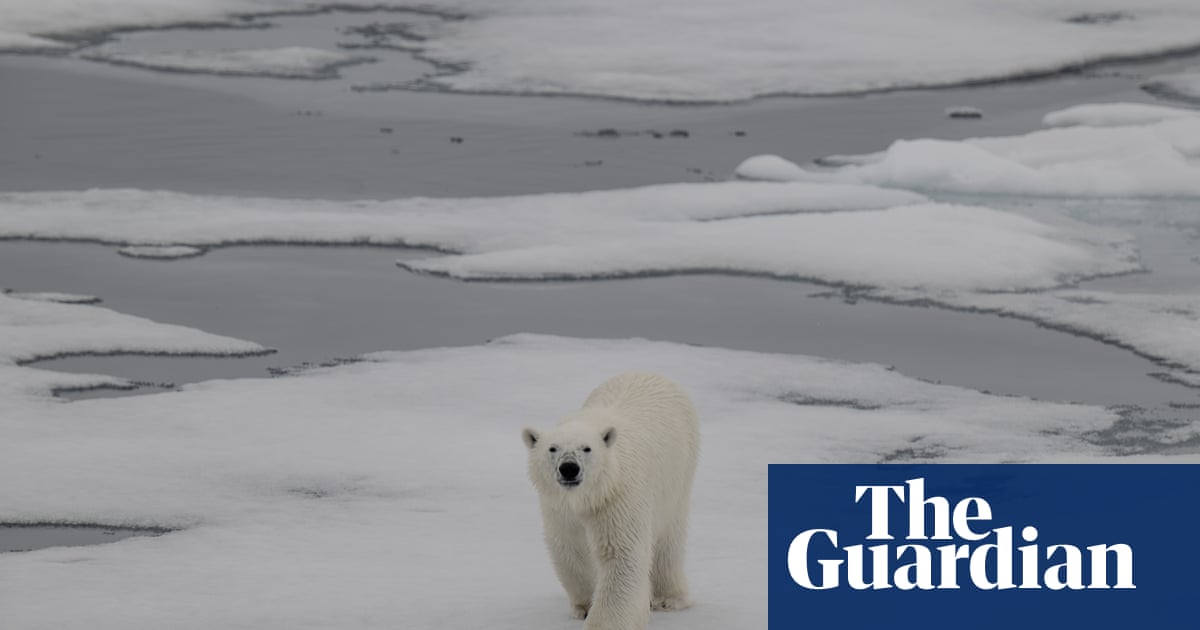
"Arctic Could Be Ice-Free Within a Decade, Scientists Warn"

Scientists predict that the Arctic could experience ice-free summers within the next decade, transforming the habitat from a "white Arctic" to a "blue Arctic" and impacting polar bears, seals, walruses, and coastal communities. The study suggests that the first ice-free day could occur earlier than previously projected, with potential for ice-free conditions between May and January by the end of the century. The authors emphasize the need to reduce fossil fuel emissions to mitigate prolonged ice-free conditions and the associated environmental and societal impacts.

environment1 year ago

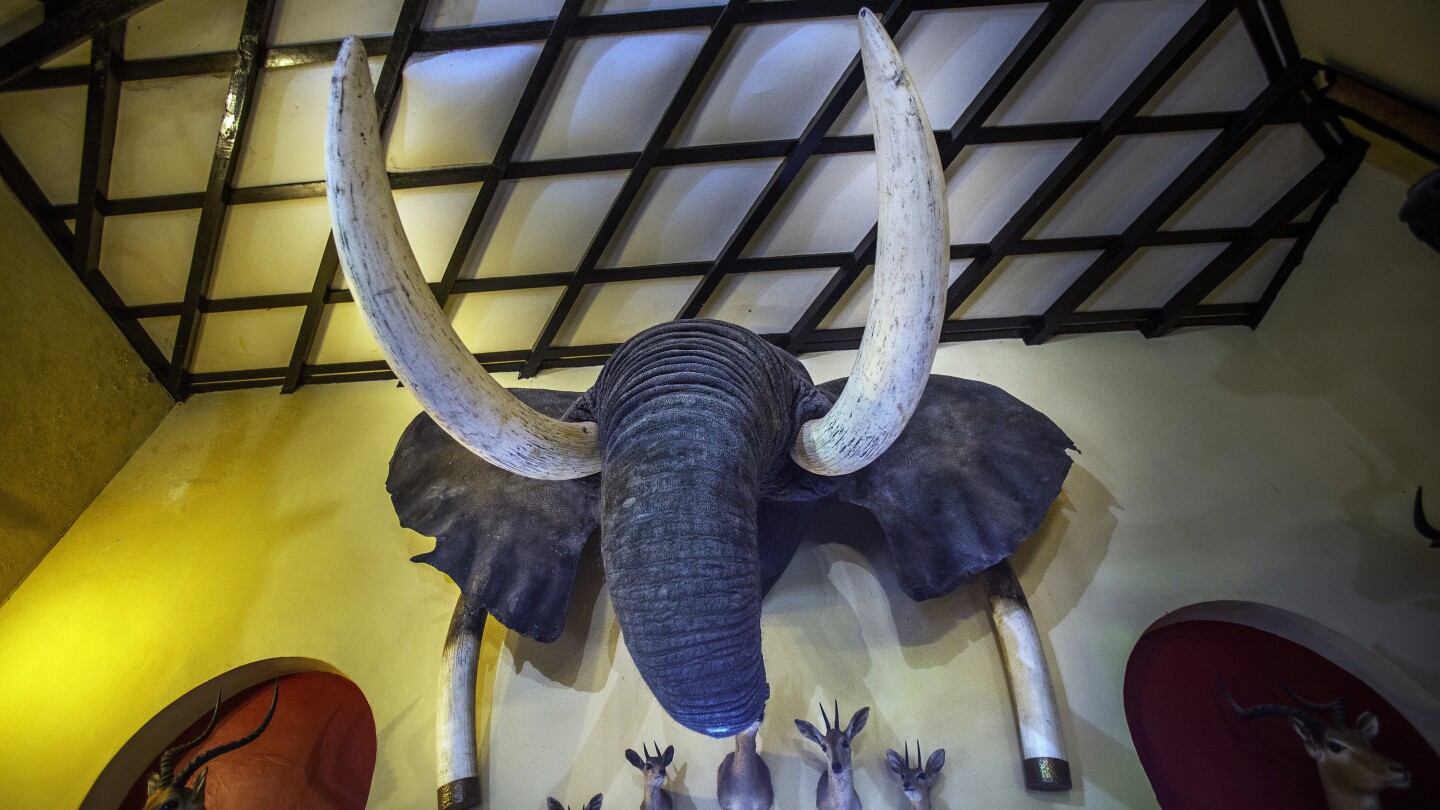
"Global Threat: The Endangered Future of Migratory Species"

A UN report reveals that nearly half of the world's migratory species are in decline due to habitat loss, illegal hunting and fishing, pollution, and climate change, with over 20% of the monitored species threatened with extinction. The report emphasizes the importance of conservation measures and international cooperation to protect these species, highlighting the need to address threats at various points along their migration routes.

environment1 year ago

"Global Decline: Migratory Species Facing Extinction Due to Human Impact"

A new UN report reveals that nearly half of the world's migratory species, including songbirds, sea turtles, whales, and sharks, are in decline due to habitat loss, illegal hunting and fishing, pollution, and climate change. More than a fifth of the nearly 1,200 species monitored are threatened with extinction, emphasizing the importance of global conservation efforts to protect these vital species.

wildlife2 years ago

Record-Breaking Copperhead Snake Unearthed

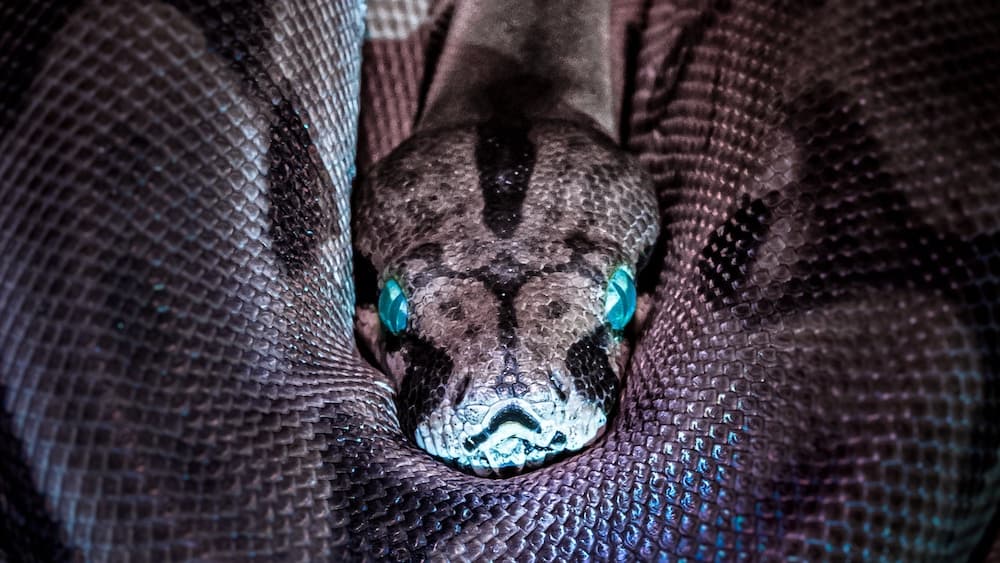
The largest copperhead snake ever recorded, measuring 6 feet in length, has been discovered in the Great Smoky Mountains. Herpetologists are studying the snake's behaviors and interactions with its environment, revealing new information about the species. Copperheads are important for pest control but are threatened by man-made climate change and habitat loss.

wildlife-conservation2 years ago

Elusive Giant Rat Caught on Camera for the First Time

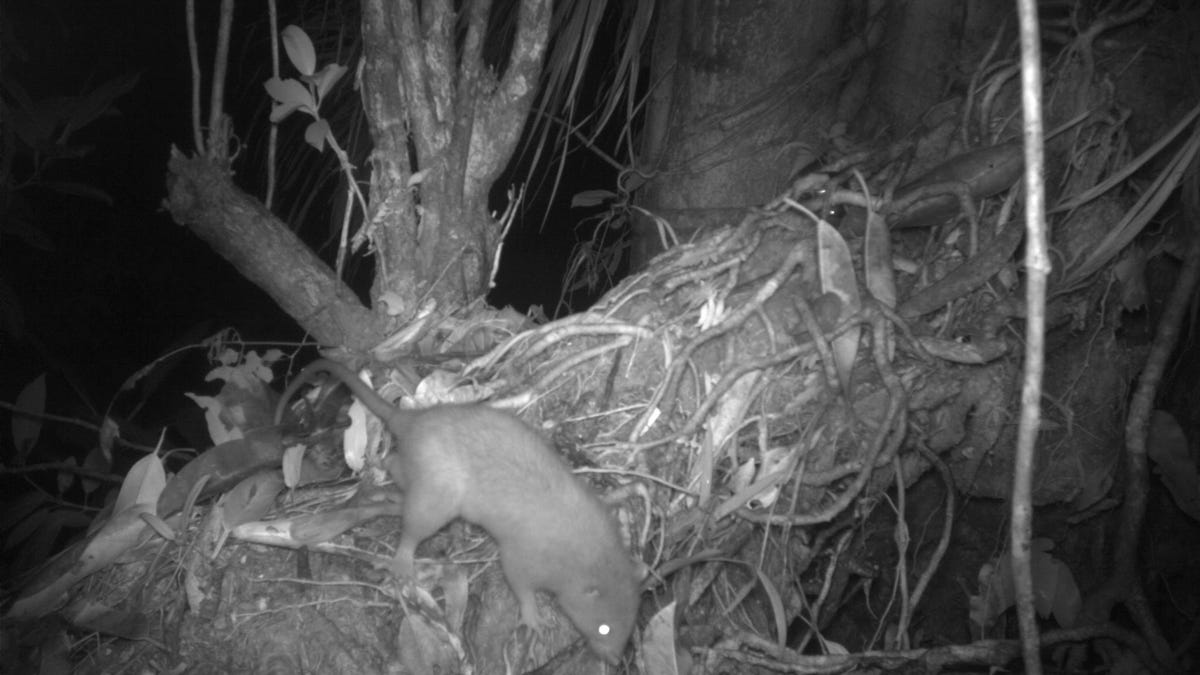
The ultra-rare Vangunu giant rat, also known as Uromys vika, has been captured on camera for the first time. This critically endangered species, which can grow to the size of a baby and crack coconuts with its teeth, is only found on Vangunu Island in the Solomon Islands. Researchers from the University of Melbourne and Solomon Islands National University were able to capture images of the rodent with the help of the local Indigenous population. The discovery of this new rodent species highlights the urgent need for conservation efforts, as its habitat is threatened by logging.

environment2 years ago

"US Takes Action to Save Wolverines from Extinction as Climate Change Threatens Their Mountain Homes"

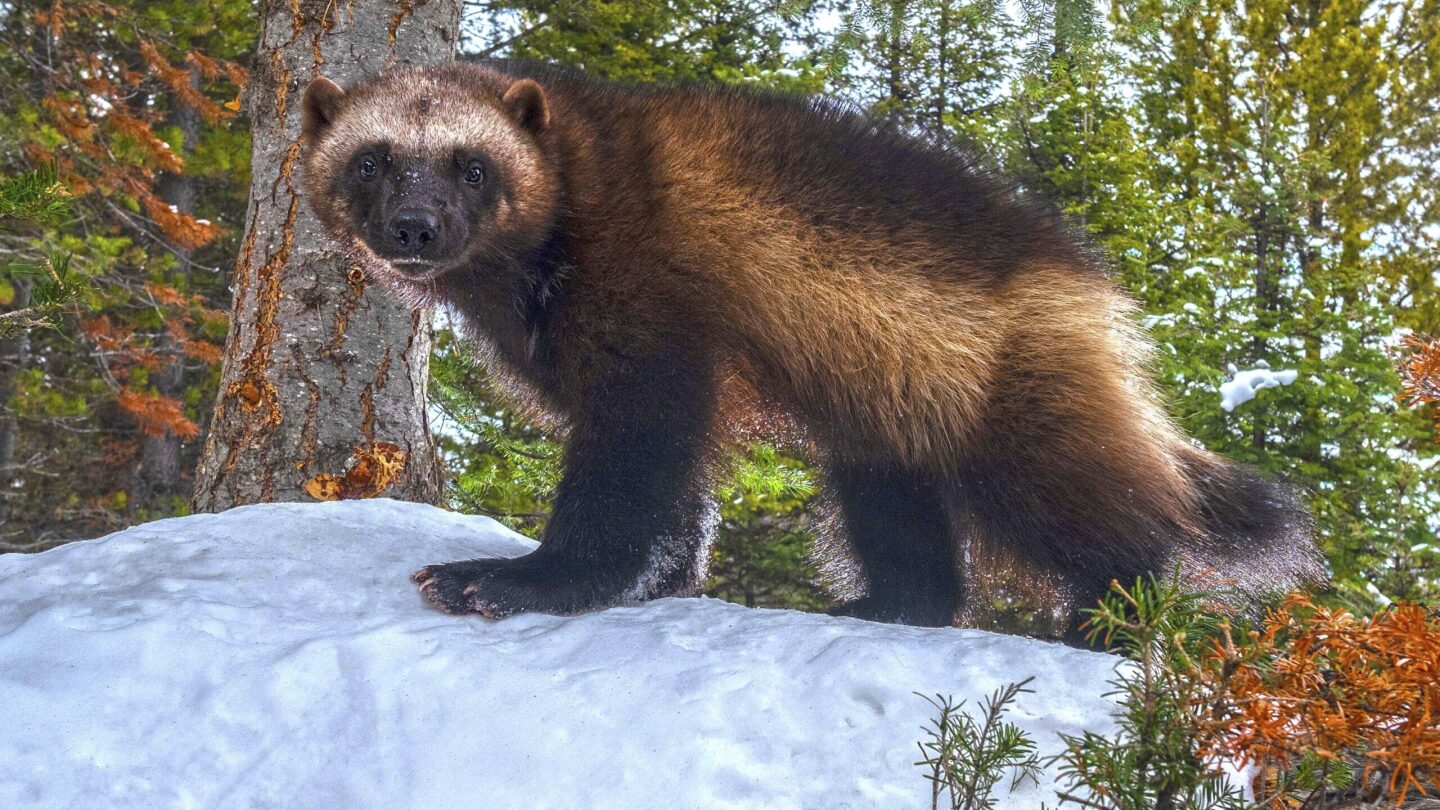
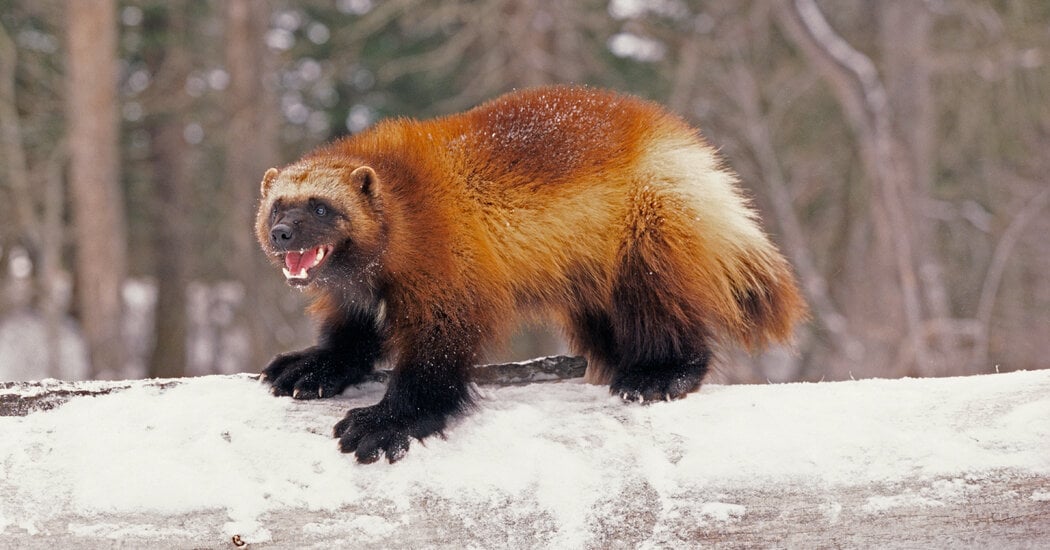
The North American wolverine is set to receive threatened species protections under a proposal by the Biden administration, as climate change threatens to melt away their mountain refuges and push them towards extinction. Wolverines, which were wiped out across most of the US by the early 1900s, currently survive in fragmented, isolated groups at high elevations in the northern Rocky Mountains. The decision to protect the wolverines' remaining habitat comes after more than two decades of disputes over the risks of climate change and threats to their long-term survival. The protections are seen as crucial to giving the species a fighting chance against habitat degradation and fragmentation caused by climate change.

environment2 years ago

"US Takes Action to Save Wolverines from Extinction as Climate Change Threatens Their Mountain Homes"

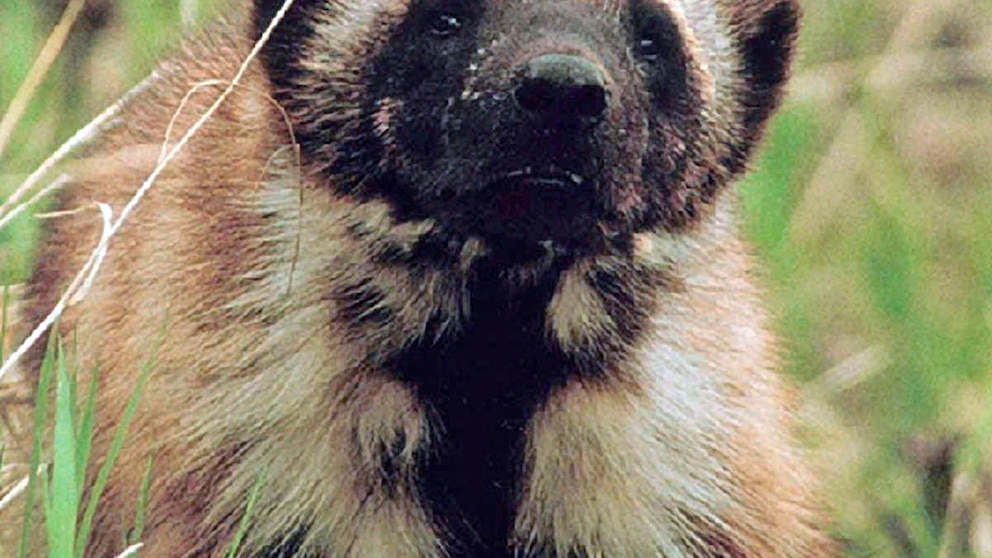
The North American wolverine is set to receive threatened species protections under a proposal by the Biden administration, as scientists warn that climate change is melting away the wolverines' snowy mountain refuges and pushing them towards extinction. Wolverines, which resemble small bears and are the world's largest terrestrial weasels, currently live in fragmented, isolated groups at high elevations in the northern Rocky Mountains. The decision to protect them comes after more than two decades of disputes over the risks of climate change and threats to their long-term survival. Republican lawmakers in Montana have urged the administration to delay the decision, claiming that the scientists' estimates are inaccurate and that protections could lead to restrictions on activities in wolverine habitats.

environment2 years ago

"U.S. Takes Action to Safeguard Wolverines Amid Climate Crisis"

Wolverines in the contiguous United States will be listed under the Endangered Species Act due to threats from climate change and habitat fragmentation. With an estimated population of only 300, wolverines inhabit areas of the Northern Rocky Mountains and Northern Cascades in Montana, Idaho, Wyoming, Washington, and Oregon. The decision comes after new research highlighted concerns about low genetic diversity and the impact of backcountry winter recreation on wolverines. The move is the result of a quarter-century campaign by wildlife advocates, who hope the listing will help wolverines survive and recover.

environment2 years ago

Unraveling the Mystery: The Decline of Wild Turkey Populations

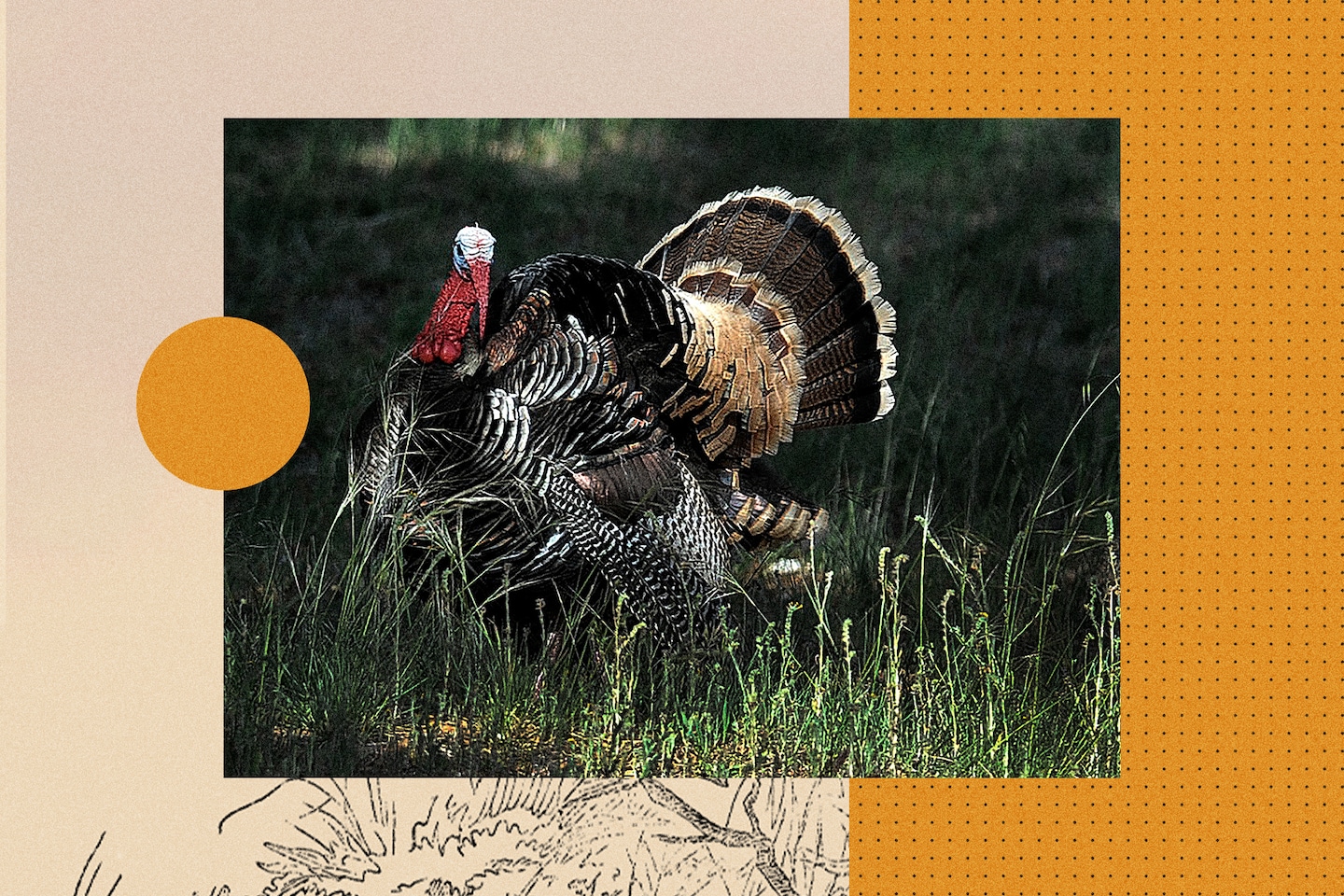
Wild turkey populations in the United States have been declining, with an estimated decrease of nearly 15% between 2004 and 2014. The decline continued by 3% between 2014 and 2019, raising concerns among biologists. The reasons behind the decline are not yet fully understood, but potential factors include habitat loss, hunting, disease, and climate change. The decline of wild turkeys is part of a larger trend of declining bird populations in North America, highlighting the impact of human activities on the environment. Conservation efforts are needed to address the decline and protect the species.